
 Business License

Signal Hound BB60C vs BB60A: Key Upgrades & Performance Differences You Need to Know
Signal Hound BB60C vs BB60A: Key Upgrades & Performance Differences You Need to Know
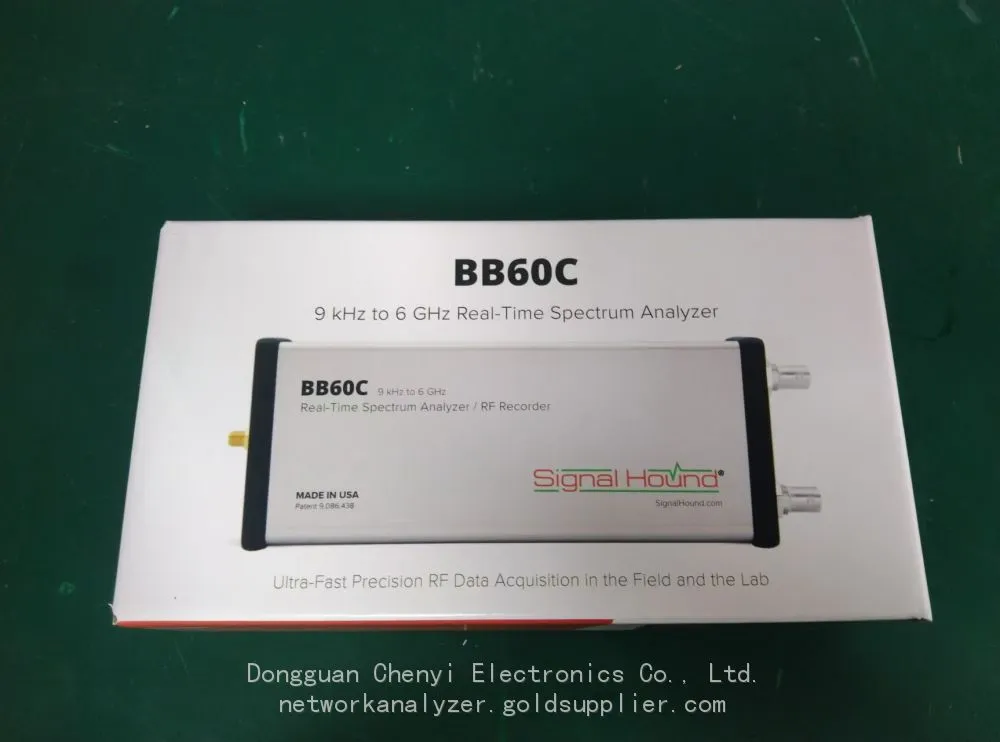
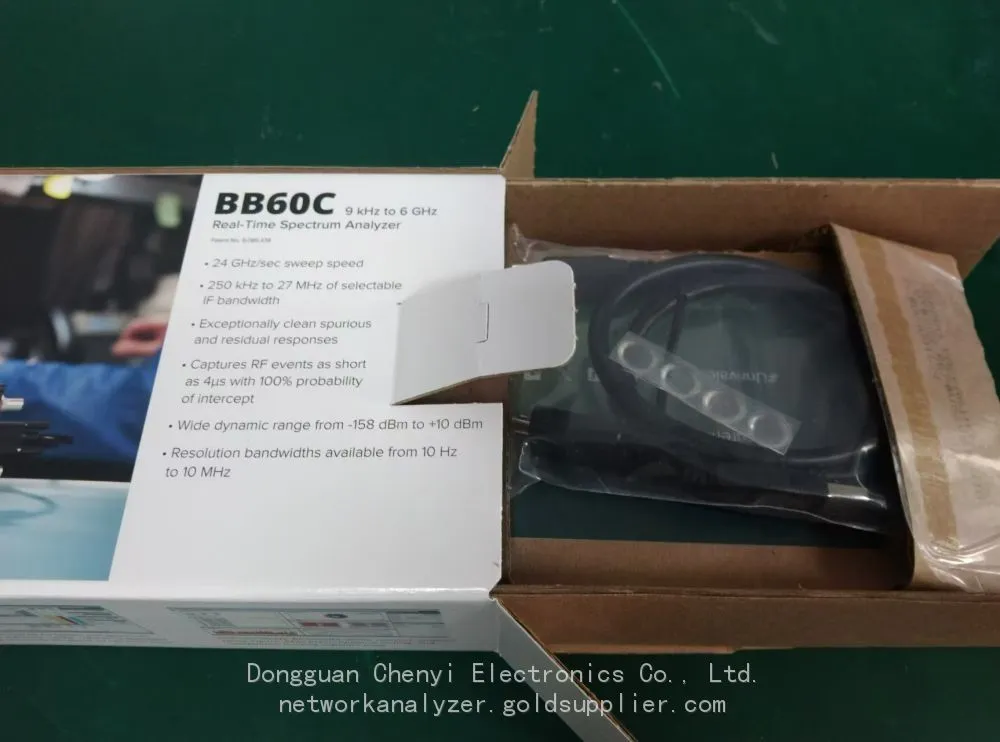
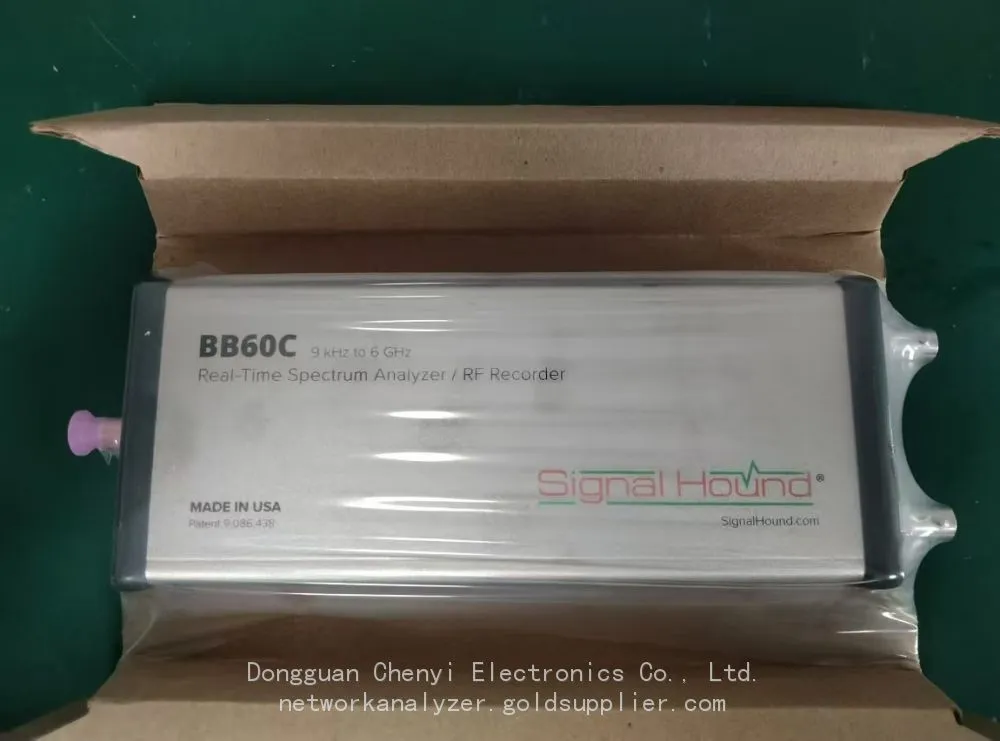
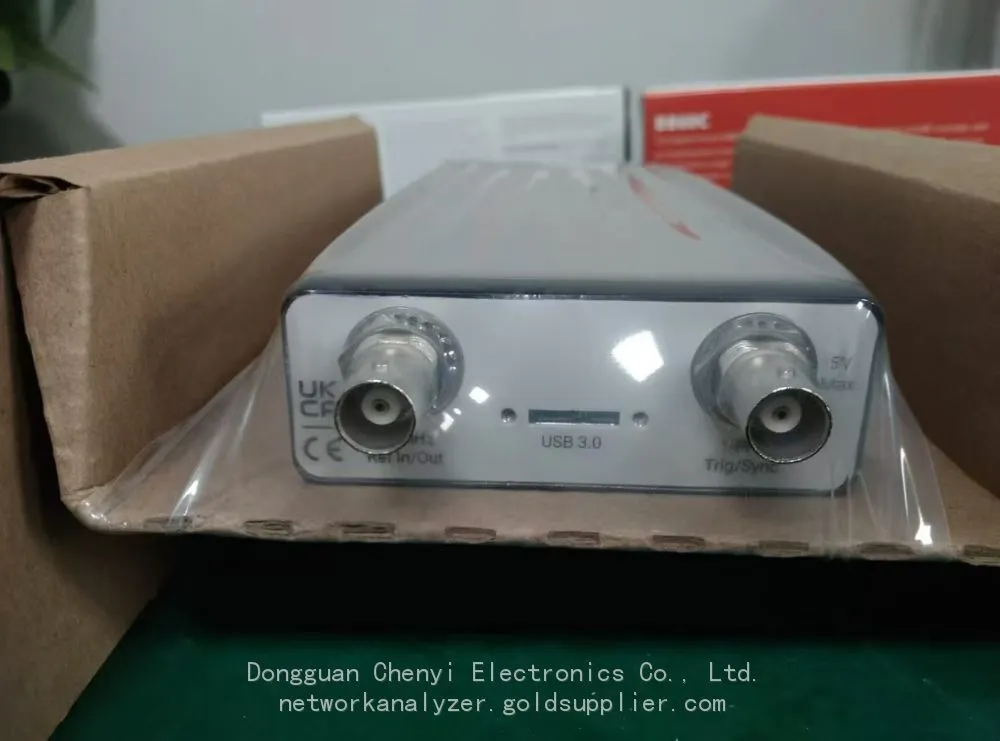
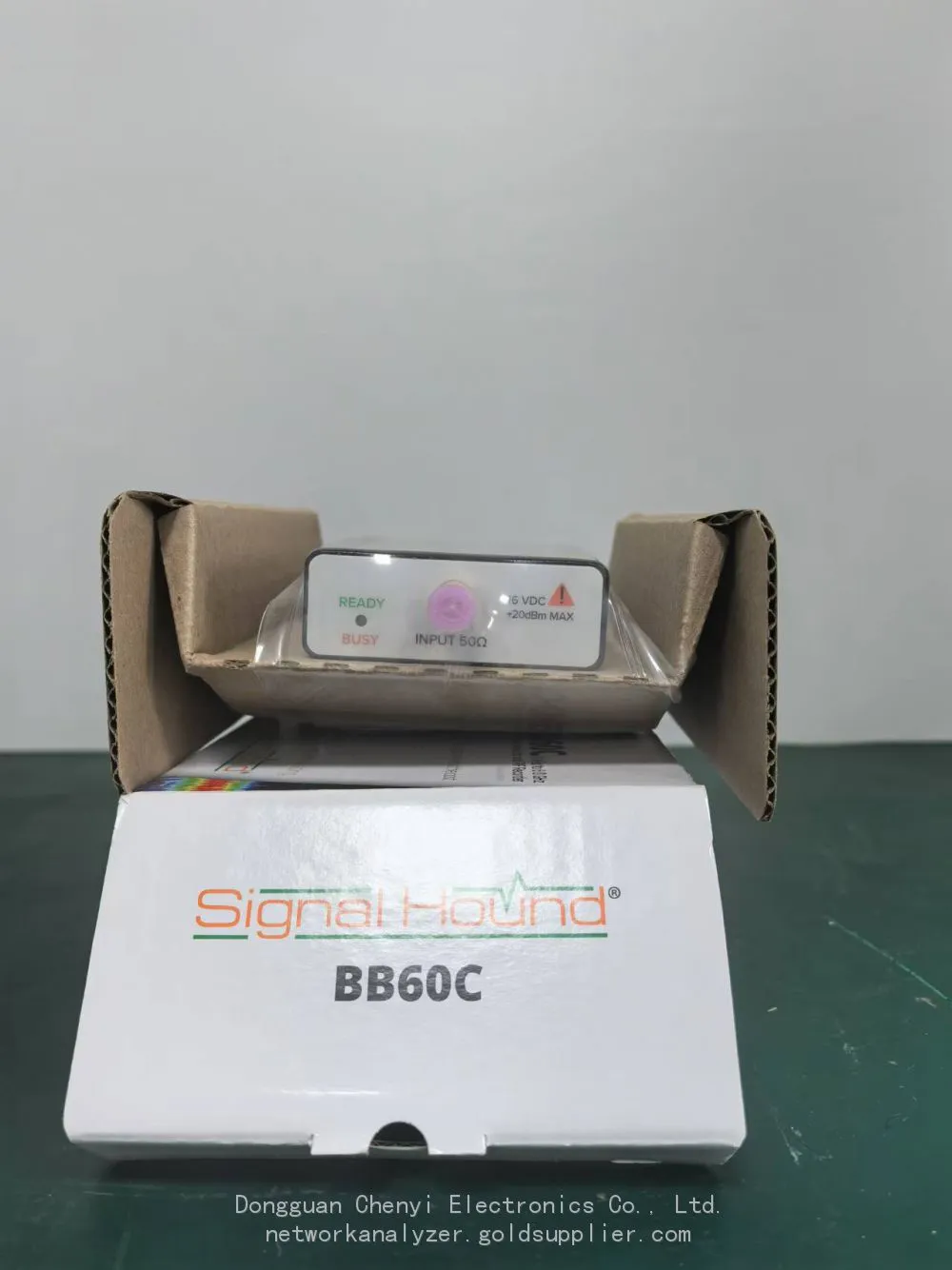
The Signal Hound BB60A has long been a classic portable real-time spectrum analyzer favored by global RF engineers for its cost performance and basic professional functions. To meet the increasingly high-precision and harsh environment testing needs of modern wireless communication, IoT, and EMI testing industries, Signal Hound launched the upgraded BB60C model, which has achieved comprehensive upgrades in core performance parameters, environmental adaptability, and signal processing capabilities. For users who are upgrading equipment, purchasing new instruments, or comparing old and new models, it is crucial to fully understand the key differences between BB60C and BB60A. This article comprehensively compares the two models from SFDR performance, noise floor stability, temperature adaptability, signal detection capability, and practical application scenarios, helping global buyers make accurate purchasing decisions.
The most core performance upgrade of BB60C compared with BB60A is the significant improvement of spurious-free dynamic range (SFDR). The BB60A has excellent basic dynamic range performance, but in high-precision weak signal detection and strong interference environment testing, internal spurious signals will affect test accuracy. The BB60C optimizes the internal circuit design and signal filtering algorithm, with a typical SFDR improvement of 20 dB. This upgrade greatly suppresses internal harmonic spurious signals and intermodulation spurious signals, enabling the BB60C to accurately detect weak target signals under strong background signal interference. In scenarios such as adjacent-channel signal testing, low-power IoT signal detection, and EMI weak radiation signal analysis, the BB60C’s test accuracy is far higher than that of the BB60A, completely avoiding false detection and missing detection caused by spurious signals.
Noise floor flatness is another key optimization point of the BB60C. The BB60A has a slight noise floor fluctuation in different frequency bands, and the noise floor will rise significantly in partial frequency band transitions, affecting the consistency of full-band test data. The BB60C carries out full-band noise suppression optimization, reducing the frequency band transition noise by more than 8 dB, realizing a highly flattened full-band noise floor. This means that whether testing low-frequency 1 Hz industrial signals or high-frequency 6 GHz wireless communication signals, the BB60C can maintain consistent ultra-low noise floor performance, ensuring uniform test sensitivity across the entire frequency range. For users who need full-band scanning and comparative analysis of multi-frequency-band signals, this optimization greatly improves the authenticity and comparability of test data.
In terms of environmental adaptability, the BB60C has achieved a breakthrough upgrade compared with the BB60A. The operating temperature range of the BB60A is 0°C to +70°C, which can only meet conventional indoor and mild outdoor testing environments. The BB60C extends the operating temperature range to -40°C to +85°C, covering extreme low-temperature and high-temperature working scenarios. It can operate stably in low-temperature environments such as northern winter field tests and alpine laboratory low-temperature calibration, as well as high-temperature environments such as summer outdoor high-temperature exposure and industrial workshop high-temperature operation. In addition, the BB60C optimizes the internal temperature resistance components and structural stability, with stronger vibration resistance and humidity resistance, and more stable long-term operation in harsh industrial and field environments, while the BB60A is prone to data drift and equipment failure in extreme environments.
In terms of real-time signal processing capability, the BB60C has been subtly optimized in signal capture speed and data processing accuracy based on the BB60A. Both models support 1 Hz–6 GHz frequency range and 160 MHz real-time analysis bandwidth, but the BB60C adopts a new generation of signal processing chips and optimized algorithms, with faster transient signal response speed and higher signal demodulation accuracy. For ultra-short pulse signals, intermittent burst signals, and low-duty-cycle interference signals that are difficult to capture, the BB60C has a higher capture rate and more accurate signal parameter analysis results. In high-speed dynamic spectrum monitoring scenarios such as 5G signal dynamic testing and high-frequency wireless equipment debugging, the BB60C’s signal processing performance is more prominent.
In terms of software adaptation and expandability, both BB60C and BB60A support Spike professional software, but the BB60C is compatible with the latest upgraded software functions. The new software version adds more intelligent signal analysis algorithms, automatic interference source positioning functions, and diversified data export formats, and optimizes the secondary development API interface, making system integration more convenient. The BB60A can only adapt to the basic version of the software and cannot support the latest advanced intelligent analysis functions. For users who need automated testing system integration and intelligent data analysis, the BB60C has stronger expandability.
In terms of application scenario differentiation, the BB60A is more suitable for conventional indoor laboratory testing, general wireless signal debugging, and teaching experiment scenarios with low environmental requirements and conventional precision requirements. The BB60C, with its upgraded high precision and extreme environmental adaptability, is suitable for high-precision EMI compliance testing, outdoor field spectrum monitoring, extreme environment equipment testing, 5G high-precision signal analysis, and industrial high-reliability testing scenarios. For professional testing institutions, communication engineering teams, and high-tech enterprise R&D departments with high testing standards, the BB60C is more in line with long-term professional use needs.
In terms of price and cost performance, the BB60C has a slight price increase compared with the BB60A, but considering the comprehensive performance upgrades and expanded application scenarios, its long-term use cost performance is higher. The BB60C has lower failure rate in harsh environments, more accurate test data, and wider application range, which can cover more testing projects and create higher use value for users. For users with limited budget and only conventional indoor testing needs, the BB60A is still a cost-effective choice; for users pursuing high precision, high stability, and multi-scenario adaptation, the BB60C is a more worthy upgraded choice.
Overall, the Signal Hound BB60C is a comprehensive upgraded version of the BB60A, with essential improvements in core signal performance, environmental adaptability, and functional expandability. It makes up for all the performance shortcomings of the BB60A in high-precision testing and harsh environment applications, and is the updated mainstream model for modern professional RF spectrum analysis.
Recently Posted
-
Field Spectrum Monitoring & Interference Hunting: BB60C Professional Solution
July 9, 2026Field Spectrum Monitoring & Interference Hunting: BB60C Professional SolutionSpectrum resource monitoring and wireless interfe Read More
 -
Industrial IoT Wireless Testing: BB60C for LoRa/ZigBee/NB-IoT Signal Analysis
July 9, 2026Industrial IoT Wireless Testing: BB60C for LoRa/ZigBee/NB-IoT Signal AnalysisWith the rapid development of industrial Internet of Read More
 -
BB60C for 5G & Wi-Fi Testing: Modern Wireless Network Optimization Tool
July 9, 2026BB60C for 5G & Wi-Fi Testing: Modern Wireless Network Optimization ToolWith the large-scale popularization of 5G communi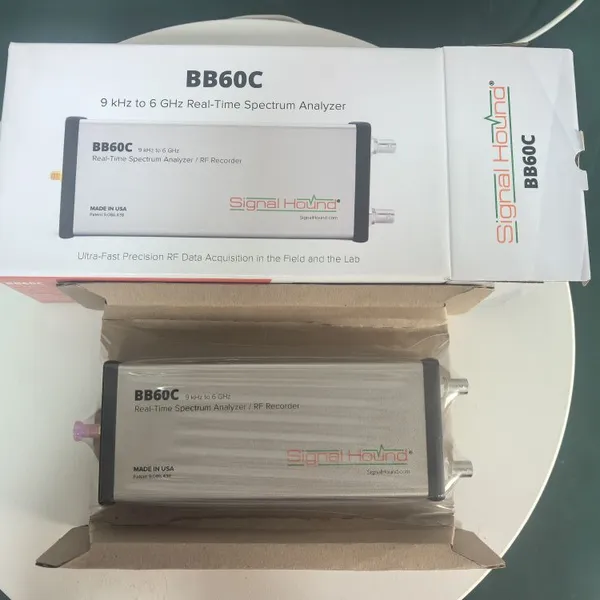 Read More
 -
BB60C for EMI/EMC Testing: Professional Electromagnetic Compatibility Analysis Solution
July 9, 2026BB60C for EMI/EMC Testing: Professional Electromagnetic Compatibility Analysis SolutionWith the increasingly strict international
Read More

Contact Us
Recommended Products
-
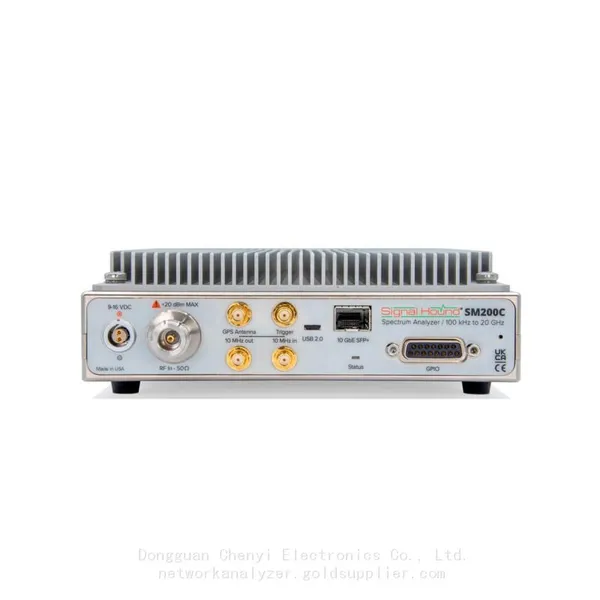
 Signal Hound SM200C 100 KHz to 20 GHz Real-time Spectrum Analyzer With 10GbE Monitoring ReceiversNegotiableMOQ: 1 Unit
 -
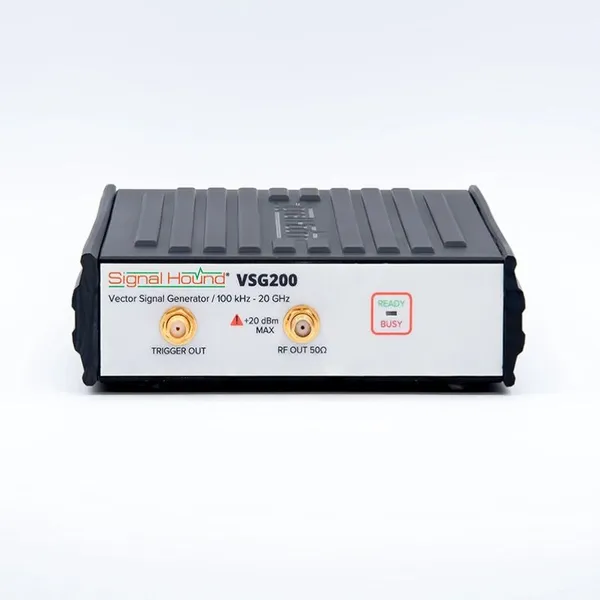
Signal Hound VSG200 Vector Signal Generator 100 KHz to 20 GHzNegotiableMOQ: 1 Unit
-
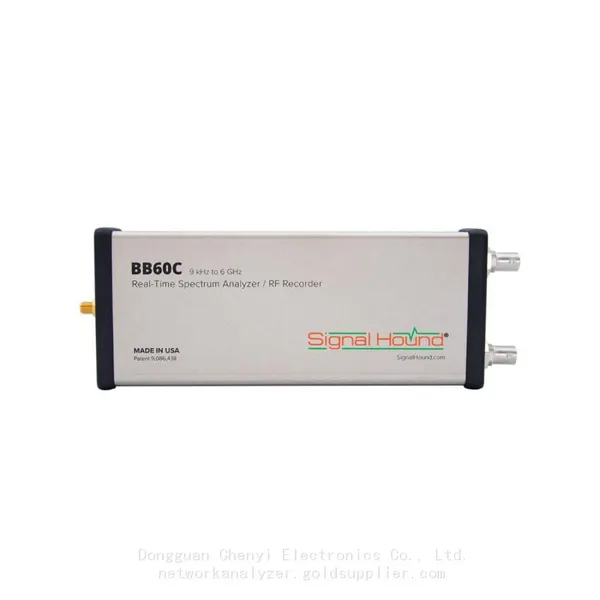
Signal Hound BB60C 9 KHz to 6 GHz Real-time Spectrum AnalyzerNegotiableMOQ: 1 Unit
-
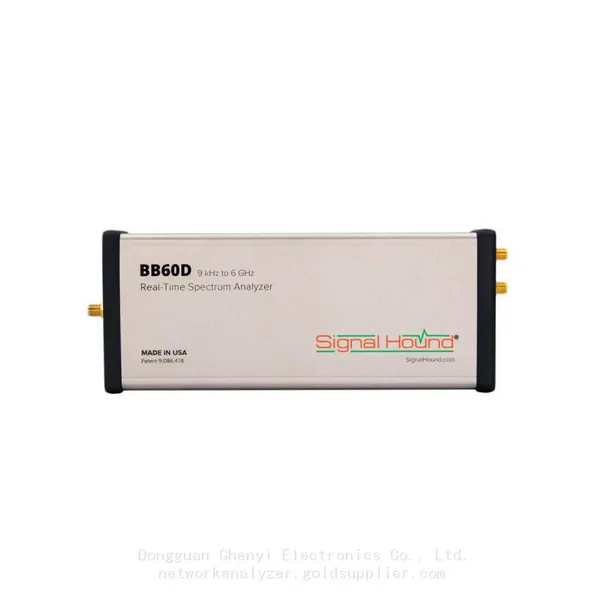
Signal Hound BB60D 9 KHz to 6 GHz Real-time Spectrum AnalyzerNegotiableMOQ: 1 Unit
-
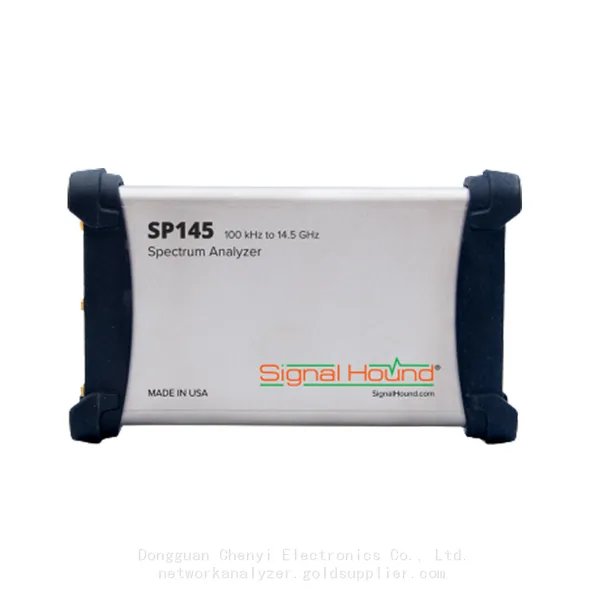
Signal Hound SP145 100 KHz to 14.5 GHz Real-time Spectrum Analyzer Monitoring ReceiversNegotiableMOQ: 1 Unit
-
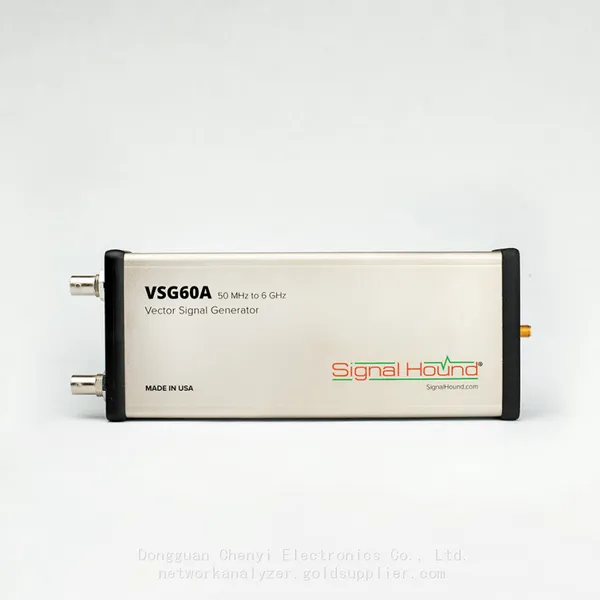
Signal Hound VSG60A 50 MHz to 6 GHz GHz Vector Signal GeneratorNegotiableMOQ: 1 Unit
-
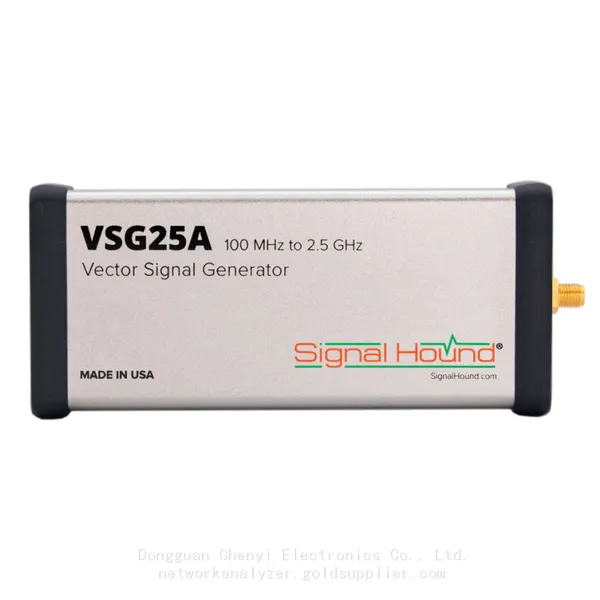
Signal Hound VSG25A 100 MHz to 2.5 GHz Vector Signal GeneratorNegotiableMOQ: 1 Unit
-
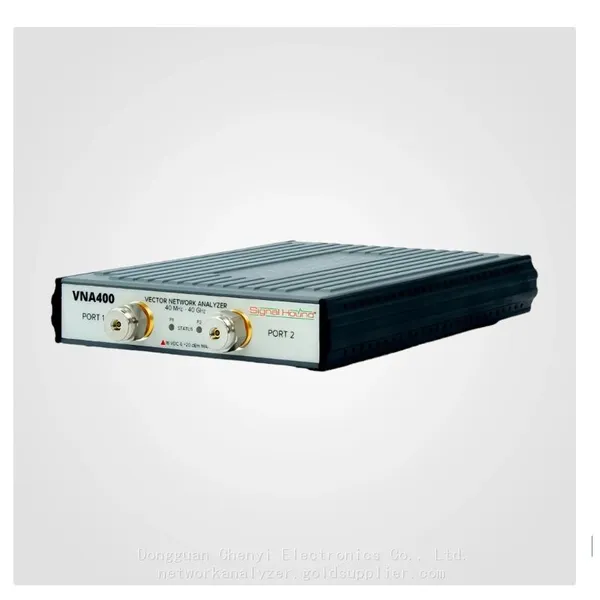
Signal Hound VNA400 40 MHz to 40 GHz 2-port Vector Network AnalyzerNegotiableMOQ: 1 Unit
-
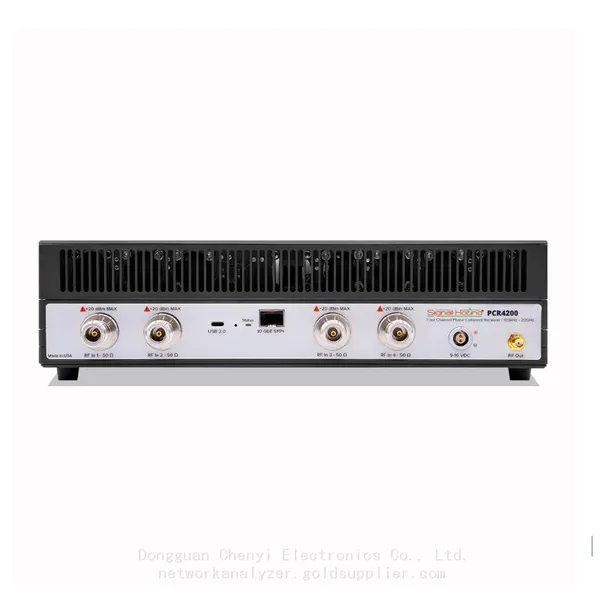
Signal Hound PCR4200 100 KHz to 20 GHz Four-Channel Phase Coherent ReceiverNegotiableMOQ: 1 Unit
-
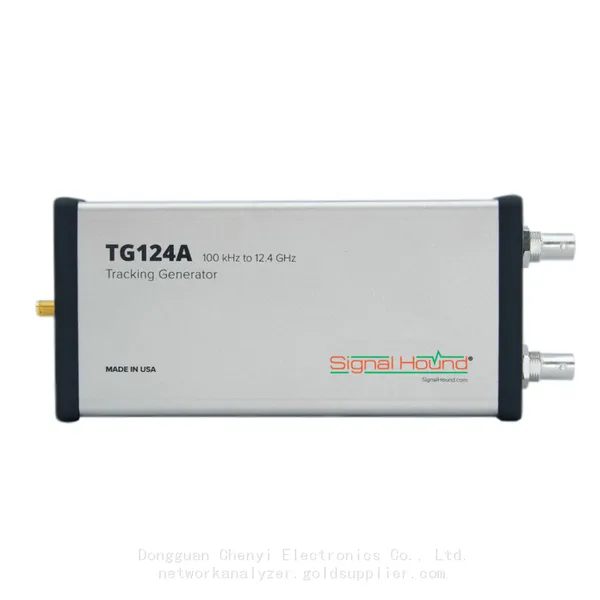
Signal Hound TG124A 100 KHz to 12.4 GHz Tracking GeneratorNegotiableMOQ: 1 Unit
-
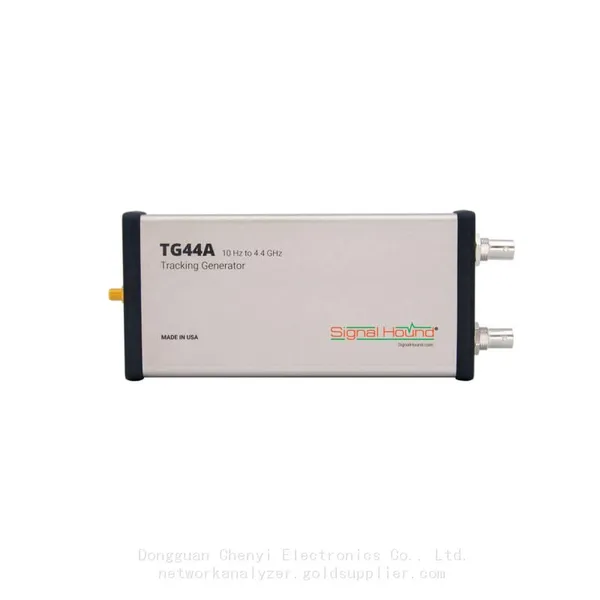
Signal Hound TG44A 10 Hz to 4.4 GHz t Tracking GeneratorNegotiableMOQ: 1 Unit
-
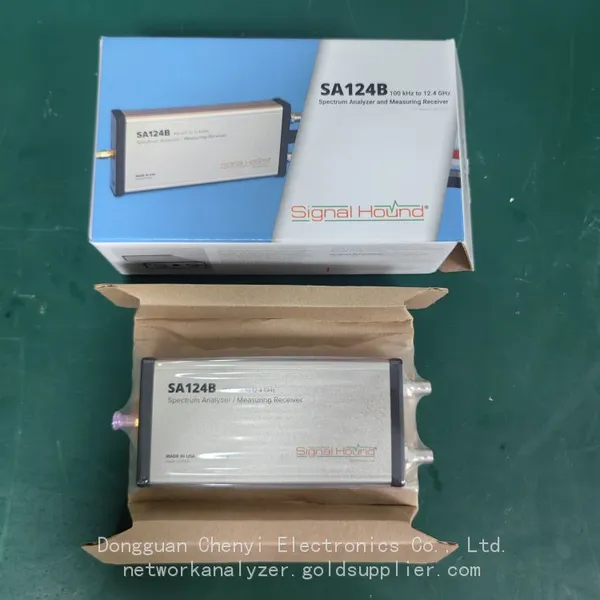
Signal Hound SA124B 100 KHz to 12.4 GHz Spectrum AnalyzerNegotiableMOQ: 1 Unit
-
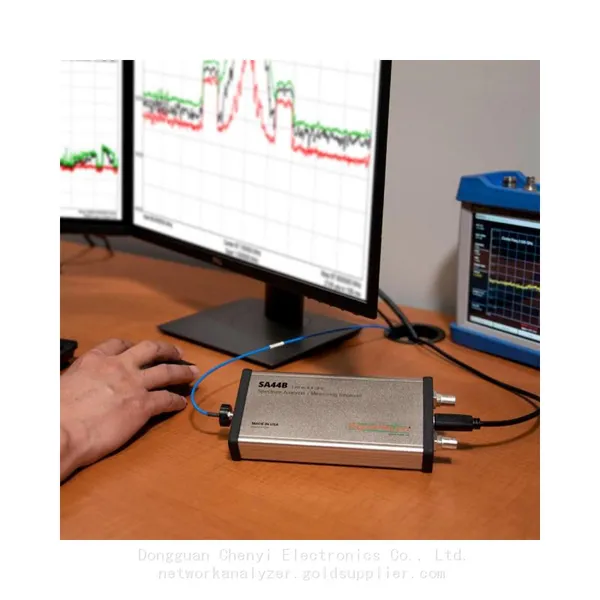
Signal Hound SA44B 1 Hz to 4.4 GHz Spectrum AnalyzerNegotiableMOQ: 1 Unit
-
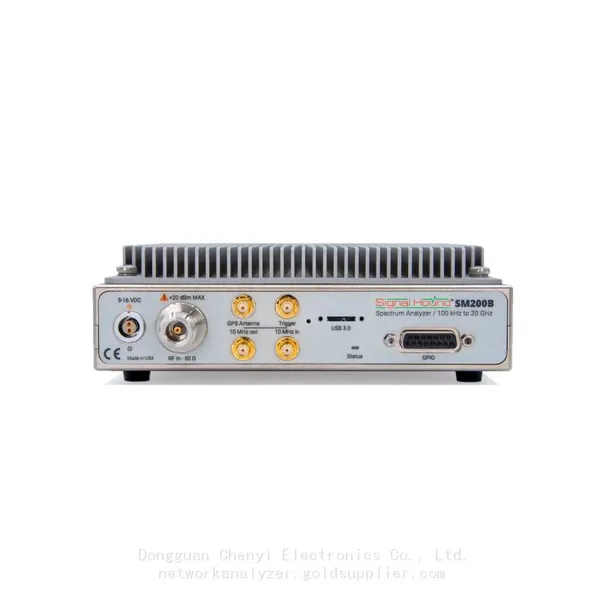
Signal Hound SM200B 100 KHz to 20 GHz Real-time Spectrum Analyzer Monitoring ReceiversNegotiableMOQ: 1 Unit
-
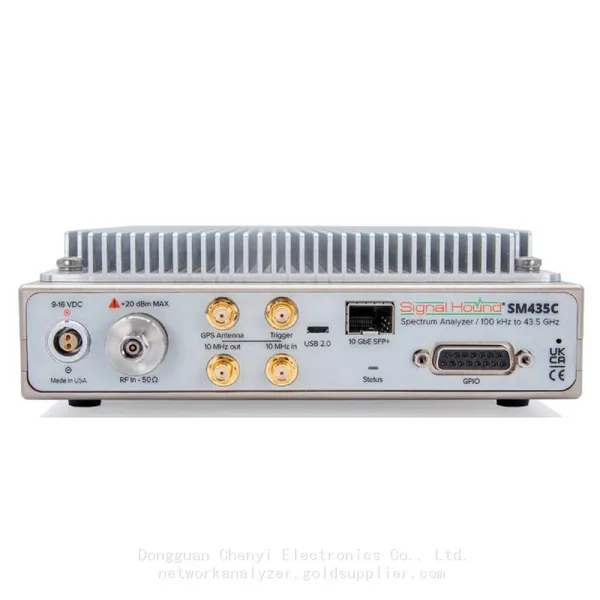
Signal Hound SM435C 100 KHz to 43.5GHz Real-time Spectrum Analyzer With 10GbE Monitoring ReceiversNegotiableMOQ: 1 Unit
-
Signal Hound SM435B 100 KHz to 43.5GHz Real-time Spectrum Analyzer Monitoring ReceiversNegotiableMOQ: 1 Unit
-
Signal Hound PN400 Phase Noise and VCO Test System 100 KHz to 43.5 GHzNegotiableMOQ: 1 Unit
-
Keysight E4980A Precision LCR Meter 20 Hz to 2 MHzNegotiableMOQ: 1 Unit
-
Keysight E4980B and E4980BL Precision LCR Meter 20 Hz to 2 MHzNegotiableMOQ: 1 Unit
-
Keysight U1733C Handheld LCR Meter 100Hz 120Hz 1kHz 10kHz 100kHzNegotiableMOQ: 1 Unit