
 Business License

Signal Hound PCR4200: In-Depth Application Scenarios in the Aerospace Field
Signal Hound PCR4200: In-Depth Application Scenarios in the Aerospace Field
The aerospace field is characterized by stringent requirements for signal reliability, environmental adaptability, and spectrum security, with core systems such as radar, satellite communication, avionics, and electronic warfare relying heavily on high-precision RF signal analysis. The Signal Hound PCR4200, a high-performance portable spectrum analyzer with a 9 kHz to 42 GHz frequency range, 2 GHz real-time bandwidth, and MIL-STD-810G compliance, is uniquely positioned to address the complex testing needs of aerospace applications. Its rugged design, exceptional sensitivity, and seamless integration with professional analysis software make it an indispensable tool across the entire aerospace product lifecycle—from R&D and production validation to on-orbit/flight testing and maintenance. Below is an in-depth exploration of its key application scenarios in this field.
1. Radar System Testing: From Component Validation to Operational Performance Verification
Radar systems are the "eyes" of aerospace platforms, including airborne early warning radar, missile guidance radar, synthetic aperture radar (SAR), and phased array radar for satellites. Their performance directly determines the platform’s detection, tracking, and combat capabilities. The PCR4200 provides comprehensive testing support for radar systems across multiple stages, addressing the core requirements of signal integrity, anti-interference capability, and environmental adaptability.
In component R&D and validation, the PCR4200 is used to test key radar components such as transmitters, receivers, and antenna units. For example, in the development of phased array radar transceivers, the analyzer’s wide frequency coverage (up to 42 GHz) and high sensitivity (-170 dBm/Hz at 1 GHz) enable precise measurement of parameters like output power, phase noise, and harmonic distortion. This ensures that each transceiver module meets the strict linearity and stability requirements of phased array systems. For radar antennas, especially the widely adopted flat-panel phased array antennas in low-orbit satellites, the PCR4200 supports active testing in near-field OTA (Over-The-Air) environments, verifying beamforming accuracy, beam switching efficiency, and gain uniformity—critical indicators for ensuring dynamic communication and target detection performance.
In system-level performance testing, the PCR4200 excels at analyzing radar waveform characteristics and evaluating anti-interference capabilities. It can capture and analyze complex radar signals such as pulse Doppler, frequency-modulated continuous wave (FMCW), and pulsed compression waveforms, with its 2 GHz real-time bandwidth ensuring complete capture of wideband radar signals. Engineers use the analyzer to measure key system-level parameters, including pulse width, repetition frequency, modulation depth, and clutter suppression ratio. In anti-interference testing, the PCR4200 simulates typical jamming signals (e.g., narrowband noise, pulse jamming, and digital radio frequency memory (DRFM) deception jamming), helping to verify the radar’s filtering algorithms and anti-jamming performance. This is particularly critical for military radar systems that must operate reliably in contested electromagnetic environments.
In environmental adaptability testing, the PCR4200’s rugged design (compliant with MIL-STD-810G for shock and vibration resistance) and wide operating temperature range (-10°C to 55°C) allow it to work seamlessly in harsh test environments. For example, in humidity resistance testing of airborne radar signal processing modules (in accordance with GJB 150.3A-2009 or RTCA DO-160 standards), the analyzer can be deployed in constant humidity chambers (40°C/95% RH) to continuously monitor signal integrity over 72-hour tests. It detects parameter drifts caused by moisture absorption, such as increased bit error rates (BER > 10⁻⁶) or ADC sampling errors, helping engineers optimize PCB moisture-proof processes (e.g., three-proof paint coating or vacuum potting) to ensure reliable operation in tropical or high-humidity combat zones.
2. Satellite Communication System Testing: Covering Full-Lifecycle Validation from Ground to Orbit
Satellite communication systems, including low-orbit (LEO) constellations, medium-high orbit satellites, and ground stations, require stable and secure RF links to support tasks such as military command, remote sensing, and navigation. The PCR4200’s high-frequency coverage (up to 42 GHz) and precise signal measurement capabilities make it suitable for full-lifecycle testing of satellite communication systems, addressing challenges such as Doppler frequency shift, short overpass time, and dynamic channel environments.
In ground-based component and terminal testing, the PCR4200 is used to validate the performance of satellite payloads, transceivers, and user terminals. For LEO satellite payloads operating in millimeter-wave bands (24–42 GHz), the analyzer’s optional waveguide adapter enables accurate measurement of EVM (Error Vector Magnitude), NPR (Noise Power Ratio), and spectral mask compliance—key indicators for ensuring compatibility with 5G NTN (Non-Terrestrial Network) standards. For ground station terminals, the PCR4200 tests signal transmission quality, measuring parameters such as SNR (Signal-to-Noise Ratio), phase noise, and adjacent channel leakage ratio (ACLR) to ensure that ground-satellite communication links meet the requirements of high-speed data transmission.
In end-to-end system simulation and AIT (Assembly, Integration, and Test) testing, the PCR4200 plays a critical role in verifying system-level performance before satellite launch. It participates in multi-node signal validation, simulating dynamic channel conditions such as time-varying Doppler frequency shifts and multi-path fading. By integrating with channel simulators, the analyzer helps reproduce real-world satellite orbital trajectories (e.g., using robotic arms to simulate satellite movement) in the laboratory, allowing engineers to evaluate link stability under high-dynamic conditions. Additionally, for LEO satellites with short overpass times (only a few minutes), the PCR4200’s fast data acquisition capability and time synchronization function ensure efficient and accurate data collection, with test data aligned to absolute time and mapped to ephemeris time—addressing core technical challenges in satellite calibration.
In on-orbit testing and interference monitoring, the PCR4200 is deployed in mobile ground stations to monitor satellite downlink signals in real time. It detects and locates interference sources (e.g., malicious jamming or co-channel interference) that may affect satellite communication, leveraging its high sensitivity to identify weak abnormal signals. For example, in LEO constellation on-orbit validation, the analyzer measures key parameters such as signal power, frequency stability, and modulation quality, verifying whether the satellite’s on-orbit performance meets design specifications. Its portability allows for flexible deployment in remote areas (e.g., deserts or oceans) to support on-orbit testing of satellites covering global regions.
3. Avionics System Testing and EMC Compliance: Ensuring Flight Safety and System Compatibility
Avionics systems (e.g., GPS navigation, VHF/UHF communication, and tactical data links like Link 16) are critical to flight safety and mission success. These systems must comply with strict EMC (Electromagnetic Compatibility) standards to avoid mutual interference. The PCR4200’s versatility and portable design make it an ideal tool for avionics EMC testing and in-flight performance monitoring.
In EMC testing of avionics equipment, the PCR4200 is used to detect electromagnetic interference (EMI) and verify electromagnetic susceptibility (EMS) in accordance with standards such as RTCA DO-160 and GJB 150. It measures the intensity and frequency of radiated emissions from avionics components (e.g., flight control computers, radar altimeters) to ensure they do not exceed regulatory limits and interfere with other systems (e.g., navigation or communication). For example, during EMC testing of airborne radar systems, the analyzer detects spurious emissions outside the radar’s operating band, preventing interference with GPS signals and ensuring navigation accuracy. Additionally, the PCR4200 can inject controlled interference signals to test the EMS of avionics systems, verifying their ability to maintain normal operation in complex electromagnetic environments.
Inin-flight performance monitoring and troubleshooting, the PCR4200’s portability and USB-powered design enable on-board deployment (with appropriate safety modifications) to monitor avionics signals in real time. It helps identify intermittent interference issues that may occur only during flight, such as interference from engine electrical systems or external RF sources. For example, if a military aircraft experiences communication dropouts during flight, the PCR4200 can quickly measure the signal quality of the tactical data link, locate the interference source (e.g., a faulty inverter or external jamming), and support on-site troubleshooting to ensure mission continuity. Its compatibility with Spike® software allows for real-time data logging and post-flight analysis, facilitating the optimization of avionics system performance.
4. Electronic Warfare (EW) and Battlefield Spectrum Management: Gaining Tactical Electromagnetic Superiority
In modern aerospace warfare, electromagnetic spectrum dominance is critical. Electronic warfare systems (e.g., jammers, electronic reconnaissance equipment) and spectrum management tools rely on real-time, accurate RF signal analysis to detect, identify, and counter enemy electromagnetic activities. The PCR4200’s high sensitivity, wide frequency coverage, and real-time monitoring capabilities make it a key asset for electronic warfare and battlefield spectrum management.
In electronic reconnaissance and signal intelligence (SIGINT), the PCR4200 is used to detect and identify enemy RF signals, including radar, communication, and jamming signals. Its wide frequency range (9 kHz to 42 GHz) covers most military RF bands, while its high sensitivity (-170 dBm/Hz at 1 GHz) enables the detection of weak signals at long distances. The analyzer can demodulate and characterize captured signals, extracting parameters such as modulation type (PSK, QAM, FM), carrier frequency, and pulse characteristics to identify the type and location of enemy equipment. For example, in battlefield surveillance, the PCR4200 can be deployed in mobile vehicles or UAVs to conduct wide-area spectrum scanning, building a real-time map of the electromagnetic environment and providing intelligence support for tactical decision-making.
In jamming effectiveness evaluation and spectrum countermeasures, the PCR4200 tests the performance of friendly jamming systems, verifying their ability to suppress enemy signals. It measures the jamming signal’s power, bandwidth, and coverage, evaluating whether it effectively disrupts enemy communication or radar systems without interfering with friendly forces’ electromagnetic activities. Additionally, the analyzer helps optimize jamming strategies by analyzing the enemy’s spectrum usage patterns, identifying unused frequency bands or weak points in their electromagnetic defenses. In dynamic battlefield environments, the PCR4200’s real-time monitoring capability allows for rapid adjustment of jamming parameters to adapt to changes in the enemy’s electromagnetic tactics.
In battlefield spectrum management, the PCR4200 supports the planning and allocation of spectrum resources, ensuring that multiple aerospace systems (e.g., radar, communication, navigation) can coexist without interference. It monitors spectrum occupancy in real time, measuring indicators such as frequency time occupancy, pulse flow density, and interference field strength—key metrics for evaluating the complexity of the electromagnetic environment. By providing real-time spectrum data, the analyzer helps commanders dynamically adjust frequency assignments, resolve spectrum conflicts, and maximize the efficiency of spectrum resource utilization, ensuring the smooth operation of all C4ISR (Command, Control, Communications, Computers, Intelligence, Surveillance, and Reconnaissance) systems.
Conclusion
The Signal Hound PCR4200’s unique combination of wide frequency coverage, high sensitivity, rugged design, and portability makes it an indispensable tool in the aerospace field. From radar system validation and satellite communication testing to avionics EMC compliance and electronic warfare support, it addresses the diverse and stringent testing needs of aerospace systems across their entire lifecycle. By enabling precise, real-time RF signal analysis in both laboratory and harsh field environments, the PCR4200 helps improve the reliability, safety, and combat effectiveness of aerospace platforms, while reducing testing costs and shortening development cycles. As aerospace technologies continue to evolve—with trends such as LEO constellation expansion, millimeter-wave radar adoption, and intelligent electronic warfare—the PCR4200 will remain a critical enabler, supporting the advancement of next-generation aerospace systems.
Recently Posted
-
Software-Defined Instruments: How USB Spectrum Analyzers Are Changing the RF Testing Industry
August 17, 20261. The Benchtop Instrument That Would Not Fit in a Carry-OnAn RF field engineer arrived at a remote cell site in a mountainous reg Read More
 -
Spectrum Monitoring Solutions for Broadcast Radio and Television Transmission Stations
August 17, 20261. When a 50 kW FM Transmitter Goes SilentA regional FM broadcaster serving roughly 2 million listeners lost its main transmitter Read More
 -
Understanding Spectrum Analyzer Key Specifications: DANL, Phase Noise, TOI, and RBW
August 14, 20261. The Specification That Cost Two Weeks of DebuggingAn RF design team spent two weeks trying to measure the third harmonic of a 2 Read More
 -
Real-Time Spectrum Analyzer vs Traditional Swept Spectrum Analyzer: Which One Fits Modern RF Testing
August 13, 20261. The Purchase Decision That Engineers Keep Getting WrongA test equipment manager at a contract manufacturer ordered three tradit Read More

Contact Us
Recommended Products
-
 Signal Hound SM200C 100 KHz to 20 GHz Real-time Spectrum Analyzer With 10GbE Monitoring ReceiversNegotiableMOQ: 1 Unit
 -
Signal Hound VSG200 Vector Signal Generator 100 KHz to 20 GHzNegotiableMOQ: 1 Unit
-
Signal Hound BB60C 9 KHz to 6 GHz Real-time Spectrum AnalyzerNegotiableMOQ: 1 Unit
-
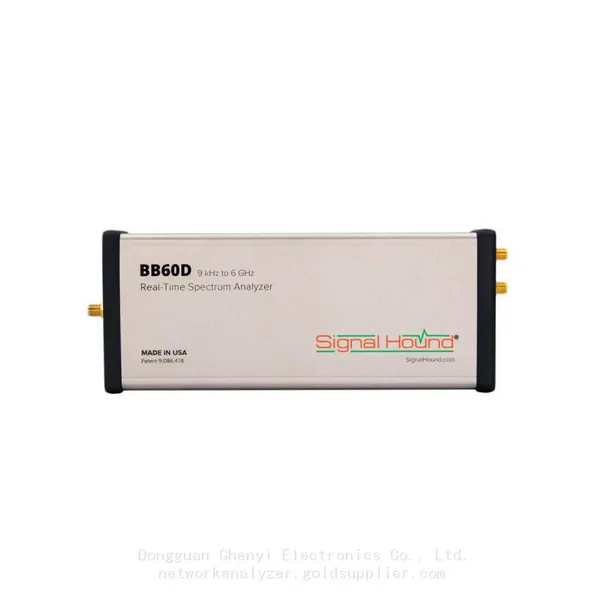
Signal Hound BB60D 9 KHz to 6 GHz Real-time Spectrum AnalyzerNegotiableMOQ: 1 Unit
-
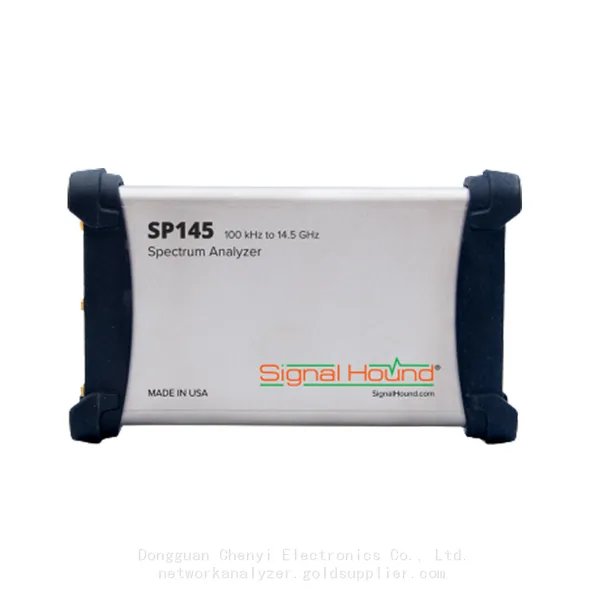
Signal Hound SP145 100 KHz to 14.5 GHz Real-time Spectrum Analyzer Monitoring ReceiversNegotiableMOQ: 1 Unit
-
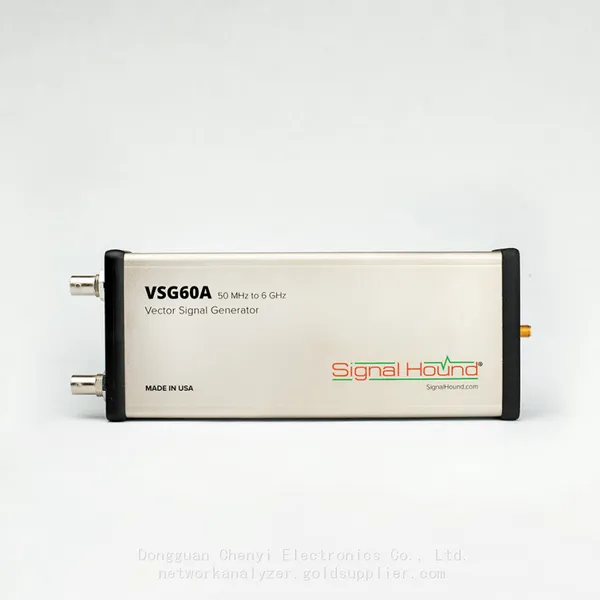
Signal Hound VSG60A 50 MHz to 6 GHz GHz Vector Signal GeneratorNegotiableMOQ: 1 Unit
-
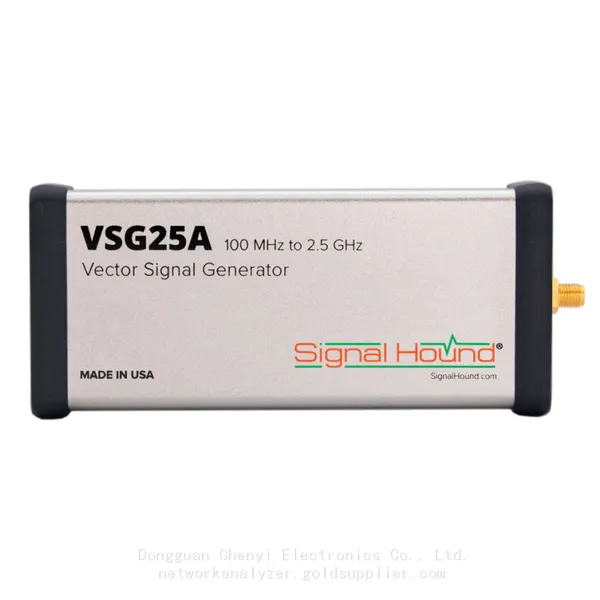
Signal Hound VSG25A 100 MHz to 2.5 GHz Vector Signal GeneratorNegotiableMOQ: 1 Unit
-
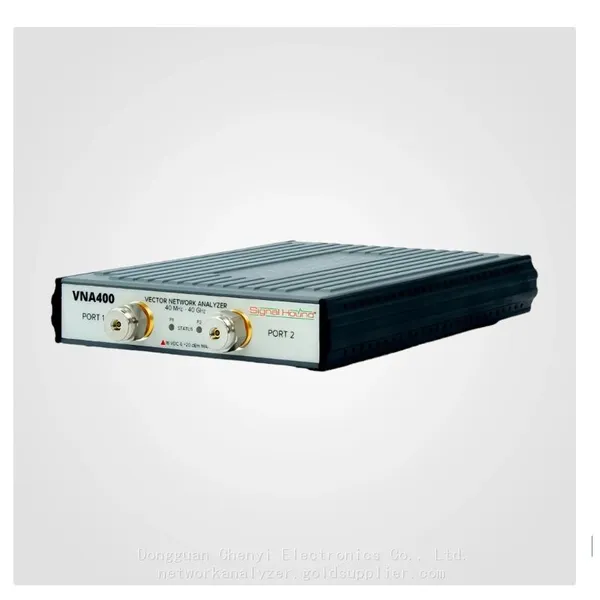
Signal Hound VNA400 40 MHz to 40 GHz 2-port Vector Network AnalyzerNegotiableMOQ: 1 Unit
-
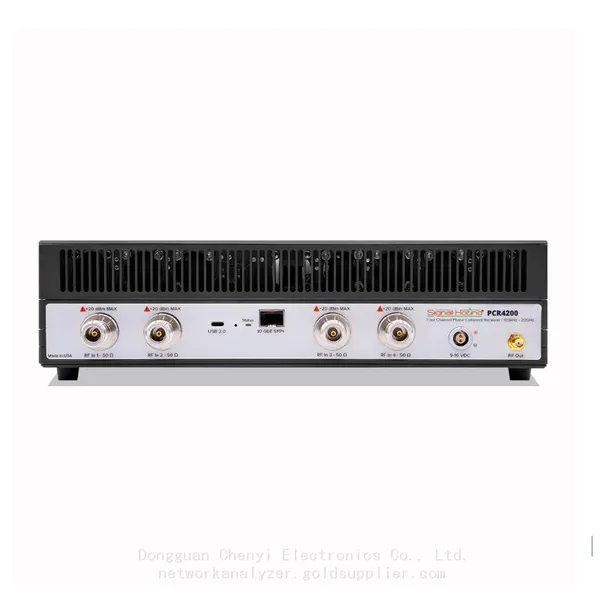
Signal Hound PCR4200 100 KHz to 20 GHz Four-Channel Phase Coherent ReceiverNegotiableMOQ: 1 Unit
-
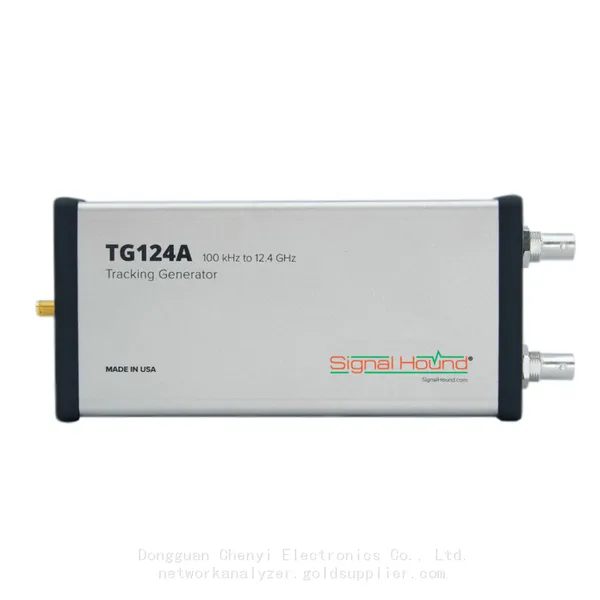
Signal Hound TG124A 100 KHz to 12.4 GHz Tracking GeneratorNegotiableMOQ: 1 Unit
-
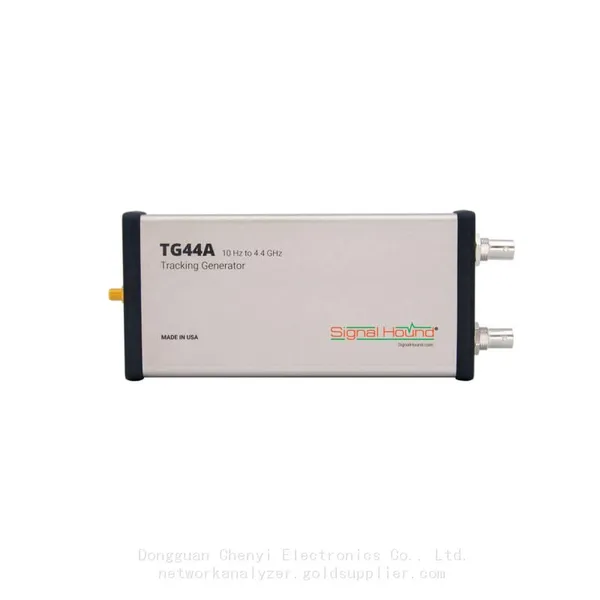
Signal Hound TG44A 10 Hz to 4.4 GHz t Tracking GeneratorNegotiableMOQ: 1 Unit
-
Signal Hound SA124B 100 KHz to 12.4 GHz Spectrum AnalyzerNegotiableMOQ: 1 Unit
-
Signal Hound SA44B 1 Hz to 4.4 GHz Spectrum AnalyzerNegotiableMOQ: 1 Unit
-
Signal Hound SM200B 100 KHz to 20 GHz Real-time Spectrum Analyzer Monitoring ReceiversNegotiableMOQ: 1 Unit
-
Signal Hound SM435C 100 KHz to 43.5GHz Real-time Spectrum Analyzer With 10GbE Monitoring ReceiversNegotiableMOQ: 1 Unit
-
Signal Hound SM435B 100 KHz to 43.5GHz Real-time Spectrum Analyzer Monitoring ReceiversNegotiableMOQ: 1 Unit
-
Signal Hound PN400 Phase Noise and VCO Test System 100 KHz to 43.5 GHzNegotiableMOQ: 1 Unit
-
Keysight E4980A Precision LCR Meter 20 Hz to 2 MHzNegotiableMOQ: 1 Unit
-
Keysight E4980B and E4980BL Precision LCR Meter 20 Hz to 2 MHzNegotiableMOQ: 1 Unit
-
Keysight U1733C Handheld LCR Meter 100Hz 120Hz 1kHz 10kHz 100kHzNegotiableMOQ: 1 Unit