
 Business License

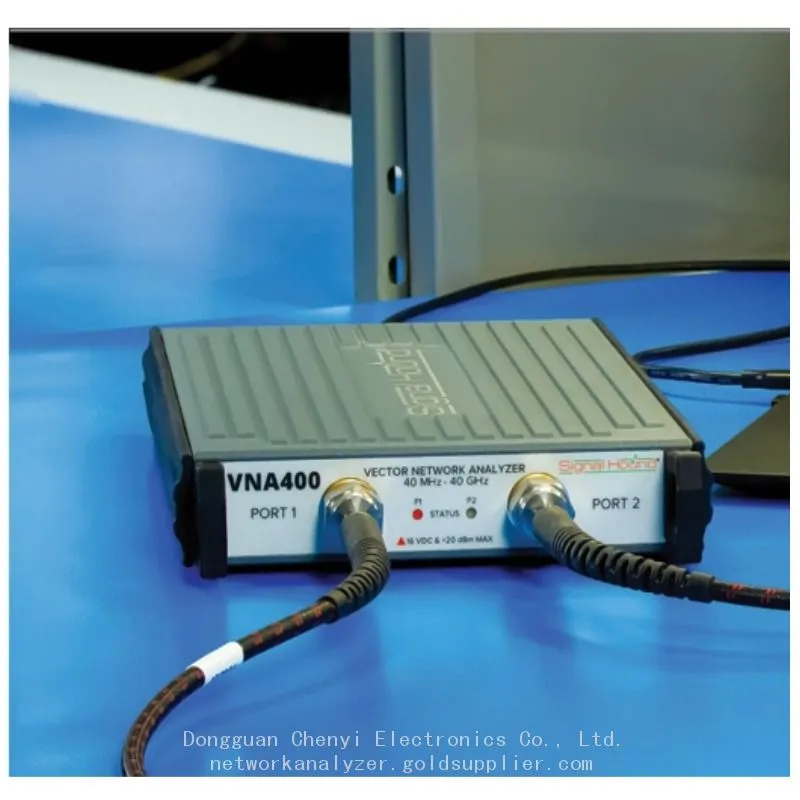
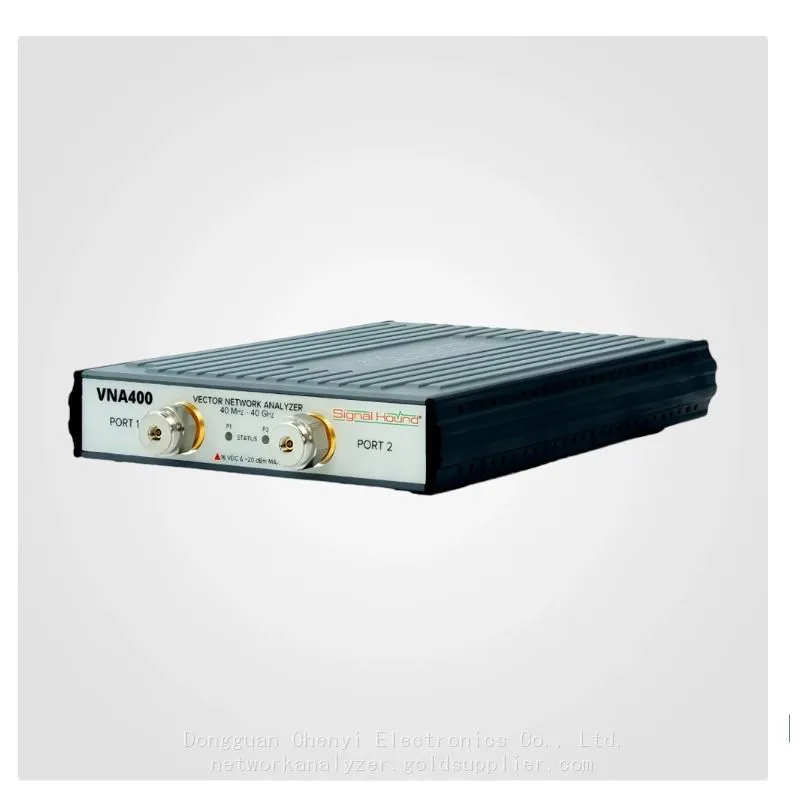
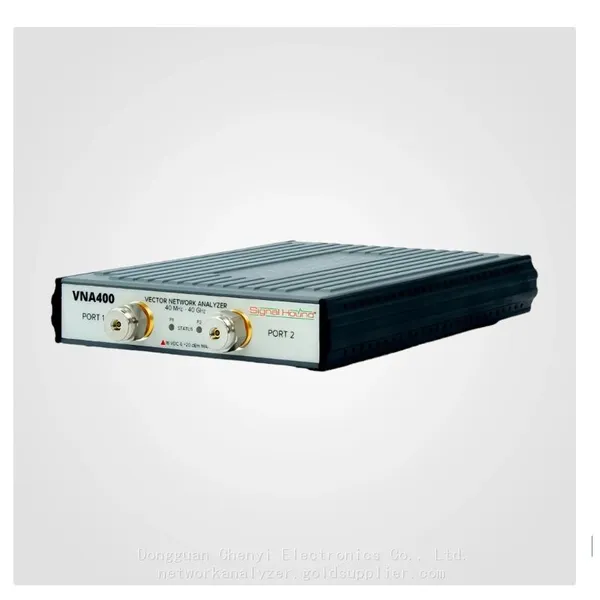
Signal Hound VNA400 : Unmatched Cost-Performance Advantages in Vector Network Analysis
VNA400: Unmatched Cost-Performance Advantages in Vector Network Analysis
Vector Network Analyzers (VNAs) are indispensable tools in RF and microwave engineering, enabling precise characterization of components such as antennas, filters, amplifiers, and transmission lines. However, traditional high-performance VNAs often come with prohibitive price tags, creating barriers for small and medium-sized enterprises (SMEs), academic institutions, and field service teams. The Signal Hound VNA400 redefines the cost-performance paradigm in vector network analysis by delivering professional-grade capabilities at a competitive price point. This article explores the core cost-performance advantages of the VNA400, highlighting how it balances performance, functionality, and affordability to meet the diverse needs of modern RF engineering workflows.
1. Professional-Grade Performance at a Fraction of the Cost of Benchtop Alternatives
A key pillar of the VNA400’s cost-performance advantage lies in its ability to deliver performance metrics comparable to high-end benchtop VNAs, yet at a significantly lower price point. This makes advanced vector network analysis accessible to users who previously could not justify the investment in premium equipment.
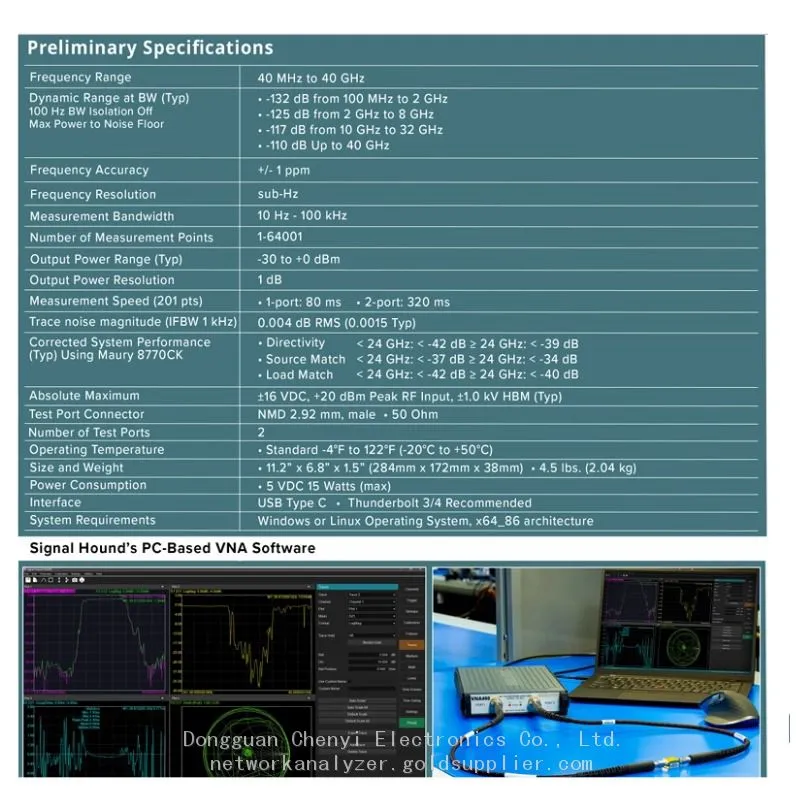
First, the VNA400 offers a wide frequency range that covers the most critical RF and microwave bands for commercial and industrial applications. With a typical frequency coverage of 100 kHz to 40 GHz, it supports testing of components used in 5G (sub-6 GHz and millimeter-wave bands), Wi-Fi 6/7, aerospace & defense systems, and industrial microwave applications. This frequency range matches or exceeds that of many mid-range benchtop VNAs, which often cost two to three times as much. For example, when testing 28 GHz 5G antenna arrays or 30 GHz industrial microwave filters, the VNA400 provides accurate S-parameter measurements (S11, S21, S12, S22) with a dynamic range of up to 120 dB (typical at 1 GHz) and measurement accuracy of ±0.05 dB (amplitude) and ±0.2° (phase)—performance metrics that meet the requirements of most R&D and production testing scenarios.
Second, the VNA400 features fast measurement speed, a critical factor for improving testing efficiency in high-volume production environments. It offers a measurement sweep time as low as 1 ms per point, enabling rapid characterization of components on production lines. This speed is comparable to that of high-end production-grade VNAs but comes at a much lower cost, allowing SMEs to enhance production throughput without making a massive capital investment. Additionally, the VNA400 supports multi-port testing (up to 4 ports with optional configurations), eliminating the need for additional test equipment when characterizing multi-port components such as couplers or phased array antenna modules—further reducing equipment costs.
2. Low Total Cost of Ownership (TCO) Through Versatility and Simplified Operation
The VNA400’s cost-performance advantage extends beyond its initial purchase price to its low total cost of ownership (TCO). This is achieved through its versatile functionality, which eliminates the need for multiple specialized tools, and its user-friendly design, which reduces training and operational costs.
Versatility is a key driver of low TCO. The VNA400 is not just a vector network analyzer; it integrates additional measurement capabilities that are often sold as optional add-ons in competing products. For example, it includes built-in spectrum analyzer functionality, enabling users to perform both network analysis and spectrum monitoring with a single device. This eliminates the need to purchase a separate spectrum analyzer, saving thousands of dollars in equipment costs. Additionally, the VNA400 supports time-domain analysis, impedance measurement, and noise figure measurement (with optional accessories), making it a all-in-one test solution for RF component characterization. For academic institutions, this versatility means that a single VNA400 can support multiple lab courses—from basic RF circuit analysis to advanced antenna design—reducing the need for multiple pieces of expensive equipment.
Simplified operation and seamless software integration further reduce TCO. The VNA400 is fully compatible with Signal Hound’s intuitive Spike® RF analysis software, which provides a user-friendly graphical interface for configuring measurements, visualizing data, and generating reports. Unlike complex software packages from competing vendors, Spike® requires minimal training to master, reducing the time and cost associated with onboarding new users. Additionally, the software supports automation via Python, C/C++, and .NET SDKs, enabling users to streamline testing workflows and reduce manual labor costs in production environments. The VNA400 also features plug-and-play connectivity via USB 3.2 Type-C, eliminating the need for expensive interface cards or complex setup procedures.
3. Portable Design Reduces Deployment Costs for Field and On-Site Testing
Traditional benchtop VNAs are large, heavy, and require AC power, making them impractical for field testing, on-site maintenance, or remote R&D work. The VNA400’s compact and portable design addresses this limitation, reducing deployment costs and expanding the range of applications where it can be used—another key aspect of its cost-performance advantage.
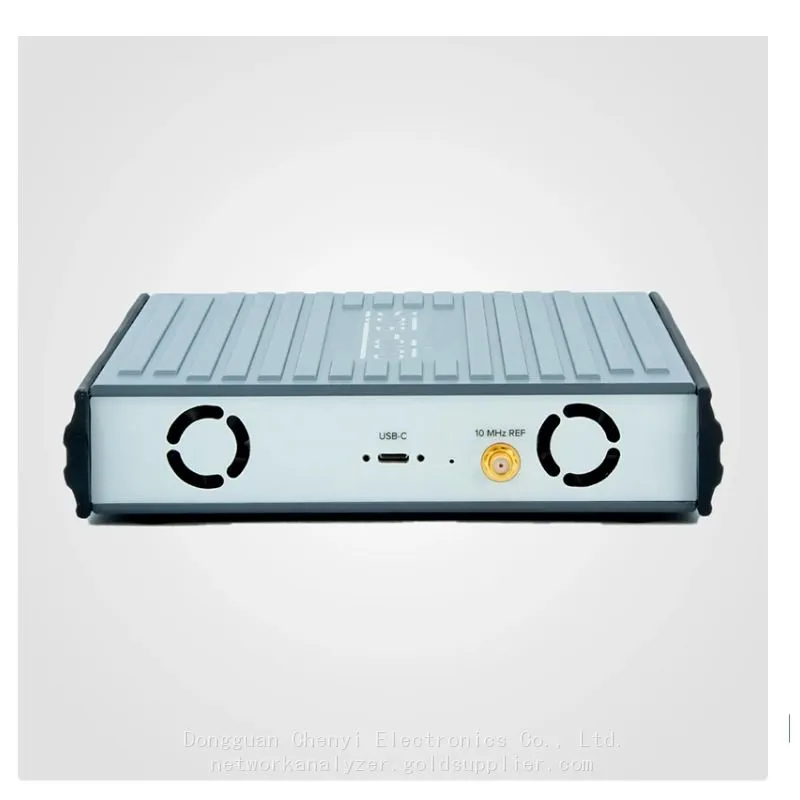
Weighing just 2.5 lbs (1.13 kg) and featuring a compact form factor (9 × 2.5 × 6 inches), the VNA400 is easy to transport to field locations, such as 5G base station sites, aerospace test ranges, or industrial facilities. It can be powered via USB 3.2 Type-C or an optional 12V DC power supply, enabling operation from a laptop or portable power bank—eliminating the need for expensive portable generators or access to AC power. For field service teams tasked with troubleshooting RF components in remote locations, this portability reduces travel and deployment costs, as technicians no longer need to transport heavy benchtop equipment or arrange for power sources on-site.
The VNA400’s rugged design (compliant with MIL-STD-810G for shock and vibration resistance) and wide operating temperature range (-10°C to 55°C) further enhance its value for field testing. It can withstand the harsh conditions often encountered in industrial or aerospace environments, reducing the risk of equipment damage and the associated repair or replacement costs. For example, when testing RF components on offshore wind turbines or in desert-based solar farms, the VNA400’s rugged design ensures reliable performance, eliminating the need for expensive environmental enclosures or protective gear.
4. Scalable Configurations and Cost-Effective Upgrades Support Future Growth
The VNA400’s scalable design allows users to start with a basic configuration that meets their current needs and upgrade to more advanced capabilities as their requirements evolve—avoiding overinvestment in unnecessary features upfront. This scalability is a key component of its long-term cost-performance advantage.
Users can initially purchase the VNA400 with a 2-port configuration for basic component testing (e.g., filters, amplifiers) and later upgrade to a 4-port configuration for testing more complex components (e.g., phased array antennas, multi-port couplers). Additionally, optional upgrades such as extended frequency coverage, noise figure measurement capabilities, and advanced calibration kits are available at a fraction of the cost of purchasing a new VNA. This means that businesses can adapt their test equipment to new technologies (e.g., 6G, advanced IoT) without making a complete capital investment in new hardware.
Signal Hound also offers cost-effective calibration and maintenance services for the VNA400, with annual calibration costs significantly lower than those of competing benchtop VNAs. This ensures that the VNA400 maintains its measurement accuracy over time, extending its service life and maximizing the return on investment (ROI).
Conclusion
The Signal Hound VNA400 redefines cost-performance in vector network analysis by delivering professional-grade performance, versatile functionality, and portable design at a competitive price point. Its ability to match the performance of high-end benchtop VNAs at a fraction of the cost, combined with low TCO, scalable configurations, and suitability for both lab and field use, makes it an ideal solution for SMEs, academic institutions, and field service teams. By eliminating the barriers to entry for advanced RF testing, the VNA400 enables users to enhance their testing capabilities, improve workflow efficiency, and support future growth—all while maximizing their ROI. In a market where performance and cost are often seen as mutually exclusive, the VNA400 proves that high-quality vector network analysis can be accessible and affordable.
Recently Posted
-
Vector Signal Generator Explained: Principles, Architecture, and Core Functions
August 31, 20261. When a Simple Signal Source Is Not EnoughAn R&D team developing a new Wi-Fi 6 access point spent a week validating their re Read More
 -
Software-Defined Instruments: How USB Spectrum Analyzers Are Changing the RF Testing Industry
August 17, 20261. The Benchtop Instrument That Would Not Fit in a Carry-OnAn RF field engineer arrived at a remote cell site in a mountainous reg Read More
 -
Spectrum Monitoring Solutions for Broadcast Radio and Television Transmission Stations
August 17, 20261. When a 50 kW FM Transmitter Goes SilentA regional FM broadcaster serving roughly 2 million listeners lost its main transmitter Read More
 -
Understanding Spectrum Analyzer Key Specifications: DANL, Phase Noise, TOI, and RBW
August 14, 20261. The Specification That Cost Two Weeks of DebuggingAn RF design team spent two weeks trying to measure the third harmonic of a 2 Read More

Contact Us
Recommended Products
-
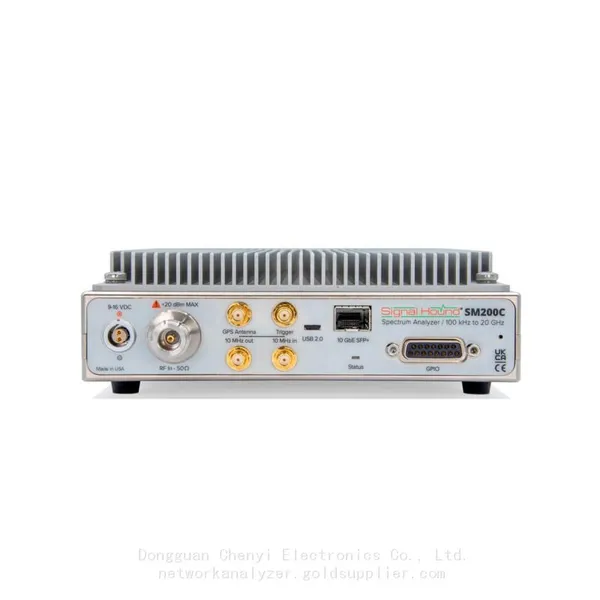
 Signal Hound SM200C 100 KHz to 20 GHz Real-time Spectrum Analyzer With 10GbE Monitoring ReceiversNegotiableMOQ: 1 Unit
 -
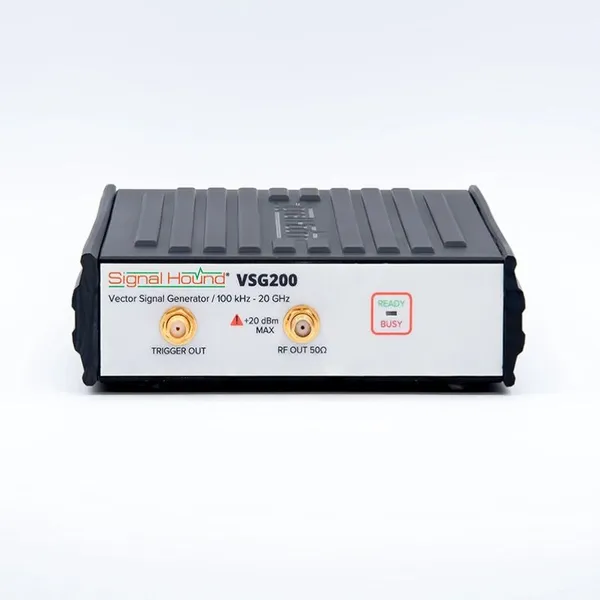
Signal Hound VSG200 Vector Signal Generator 100 KHz to 20 GHzNegotiableMOQ: 1 Unit
-
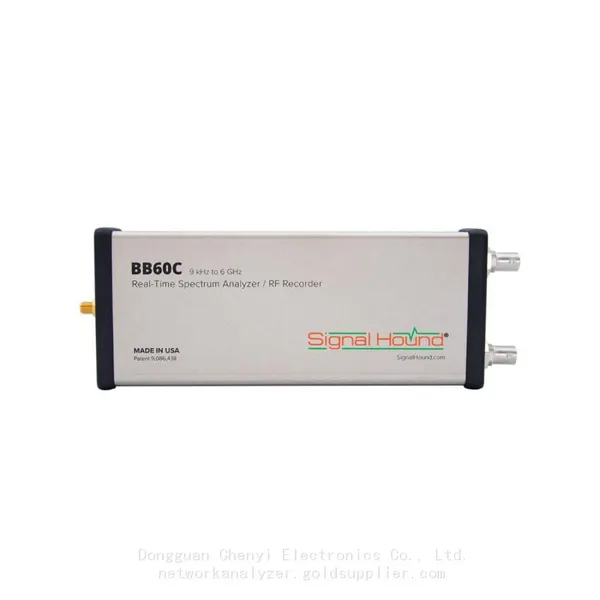
Signal Hound BB60C 9 KHz to 6 GHz Real-time Spectrum AnalyzerNegotiableMOQ: 1 Unit
-
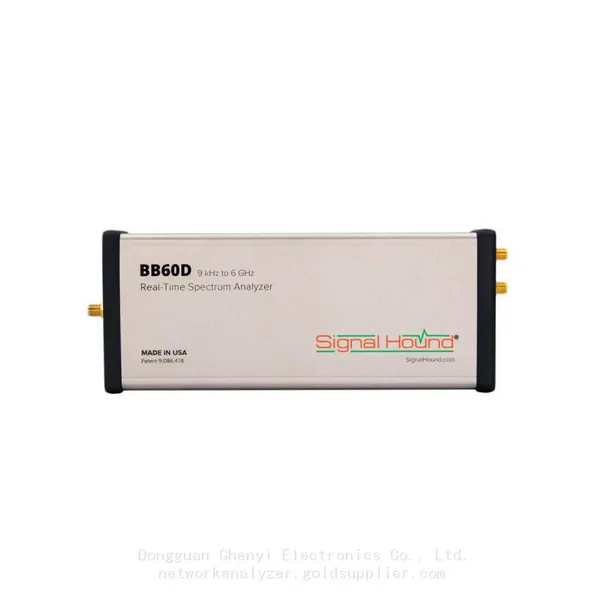
Signal Hound BB60D 9 KHz to 6 GHz Real-time Spectrum AnalyzerNegotiableMOQ: 1 Unit
-
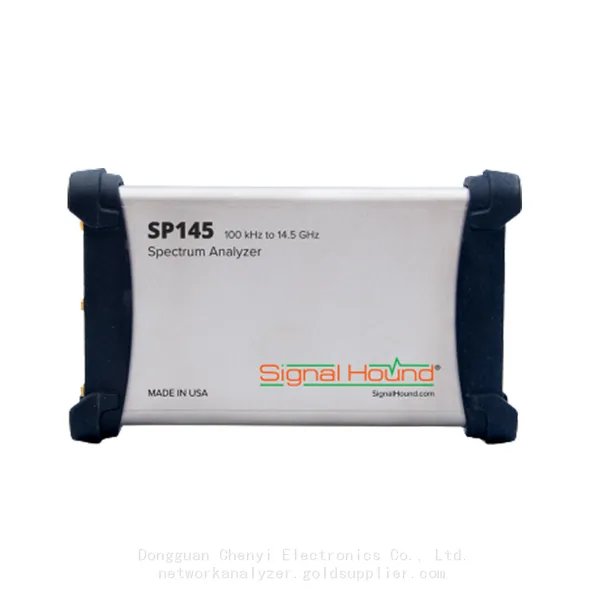
Signal Hound SP145 100 KHz to 14.5 GHz Real-time Spectrum Analyzer Monitoring ReceiversNegotiableMOQ: 1 Unit
-
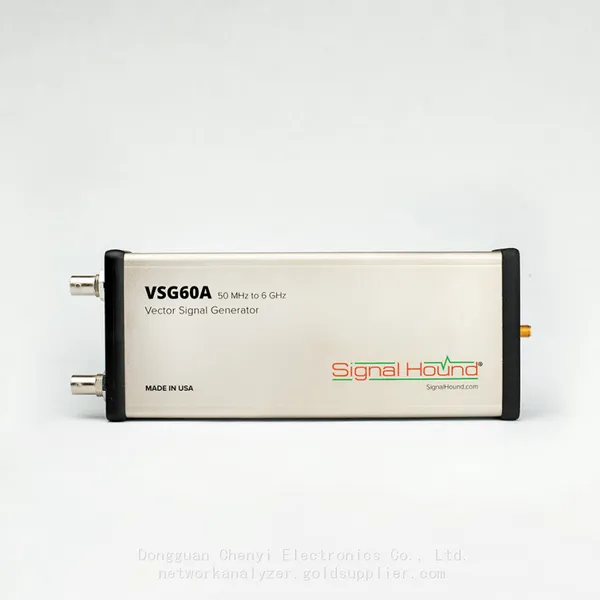
Signal Hound VSG60A 50 MHz to 6 GHz GHz Vector Signal GeneratorNegotiableMOQ: 1 Unit
-
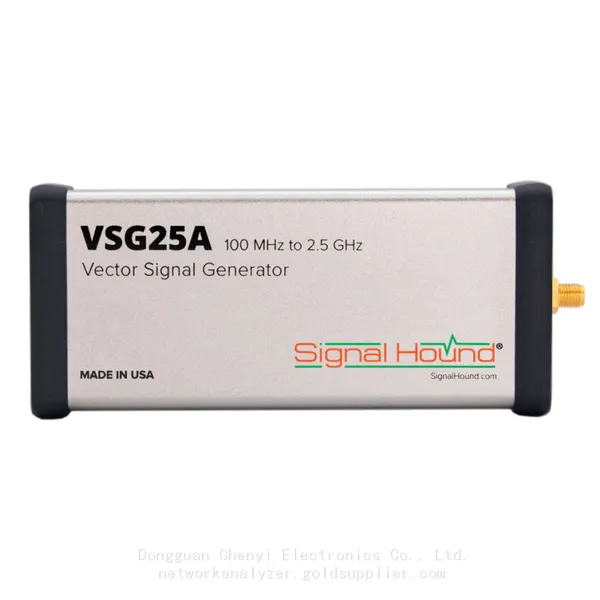
Signal Hound VSG25A 100 MHz to 2.5 GHz Vector Signal GeneratorNegotiableMOQ: 1 Unit
-
Signal Hound VNA400 40 MHz to 40 GHz 2-port Vector Network AnalyzerNegotiableMOQ: 1 Unit
-
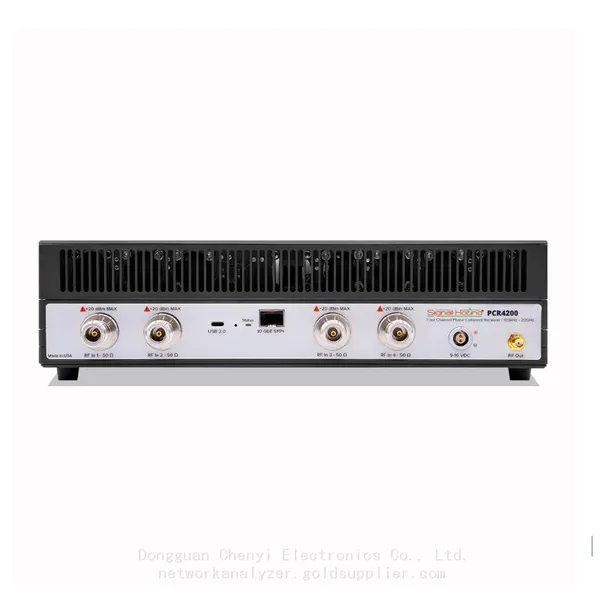
Signal Hound PCR4200 100 KHz to 20 GHz Four-Channel Phase Coherent ReceiverNegotiableMOQ: 1 Unit
-
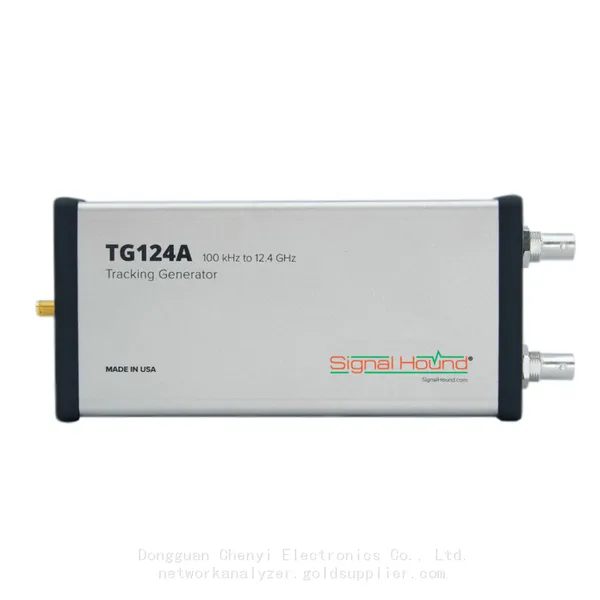
Signal Hound TG124A 100 KHz to 12.4 GHz Tracking GeneratorNegotiableMOQ: 1 Unit
-
Signal Hound TG44A 10 Hz to 4.4 GHz t Tracking GeneratorNegotiableMOQ: 1 Unit
-
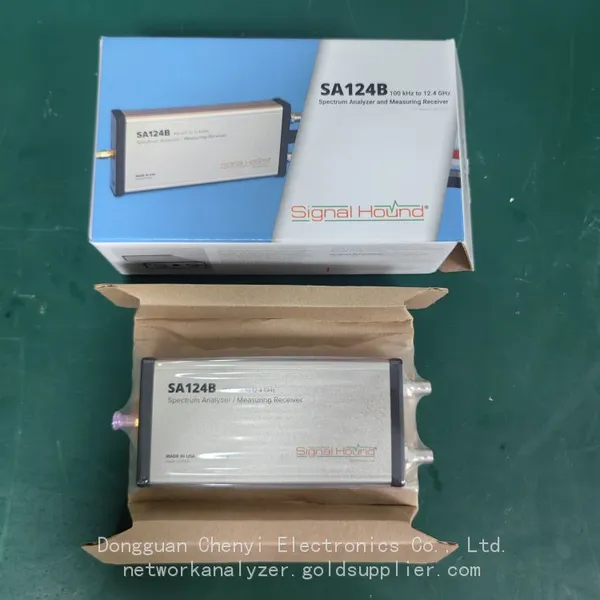
Signal Hound SA124B 100 KHz to 12.4 GHz Spectrum AnalyzerNegotiableMOQ: 1 Unit
-
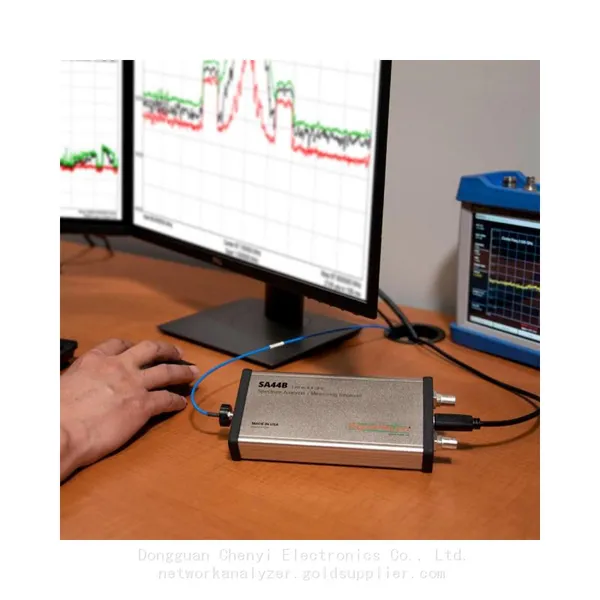
Signal Hound SA44B 1 Hz to 4.4 GHz Spectrum AnalyzerNegotiableMOQ: 1 Unit
-
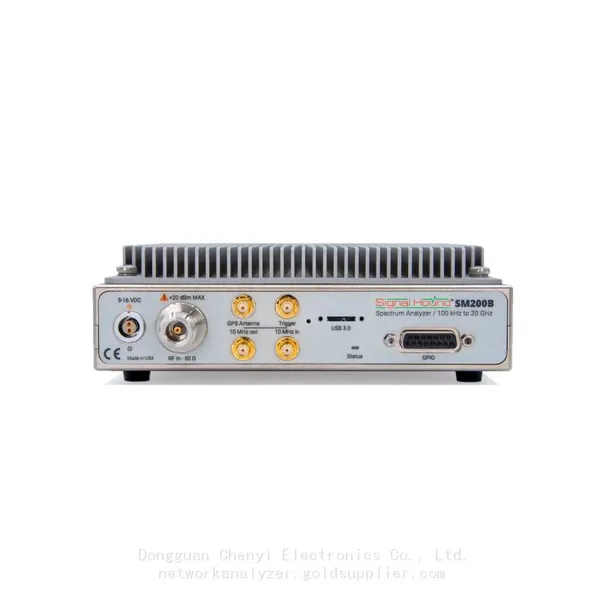
Signal Hound SM200B 100 KHz to 20 GHz Real-time Spectrum Analyzer Monitoring ReceiversNegotiableMOQ: 1 Unit
-
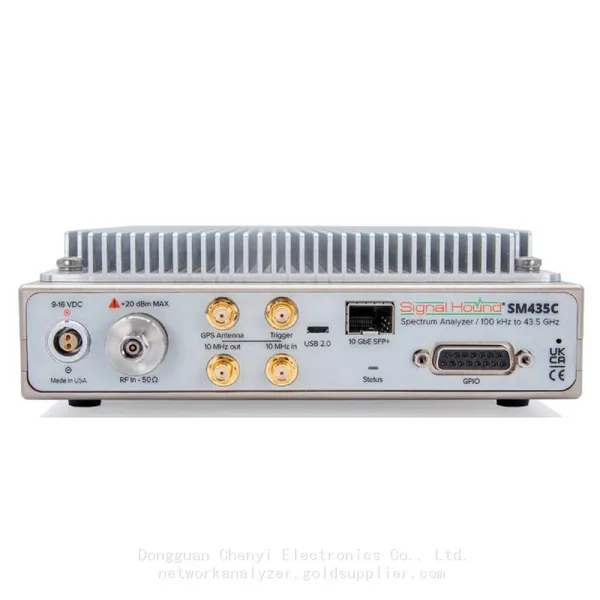
Signal Hound SM435C 100 KHz to 43.5GHz Real-time Spectrum Analyzer With 10GbE Monitoring ReceiversNegotiableMOQ: 1 Unit
-
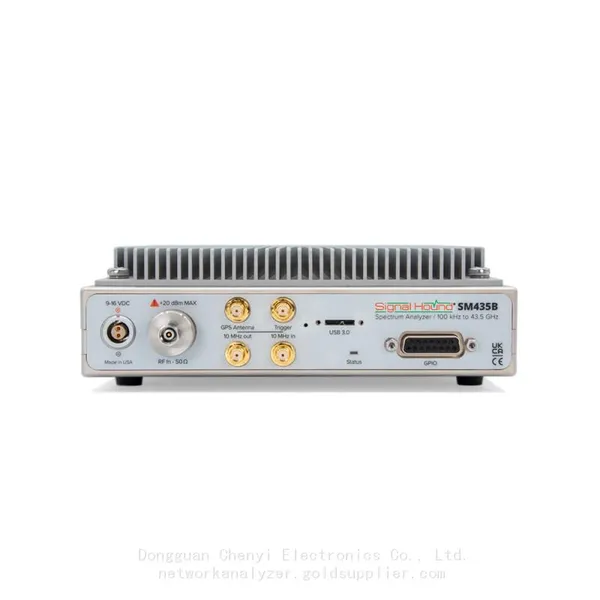
Signal Hound SM435B 100 KHz to 43.5GHz Real-time Spectrum Analyzer Monitoring ReceiversNegotiableMOQ: 1 Unit
-
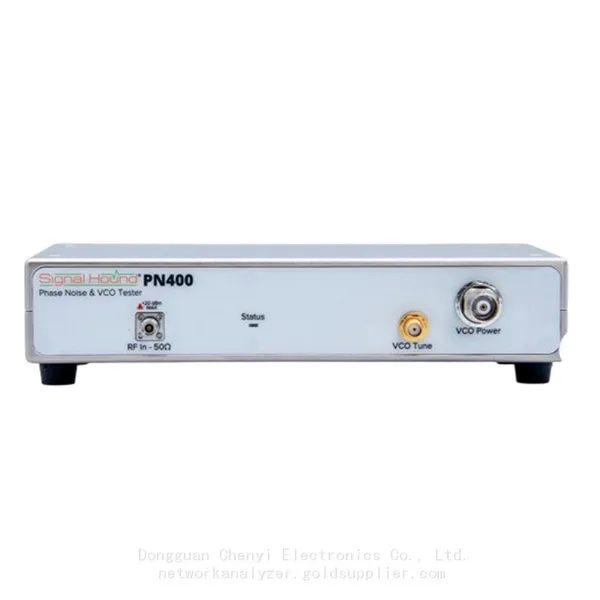
Signal Hound PN400 Phase Noise and VCO Test System 100 KHz to 43.5 GHzNegotiableMOQ: 1 Unit
-
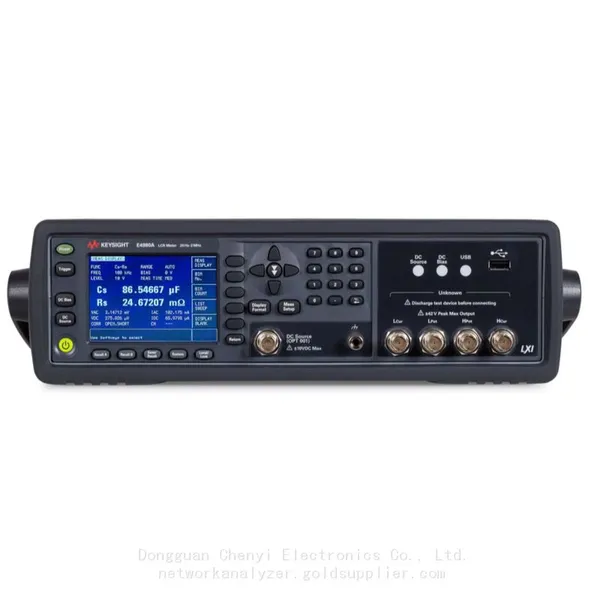
Keysight E4980A Precision LCR Meter 20 Hz to 2 MHzNegotiableMOQ: 1 Unit
-
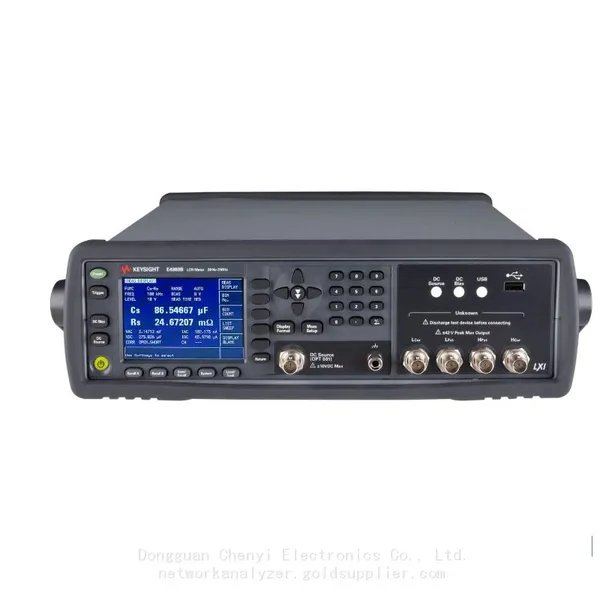
Keysight E4980B and E4980BL Precision LCR Meter 20 Hz to 2 MHzNegotiableMOQ: 1 Unit
-
Keysight U1733C Handheld LCR Meter 100Hz 120Hz 1kHz 10kHz 100kHzNegotiableMOQ: 1 Unit