
 Business License

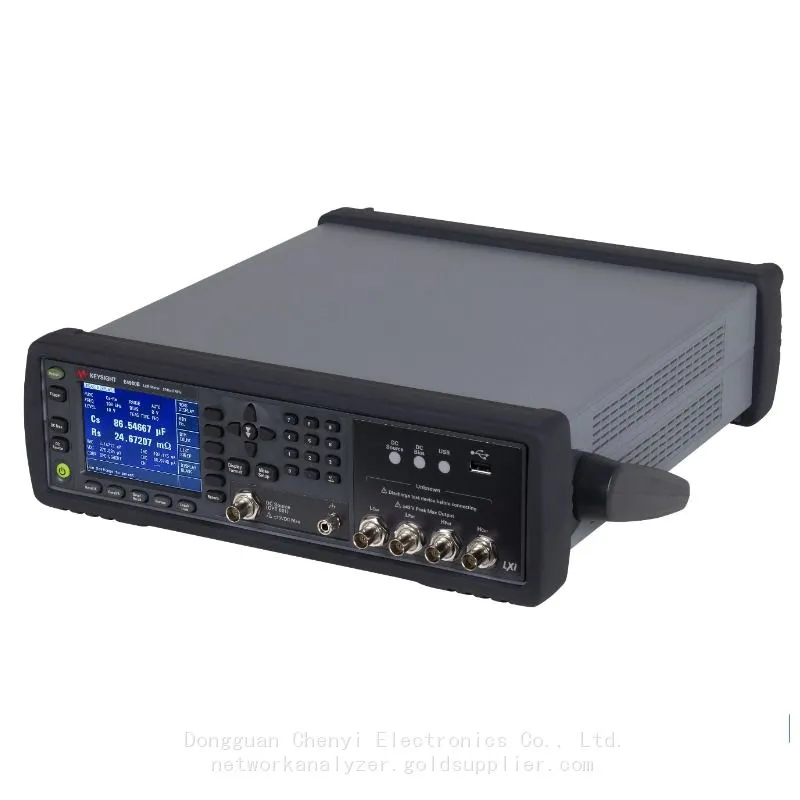
Application Scene Showdown: c E4980B vsE4980BL
Application Scene Showdown: Keysight E4980B vs. E4980BL
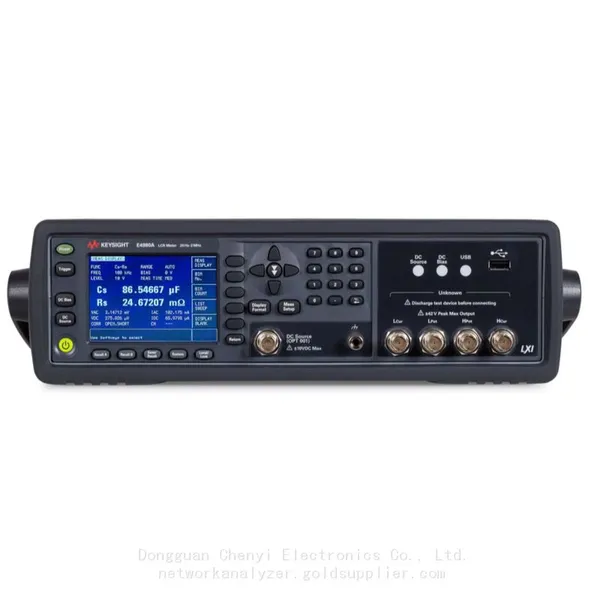
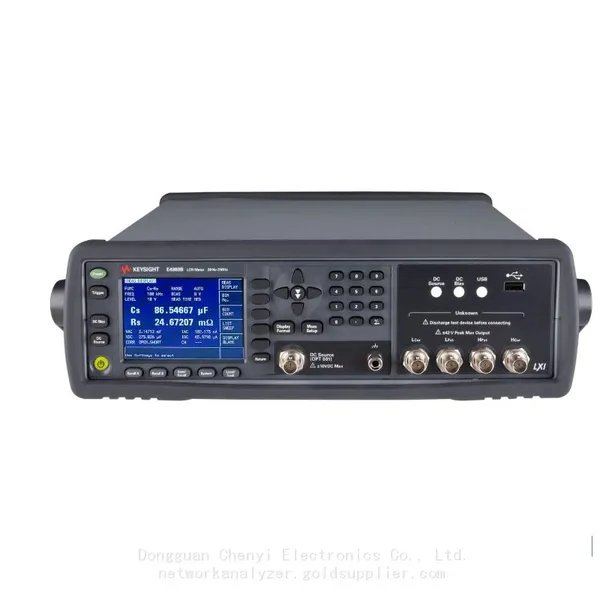
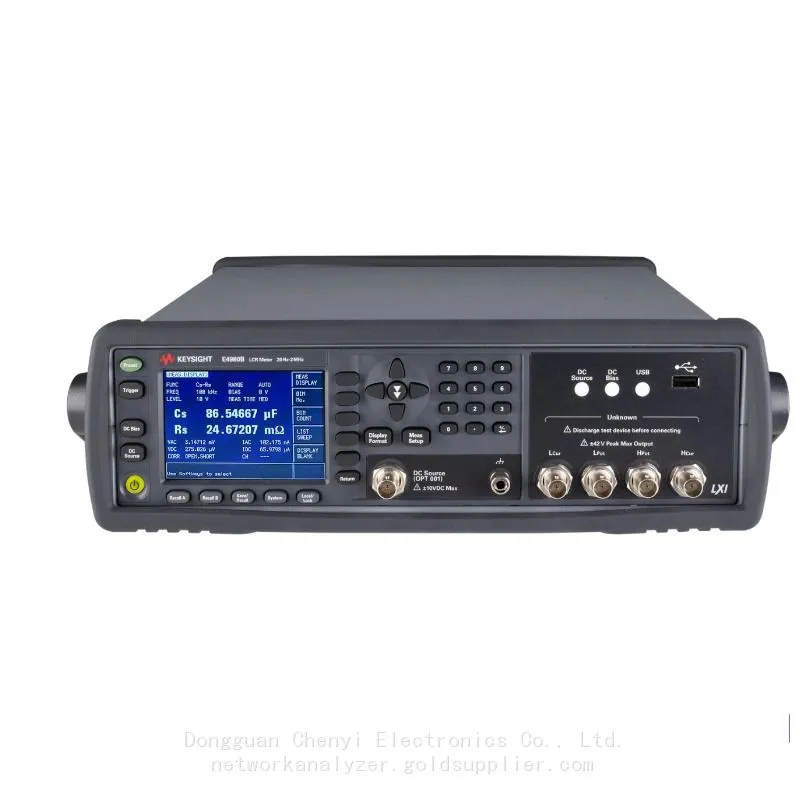
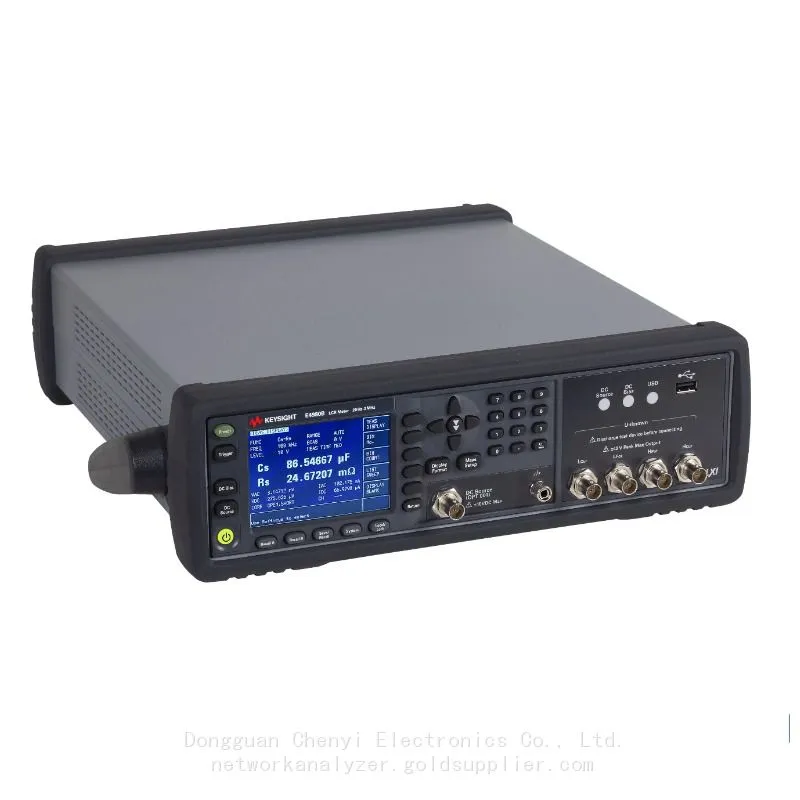
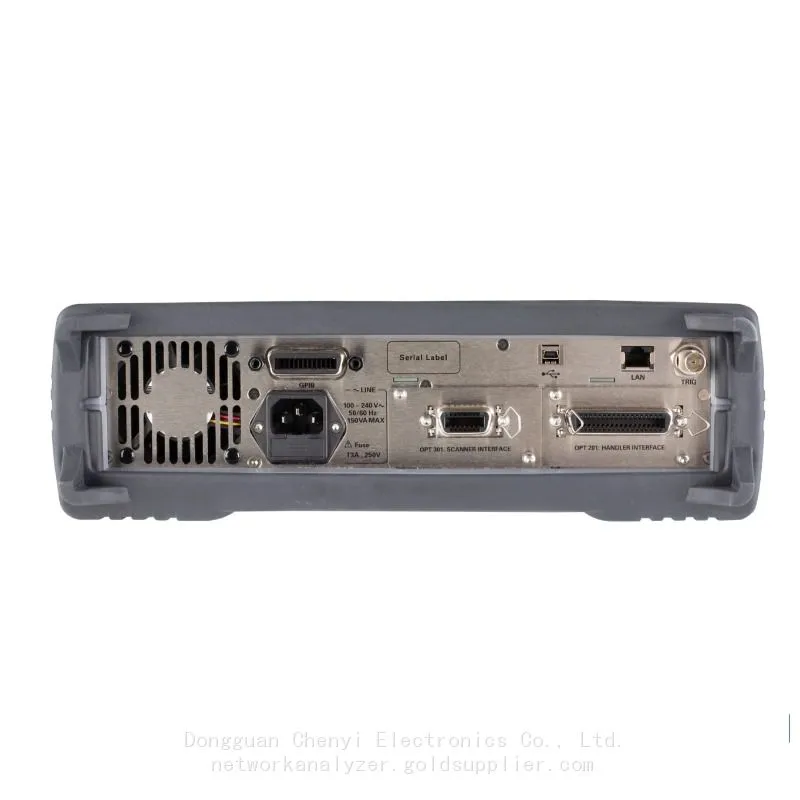
Keysight’s E4980B and E4980BL precision LCR meters excel in distinct application scenarios, with their design optimizations aligning to specific industry needs. Understanding their use case differences is key to maximizing testing efficiency and accuracy.
The E4980B is the go-to choice for high-frequency, high-performance component testing. Its expandable frequency range (up to 3GHz with options) makes it indispensable for 5G/telecom applications—testing RF filters, GHz-range inductors, and base station components that operate beyond 2MHz. Aerospace and defense engineers rely on its ±0.05% accuracy for critical impedance measurements of power inductors and high-reliability capacitors. In high-throughput production lines for power electronics, its 0.6ms fast-mode measurement speed cuts cycle time by 30% compared to the E4980BL, ideal for testing thousands of industrial components daily. It also integrates seamlessly with VNAs for combined impedance and S-parameter analysis, a must for advanced RF design labs.
In contrast, the E4980BL is tailored for low-power, low-signal applications. Its ultra-low 100μVrms measurement signal level prevents activating semiconductor junctions in IoT sensors, wearables, and medical devices—critical for preserving device integrity during testing. Consumer electronics manufacturers use it to characterize battery-powered sensor modules and thin-film components, where high signal amplitudes would distort results. Material scientists leverage its Low-Impedance Drive (LID) mode for accurate thin-dielectric measurements. Its 85VA low power consumption also makes it suitable for battery-powered test setups in field applications, such as on-site IoT device calibration. For low/medium-frequency components (≤2MHz) like audio equipment parts or IoT capacitors, it delivers reliable performance without the unnecessary high-frequency capabilities of the E4980B.
While both meters share core impedance measurement features and benchtop form factors, their specialization is clear: the E4980B dominates high-frequency, high-accuracy, and high-throughput scenarios, while the E4980BL is unmatched for low-power, sensitive, and low-frequency component testing. Choosing the right model hinges on matching your components’ frequency range, operating signal level, and testing throughput needs—ensuring you get the best performance for your specific application without overpaying for unused capabilities.
Recently Posted
-
Vector Signal Generator Explained: Principles, Architecture, and Core Functions
August 31, 20261. When a Simple Signal Source Is Not EnoughAn R&D team developing a new Wi-Fi 6 access point spent a week validating their re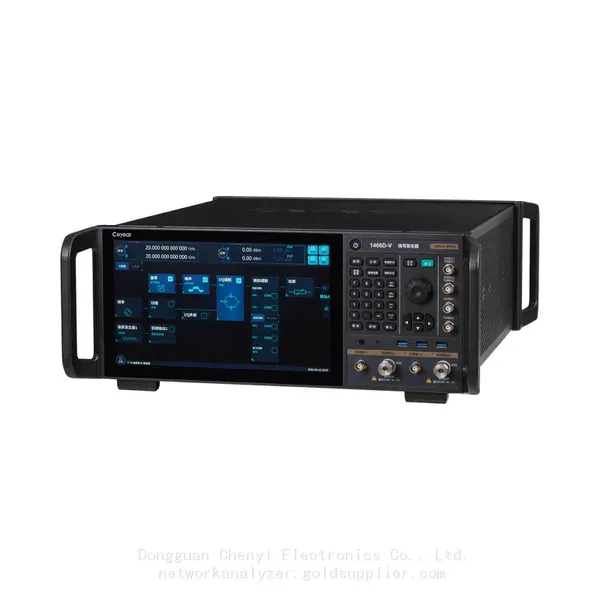 Read More
 -
Software-Defined Instruments: How USB Spectrum Analyzers Are Changing the RF Testing Industry
August 17, 20261. The Benchtop Instrument That Would Not Fit in a Carry-OnAn RF field engineer arrived at a remote cell site in a mountainous reg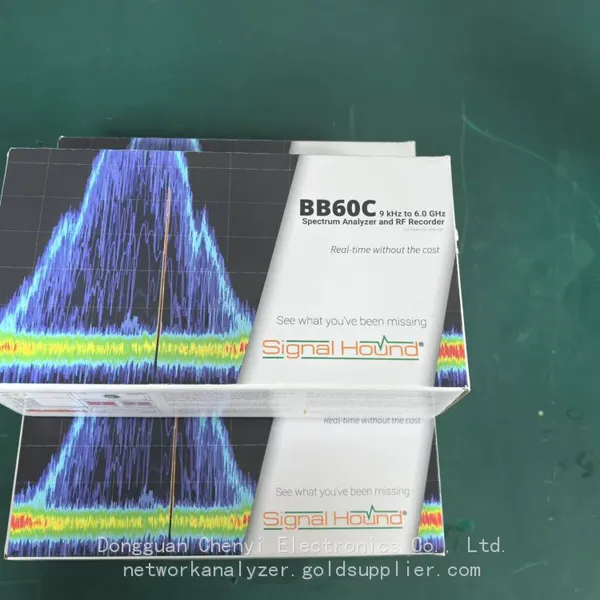 Read More
 -
Spectrum Monitoring Solutions for Broadcast Radio and Television Transmission Stations
August 17, 20261. When a 50 kW FM Transmitter Goes SilentA regional FM broadcaster serving roughly 2 million listeners lost its main transmitter Read More
 -
Understanding Spectrum Analyzer Key Specifications: DANL, Phase Noise, TOI, and RBW
August 14, 20261. The Specification That Cost Two Weeks of DebuggingAn RF design team spent two weeks trying to measure the third harmonic of a 2 Read More

Contact Us
Recommended Products
-
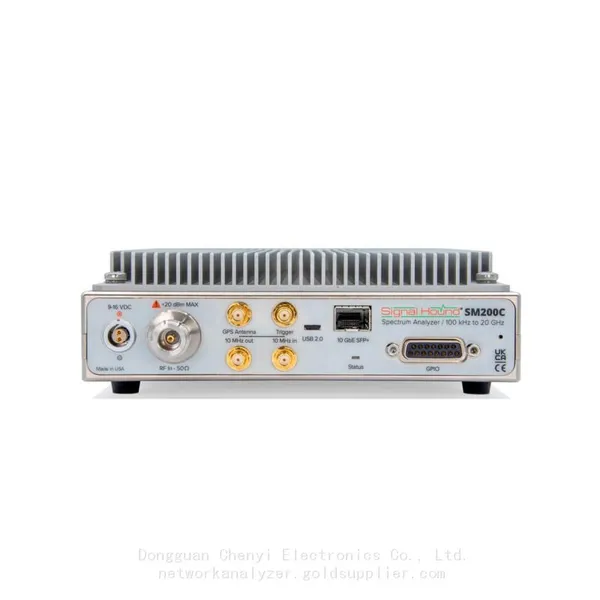
 Signal Hound SM200C 100 KHz to 20 GHz Real-time Spectrum Analyzer With 10GbE Monitoring ReceiversNegotiableMOQ: 1 Unit
 -
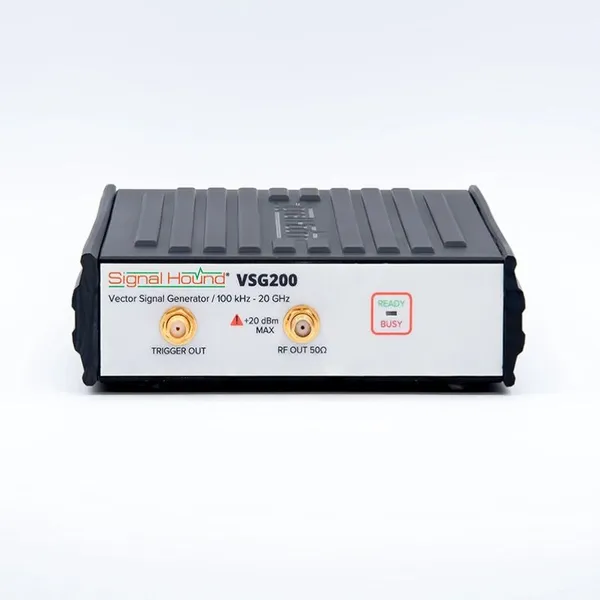
Signal Hound VSG200 Vector Signal Generator 100 KHz to 20 GHzNegotiableMOQ: 1 Unit
-
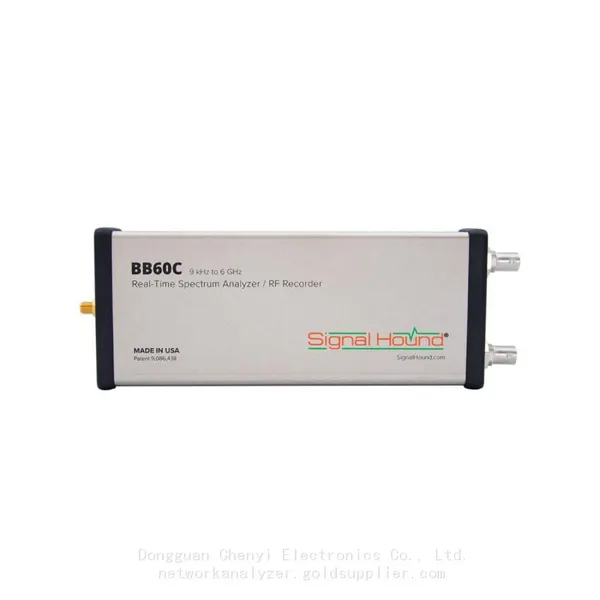
Signal Hound BB60C 9 KHz to 6 GHz Real-time Spectrum AnalyzerNegotiableMOQ: 1 Unit
-
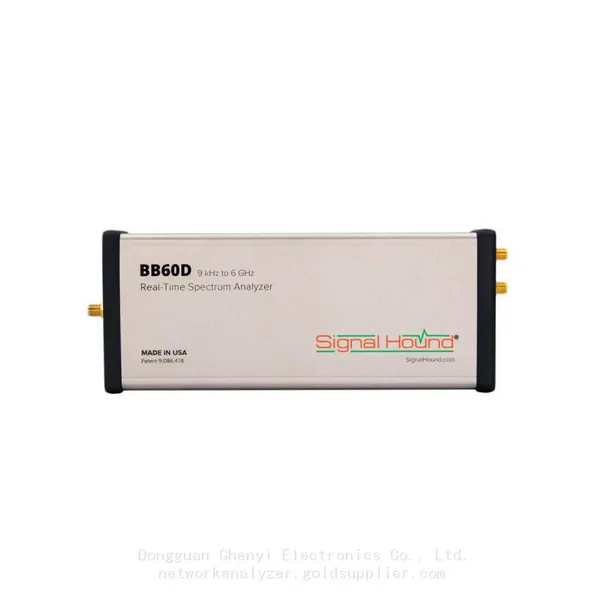
Signal Hound BB60D 9 KHz to 6 GHz Real-time Spectrum AnalyzerNegotiableMOQ: 1 Unit
-
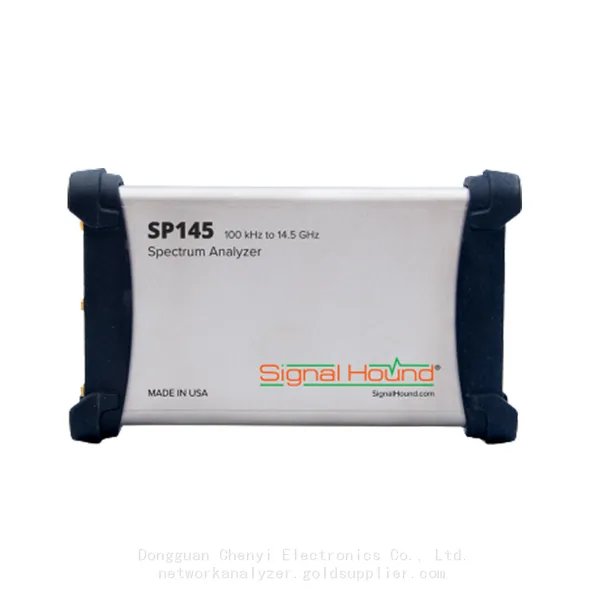
Signal Hound SP145 100 KHz to 14.5 GHz Real-time Spectrum Analyzer Monitoring ReceiversNegotiableMOQ: 1 Unit
-
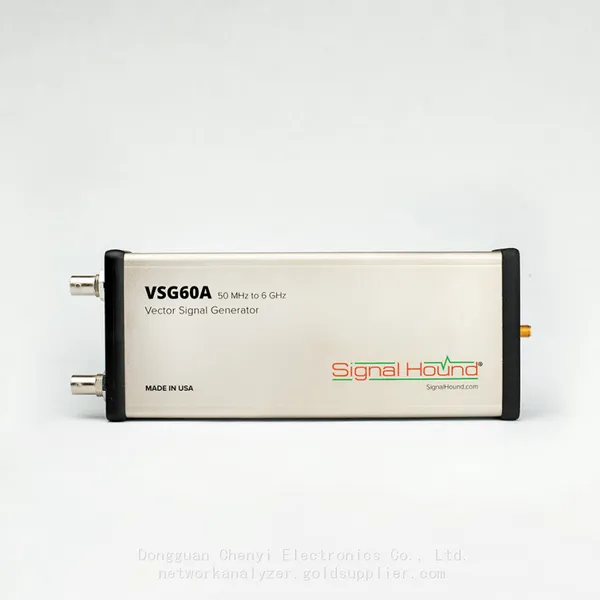
Signal Hound VSG60A 50 MHz to 6 GHz GHz Vector Signal GeneratorNegotiableMOQ: 1 Unit
-
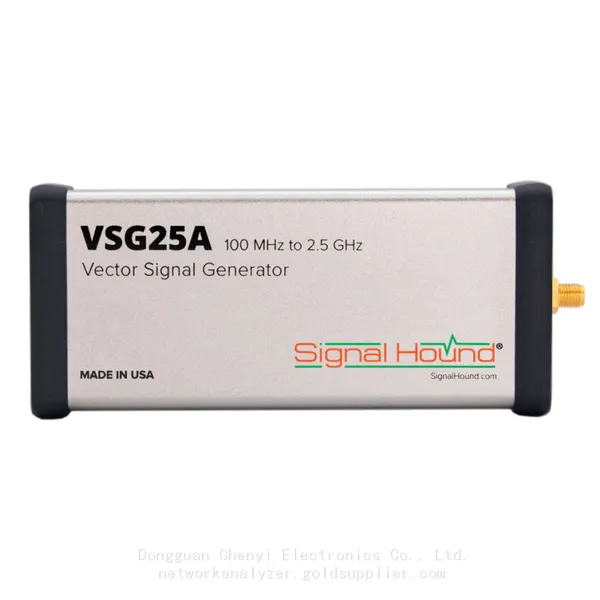
Signal Hound VSG25A 100 MHz to 2.5 GHz Vector Signal GeneratorNegotiableMOQ: 1 Unit
-
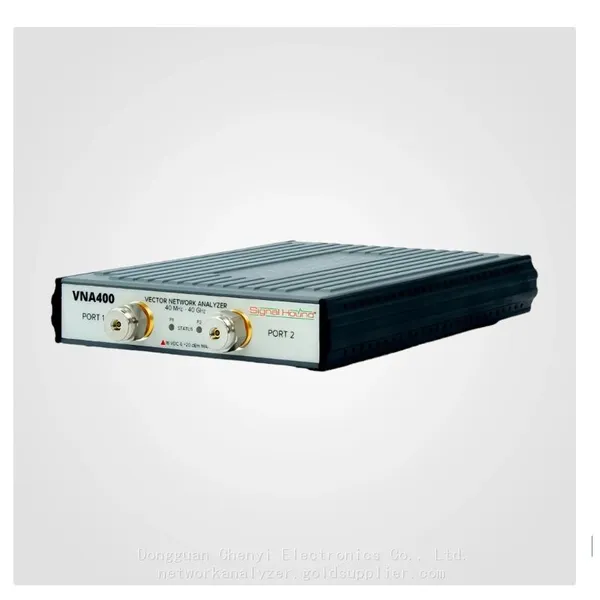
Signal Hound VNA400 40 MHz to 40 GHz 2-port Vector Network AnalyzerNegotiableMOQ: 1 Unit
-
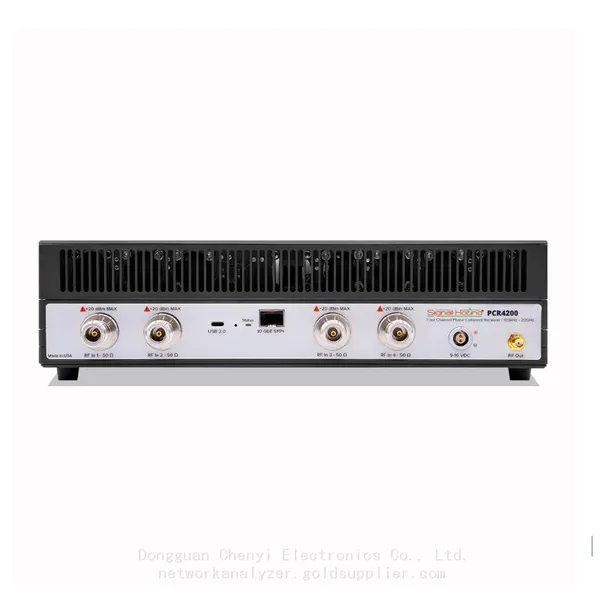
Signal Hound PCR4200 100 KHz to 20 GHz Four-Channel Phase Coherent ReceiverNegotiableMOQ: 1 Unit
-
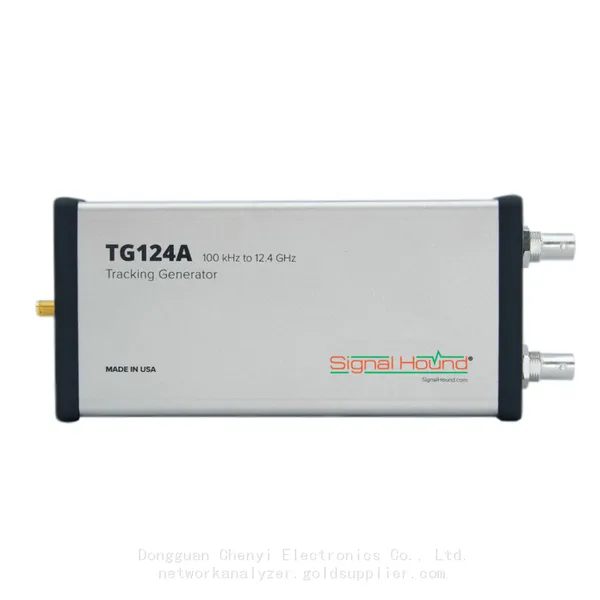
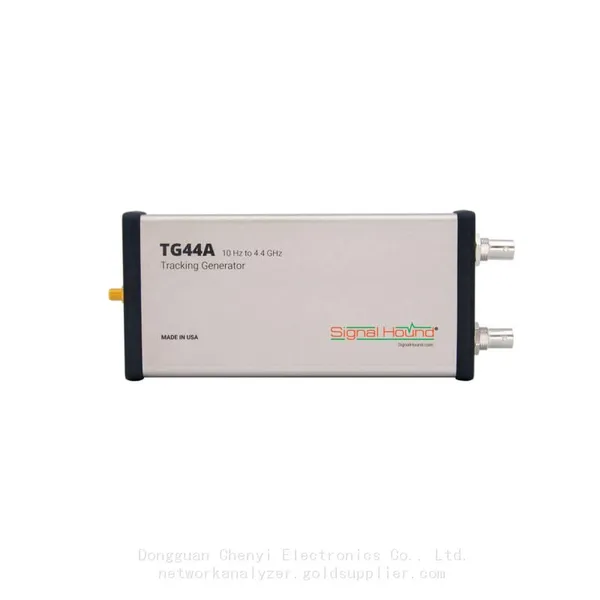
Signal Hound TG124A 100 KHz to 12.4 GHz Tracking GeneratorNegotiableMOQ: 1 Unit
-
Signal Hound TG44A 10 Hz to 4.4 GHz t Tracking GeneratorNegotiableMOQ: 1 Unit
-
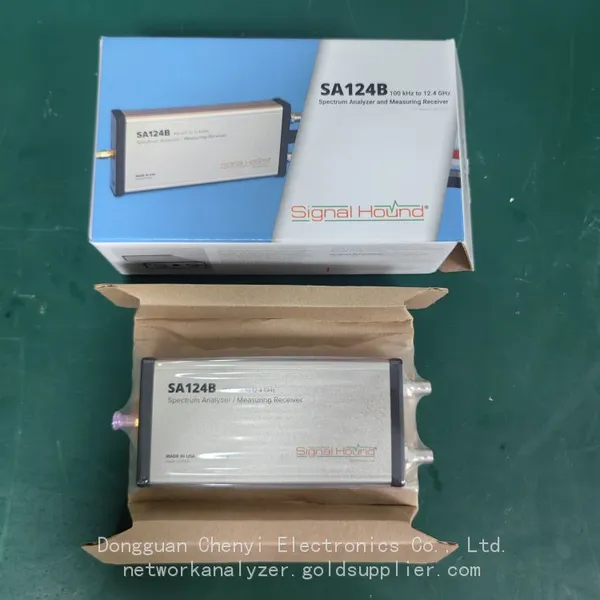
Signal Hound SA124B 100 KHz to 12.4 GHz Spectrum AnalyzerNegotiableMOQ: 1 Unit
-
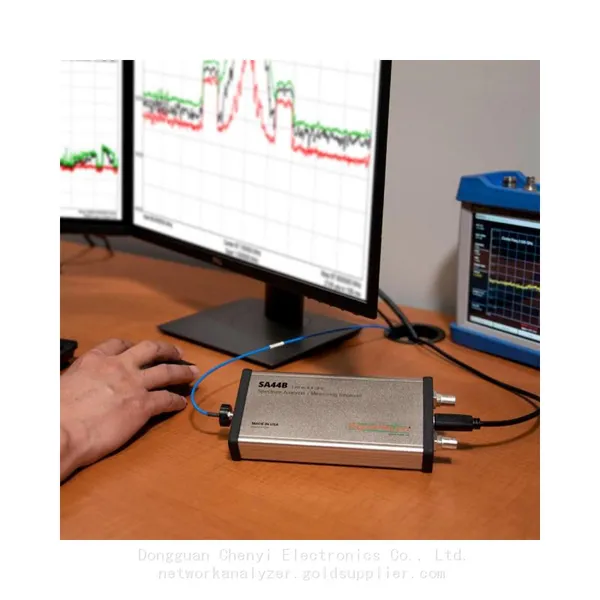
Signal Hound SA44B 1 Hz to 4.4 GHz Spectrum AnalyzerNegotiableMOQ: 1 Unit
-
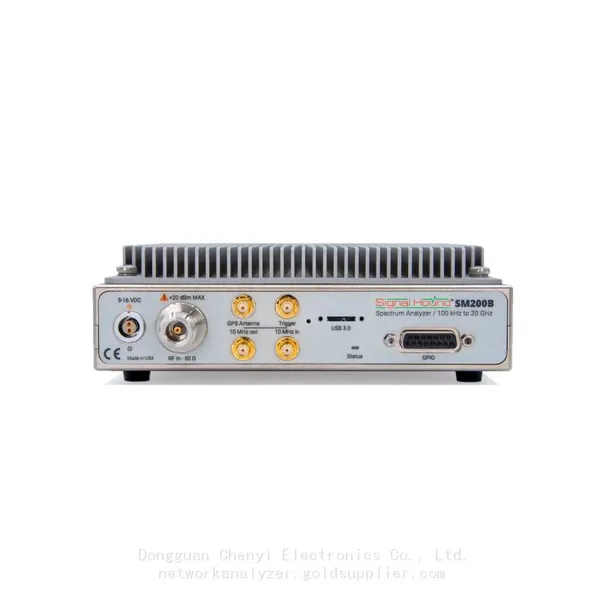
Signal Hound SM200B 100 KHz to 20 GHz Real-time Spectrum Analyzer Monitoring ReceiversNegotiableMOQ: 1 Unit
-
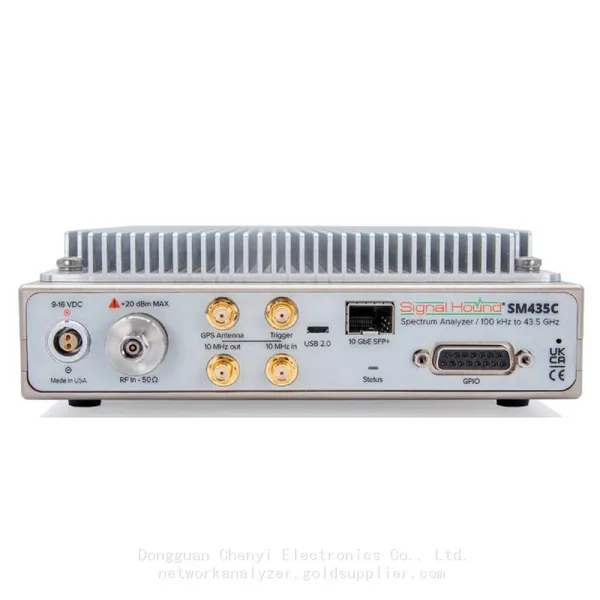
Signal Hound SM435C 100 KHz to 43.5GHz Real-time Spectrum Analyzer With 10GbE Monitoring ReceiversNegotiableMOQ: 1 Unit
-
Signal Hound SM435B 100 KHz to 43.5GHz Real-time Spectrum Analyzer Monitoring ReceiversNegotiableMOQ: 1 Unit
-
Signal Hound PN400 Phase Noise and VCO Test System 100 KHz to 43.5 GHzNegotiableMOQ: 1 Unit
-
Keysight E4980A Precision LCR Meter 20 Hz to 2 MHzNegotiableMOQ: 1 Unit
-
Keysight E4980B and E4980BL Precision LCR Meter 20 Hz to 2 MHzNegotiableMOQ: 1 Unit
-
Keysight U1733C Handheld LCR Meter 100Hz 120Hz 1kHz 10kHz 100kHzNegotiableMOQ: 1 Unit