
 Business License

Vector Signal Generator vs Analog Signal Generator: Application Scenarios and Selection Decisions
1. The Two-Generator Test Bench That Solved a Production Puzzle
A contract electronics manufacturer producing wireless sensors kept failing final inspection on roughly 6% of its Bluetooth modules. The failures appeared as sensitivity readings below specification, but only intermittently across different batches. The production engineer suspected the modules were marginal, while the design team insisted the receiver architecture was sound. The resolution came from an unexpected source: the production line was testing every module with an analog signal generator that could not reproduce the Bluetooth modulation the modules would actually encounter in the field.
The line had been using the same analog generator for years because it was already on the bench and everyone knew how to operate it. Once the engineer connected a vector signal generator configured for the Bluetooth basic rate test pattern, the failure rate dropped below 1%. The modules had been fine all along; the test signal was not representative of real-world conditions.
This article compares vector signal generators and analog signal generators across the dimensions that matter for practical selection: modulation capability, signal quality, cost, and application fit. We will help you decide which type of signal generator belongs on your bench, and when having both makes sense.
2. What an Analog Signal Generator Does Well
An analog signal generator produces a carrier signal with simple modulation applied through analog circuitry. Its core output modes are continuous wave, amplitude modulation, frequency modulation, phase modulation, and pulse modulation. These modes cover a surprisingly large share of basic RF test tasks, which is why analog generators remain widely used in labs and production lines worldwide.
CW output is the foundation of many measurements. Receiver sensitivity tests for simple radios, filter insertion loss measurements, amplifier gain characterization, and antenna testing all rely on a clean, stable CW source. The analog generator excels here because its output is pure and predictable, with excellent phase noise and harmonic performance at a relatively low cost.
Analog generators also support modulation modes useful for legacy systems. FM and AM broadcasting receivers are still tested with analog generators. Aviation communication radios, which use AM, and many two-way radios, which use FM, continue to rely on analog signal generation. If your products belong to these categories, an analog generator may be entirely sufficient.
Pulse modulation is another strength. Radar receivers, some satellite downlinks, and pulsed amplifier testing require pulsed RF signals with precise timing. High-end analog generators provide pulse modulation with rise times under roughly 10 nanoseconds and pulse repetition intervals programmable down to microseconds, capabilities that some vector generators handle less gracefully.
3. What a Vector Signal Generator Adds
The defining capability of a vector signal generator is I/Q modulation. It can produce any waveform that can be described as a sequence of I and Q samples, which covers every modern digital modulation format: QPSK, QAM, OFDM, GFSK, and many others. This makes the VSG the only signal generator type that can emulate a modern wireless transmitter for receiver testing.
Standard-specific waveform support is the practical expression of this capability. A VSG with built-in standards library can generate a Wi-Fi 6 signal, a 5G NR waveform, a Bluetooth test pattern, or a LoRa chirp with a few menu selections. The engineer configures parameters such as channel bandwidth, modulation order, and data rate, and the instrument produces a compliant signal without manual waveform programming.
Arbitrary waveform capability extends beyond standard formats. The VSG can play back any I/Q waveform file, whether captured from a real network with an RF recorder, generated by a simulation tool, or crafted to emulate a specific interference scenario. This flexibility makes the VSG valuable in interoperability testing, coexistence testing, and research environments where standard patterns are insufficient.
The table below summarizes the modulation differences between the two generator types.
| Capability | Analog Signal Generator | Vector Signal Generator |
|---|---|---|
| CW output | Yes | Yes |
| AM / FM / PM | Yes | Yes (often via I/Q) |
| Pulse modulation | Yes, with fast rise times | Yes, but setup may differ |
| Digital modulation (QPSK, QAM, OFDM) | No | Yes |
| Standard-specific waveforms | No | Yes (Wi-Fi, 5G, Bluetooth, etc.) |
| Arbitrary I/Q playback | No | Yes |
4. Signal Quality: Where Each Instrument Excels
Signal quality is not a single number but a collection of specifications that matter differently for different measurements. For phase noise, high-end analog generators historically hold an edge, with figures better than roughly -130 dBc/Hz at 10 kHz offset available in top-tier instruments. Modern vector generators have closed much of this gap, with mid-range VSGs achieving -115 dBc/Hz or better, adequate for nearly all wireless receiver tests.
For harmonic performance, both types are comparable at equivalent price points. Harmonics below roughly -30 dBc are standard, with high-end instruments achieving -40 dBc or better. Harmonics matter when testing receivers that must reject out-of-band signals, because the generator's own harmonics can mask the device's response.
The specification that matters most for modulated signal testing is EVM, which only the vector generator can meaningfully define. A VSG's EVM of 1% or better ensures that the test signal is clean enough to measure the receiver's true performance. An analog generator has no EVM specification because it cannot produce the modulated waveform in the first place.
For pulse and fast-switching applications, the analog generator retains an advantage in rise time and pulse width precision. Radar and pulsed amplifier testing often requires pulse edges below 10 nanoseconds, which remain a strength of dedicated analog pulse generators. A vector generator can produce pulsed signals, but its digital architecture may introduce rise-time limitations that matter for these specialized measurements.
Frequency accuracy and output level stability are strong in both types at equivalent price points. A modern generator of either kind typically achieves frequency accuracy of roughly 1 part per billion through an internal reference or external reference input, and output level accuracy within about 0.5 dB. These parameters rarely decide the purchase; the modulation capability and signal quality for your specific measurements matter far more.
5. Cost and Total Cost of Ownership
Acquisition cost is the most obvious difference. An analog signal generator covering up to 6 GHz with good phase noise typically costs less than a vector signal generator with the same frequency range and equivalent output quality. The premium for vector capability reflects the additional baseband hardware, waveform memory, and modulation software.
The cost comparison shifts when you consider what each instrument can accomplish. A lab that needs to test only legacy AM/FM receivers can buy a single analog generator and satisfy all its requirements. A lab developing or testing any modern digital wireless product will find the analog generator insufficient, forcing the purchase of a vector generator anyway. In that scenario, the analog generator becomes a second instrument rather than a lower-cost alternative.
Many modern vector signal generators include a fully functional analog mode, allowing CW, AM, FM, and pulse output through the same instrument. This feature reduces the need to own both types. A single VSG with analog mode covers the full range from simple CW sensitivity tests to complex 5G waveform generation, often at a total cost below buying two separate generators.
Dongguan Chenyi Electronics Co Ltd supplies both analog and vector signal generators and frequently helps customers weigh this trade-off. For labs that test only legacy modulation, we recommend a high-quality analog generator. For labs involved in any modern wireless work, we typically recommend a vector generator with analog capability, avoiding a later second purchase.
6. Choosing the Right Generator for Your Application
The decision framework starts with the signals your products must handle. If your device under test communicates using any digital modulation standard, a vector signal generator is required for realistic receiver testing. If your products are purely analog, such as AM radios or analog FM transceivers, an analog generator may be sufficient.
Consider the test frequency range first. Both generator types are available from the low megahertz range to 20 GHz and beyond, so frequency range alone rarely decides the type. Instead, focus on the modulation requirements, the signal quality needed for your measurements, and the future evolution of your product line.
A production line that currently tests only CW parameters might add digital wireless products next year. Planning for that evolution now, by purchasing a VSG with analog mode, avoids the disruption of retooling the test bench later. Our team at Chenyi Electronics sees this pattern frequently: customers who bought analog-only generators out of budget concerns returned within a year to upgrade, spending more in total than a single VSG would have cost initially.
Another practical consideration is the skill level of the test operators. An analog generator with a few rotary controls and a small display is easy to learn, which is one reason production lines often favor it. A vector generator, with its waveform menus, modulation configuration screens, and standards library, requires more training to operate effectively. If the production staff is not comfortable with digital instrument interfaces, factor operator training time into the decision.
7. Case Studies: Both Types in Action
Some time ago, an avionics maintenance company in the Middle East upgraded its test capability for VHF AM communication radios. Their existing analog generator served the AM receiver tests well, but the company also began servicing VHF data link equipment that uses digital modulation. Dongguan Chenyi Electronics supplied a vector signal generator with analog mode to cover both tasks. The maintenance team now uses the same instrument for AM radio alignment and for data link receiver testing, reducing equipment costs by roughly 35% compared to purchasing two separate generators.
In a second example, a university teaching laboratory needed to demonstrate both basic and advanced modulation to undergraduate students. The lab purchased an analog generator for introductory AM/FM experiments and a vector generator for the advanced digital communications course. The two instruments complement each other in the curriculum: students first learn classic modulation on the analog unit, then progress to QAM and OFDM on the vector unit. Chenyi Electronics supplied both instruments and provided training to the lab staff.
8. Frequently Asked Questions
8.1 Can an analog signal generator test Bluetooth devices?
An analog signal generator cannot reproduce Bluetooth's GFSK modulation, so it cannot serve as a realistic test source for Bluetooth receiver testing. For basic sensitivity testing, a vector signal generator with a Bluetooth test pattern is required. The VSG generates the exact GFSK waveform defined in the Bluetooth test specification, allowing the receiver's performance to be measured under standardized conditions. Without a VSG, Bluetooth receiver validation is not possible.
8.2 Do I need both an analog and a vector signal generator?
Not necessarily. Many modern vector signal generators include an analog mode that covers CW, AM, FM, and pulse modulation. If your testing involves only legacy analog modulation, an analog generator suffices.
If you test any digital wireless product, a VSG with analog mode typically covers all your needs with a single instrument. Owning both types makes sense mainly for specialized applications where the analog generator's superior pulse performance or lower cost per unit matters.
8.3 Is a vector signal generator worth the higher price?
The value depends on your products. If you develop, test, or manufacture any device using digital wireless modulation, the VSG is not optional; it is the only signal source that can emulate the real-world signals your device must handle. The higher price reflects the added capability and typically pays for itself by enabling tests that an analog generator cannot perform. For purely analog products, the analog generator offers better value.
8.4 How do I test a receiver without a vector signal generator?
You can perform limited tests using an analog generator with CW output, such as checking for receiver saturation or basic frequency response. However, you cannot validate demodulation performance, error rates, or sensitivity under realistic conditions without a modulated signal. For modern wireless products, this makes the vector signal generator a practical necessity. Chenyi Electronics can help you identify the minimum VSG configuration that meets your test requirements.
Recently Posted
-
The Ultimate Guide to Buying RF Test Equipment: From Needs Analysis to Supplier Evaluation
September 2, 20261. The Budget That Looked Smart Until the First TestA startup building LoRa-based environmental sensors approved a $18,000 equipme Read More
 -
Vector Signal Generator Explained: Principles, Architecture, and Core Functions
August 31, 20261. When a Simple Signal Source Is Not EnoughAn R&D team developing a new Wi-Fi 6 access point spent a week validating their re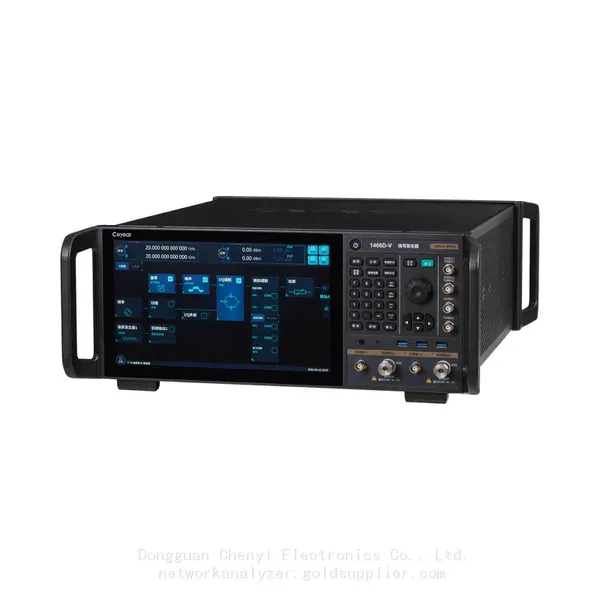 Read More
 -
Software-Defined Instruments: How USB Spectrum Analyzers Are Changing the RF Testing Industry
August 17, 20261. The Benchtop Instrument That Would Not Fit in a Carry-OnAn RF field engineer arrived at a remote cell site in a mountainous reg Read More
 -
Spectrum Monitoring Solutions for Broadcast Radio and Television Transmission Stations
August 17, 20261. When a 50 kW FM Transmitter Goes SilentA regional FM broadcaster serving roughly 2 million listeners lost its main transmitter Read More

Contact Us
Recommended Products
-
 Signal Hound SM200C 100 KHz to 20 GHz Real-time Spectrum Analyzer With 10GbE Monitoring ReceiversNegotiableMOQ: 1 Unit
 -
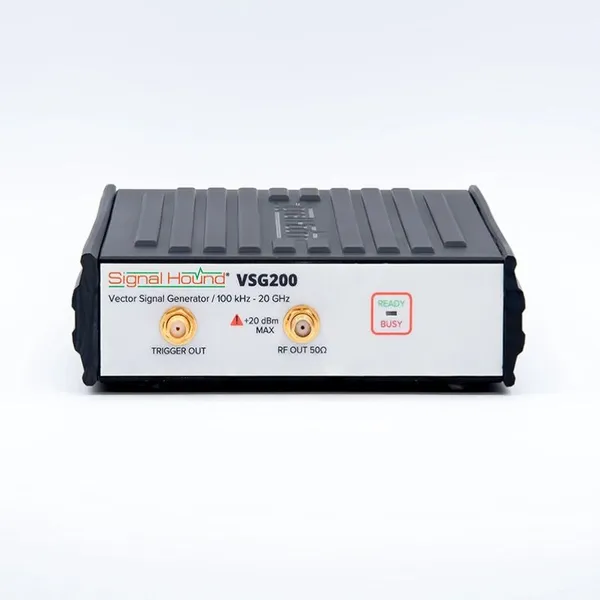
Signal Hound VSG200 Vector Signal Generator 100 KHz to 20 GHzNegotiableMOQ: 1 Unit
-
Signal Hound BB60C 9 KHz to 6 GHz Real-time Spectrum AnalyzerNegotiableMOQ: 1 Unit
-
Signal Hound BB60D 9 KHz to 6 GHz Real-time Spectrum AnalyzerNegotiableMOQ: 1 Unit
-
Signal Hound SP145 100 KHz to 14.5 GHz Real-time Spectrum Analyzer Monitoring ReceiversNegotiableMOQ: 1 Unit
-
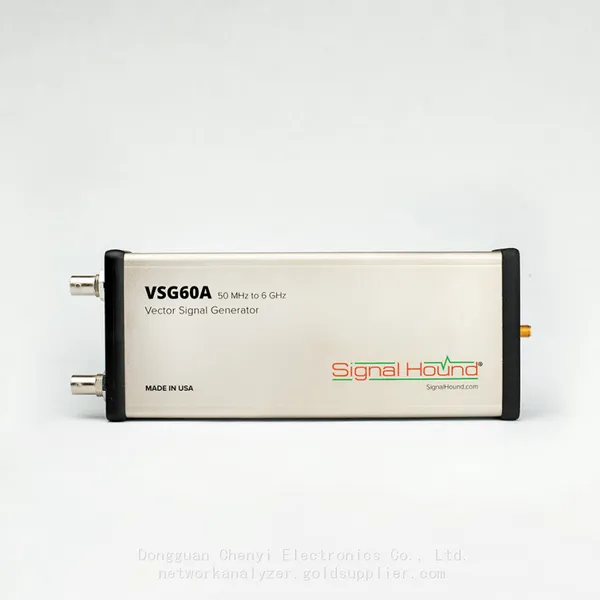
Signal Hound VSG60A 50 MHz to 6 GHz GHz Vector Signal GeneratorNegotiableMOQ: 1 Unit
-
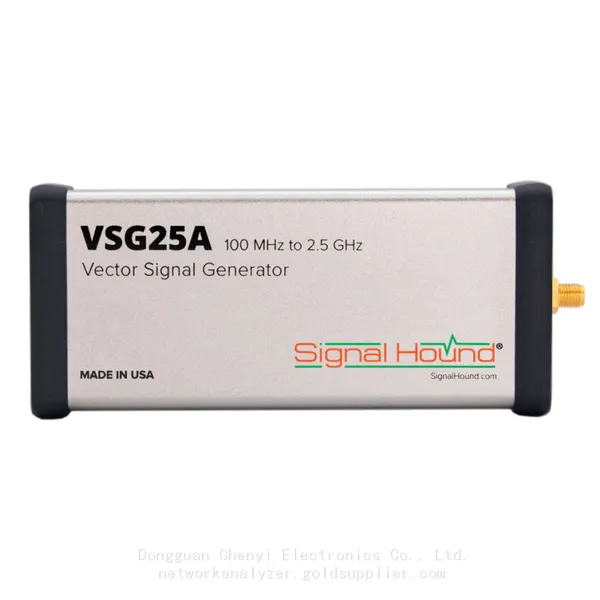
Signal Hound VSG25A 100 MHz to 2.5 GHz Vector Signal GeneratorNegotiableMOQ: 1 Unit
-
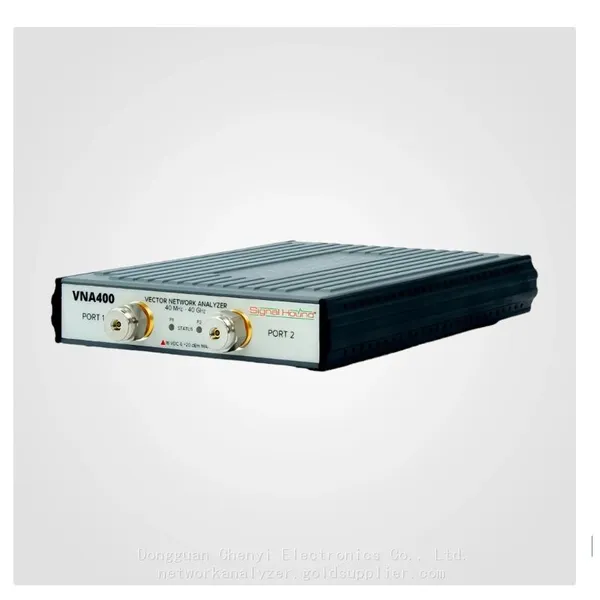
Signal Hound VNA400 40 MHz to 40 GHz 2-port Vector Network AnalyzerNegotiableMOQ: 1 Unit
-
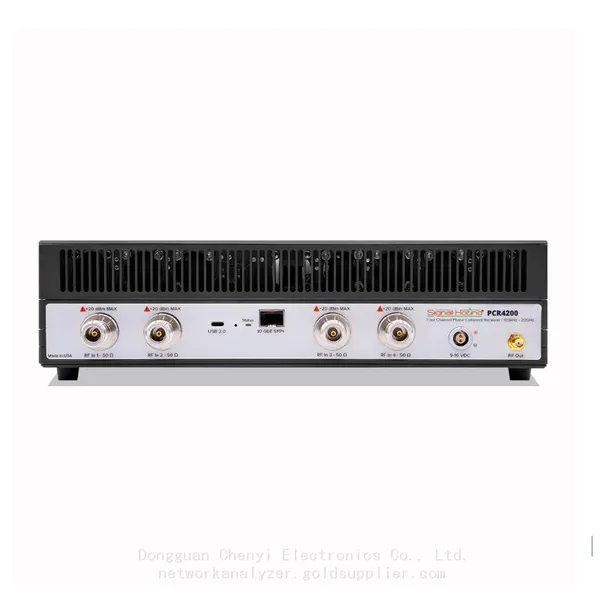
Signal Hound PCR4200 100 KHz to 20 GHz Four-Channel Phase Coherent ReceiverNegotiableMOQ: 1 Unit
-
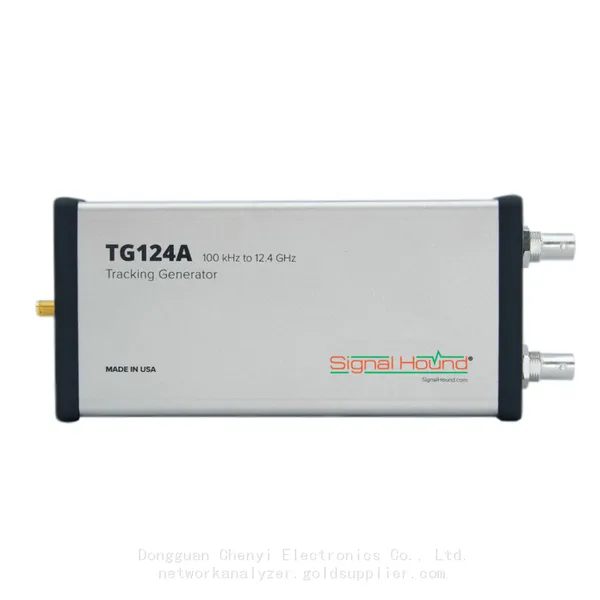
Signal Hound TG124A 100 KHz to 12.4 GHz Tracking GeneratorNegotiableMOQ: 1 Unit
-
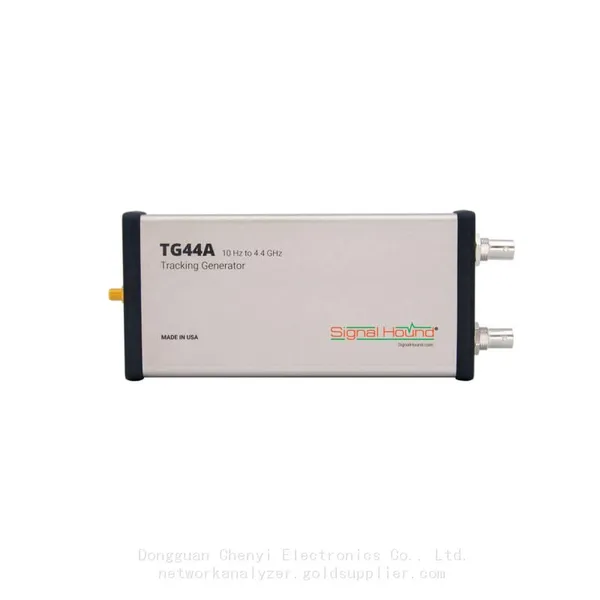
Signal Hound TG44A 10 Hz to 4.4 GHz t Tracking GeneratorNegotiableMOQ: 1 Unit
-
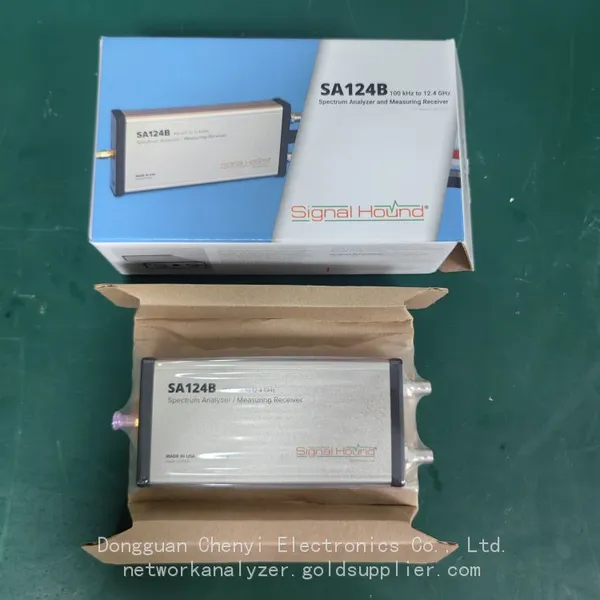
Signal Hound SA124B 100 KHz to 12.4 GHz Spectrum AnalyzerNegotiableMOQ: 1 Unit
-
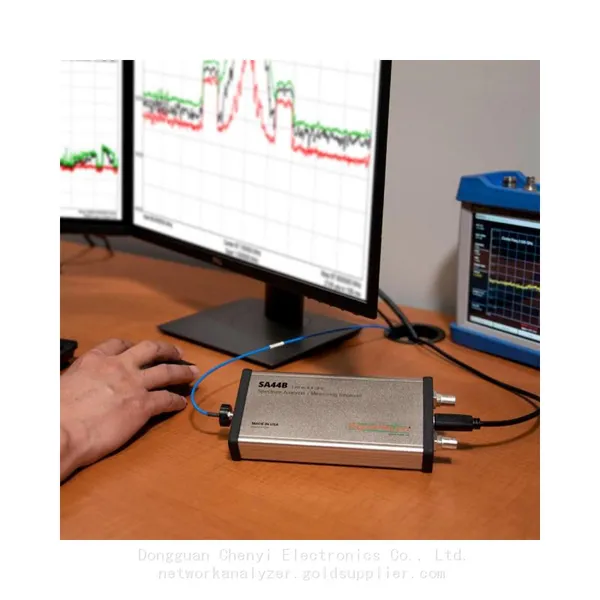
Signal Hound SA44B 1 Hz to 4.4 GHz Spectrum AnalyzerNegotiableMOQ: 1 Unit
-
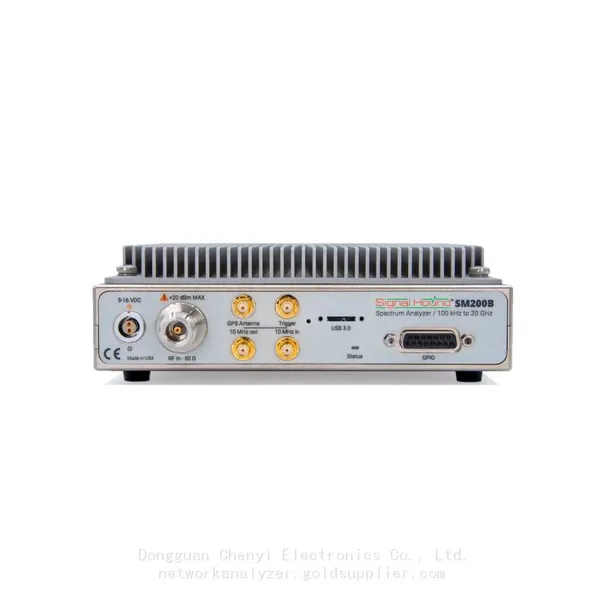
Signal Hound SM200B 100 KHz to 20 GHz Real-time Spectrum Analyzer Monitoring ReceiversNegotiableMOQ: 1 Unit
-
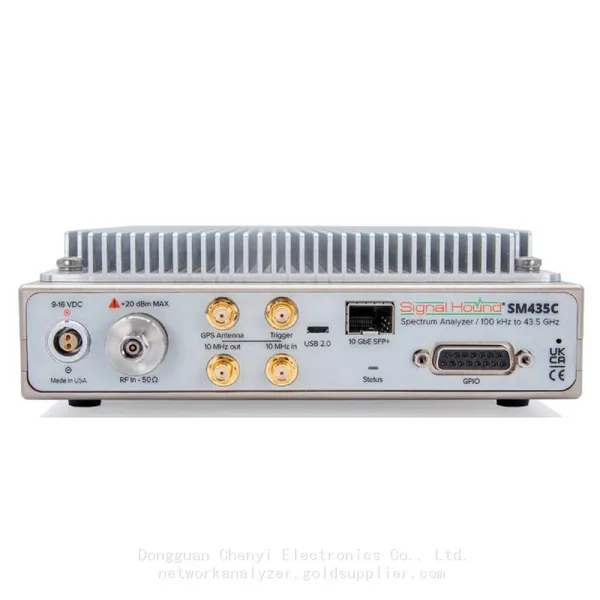
Signal Hound SM435C 100 KHz to 43.5GHz Real-time Spectrum Analyzer With 10GbE Monitoring ReceiversNegotiableMOQ: 1 Unit
-
Signal Hound SM435B 100 KHz to 43.5GHz Real-time Spectrum Analyzer Monitoring ReceiversNegotiableMOQ: 1 Unit
-
Signal Hound PN400 Phase Noise and VCO Test System 100 KHz to 43.5 GHzNegotiableMOQ: 1 Unit
-
Keysight E4980A Precision LCR Meter 20 Hz to 2 MHzNegotiableMOQ: 1 Unit
-
Keysight E4980B and E4980BL Precision LCR Meter 20 Hz to 2 MHzNegotiableMOQ: 1 Unit
-
Keysight U1733C Handheld LCR Meter 100Hz 120Hz 1kHz 10kHz 100kHzNegotiableMOQ: 1 Unit