
 Business License

The Ultimate Guide to Buying RF Test Equipment: From Needs Analysis to Supplier Evaluation
1. The Budget That Looked Smart Until the First Test
A startup building LoRa-based environmental sensors approved a $18,000 equipment budget based on a single spectrum analyzer quote. The team ordered the analyzer, some cables, and an attenuator, believing that covered their testing needs. On the first day of validation, they discovered they could not measure transmitter output power without a power meter, could not generate the LoRa signal for receiver testing without a vector signal generator, and could not check antenna match without a network analyzer. The follow-up purchases added roughly 60% to the original budget and delayed the project by three weeks.
This scenario repeats constantly in labs that buy equipment reactively rather than planning around their measurement requirements. RF test equipment is expensive, and the difference between a smart purchase and a costly mistake often comes down to the process used to define the requirements.
This guide walks through a practical framework for buying RF test equipment: analyzing your measurement needs, translating them into instrument requirements, evaluating suppliers, comparing new versus used options, and managing the purchase process from quote to delivery.
2. Step One: Define Your Measurement Requirements
Every equipment purchase should start with a written statement of the measurements you need to make. This statement should describe each measurement, the frequency range involved, the expected signal levels, the accuracy required, and how often the measurement will be performed. The statement serves as the reference against which every instrument candidate is evaluated.
For a product development project, the measurement requirements derive from the product specification. A wireless sensor that transmits at 868 MHz with an output power of 14 dBm needs a spectrum analyzer covering at least that frequency, a power measurement capability in the relevant range, and possibly a vector signal generator to test the receiver. Write these requirements down before looking at any instrument datasheet.
For a production test line, the requirements include throughput. A production test that must process 200 units per hour needs instruments with fast measurement speed, automated test capability, and minimal setup time between units. These operational requirements are as important as the electrical specifications and are easy to overlook when the focus is on datasheet parameters.
Consider also the environment where the instruments will operate. A lab bench with stable temperature and power allows lower-cost instruments. A factory floor with temperature swings, vibration, and power fluctuations needs more rugged equipment with wider operating temperature ranges. Field testing adds portability and battery or USB power requirements.
Document the measurement requirements in a form that the whole team can review. Circulate the draft to the engineers who will use the instruments daily, the quality manager who certifies the results, and the procurement staff who will negotiate with suppliers. Each stakeholder brings a different perspective: the engineer knows the signal characteristics, the quality manager knows the compliance requirements, and procurement knows the budget constraints. A requirements document that integrates all three views reduces the risk of buying the wrong instrument.
3. Step Two: Translate Requirements Into Instrument Specifications
Once the measurement requirements are documented, translate them into instrument specifications. The table below shows common measurement needs and the instrument specifications they drive.
| Measurement Need | Driven Specification | Example Value |
|---|---|---|
| Highest frequency signal to measure | Frequency range | 6 GHz or 20 GHz |
| Weakest signal to detect | DANL (displayed average noise level) | -155 dBm/Hz or better |
| Strongest signal near a weak one | Dynamic range, phase noise, TOI | Depends on frequency separation |
| Digital modulation to generate | Vector capability, modulation bandwidth | VSG with 100 MHz bandwidth |
| Transient signals to capture | Real-time bandwidth, POI | 40 MHz real-time, 10 microsecond POI |
| Measurement speed for production | Sweep/measurement time, automation API | Fast FFT, SCPI or Python API |
This translation step prevents two common mistakes. The first is over-specifying: buying an instrument with far more capability than needed, paying for unused performance. The second is under-specifying: buying an instrument that cannot perform a required measurement, forcing an expensive second purchase.
A useful discipline is to identify the single most demanding requirement in each category. If your highest measurement frequency is 6.5 GHz, an instrument covering 9 kHz to 6 GHz will not work; you need 7 GHz or 8 GHz coverage. If your weakest signal is -120 dBm and your measurement needs 10 dB of margin above the noise floor, you need a DANL of roughly -130 dBm or better at the relevant resolution bandwidth.
4. Step Three: New vs Used vs Demonstration Units
The decision between new, used, and demonstration instruments is primarily a cost-versus-risk trade-off. New instruments carry full warranty, latest firmware, and full calibration. They are the safest choice for compliance-critical work, though they command the highest price.
Used instruments cost substantially less, often 40% to 70% of the new price, but carry higher risk. The key mitigations are a current calibration certificate, a functional test report, and a reasonable warranty from the seller. A used instrument that has been calibrated and tested by a reputable dealer is often an excellent value for engineering development and non-critical production testing.
Demonstration units are instruments that were used for showroom or loan purposes. They typically have low usage hours, full warranty remaining, and a discount of 10% to 30% off new pricing. They can be an attractive middle ground, combining near-new condition with a meaningful price reduction. Dongguan Chenyi Electronics Co Ltd regularly offers demonstration units of major brands with fresh calibration and full manufacturer warranty.
The decision framework: if the instrument supports a product that must pass regulatory certification, buy new or ensure the used unit's calibration and history are impeccable. If the instrument supports internal development or production where a calibration failure can be caught by spot checks, a quality used or demonstration unit saves money without meaningful risk.
5. Step Four: Evaluate the Supplier
The instrument is only part of the purchase; the supplier's reliability determines your experience before, during, and after the sale. A structured supplier evaluation covers stock availability, authenticity, calibration service, warranty support, and after-sales response.
Stock availability matters for production timelines. A supplier that must order instruments from the manufacturer may take weeks to deliver, while a distributor with local stock can ship within days. Confirm delivery lead time in writing before committing to a purchase.
Authenticity and condition verification protect you from gray-market or counterfeit instruments. Ask how the supplier sources its instruments, whether it verifies manufacturer authenticity, and whether it provides the original accessories and documentation. A reputable distributor stands behind the condition of what it sells.
After-sales support includes calibration arrangement, repair service, and technical assistance. Ask whether the supplier provides calibration services or partners with accredited laboratories, whether repair is handled locally or shipped back to the manufacturer, and what the typical turnaround time is. For a production environment, downtime matters; a supplier with fast repair turnaround is worth a premium.
At Chenyi Electronics, we consider after-sales service part of the product. We provide calibration coordination, technical support for instrument configuration, and repair referrals for the brands we distribute. This is a meaningful differentiator for customers who cannot afford extended downtime.
6. Step Five: Get Quotes and Compare Total Cost
When comparing quotes, look beyond the instrument price. The total cost of ownership includes shipping and import duties, calibration fees over the instrument's life, accessories and cables, warranty extensions, and potential repair costs. Two quotes with similar instrument prices can differ substantially in total cost once these factors are included.
Request itemized quotes that list the instrument, each accessory, calibration status, warranty period, and delivery terms. Compare the same configuration across suppliers, not just the headline instrument price. Confirm whether calibration is included in the price or billed separately.
Ask about lead times and payment terms. Some suppliers offer volume discounts, education discounts, or trade-in programs for old instruments. These can reduce cost significantly but require negotiation and often advance commitment. Include any applicable discounts in the comparison.
Do not neglect the cost of cables, adapters, and accessories. A spectrum analyzer is only as accurate as the cables that connect it to the device under test. High-quality RF cables with good shielding and stable phase response are not inexpensive, and a lab often needs several lengths and connector types.
Attenuators, power splitters, and calibration kits for network analyzers add further cost. Include these items in the total budget rather than treating them as minor purchases.
7. Step Six: Plan the Delivery and Acceptance Process
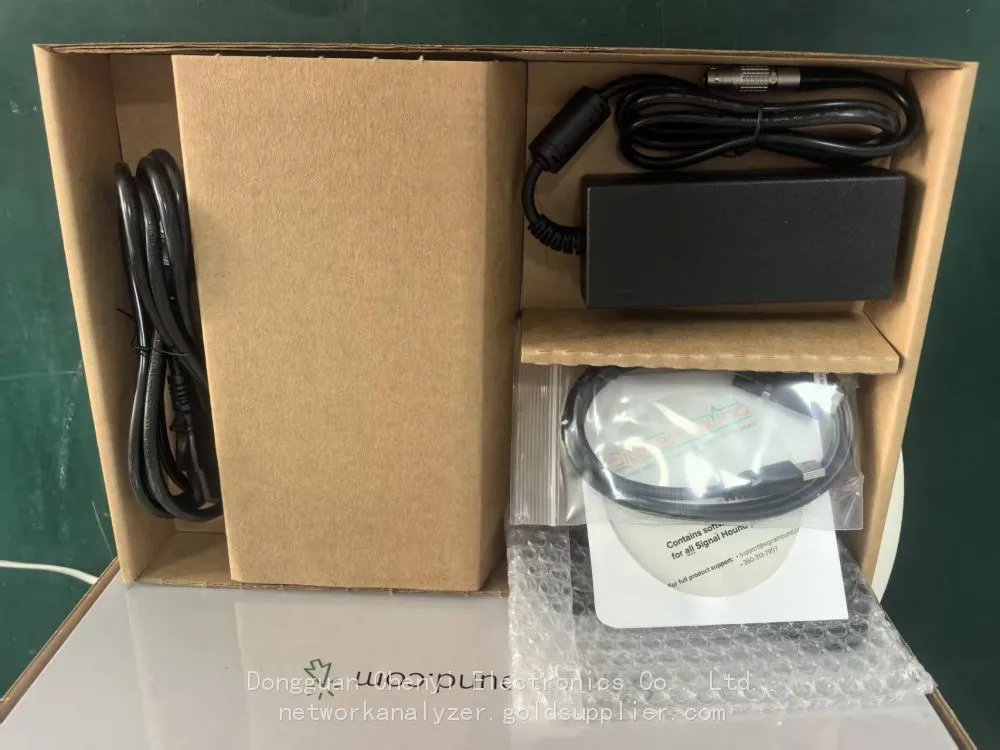
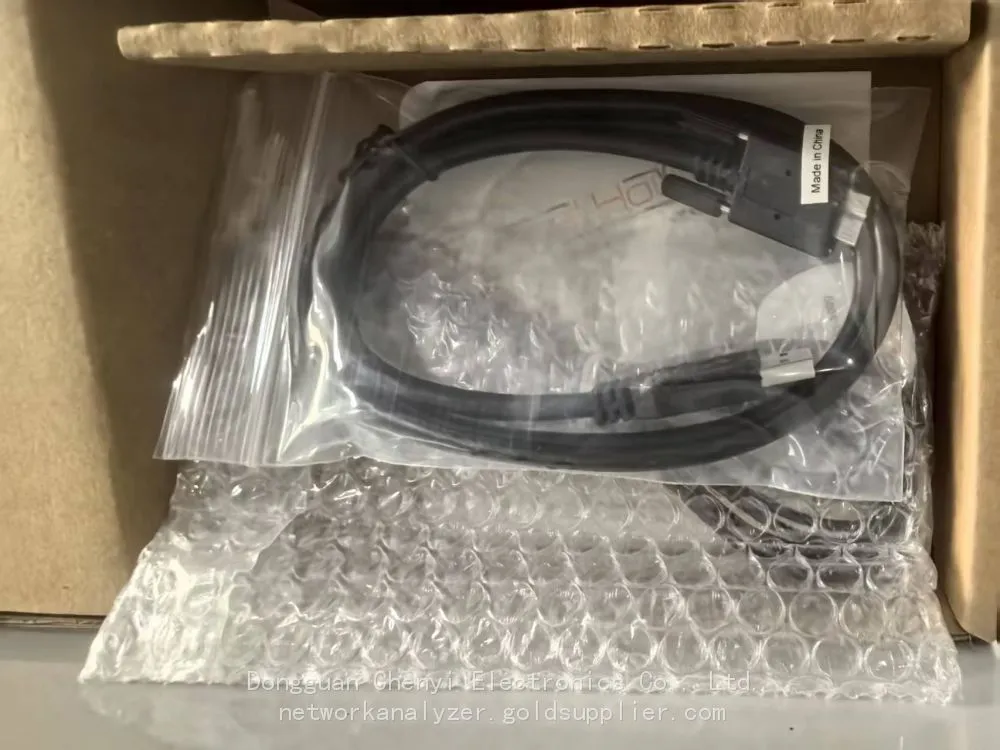
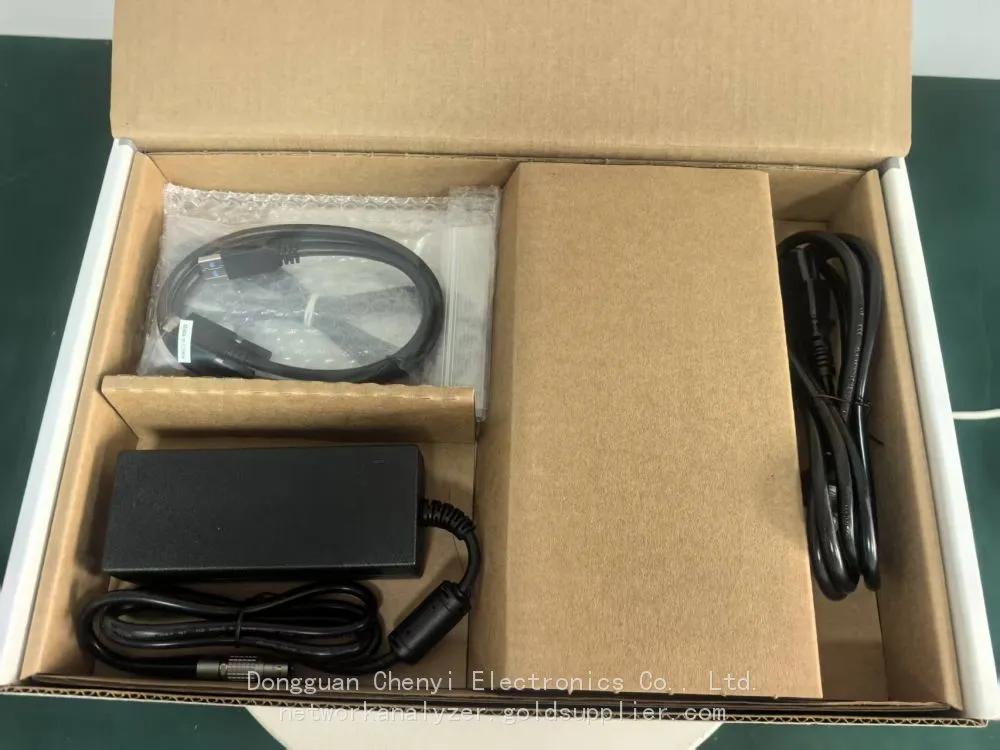
The purchase process does not end when the instrument arrives. A proper acceptance process protects your investment and ensures the instrument performs as specified. Begin with an unboxing inspection: verify the instrument matches the order, check for shipping damage, and confirm all accessories and documentation are present.
Next, verify the calibration certificate matches the instrument's serial number and covers the parameters you rely on. If the instrument arrived with an expired or missing certificate, do not accept it without addressing the issue. A current certificate is part of what you paid for.
Verify that all software licenses and firmware options are transferred and active. Some instruments ship with optional measurement applications that must be activated by license key. Confirm that the options you ordered are enabled on the delivered unit, and that any software subscriptions or updates included in the purchase are registered under your company name. This step prevents unpleasant surprises when you first attempt to use a licensed measurement feature.
Finally, perform a functional check using known reference signals. Measure a known source with the instrument and compare against expected values. This functional check confirms the instrument works after shipping and provides a baseline for future comparison.
Not long ago, an IoT device manufacturer in Southeast Asia sourced a batch of spectrum analyzers from an online marketplace rather than an authorized distributor. Three of the five units arrived with expired calibration certificates and no manufacturer documentation. Two of the three had measurable amplitude errors exceeding 2 dB.
The company contacted Chenyi Electronics, which supplied replacement units with current calibration and coordinated the return of the non-conforming instruments. The production line was back to full operation within a week.
8. Frequently Asked Questions
8.1 How much should I budget for RF test equipment?
A practical budget depends on the measurements you must make. A basic lab setup for sub-6 GHz wireless development, including a spectrum analyzer, vector signal generator, and a few accessories, typically starts in the range of tens of thousands of US dollars. Adding a network analyzer, power meter, or higher-frequency instruments increases the budget accordingly. Start with the measurement requirements, translate them to instrument specifications, and obtain quotes before setting a final budget.
8.2 Is it better to buy from the manufacturer or a distributor?
Buying directly from the manufacturer works well when you need full customization or the manufacturer offers significant direct purchase discounts. A distributor often provides faster delivery from local stock, consolidated multi-brand purchasing, calibration coordination, and a single point of contact for after-sales support. For most buyers, a reputable distributor offers the better balance of service and price, especially when purchasing multiple instrument types.
8.3 Can I buy used RF test equipment safely?
Yes, with the right precautions. Buy from a reputable dealer that provides a current calibration certificate, a functional test report, and a warranty. Verify the instrument's firmware is current and that the dealer can supply or arrange accessories and calibration going forward.
Avoid instruments with unknown history, missing documentation, or prices that seem too good to be true. A quality used instrument from a trusted dealer is often a smart investment.
8.4 What should I check before accepting delivery of an instrument?
Check that the instrument model, options, and accessories match the order. Inspect the packaging and instrument for shipping damage. Verify the calibration certificate is current and matches the serial number.
Perform a functional test with known signals to confirm the instrument measures correctly. If anything is missing or non-conforming, document it immediately and contact the supplier before using the instrument.
Recently Posted
-
Vector Signal Generator vs Analog Signal Generator: Application Scenarios and Selection Decisions
September 1, 20261. The Two-Generator Test Bench That Solved a Production PuzzleA contract electronics manufacturer producing wireless sensors kept Read More
 -
Vector Signal Generator Explained: Principles, Architecture, and Core Functions
August 31, 20261. When a Simple Signal Source Is Not EnoughAn R&D team developing a new Wi-Fi 6 access point spent a week validating their re Read More
 -
Software-Defined Instruments: How USB Spectrum Analyzers Are Changing the RF Testing Industry
August 17, 20261. The Benchtop Instrument That Would Not Fit in a Carry-OnAn RF field engineer arrived at a remote cell site in a mountainous reg Read More
 -
Spectrum Monitoring Solutions for Broadcast Radio and Television Transmission Stations
August 17, 20261. When a 50 kW FM Transmitter Goes SilentA regional FM broadcaster serving roughly 2 million listeners lost its main transmitter Read More

Contact Us
Recommended Products
-
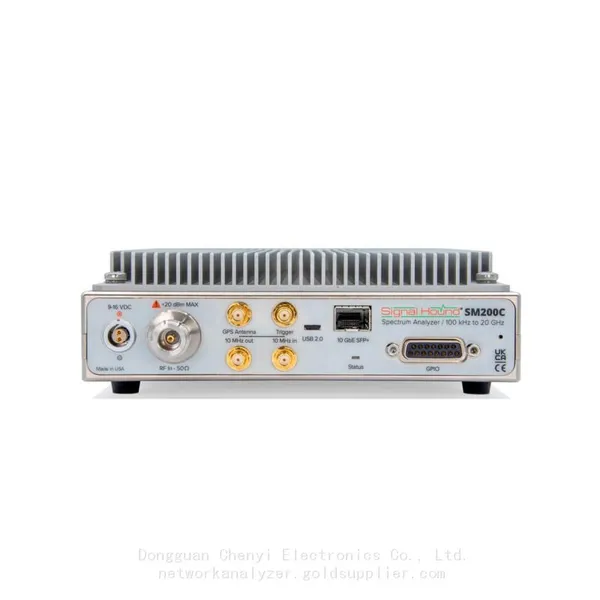
 Signal Hound SM200C 100 KHz to 20 GHz Real-time Spectrum Analyzer With 10GbE Monitoring ReceiversNegotiableMOQ: 1 Unit
 -
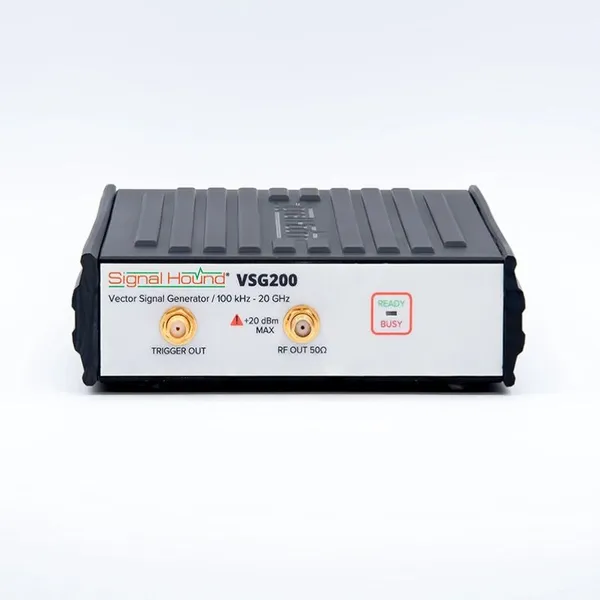
Signal Hound VSG200 Vector Signal Generator 100 KHz to 20 GHzNegotiableMOQ: 1 Unit
-
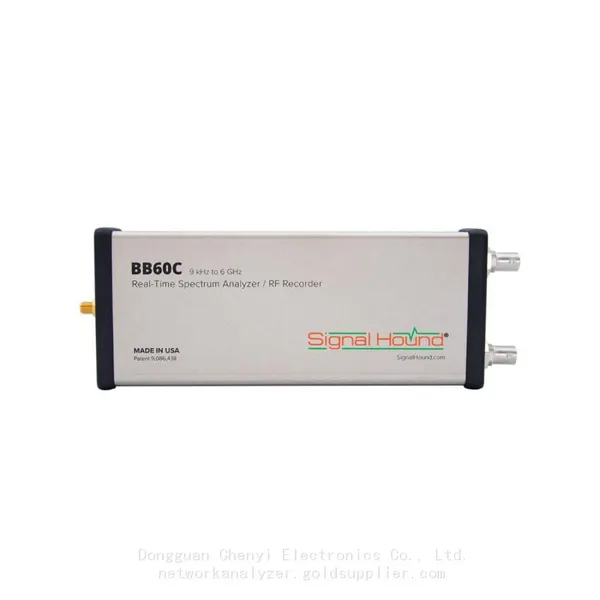
Signal Hound BB60C 9 KHz to 6 GHz Real-time Spectrum AnalyzerNegotiableMOQ: 1 Unit
-
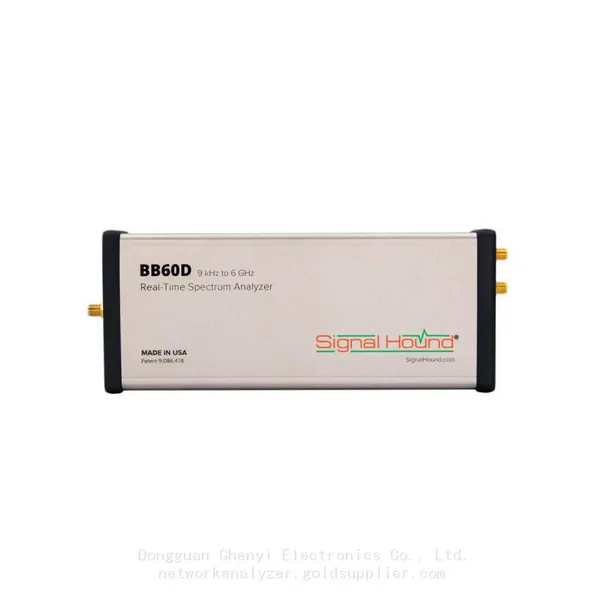
Signal Hound BB60D 9 KHz to 6 GHz Real-time Spectrum AnalyzerNegotiableMOQ: 1 Unit
-
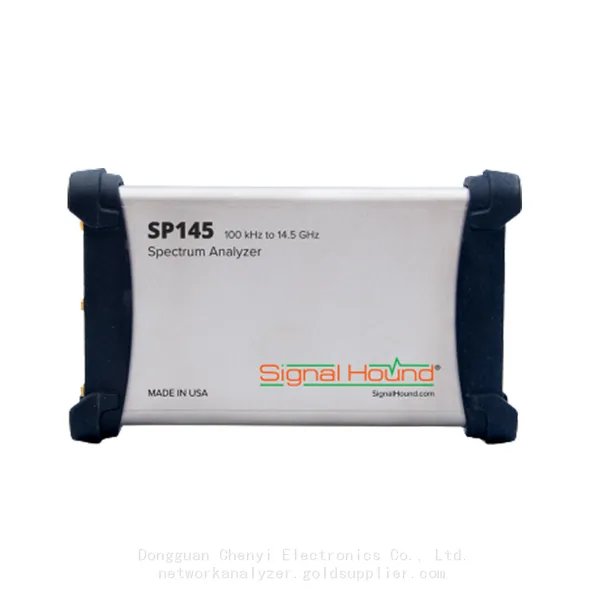
Signal Hound SP145 100 KHz to 14.5 GHz Real-time Spectrum Analyzer Monitoring ReceiversNegotiableMOQ: 1 Unit
-
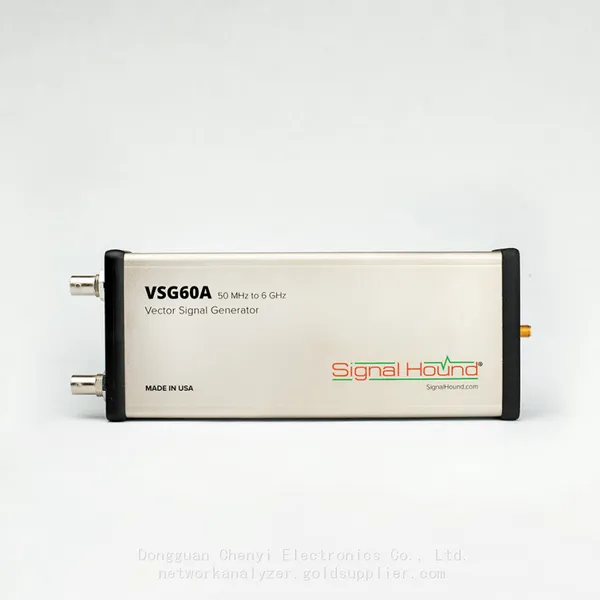
Signal Hound VSG60A 50 MHz to 6 GHz GHz Vector Signal GeneratorNegotiableMOQ: 1 Unit
-
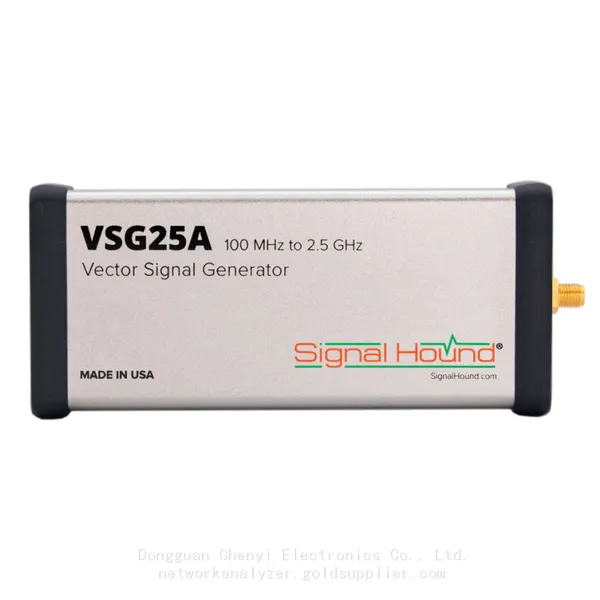
Signal Hound VSG25A 100 MHz to 2.5 GHz Vector Signal GeneratorNegotiableMOQ: 1 Unit
-
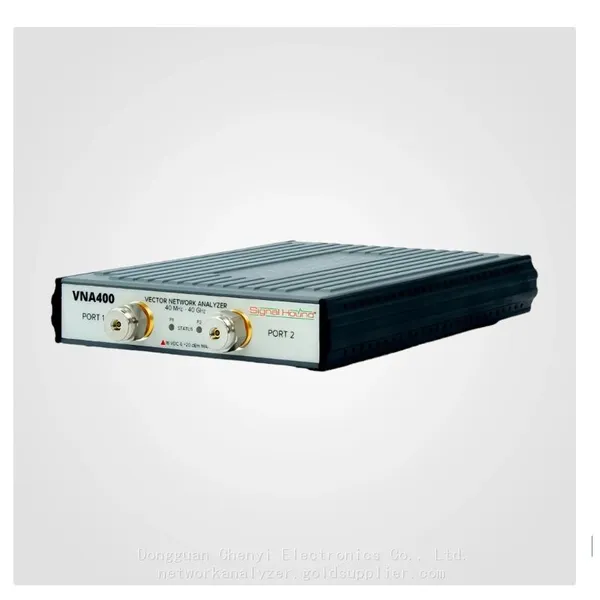
Signal Hound VNA400 40 MHz to 40 GHz 2-port Vector Network AnalyzerNegotiableMOQ: 1 Unit
-
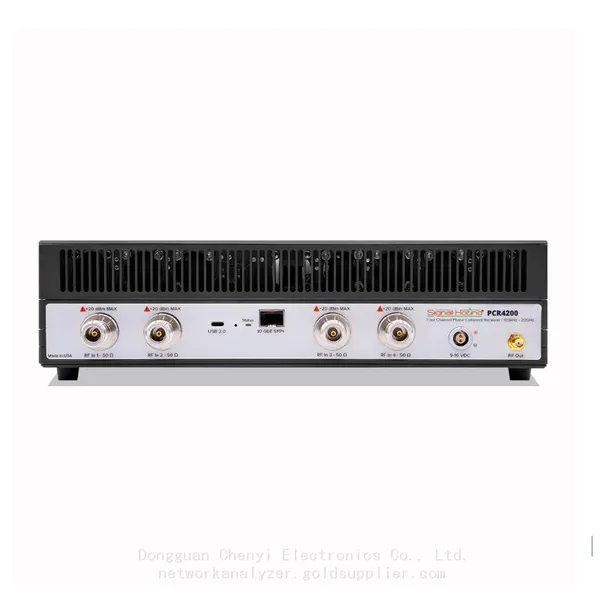
Signal Hound PCR4200 100 KHz to 20 GHz Four-Channel Phase Coherent ReceiverNegotiableMOQ: 1 Unit
-
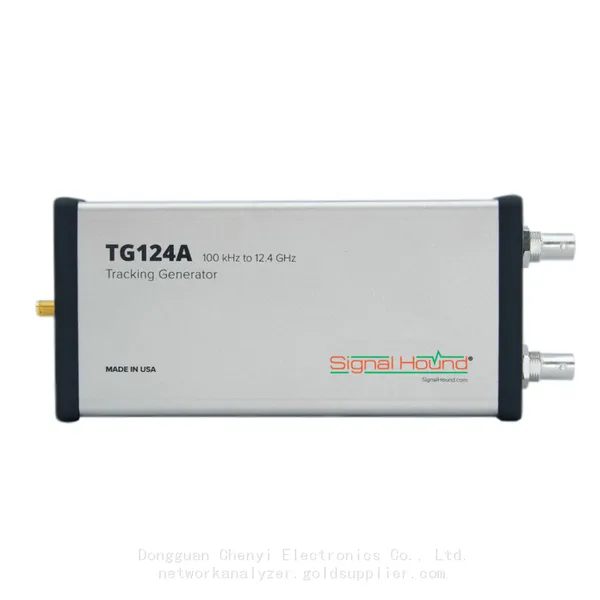
Signal Hound TG124A 100 KHz to 12.4 GHz Tracking GeneratorNegotiableMOQ: 1 Unit
-
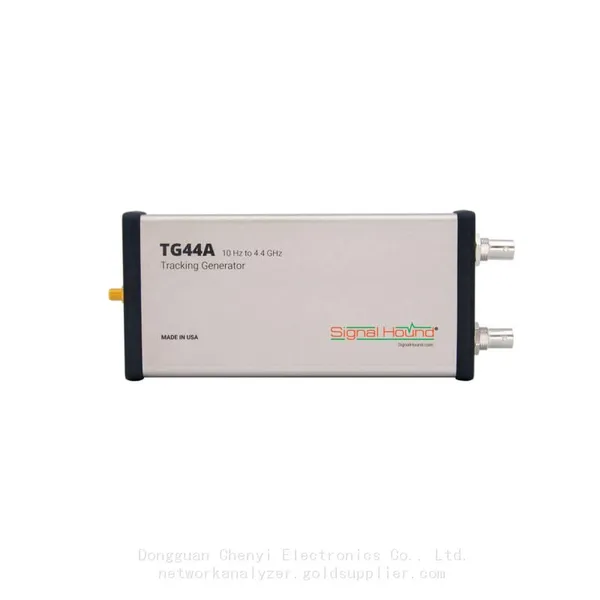
Signal Hound TG44A 10 Hz to 4.4 GHz t Tracking GeneratorNegotiableMOQ: 1 Unit
-
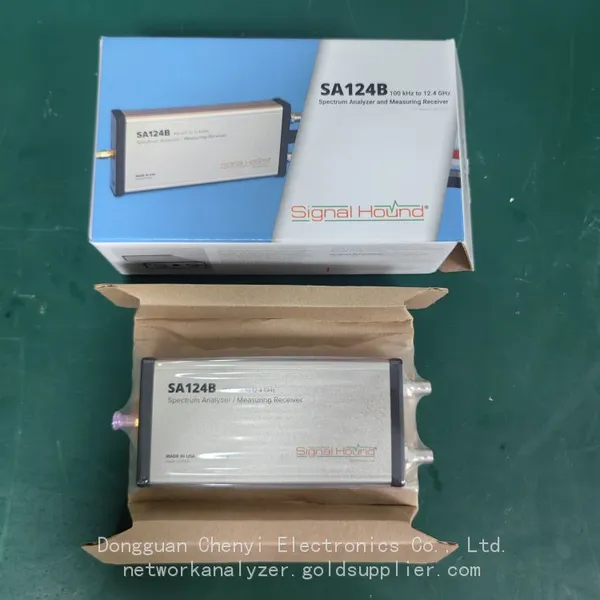
Signal Hound SA124B 100 KHz to 12.4 GHz Spectrum AnalyzerNegotiableMOQ: 1 Unit
-
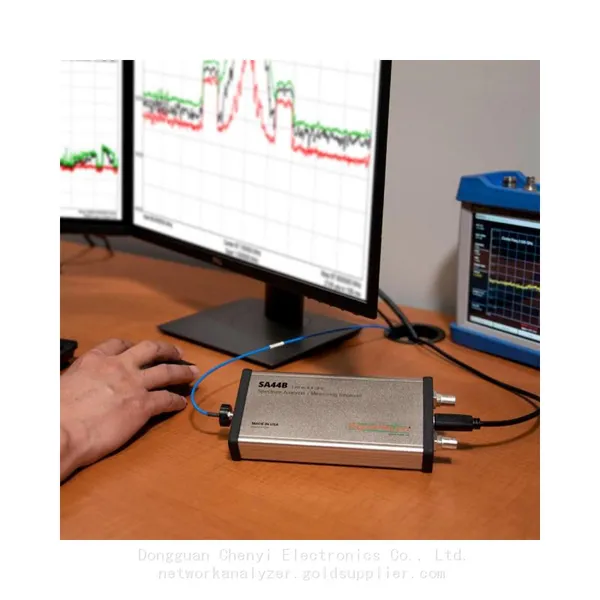
Signal Hound SA44B 1 Hz to 4.4 GHz Spectrum AnalyzerNegotiableMOQ: 1 Unit
-
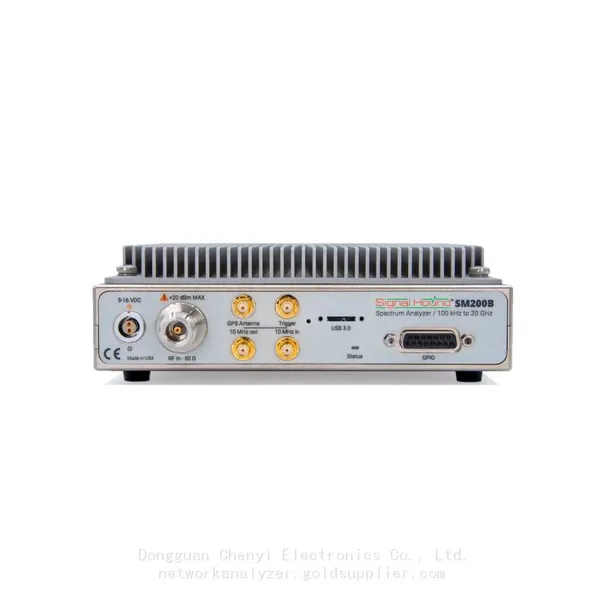
Signal Hound SM200B 100 KHz to 20 GHz Real-time Spectrum Analyzer Monitoring ReceiversNegotiableMOQ: 1 Unit
-
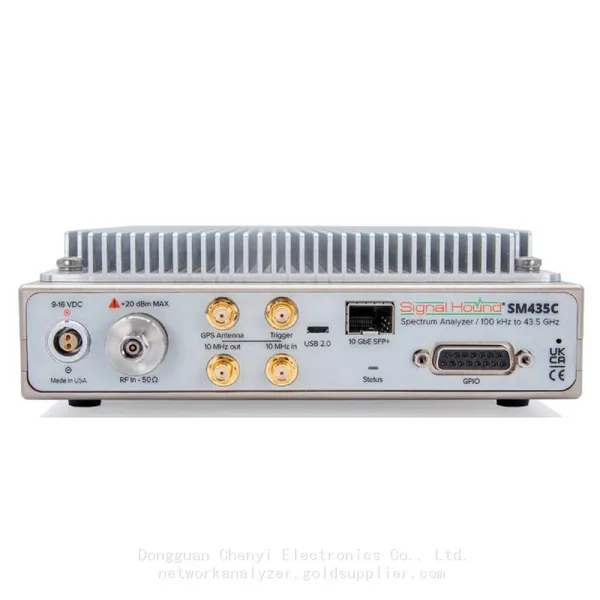
Signal Hound SM435C 100 KHz to 43.5GHz Real-time Spectrum Analyzer With 10GbE Monitoring ReceiversNegotiableMOQ: 1 Unit
-
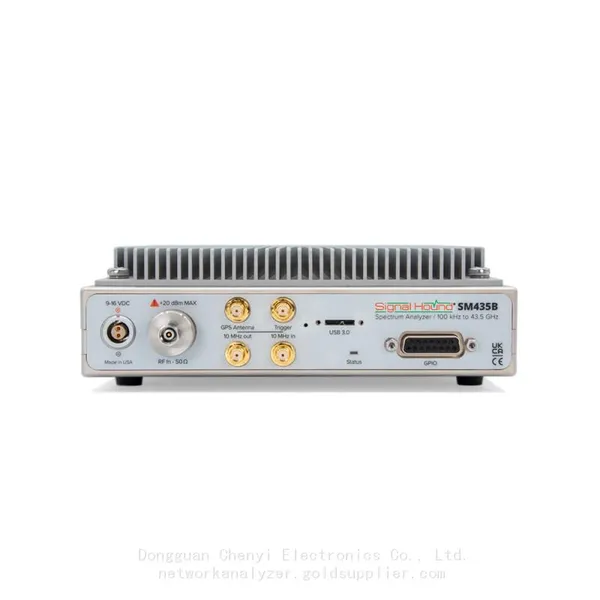
Signal Hound SM435B 100 KHz to 43.5GHz Real-time Spectrum Analyzer Monitoring ReceiversNegotiableMOQ: 1 Unit
-
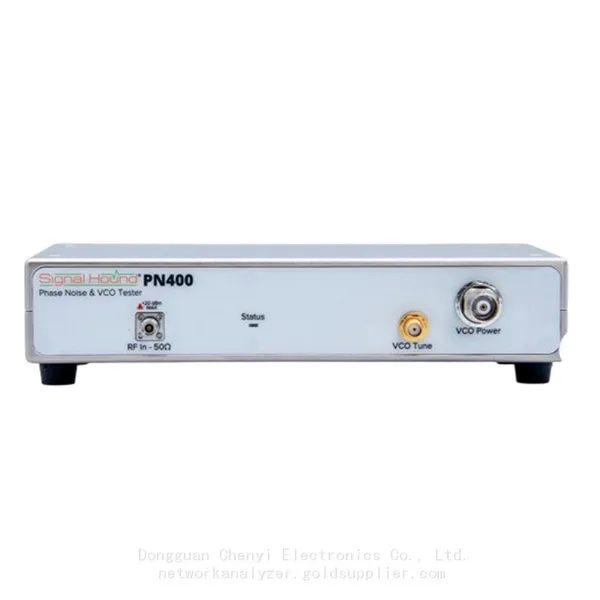
Signal Hound PN400 Phase Noise and VCO Test System 100 KHz to 43.5 GHzNegotiableMOQ: 1 Unit
-
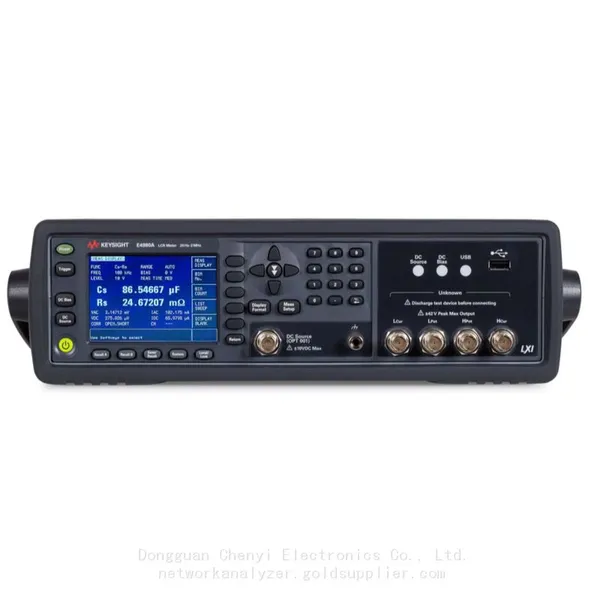
Keysight E4980A Precision LCR Meter 20 Hz to 2 MHzNegotiableMOQ: 1 Unit
-
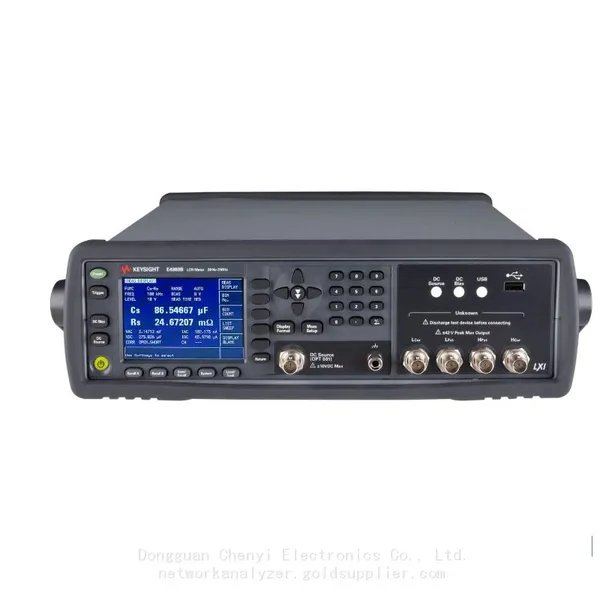
Keysight E4980B and E4980BL Precision LCR Meter 20 Hz to 2 MHzNegotiableMOQ: 1 Unit
-
Keysight U1733C Handheld LCR Meter 100Hz 120Hz 1kHz 10kHz 100kHzNegotiableMOQ: 1 Unit