
 Business License

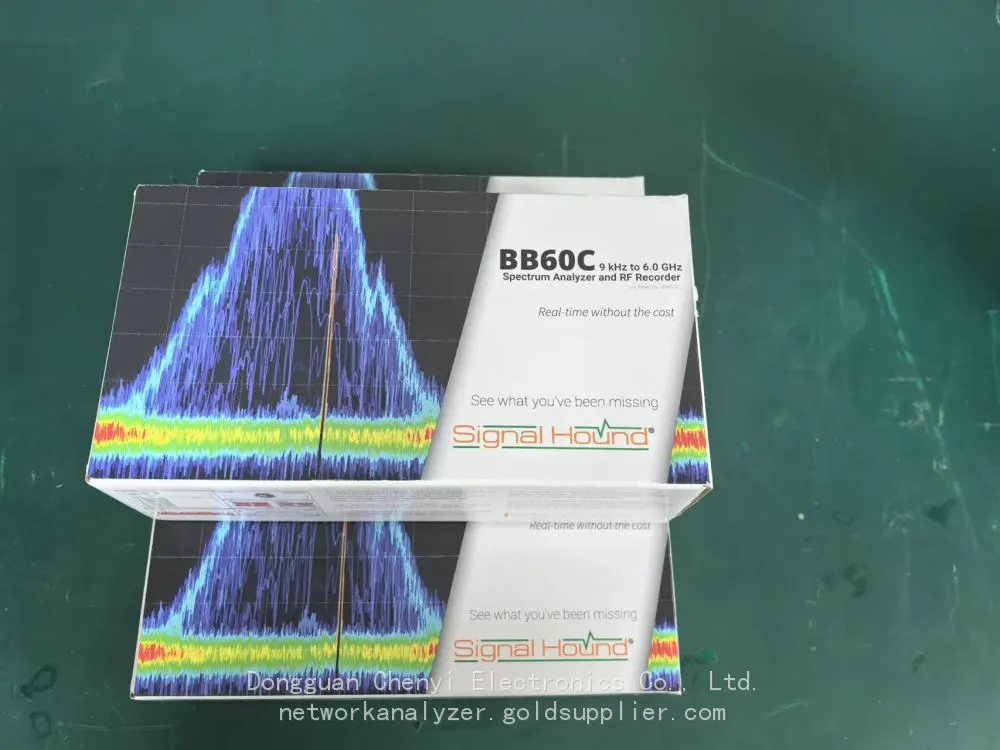
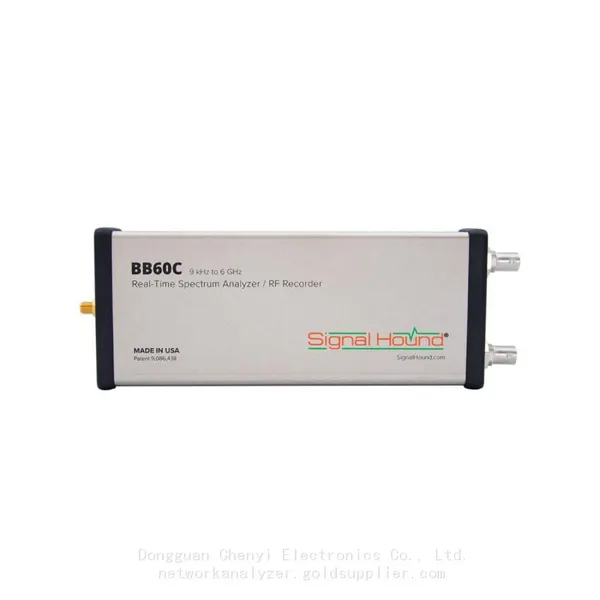
Monitoring and Direction-Finding System Based on Signal Hound BB60C
I. Introduction: BB60C – The Backbone of Modern Monitoring & Direction Finding (DF) Systems
In the era of dense RF environments—where unauthorized transmissions, signal interference, and spectrum congestion pose critical challenges—monitoring and direction finding (DF) systems demand two non-negotiable capabilities: ultra-wideband capture and real-time signal processing. The Signal Hound BB60C Wideband Real-Time Spectrum Analyzer emerges as a game-changing core component for such systems, offering 9kHz–6GHz frequency coverage, 160MHz Instantaneous Bandwidth (IBW), and high-speed I/Q data streaming—all at a cost point that makes scalable DF deployments feasible for government agencies, public safety teams, and private enterprises.
Unlike specialized DF receivers that lock users into proprietary ecosystems, the BB60C’s open architecture and robust I/Q output enable seamless integration with third-party DF antennas, signal processing software, and multi-channel synchronization tools. “The BB60C was designed to be a flexible building block, not a closed system,” explains Bruce Devine, CEO of Signal Hound. “Its ability to deliver raw, high-fidelity I/Q data at 160MHz bandwidth lets engineers build custom DF solutions tailored to their specific use cases—without sacrificing performance.”
II. Key Capabilities of the BB60C for Monitoring & DF Systems
To serve as the foundation of a reliable monitoring/DF system, the BB60C combines hardware ruggedness with software flexibility. Below are the critical features that set it apart:
1. Ultra-Wideband Real-Time Capture for Signal Detection
• Frequency Range: 9kHz–6GHz (full coverage of VHF, UHF, and microwave bands used in commercial, public safety, and industrial communications)
• Instantaneous Bandwidth: 160MHz IBW (supports capture of wideband signals like LTE-A, Wi-Fi 6, and software-defined radio (SDR) transmissions—critical for identifying emerging interference sources)
• Capture Speed: Up to 2.5GSps sampling rate with 12-bit ADC resolution, ensuring no transient signals (e.g., burst transmissions, hopping signals) are missed
• Dynamic Range: 100dB (typical) at 1GHz, enabling detection of weak signals (down to -160dBm/Hz) even in the presence of strong adjacent-channel interference
2. High-Speed Data Streaming for Real-Time DF Processing
• Interface Options: USB 3.0 (up to 5Gbps) or 10GbE (optional upgrade) for low-latency I/Q data transfer to host PCs or edge computing devices
• I/Q Data Format: Raw, unfiltered I/Q samples (16-bit complex integers) compatible with leading DF software (e.g., GNU Radio, MathWorks MATLAB, Keysight PathWave)
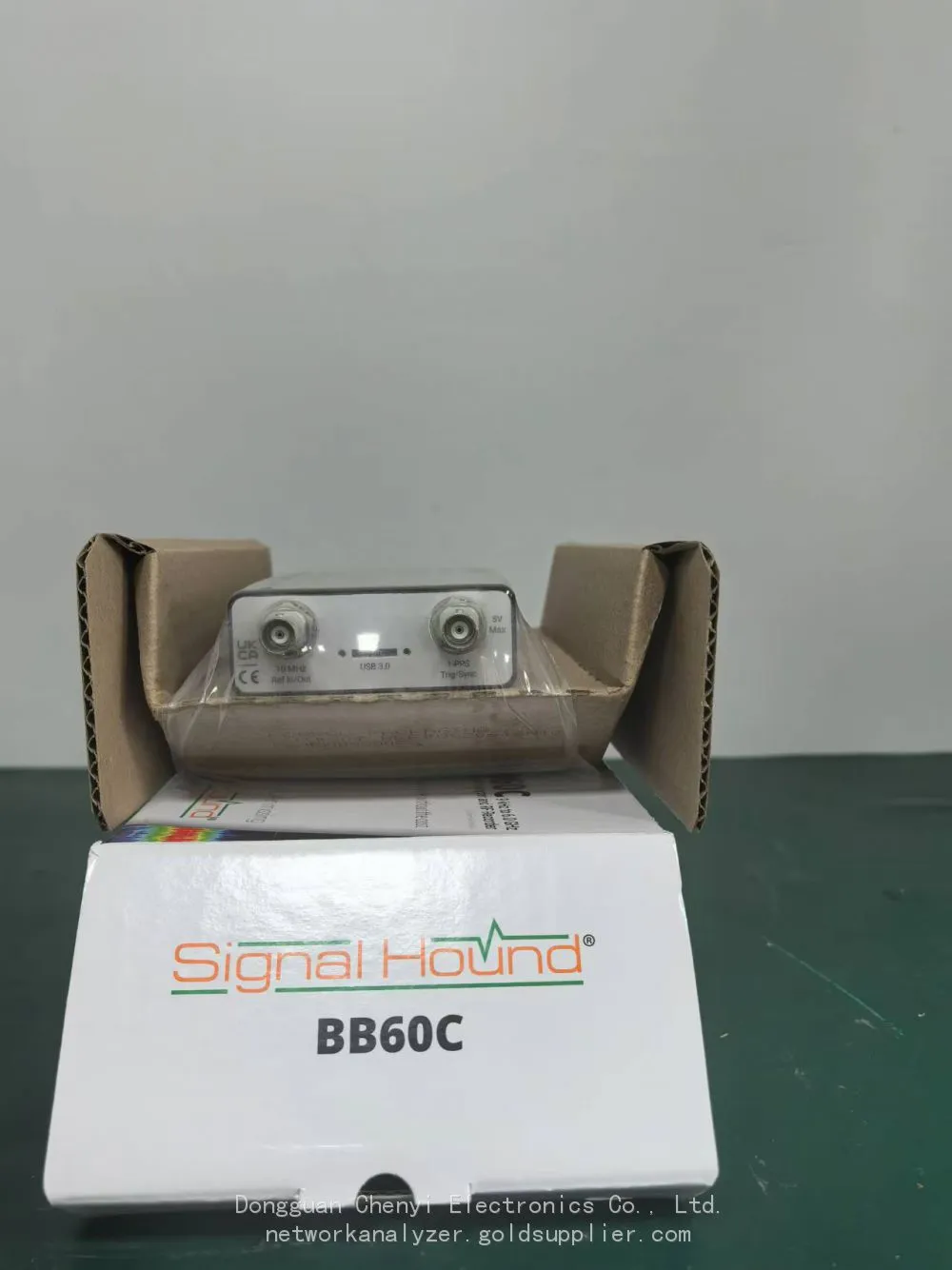
• Synchronization Support: 10MHz reference input/output and PPS (Pulse Per Second) trigger for multi-channel BB60C synchronization—essential for phase-coherent DF arrays
3. Rugged Design for Field & Fixed Deployments
• Form Factor: 3.2kg compact chassis (1U rack-mountable with optional kit) for fixed monitoring stations; fanless operation (optional) for silent, low-maintenance deployments
• Operating Conditions: -10°C to 55°C (standard), with -40°C to 70°C wide-temperature option for harsh environments (e.g., remote field sites, aerospace applications)
• Power Efficiency: 25W typical power draw, suitable for battery-powered mobile DF systems (e.g., vehicle-mounted or portable kits)
4. Software Ecosystem for Monitoring & DF Workflows
• Spike Software: Signal Hound’s free software provides real-time spectrum visualization, waterfall plots, and frequency mask triggering (FMT) to flag anomalous signals
• Open API: Python, C++, and .NET APIs for custom DF algorithm integration (e.g., time-difference-of-arrival (TDOA), phase interferometry, amplitude comparison)
• Third-Party Compatibility: Pre-integrated with DF antenna systems from manufacturers like Cobham, Rhode & Schwarz, and Antenna Research Associates (ARA)
III. Building a BB60C-Based Monitoring & DF System: Architectures & Use Cases
The BB60C’s flexibility allows it to adapt to three common monitoring/DF system architectures—portable, mobile, and fixed. Below are practical implementations and real-world applications:
1. Portable DF System (For Field Interference Hunting)
Architecture: Single BB60C + handheld DF antenna (e.g., ARA AD-100) + laptop running custom DF software
Key Use Case: Locating unauthorized transmitters (e.g., pirate radios, jammers) or interference sources (e.g., faulty industrial equipment) in urban or remote areas.
Customer Testimonial: A public safety agency reported: “We deployed a portable BB60C DF system to track a cell phone jammer disrupting emergency communications. The 160MHz IBW let us capture the jammer’s wideband signal, while the TDOA algorithm (integrated via Python API) pinpointed its location within 10 meters—all in under 30 minutes. Compared to our previous DF receiver, the BB60C is 1/4 the size and 1/3 the cost.”
2. Mobile DF System (Vehicle-Mounted for Wide-Area Monitoring)
Architecture: Two synchronized BB60Cs + roof-mounted multi-element antenna array + in-vehicle computer + GPS receiver
Key Use Case: Real-time tracking of moving transmitters (e.g., emergency response teams, drone operators) or wide-area spectrum monitoring (e.g., border security, event management).
Technical Advantage: The BB60C’s 10MHz reference sync ensures phase coherence between channels, enabling accurate TDOA calculations even at high vehicle speeds (up to 120km/h). The 10GbE interface streams data to the in-vehicle computer for real-time position plotting on mapping software.
3. Fixed Monitoring & DF Network (For Permanent Spectrum Surveillance)
Architecture: 4–8 BB60Cs (distributed across a geographic area) + fixed directional antennas + central server running networked DF software
Key Use Case: 24/7 spectrum monitoring for government agencies (e.g., FCC, military) to detect unauthorized transmissions, identify interference, and maintain spectrum compliance.
Implementation Example: A utility company deployed a fixed BB60C network to monitor communications in the 2.4GHz/5GHz bands near power substations. The system automatically alerts engineers to interference from industrial IoT devices or rogue Wi-Fi access points, reducing downtime caused by communication failures.
IV. Critical Considerations for BB60C DF System Design
To maximize performance, keep these key factors in mind when building a BB60C-based DF system:
1. Antenna Selection
• For portable systems: Choose a compact, omnidirectional DF antenna (e.g., Cobham ARA-400) with wideband coverage (9kHz–6GHz)
• For fixed/mobile systems: Opt for phase-coherent antenna arrays (e.g., 4-element circular arrays) to improve bearing accuracy (down to ±1°)
• For wideband signals: Use low-loss coaxial cables (e.g., RG-400) to minimize signal degradation between the antenna and BB60C
2. Synchronization for Multi-Channel Systems
• Use a high-stability external clock (e.g., OCXO) to sync multiple BB60Cs—this reduces phase drift and improves TDOA accuracy
• Enable PPS triggering to align time stamps across channels, critical for geolocation calculations
3. DF Algorithm Selection
DF Algorithm | Best For | BB60C Compatibility |
Time-Difference-of-Arrival (TDOA) | Wide-area tracking, moving targets | Ideal—160MHz IBW supports wideband signal TDOA |
Phase Interferometry | High-accuracy fixed-site monitoring | Requires phase-coherent BB60C sync |
Amplitude Comparison | Low-cost portable systems | Works with single BB60C + directional antenna |
4. Software Optimization
• Use GPU acceleration (e.g., NVIDIA CUDA) for real-time DF processing of 160MHz I/Q data
• Leverage the BB60C’s FPGA-based signal processing to offload tasks like filtering and downsampling, reducing host CPU load
V. BB60C vs. Specialized DF Receivers: A Cost-Benefit Analysis
For many organizations, the decision to use the BB60C over a dedicated DF receiver comes down to flexibility and total cost of ownership (TCO):
Factor | BB60C-Based System | Specialized DF Receiver |
Upfront Cost | 15k–25k per channel (including antenna/software) | 50k–150k per channel |
Flexibility | Supports custom algorithms, multi-purpose (monitoring + DF + signal analysis) | Locked into proprietary software/antennas |
Scalability | Add more BB60Cs for larger DF arrays | Limited by manufacturer’s hardware ecosystem |
Maintenance | Free software updates, readily available spare parts | High-cost service contracts |
Key Takeaway: For organizations needing a versatile system that can adapt to evolving spectrum threats (e.g., new interference sources, emerging communication standards), the BB60C offers unmatched value. It functions not just as a DF receiver, but as a full-featured spectrum analyzer—eliminating the need for separate instruments.
VI. Conclusion: The BB60C – Your Trusted Partner for Spectrum Monitoring & DF
In a world where spectrum security and interference mitigation are increasingly critical, the Signal Hound BB60C stands out as the ideal foundation for monitoring and direction finding systems. Its combination of ultra-wideband capture, high-speed data streaming, and open architecture enables engineers to build custom solutions that meet their unique requirements—whether for portable fieldwork, mobile tracking, or fixed-site surveillance.
Unlike rigid, high-cost specialized DF receivers, the BB60C empowers users to iterate and scale their systems as needs change. It’s a tool that bridges the gap between performance and affordability, making professional-grade monitoring/DF capabilities accessible to organizations of all sizes.
Whether you’re tasked with locating a rogue transmitter, securing critical infrastructure, or maintaining spectrum compliance, the BB60C delivers the reliability, flexibility, and performance needed to stay ahead of RF threats. It’s not just a spectrum analyzer—it’s the backbone of a smarter, more adaptable monitoring and direction finding system.
Recently Posted
-
Software-Defined Instruments: How USB Spectrum Analyzers Are Changing the RF Testing Industry
August 17, 20261. The Benchtop Instrument That Would Not Fit in a Carry-OnAn RF field engineer arrived at a remote cell site in a mountainous reg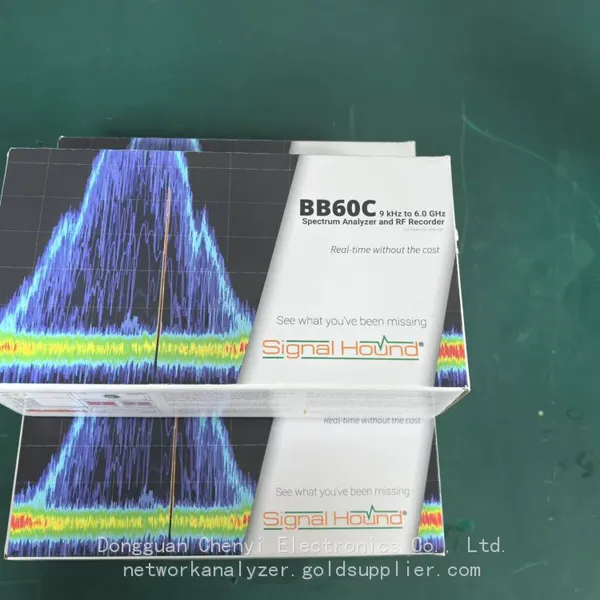 Read More
 -
Spectrum Monitoring Solutions for Broadcast Radio and Television Transmission Stations
August 17, 20261. When a 50 kW FM Transmitter Goes SilentA regional FM broadcaster serving roughly 2 million listeners lost its main transmitter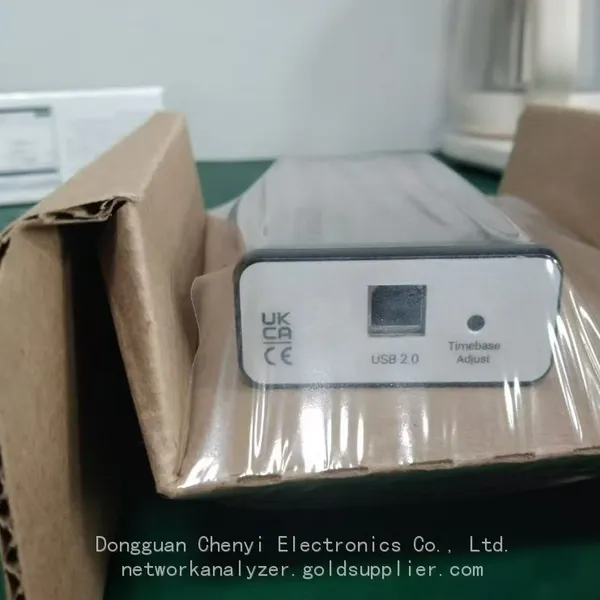 Read More
 -
Understanding Spectrum Analyzer Key Specifications: DANL, Phase Noise, TOI, and RBW
August 14, 20261. The Specification That Cost Two Weeks of DebuggingAn RF design team spent two weeks trying to measure the third harmonic of a 2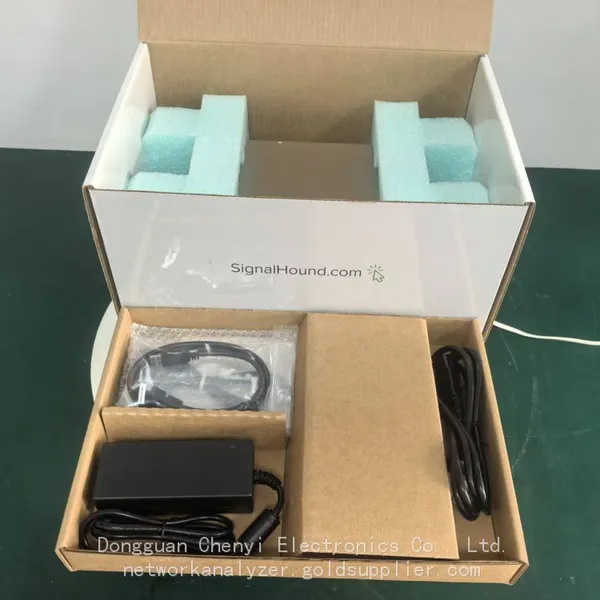 Read More
 -
Real-Time Spectrum Analyzer vs Traditional Swept Spectrum Analyzer: Which One Fits Modern RF Testing
August 13, 20261. The Purchase Decision That Engineers Keep Getting WrongA test equipment manager at a contract manufacturer ordered three tradit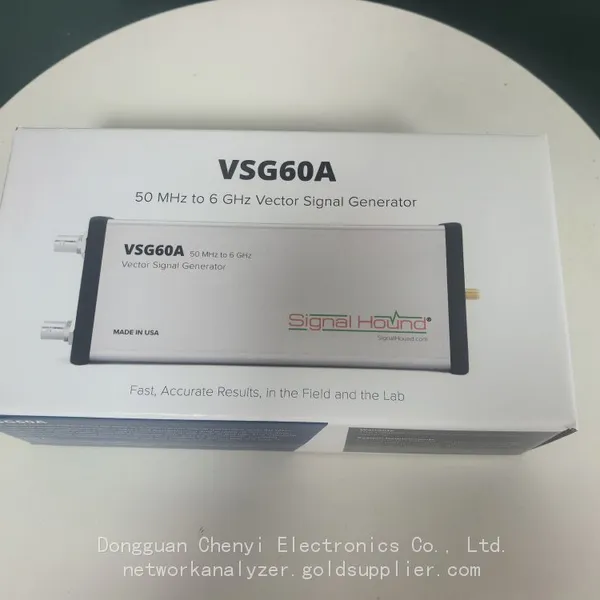 Read More

Contact Us
Recommended Products
-
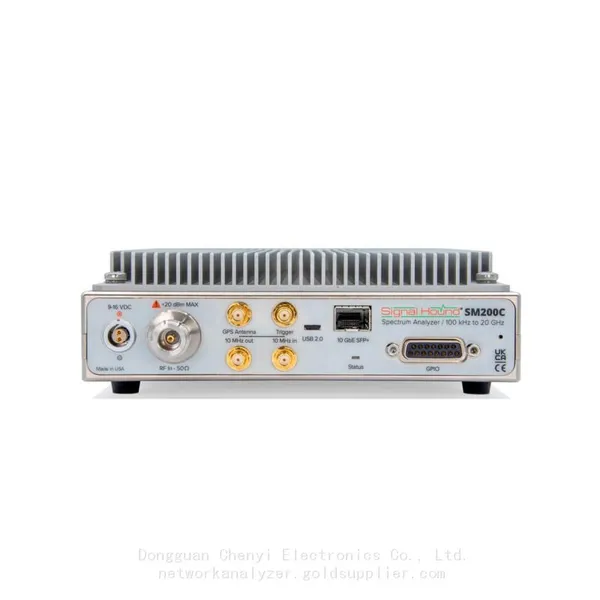
 Signal Hound SM200C 100 KHz to 20 GHz Real-time Spectrum Analyzer With 10GbE Monitoring ReceiversNegotiableMOQ: 1 Unit
 -
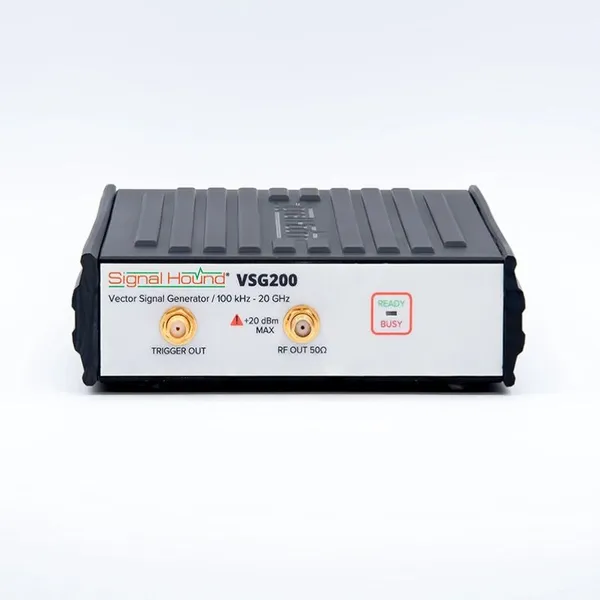
Signal Hound VSG200 Vector Signal Generator 100 KHz to 20 GHzNegotiableMOQ: 1 Unit
-
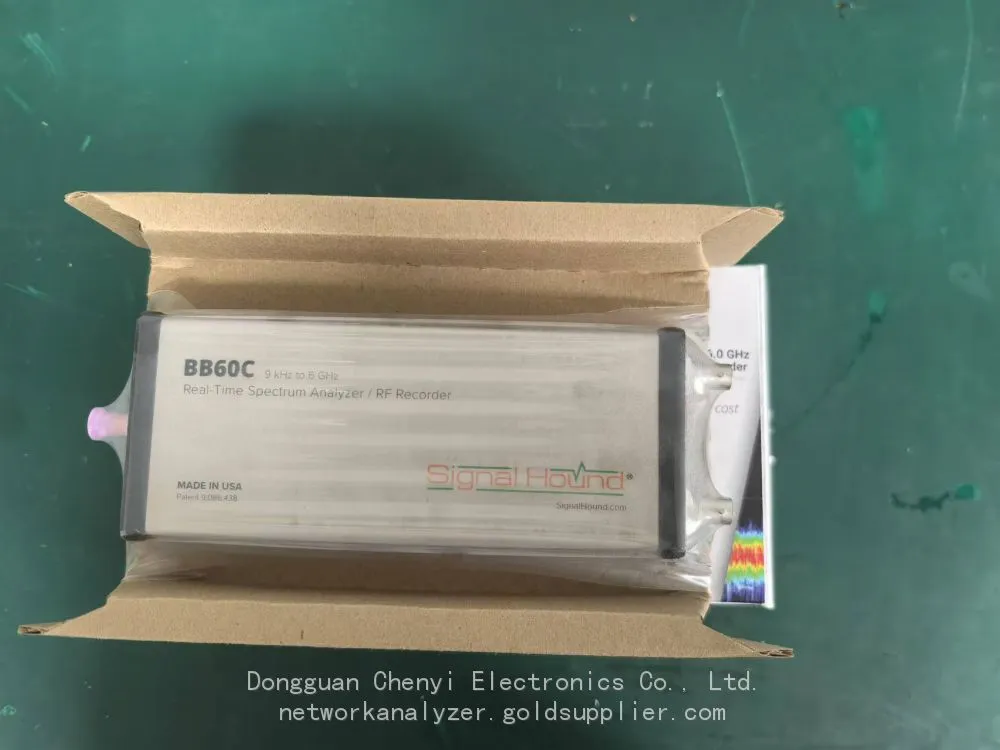
Signal Hound BB60C 9 KHz to 6 GHz Real-time Spectrum AnalyzerNegotiableMOQ: 1 Unit
-
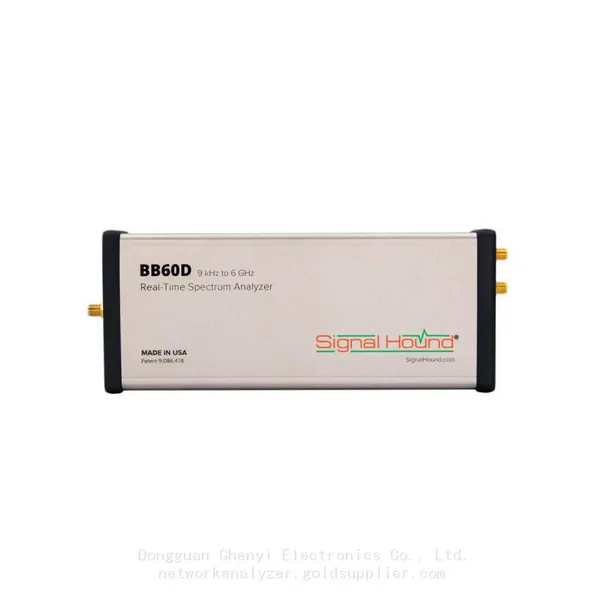
Signal Hound BB60D 9 KHz to 6 GHz Real-time Spectrum AnalyzerNegotiableMOQ: 1 Unit
-
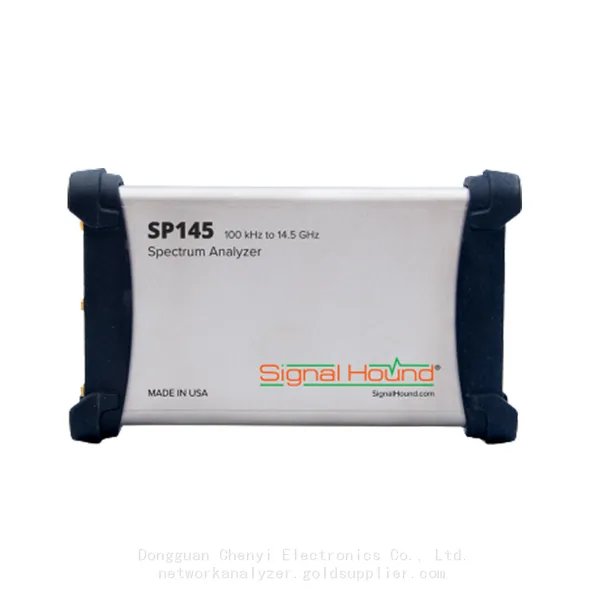
Signal Hound SP145 100 KHz to 14.5 GHz Real-time Spectrum Analyzer Monitoring ReceiversNegotiableMOQ: 1 Unit
-
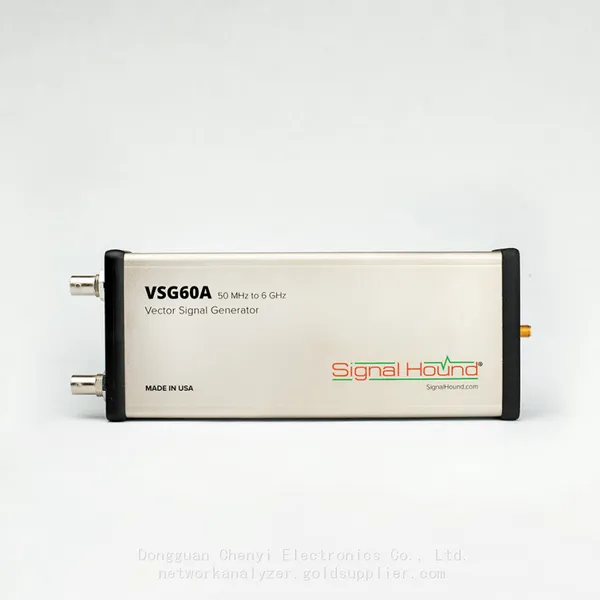
Signal Hound VSG60A 50 MHz to 6 GHz GHz Vector Signal GeneratorNegotiableMOQ: 1 Unit
-
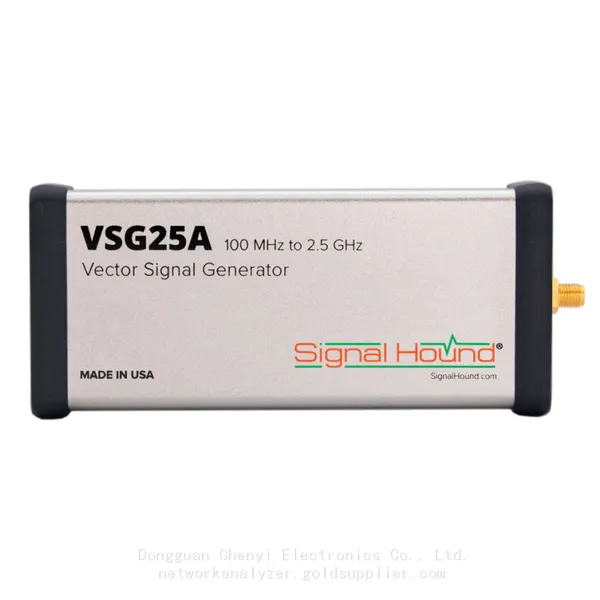
Signal Hound VSG25A 100 MHz to 2.5 GHz Vector Signal GeneratorNegotiableMOQ: 1 Unit
-
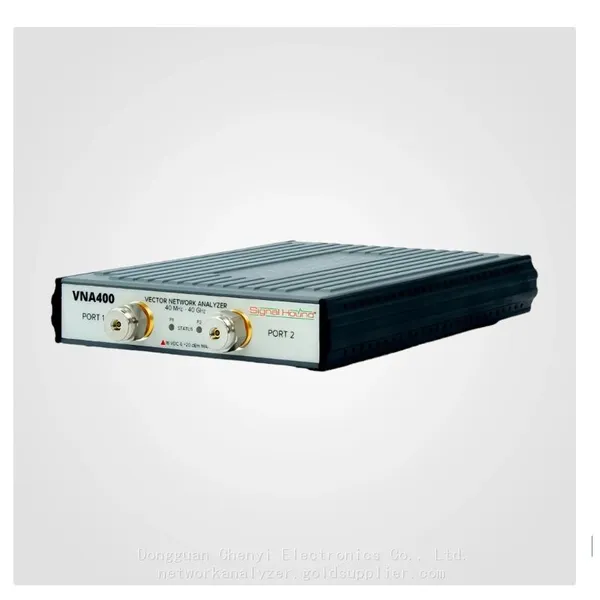
Signal Hound VNA400 40 MHz to 40 GHz 2-port Vector Network AnalyzerNegotiableMOQ: 1 Unit
-
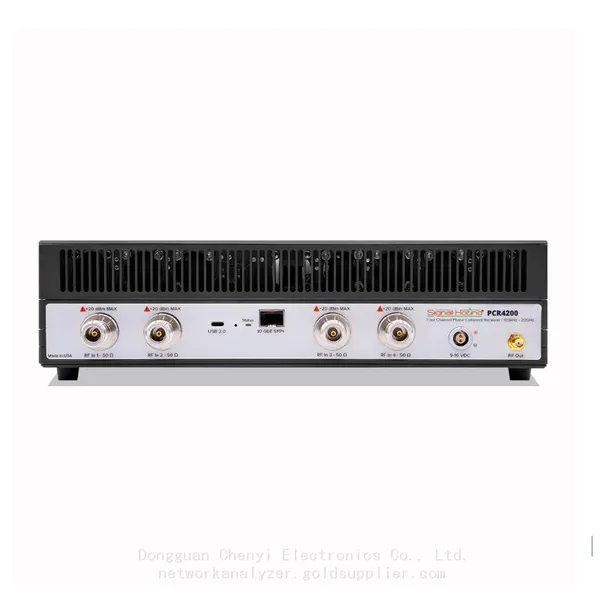
Signal Hound PCR4200 100 KHz to 20 GHz Four-Channel Phase Coherent ReceiverNegotiableMOQ: 1 Unit
-
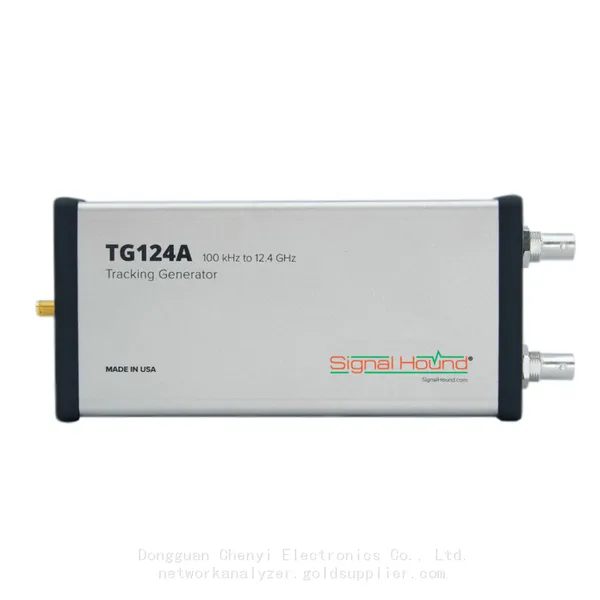
Signal Hound TG124A 100 KHz to 12.4 GHz Tracking GeneratorNegotiableMOQ: 1 Unit
-
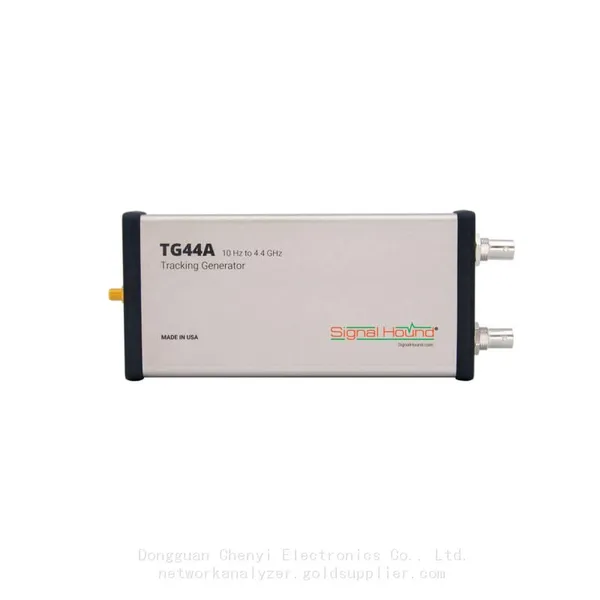
Signal Hound TG44A 10 Hz to 4.4 GHz t Tracking GeneratorNegotiableMOQ: 1 Unit
-
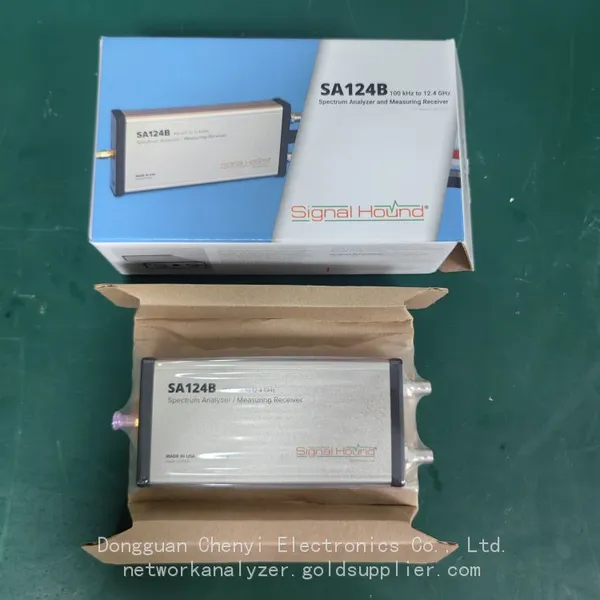
Signal Hound SA124B 100 KHz to 12.4 GHz Spectrum AnalyzerNegotiableMOQ: 1 Unit
-
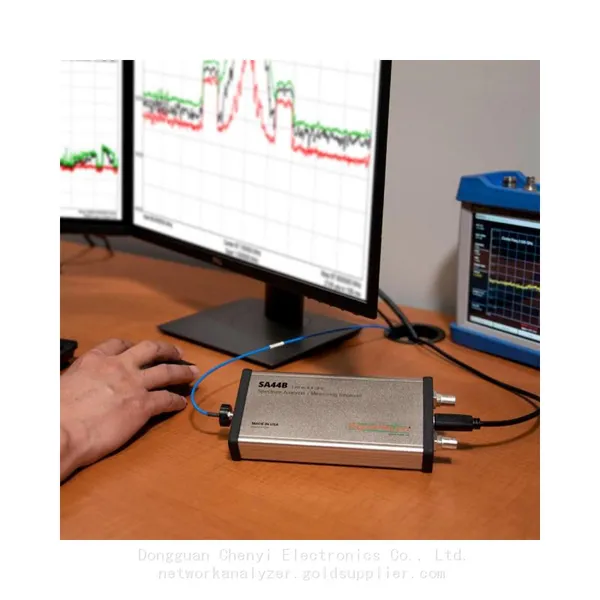
Signal Hound SA44B 1 Hz to 4.4 GHz Spectrum AnalyzerNegotiableMOQ: 1 Unit
-
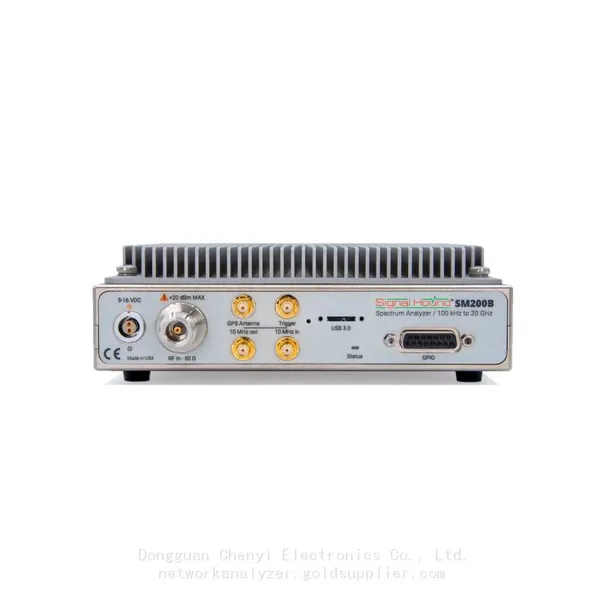
Signal Hound SM200B 100 KHz to 20 GHz Real-time Spectrum Analyzer Monitoring ReceiversNegotiableMOQ: 1 Unit
-
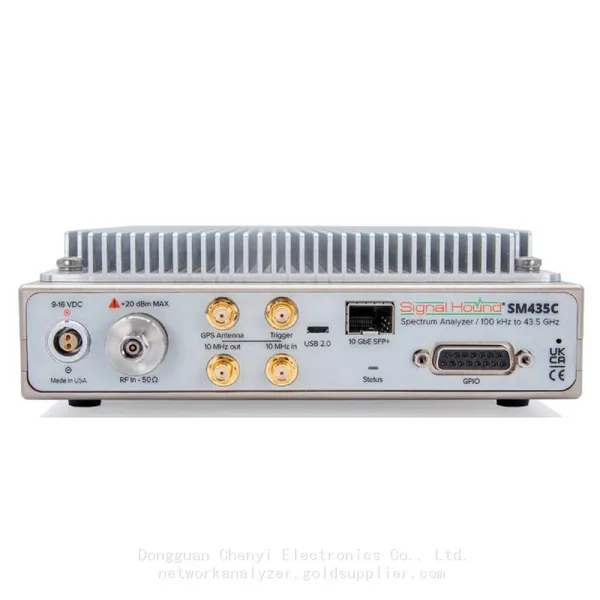
Signal Hound SM435C 100 KHz to 43.5GHz Real-time Spectrum Analyzer With 10GbE Monitoring ReceiversNegotiableMOQ: 1 Unit
-
Signal Hound SM435B 100 KHz to 43.5GHz Real-time Spectrum Analyzer Monitoring ReceiversNegotiableMOQ: 1 Unit
-
Signal Hound PN400 Phase Noise and VCO Test System 100 KHz to 43.5 GHzNegotiableMOQ: 1 Unit
-
Keysight E4980A Precision LCR Meter 20 Hz to 2 MHzNegotiableMOQ: 1 Unit
-
Keysight E4980B and E4980BL Precision LCR Meter 20 Hz to 2 MHzNegotiableMOQ: 1 Unit
-
Keysight U1733C Handheld LCR Meter 100Hz 120Hz 1kHz 10kHz 100kHzNegotiableMOQ: 1 Unit