
 Business License

Performance Features of the Signal Hound SP145 Monitoring Receiver
Performance Features of the Signal Hound SP145 Monitoring Receiver
Performance Features of the Signal Hound SP145 Monitoring Receiver
The Signal Hound SP145 stands out as a high-performance monitoring receiver designed to meet the rigorous demands of modern (RF) monitoring, signal analysis, and spectrum surveillance applications. Combining cutting-edge technology with user-centric design, this receiver delivers exceptional performance across key metrics, making it a reliable choice for engineers, researchers, and professionals in telecommunications, aerospace, defense, and electromagnetic compatibility (EMC) testing.
1. Wide Frequency Coverage for Versatile Monitoring
One of the most notable features of the SP145 is its broad frequency range, spanning from 9 kHz to 44 GHz. This extensive coverage enables users to monitor a diverse array of signals, including VHF/UHF communications, microwave links, satellite transmissions, and emerging 5G/6G signals. Unlike narrowband receivers that are limited to specific frequency bands, the SP145 eliminates the need for multiple devices, providing a one-stop solution for full-spectrum visibility. Whether tracking low-frequency industrial emissions or high-frequency aerospace signals, its wideband capability ensures no critical signal goes undetected.
2. Exceptional Sensitivity for Weak Signal Detection
Sensitivity is a critical performance (metric) for monitoring receivers, especially when dealing with weak or distant signals. The SP145 excels in this area, boasting a typical sensitivity of -164 dBm (1 Hz bandwidth) and -142 dBm (10 kHz bandwidth). This ultra-high sensitivity allows it to capture faint signals even in noisy environments, such as urban RF congestion or industrial interference. Equipped with advanced low-noise amplifiers (LNAs) and optimized front-end circuitry, the receiver minimizes internal noise and maximizes signal-to-noise ratio (SNR), ensuring accurate detection and analysis of weak signals that might be missed by less sensitive devices.
3. High Dynamic Range for Complex Signal Environments
In today’s crowded RF spectrum, receivers must handle strong interfering signals while maintaining clarity for weak target signals. The SP145 addresses this challenge with an impressive dynamic range—typically 110 dB (third-order intercept point, IP3) and 150 dB (spurious-free dynamic range, SFDR). This means the receiver can simultaneously process strong adjacent signals and weak desired signals without distortion or cross-talk. For applications like spectrum monitoring in dense urban areas or interference hunting in industrial settings, this high dynamic range ensures reliable signal capture and precise analysis.
4. Fast Sweep Speed and Real-Time Processing
The SP145 is engineered for speed, offering a sweep speed of up to 1 GHz/s across its full frequency range. This rapid sweep capability allows users to quickly survey large portions of the spectrum, identify transient signals, and track frequency-hopping transmissions. Additionally, the receiver features real-time signal processing with a 16-bit ADC and FPGA-based digital signal processing (DSP), enabling low-latency analysis of signals such as modulation characteristics, signal strength, and frequency stability. Whether conducting real-time spectrum monitoring or capturing short-duration events, the SP145’s speed and processing power ensure efficient and accurate data collection.
5. Flexible Connectivity and Software Integration
To adapt to diverse workflow requirements, the SP145 offers versatile connectivity options, including USB 3.0, Ethernet, and GPIO. The USB 3.0 interface provides high-speed data transfer (up to 10 Gbps) for streaming raw IQ data to a PC, while Ethernet enables remote control and integration into networked test systems. The receiver is also compatible with a range of software tools, including Signal Hound’s own Spike software—an intuitive platform for spectrum analysis, signal recording, and custom measurement scripts. Additionally, it supports standard programming interfaces (SCPI, Python, MATLAB) for seamless integration into automated test environments, making it ideal for both manual troubleshooting and high-volume testing applications.
6. Compact, Rugged Design for Field and Lab Use
Combining portability with durability, the SP145 features a compact form factor (1U rack-mountable or benchtop) and rugged construction, making it suitable for both laboratory and field deployments. Its robust chassis withstands harsh environmental conditions, while low power consumption (≤30 W) ensures extended operation in remote locations. Whether used in a controlled lab setting for EMC testing or transported to field sites for spectrum surveillance, the SP145’s design balances performance and practicality.
Conclusion
The Signal Hound SP145 monitoring receiver delivers a powerful combination of wide frequency coverage, exceptional sensitivity, high dynamic range, fast processing speed, and flexible integration—all packaged in a compact, rugged design. From spectrum monitoring and interference analysis to signal characterization and automated testing, it meets the diverse needs of professionals across industries. By leveraging advanced RF technology and user-centric features, the SP145 sets a new standard for performance and versatility in mid-range monitoring receivers, enabling users to tackle complex RF challenges with confidence and efficiency.


Recently Posted
-
Vector Signal Generator Explained: Principles, Architecture, and Core Functions
August 31, 20261. When a Simple Signal Source Is Not EnoughAn R&D team developing a new Wi-Fi 6 access point spent a week validating their re Read More
 -
Software-Defined Instruments: How USB Spectrum Analyzers Are Changing the RF Testing Industry
August 17, 20261. The Benchtop Instrument That Would Not Fit in a Carry-OnAn RF field engineer arrived at a remote cell site in a mountainous reg Read More
 -
Spectrum Monitoring Solutions for Broadcast Radio and Television Transmission Stations
August 17, 20261. When a 50 kW FM Transmitter Goes SilentA regional FM broadcaster serving roughly 2 million listeners lost its main transmitter Read More
 -
Understanding Spectrum Analyzer Key Specifications: DANL, Phase Noise, TOI, and RBW
August 14, 20261. The Specification That Cost Two Weeks of DebuggingAn RF design team spent two weeks trying to measure the third harmonic of a 2 Read More

Contact Us
Recommended Products
-
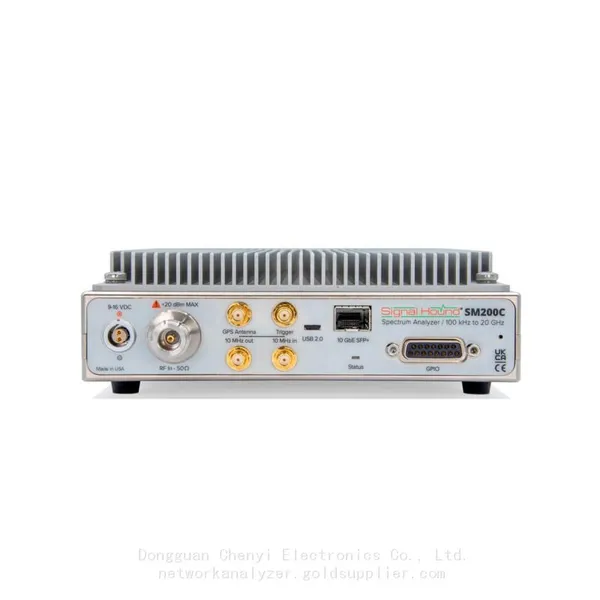
 Signal Hound SM200C 100 KHz to 20 GHz Real-time Spectrum Analyzer With 10GbE Monitoring ReceiversNegotiableMOQ: 1 Unit
 -
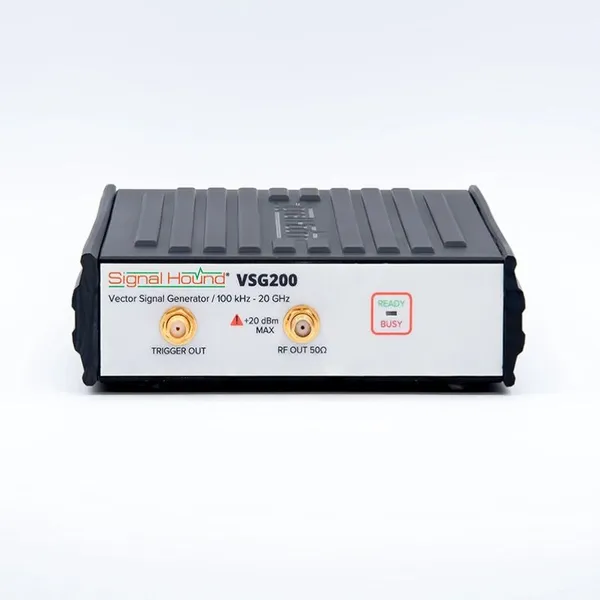
Signal Hound VSG200 Vector Signal Generator 100 KHz to 20 GHzNegotiableMOQ: 1 Unit
-
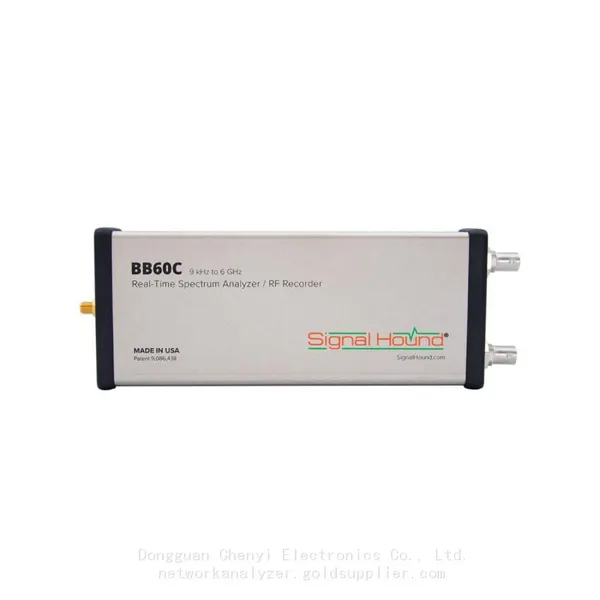
Signal Hound BB60C 9 KHz to 6 GHz Real-time Spectrum AnalyzerNegotiableMOQ: 1 Unit
-
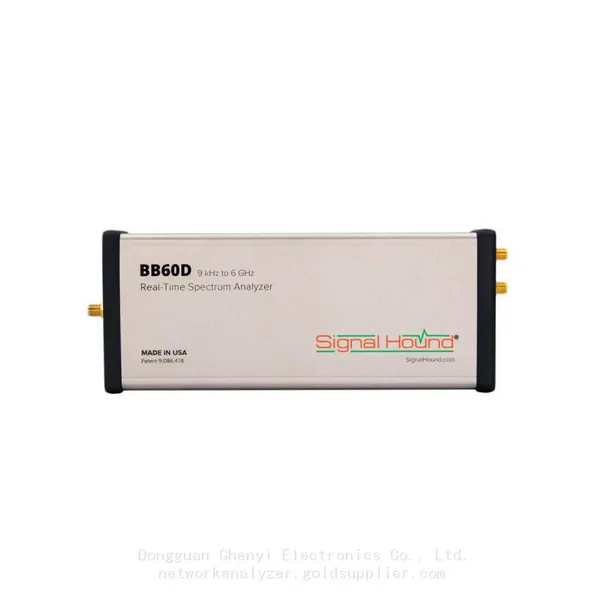
Signal Hound BB60D 9 KHz to 6 GHz Real-time Spectrum AnalyzerNegotiableMOQ: 1 Unit
-
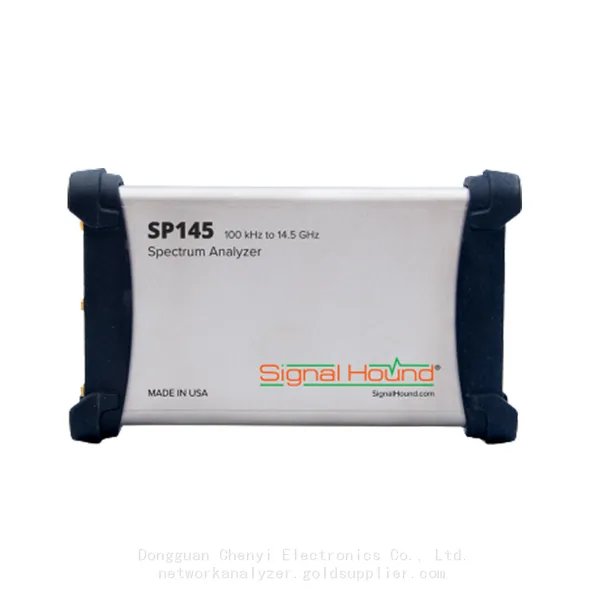
Signal Hound SP145 100 KHz to 14.5 GHz Real-time Spectrum Analyzer Monitoring ReceiversNegotiableMOQ: 1 Unit
-
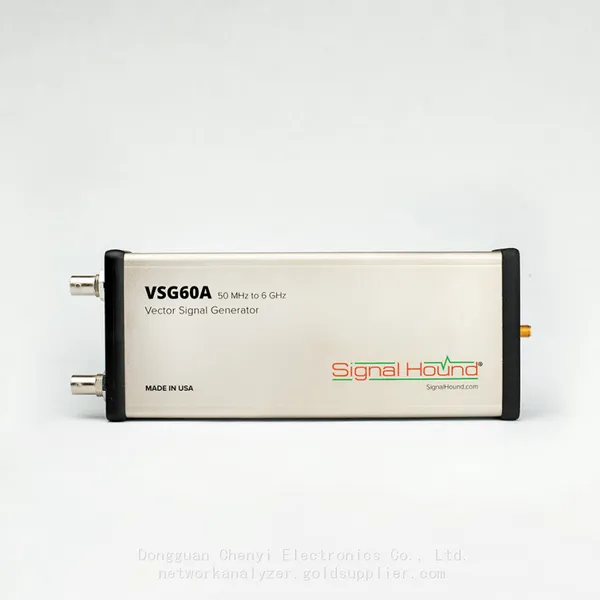
Signal Hound VSG60A 50 MHz to 6 GHz GHz Vector Signal GeneratorNegotiableMOQ: 1 Unit
-
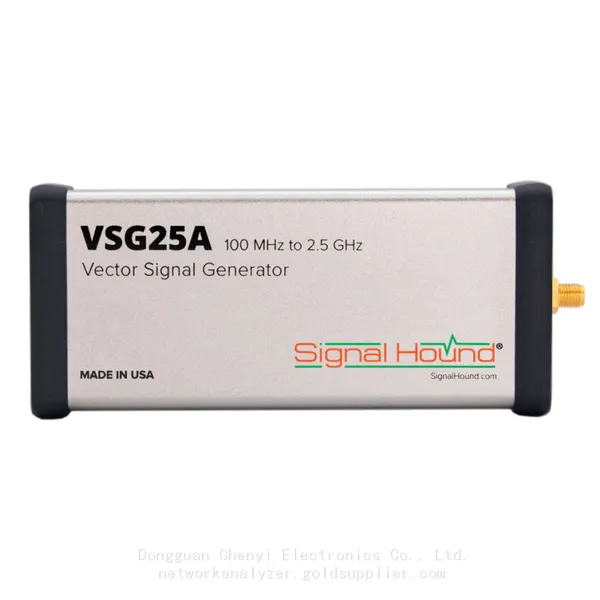
Signal Hound VSG25A 100 MHz to 2.5 GHz Vector Signal GeneratorNegotiableMOQ: 1 Unit
-
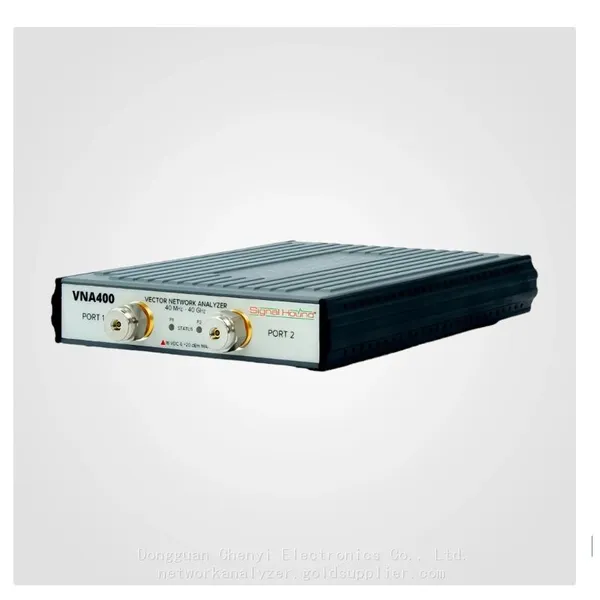
Signal Hound VNA400 40 MHz to 40 GHz 2-port Vector Network AnalyzerNegotiableMOQ: 1 Unit
-
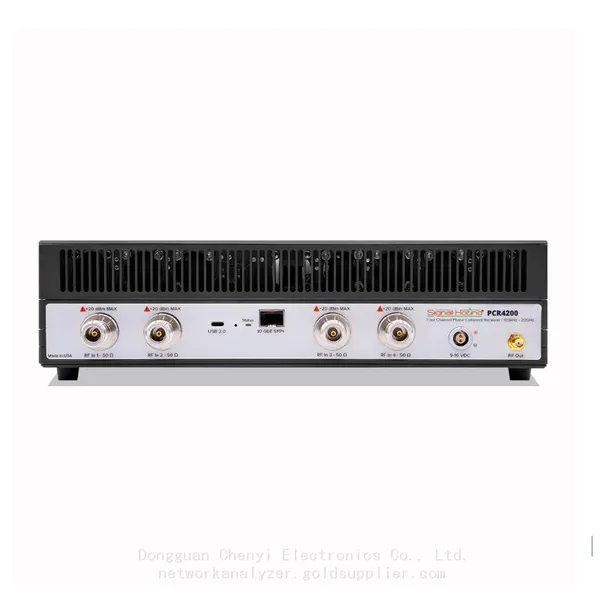
Signal Hound PCR4200 100 KHz to 20 GHz Four-Channel Phase Coherent ReceiverNegotiableMOQ: 1 Unit
-
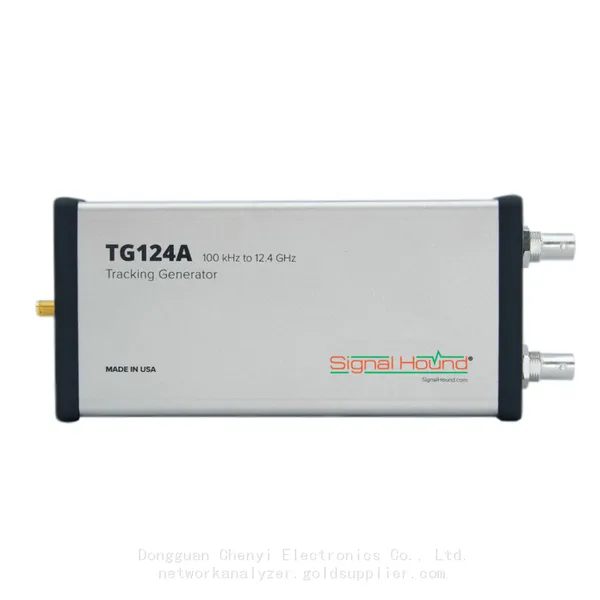
Signal Hound TG124A 100 KHz to 12.4 GHz Tracking GeneratorNegotiableMOQ: 1 Unit
-
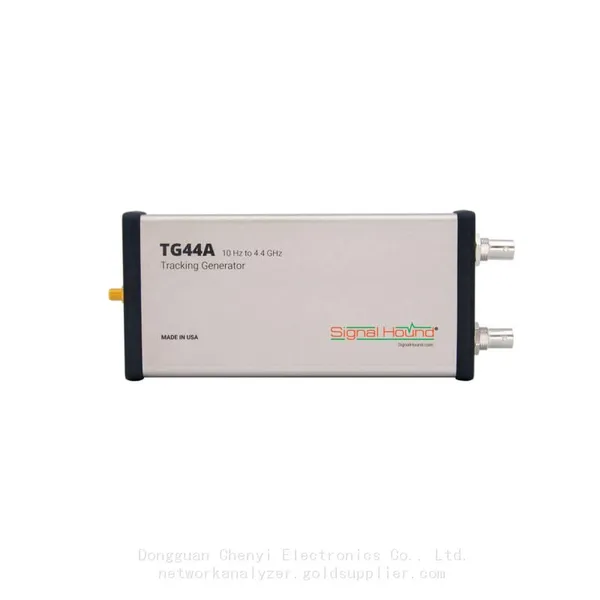
Signal Hound TG44A 10 Hz to 4.4 GHz t Tracking GeneratorNegotiableMOQ: 1 Unit
-
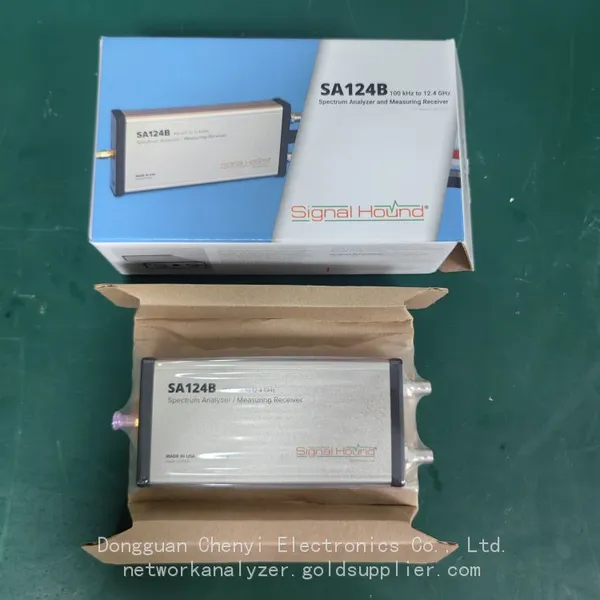
Signal Hound SA124B 100 KHz to 12.4 GHz Spectrum AnalyzerNegotiableMOQ: 1 Unit
-
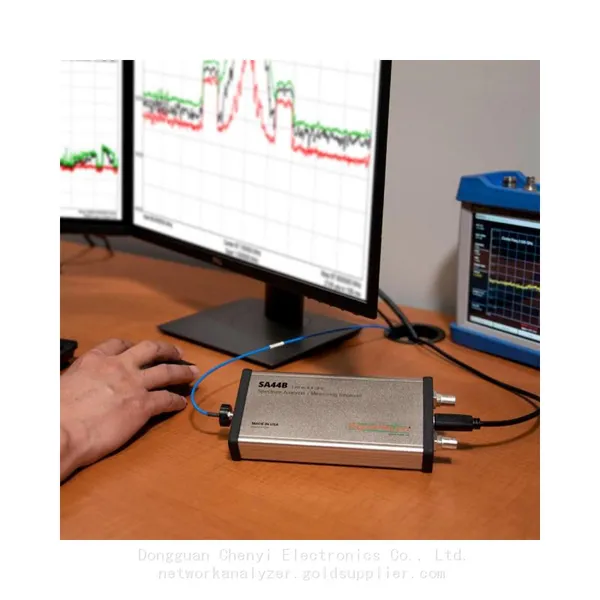
Signal Hound SA44B 1 Hz to 4.4 GHz Spectrum AnalyzerNegotiableMOQ: 1 Unit
-
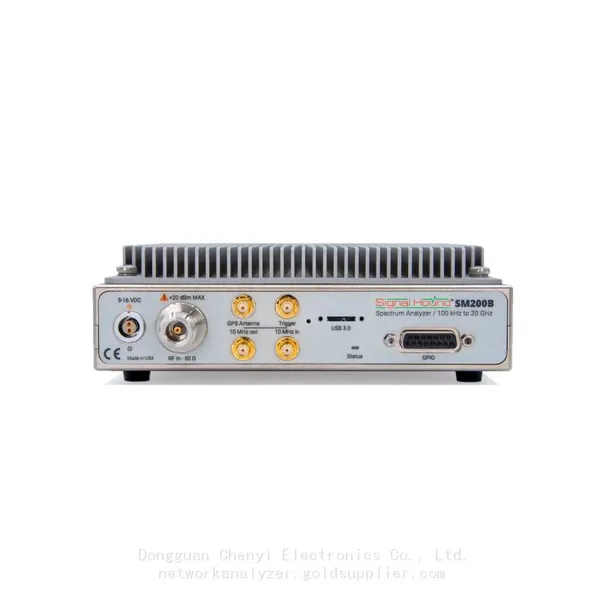
Signal Hound SM200B 100 KHz to 20 GHz Real-time Spectrum Analyzer Monitoring ReceiversNegotiableMOQ: 1 Unit
-
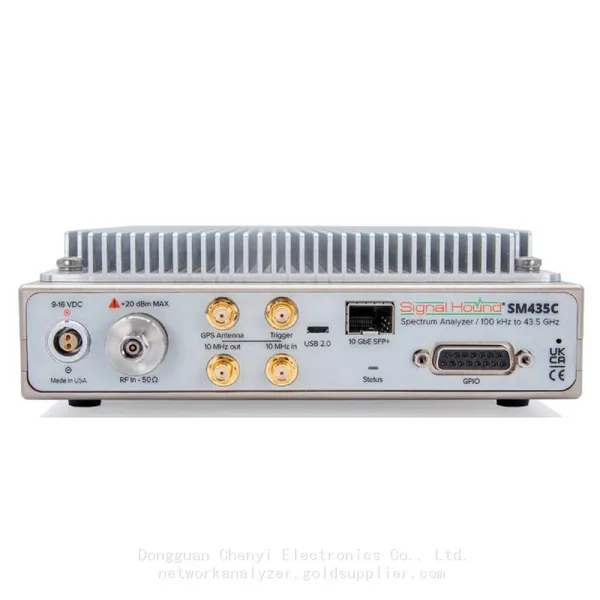
Signal Hound SM435C 100 KHz to 43.5GHz Real-time Spectrum Analyzer With 10GbE Monitoring ReceiversNegotiableMOQ: 1 Unit
-
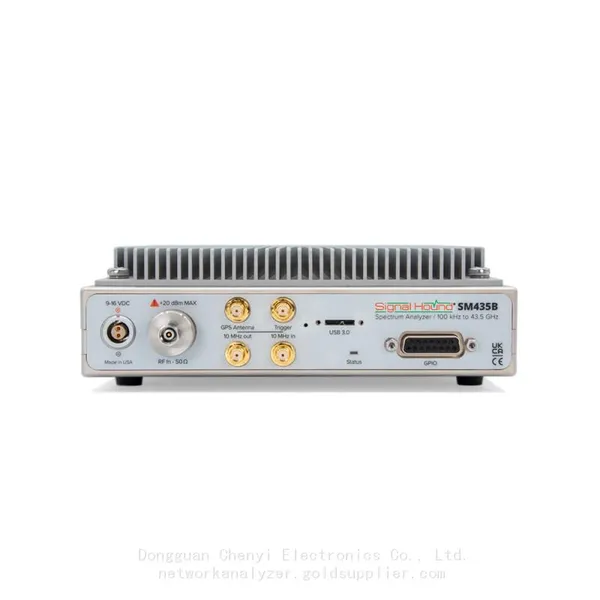
Signal Hound SM435B 100 KHz to 43.5GHz Real-time Spectrum Analyzer Monitoring ReceiversNegotiableMOQ: 1 Unit
-
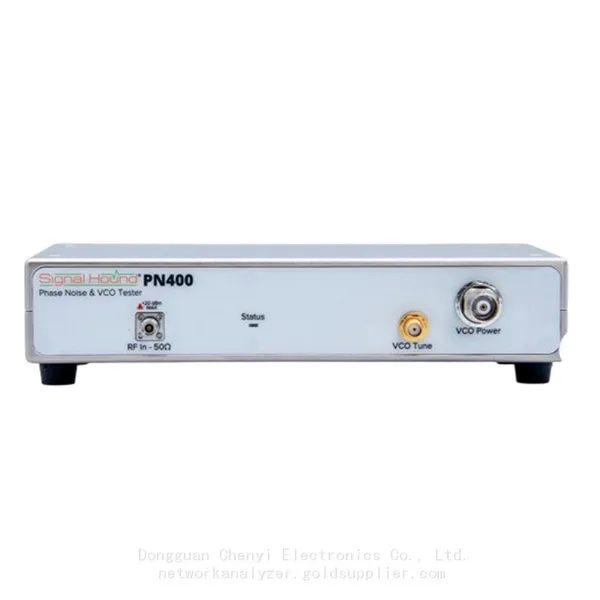
Signal Hound PN400 Phase Noise and VCO Test System 100 KHz to 43.5 GHzNegotiableMOQ: 1 Unit
-
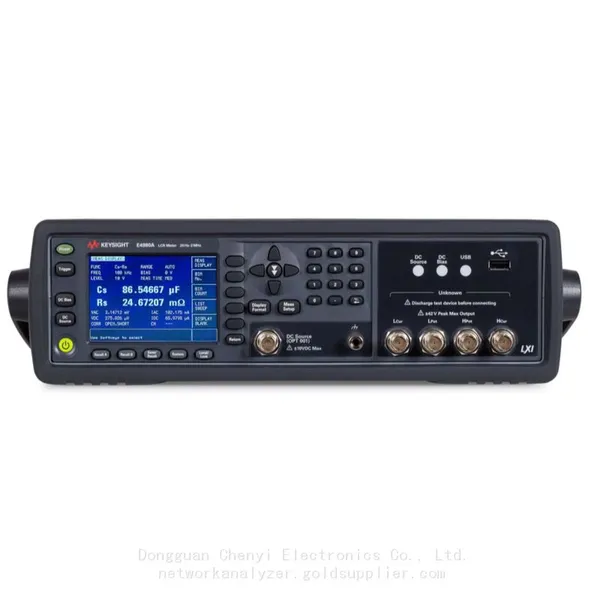
Keysight E4980A Precision LCR Meter 20 Hz to 2 MHzNegotiableMOQ: 1 Unit
-
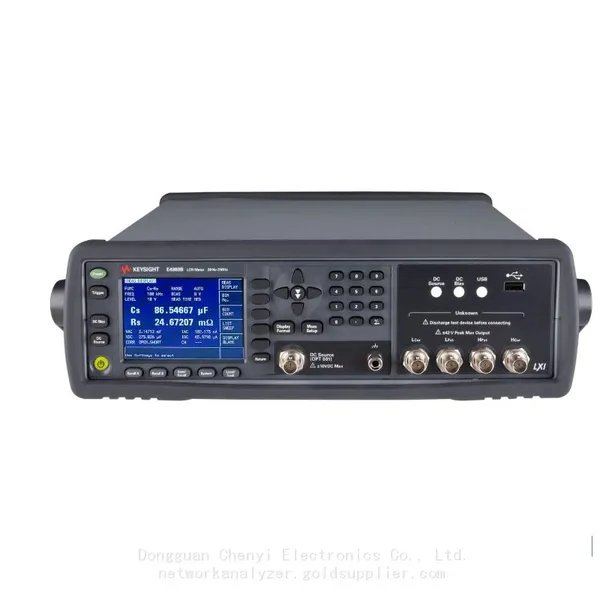
Keysight E4980B and E4980BL Precision LCR Meter 20 Hz to 2 MHzNegotiableMOQ: 1 Unit
-
Keysight U1733C Handheld LCR Meter 100Hz 120Hz 1kHz 10kHz 100kHzNegotiableMOQ: 1 Unit