
 Business License

BB60C vs. RS ESCI Receivers: A Head-to-Head Performance Comparison for RF Enthusiasts
BB60C vs. RS ESCI Receivers: A Head-to-Head Performance Comparison for RF Enthusiasts
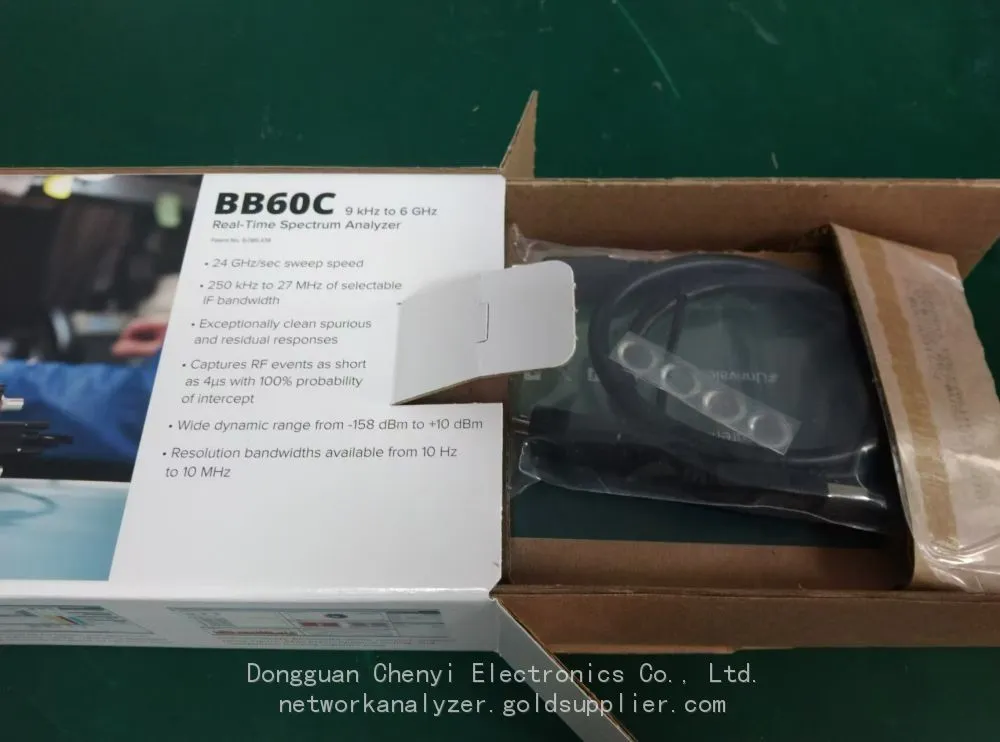
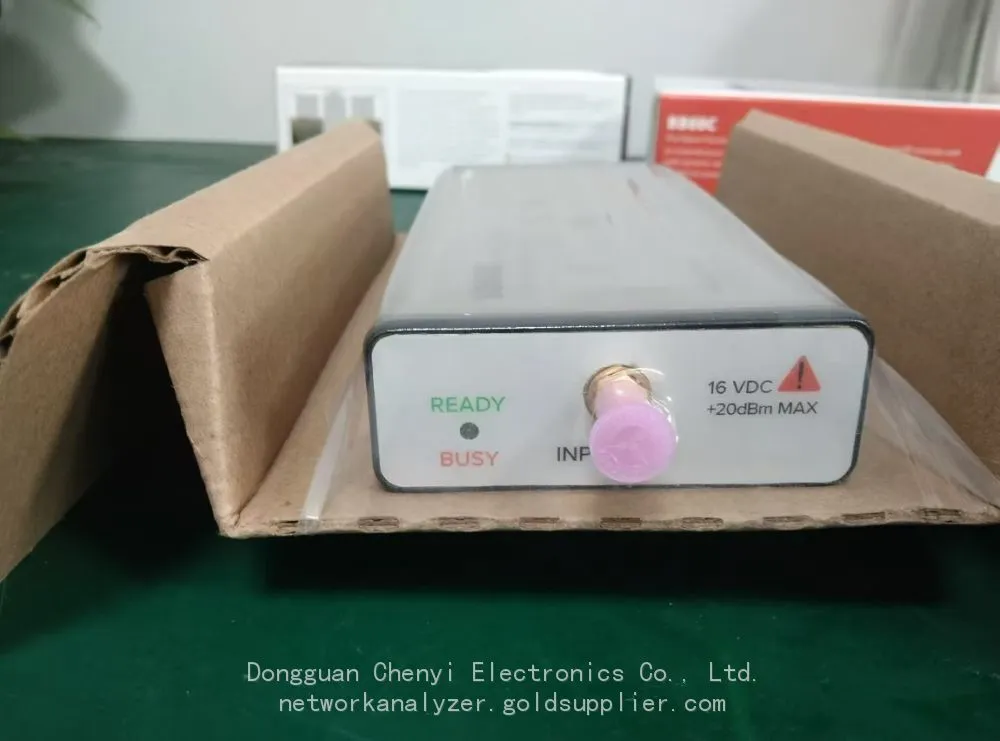
For RF engineers, hobbyists, and professionals alike, choosing the right receiver can make or break your radio frequency testing and monitoring projects. Whether you’re optimizing a telecom network, debugging wireless devices, or exploring signal intelligence, two names often rise to the top: the BB60C Receiver (from Signal Hound) and the RS ESCI Receiver (from Rohde & Schwarz). Both are renowned for their reliability and performance, but they cater to slightly different needs and use cases. In this blog, we’ll dive deep into a side-by-side comparison of these two popular receivers, breaking down key performance metrics, features, and practical applications to help you decide which one fits your workflow best.
1. Core Performance Metrics: The Foundation of RF Receiving
When evaluating any RF receiver, the first things to check are its core performance specs—these dictate how well it can capture, process, and analyze signals. Let’s start with the essentials:
a. Frequency Range & Tuning Flexibility
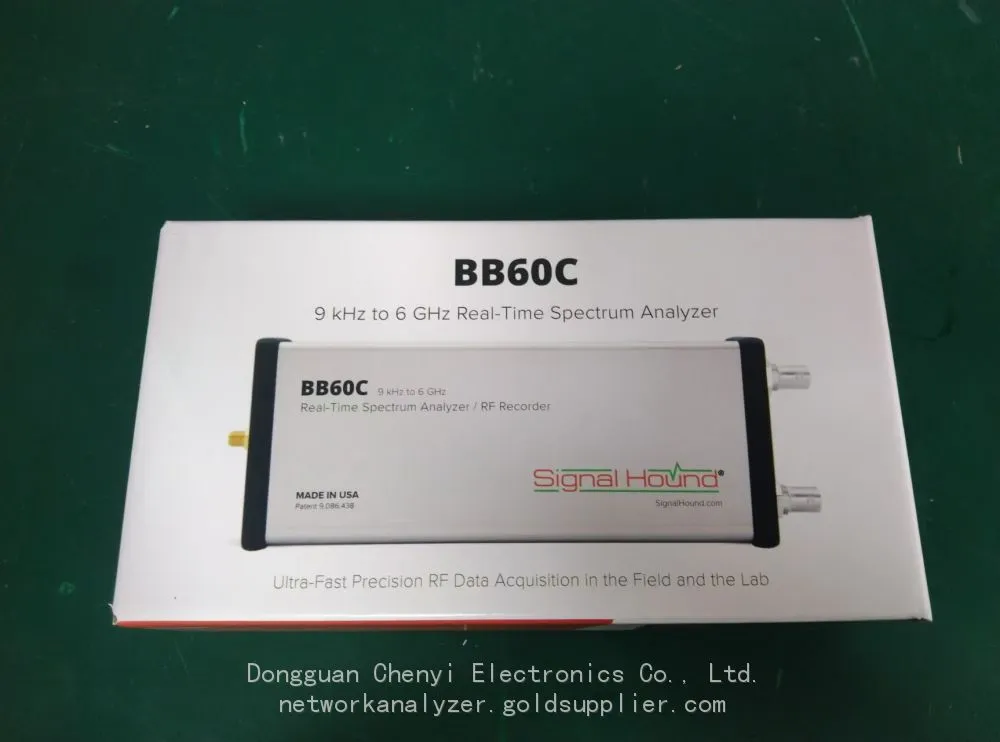
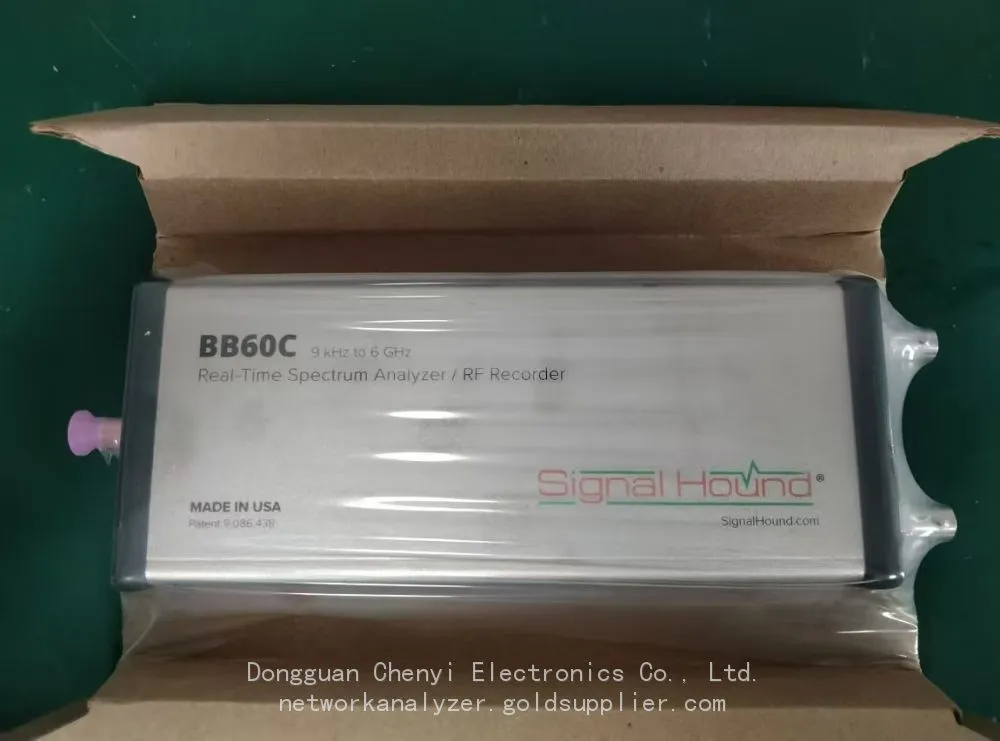
The frequency range determines the types of signals a receiver can handle, making it a make-or-break factor for specific projects. The BB60C shines with a frequency range of 9 kHz to 6 GHz, covering most commercial and industrial RF bands. This includes 2G, 3G, 4G, sub-6 GHz 5G, Wi-Fi (2.4 GHz and 5 GHz), Bluetooth, and IoT protocols like LoRa. For general-purpose RF testing, telecom network optimization, or consumer device debugging, this range is more than sufficient.
On the other hand, the RS ESCI (specifically models like the ESCI 3) offers a wider frequency coverage, typically spanning 9 kHz to 26.5 GHz (varies by model). This extended range includes millimeter-wave (mmWave) bands, which are critical for 5G-Advanced, aerospace, defense, and radar applications. If your work involves high-frequency signals—such as satellite communications or mmWave device testing—the RS ESCI’s broader tuning capability gives it a clear edge here.
b. Sensitivity & Noise Figure
Sensitivity (the minimum signal strength a receiver can detect) and noise figure (the amount of noise the receiver adds to the incoming signal) are crucial for detecting weak signals in noisy environments. The BB60C delivers solid performance here, with a typical noise figure of 1.5 dB at 1 GHz and sensitivity down to -160 dBm (for CW signals). This is more than enough for most commercial use cases, such as monitoring cellular networks or testing IoT sensors in controlled environments.
The RS ESCI takes things up a notch, boasting a lower noise figure (as low as 1.0 dB at 1 GHz) and superior sensitivity (down to -164 dBm for CW signals). This makes it ideal for applications where weak signals are the norm—like signal intelligence (SIGINT), long-range communication testing, or working in crowded RF environments with heavy interference. If you need to pick out faint signals from a sea of noise, the RS ESCI’s sensitivity is a game-changer.
c. Dynamic Range & Interference Rejection
Dynamic range measures a receiver’s ability to handle both weak and strong signals simultaneously without distortion. In busy RF environments (e.g., urban areas with dozens of cellular towers or industrial facilities with heavy machinery), a high dynamic range is essential to avoid interference from strong adjacent signals. The BB60C offers a typical dynamic range of 85 dB (at 1 GHz), which works well for most commercial projects where signal levels are relatively controlled.
The RS ESCI, however, boasts a higher dynamic range (up to 95 dB at 1 GHz), making it better at rejecting interference and maintaining signal integrity in chaotic RF environments. This is a critical advantage for defense, aerospace, or telecom applications where signal clarity is non-negotiable—even when strong signals are present nearby.
2. Key Features: Beyond the Basics
While core performance metrics are important, additional features often determine how user-friendly and versatile a receiver is. Let’s compare the standout features of the BB60C and RS ESCI:
a. Software & User Experience
The BB60C is paired with Signal Hound’s Spike software, which is widely praised for its intuitive, user-friendly interface. Spike offers real-time spectrum analysis, heatmap visualization, and customizable dashboards—perfect for both beginners and experienced engineers. It also supports automated testing workflows and data export in common formats (CSV, PNG), making it easy to integrate into your existing workflow. Additionally, Signal Hound’s software is regularly updated with new features, ensuring compatibility with emerging RF standards.
The RS ESCI uses Rohde & Schwarz’s R&S®SmartSoft software suite, which is powerful but has a steeper learning curve. It offers advanced features like signal demodulation, protocol analysis, and compliance testing tools—making it ideal for professional engineers working on complex projects (e.g., 5G mmWave compliance testing or radar system validation). The software also integrates seamlessly with other Rohde & Schwarz test equipment, which is a plus if you’re already using their tools in your lab.
b. Portability & Form Factor
Portability is a key consideration for field testing. The BB60C is a compact, USB-powered receiver (weighing just 0.5 kg), making it easy to carry in a laptop bag and use anywhere with a laptop. This makes it perfect for fieldwork—such as site surveys for telecom networks, outdoor IoT device testing, or mobile signal monitoring.
The RS ESCI, while still portable, is slightly bulkier (weighing around 3 kg) and often requires an external power source (though some models have battery options). It’s better suited for lab environments or fixed testing setups, though it can still be transported for on-site testing if needed. If your work is primarily in the lab, the RS ESCI’s larger form factor isn’t a downside—but for frequent fieldwork, the BB60C is more convenient.
c. Connectivity & Expandability
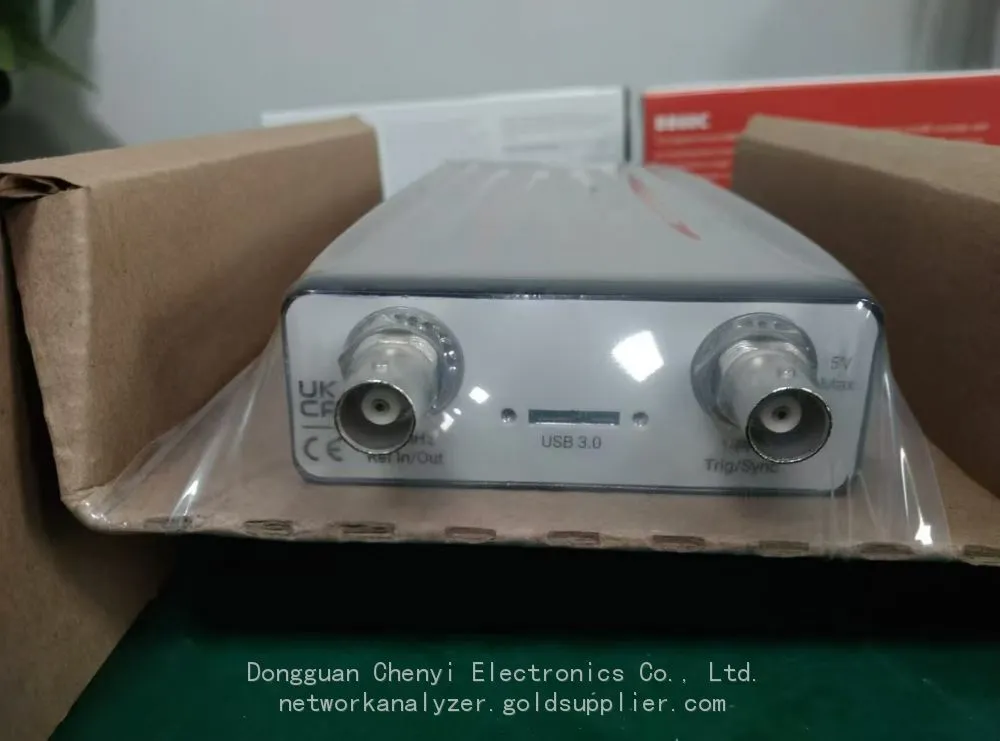
The BB60C offers USB 3.0 connectivity for fast data transfer, which is essential for real-time spectrum analysis. It also supports external antenna connections and can be paired with Signal Hound’s accessories (e.g., preamplifiers, filters) to enhance performance in specific use cases.
The RS ESCI provides more connectivity options, including LAN, USB, and GPIB (for integration with automated test systems). It also offers extensive expandability, with options for adding preamplifiers, mixers, and specialized input modules to extend its frequency range or enhance sensitivity. This makes it a more flexible choice for complex lab setups where you need to customize the receiver for different projects.
3. Use Cases: Which Receiver Fits Your Needs?
To sum up, the BB60C and RS ESCI are both excellent receivers, but they’re optimized for different use cases:
Choose the BB60C if:
• You need a portable receiver for field testing (e.g., telecom site surveys, IoT device debugging).
• Your work focuses on commercial RF bands (up to 6 GHz), such as 4G/5G sub-6, Wi-Fi, or Bluetooth.
• You prefer an intuitive software interface with quick setup and real-time visualization.
• You’re looking for a cost-effective option (the BB60C is typically more affordable than the RS ESCI).
Choose the RS ESCI if:
• You work with high-frequency signals (up to 26.5 GHz), such as mmWave 5G, radar, or satellite communications.
• You need superior sensitivity and dynamic range for detecting weak signals in noisy environments (e.g., SIGINT, defense applications).
• Your projects require advanced features like protocol analysis, compliance testing, or integration with automated test systems.
• You work primarily in alab environment and value expandability and compatibility with other professional test equipment.
Final Verdict
The BB60C and RS ESCI are both top-tier RF receivers, but they cater to different audiences. The BB60C is the perfect choice for engineers and hobbyists who need a portable, user-friendly, and cost-effective solution for commercial RF testing. The RS ESCI, on the other hand, is a professional-grade tool designed for complex, high-frequency applications where performance and expandability are non-negotiable.
Before making a decision, consider your primary use case, budget, and whether you need portability or advanced lab features. If possible, test both receivers (many vendors offer demos) to see which software and workflow fit you best. Whichever you choose, you’ll be getting a reliable receiver that can handle the demands of modern RF testing.
Have you used either the BB60C or RS ESCI? Share your experience in the comments below! We’d love to hear how these receivers have worked for your projects.
Recently Posted
-
Cost-Benefit Analysis: Why Choose Signal Hound BB60D for RF Testing Projects
July 2, 2026Cost-Benefit Analysis: Why Choose Signal Hound BB60D for RF Testing ProjectsIn enterprise RF testing projects, laboratory scientif Read More
 -
Ultimate Buying Guide for Signal Hound BB60D Real-Time Spectrum Analyzer: Features, Uses & Benefits
July 2, 2026Ultimate Buying Guide for Signal Hound BB60D Real-Time Spectrum Analyzer: Features, Uses & BenefitsFor RF engineers, laborator Read More
 -
Common Application Scenarios & User Cases of Signal Hound BB60D Spectrum Analyzer
July 2, 2026Common Application Scenarios & User Cases of Signal Hound BB60D Spectrum AnalyzerThe Signal Hound BB60D real-time spectrum ana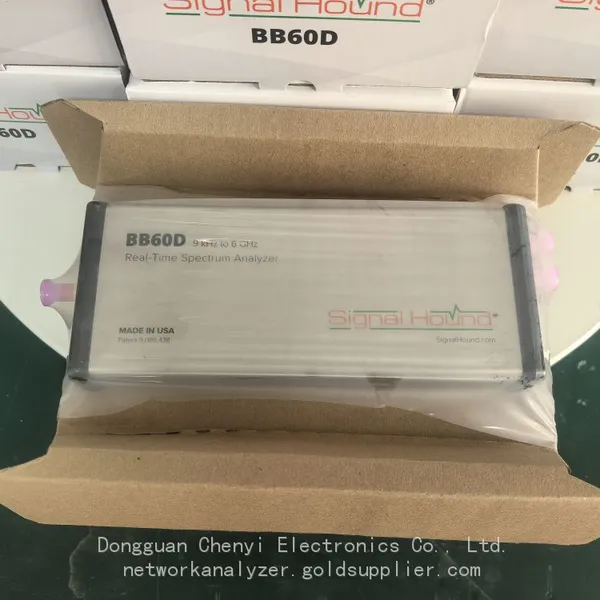 Read More
 -
Signal Hound BB60D for Radar Signal Analysis & Pulse Signal Testing
July 2, 2026Signal Hound BB60D for Radar Signal Analysis & Pulse Signal TestingRadar signal analysis and pulse signal testing are high-pre
Read More

Contact Us
Recommended Products
-
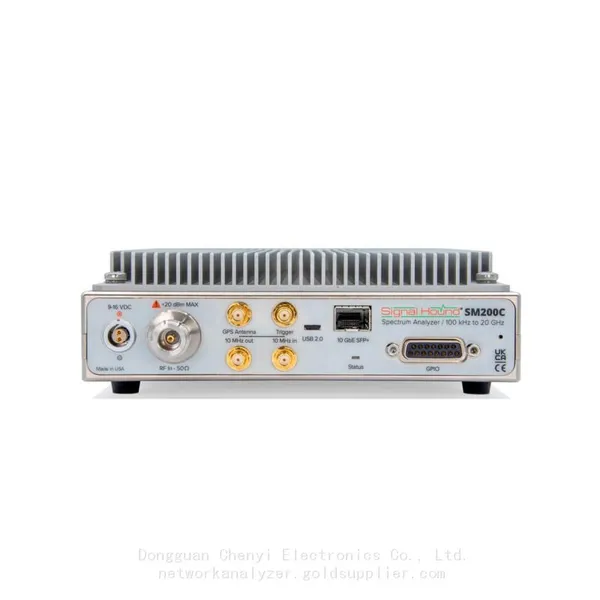
 Signal Hound SM200C 100 KHz to 20 GHz Real-time Spectrum Analyzer With 10GbE Monitoring ReceiversNegotiableMOQ: 1 Unit
 -
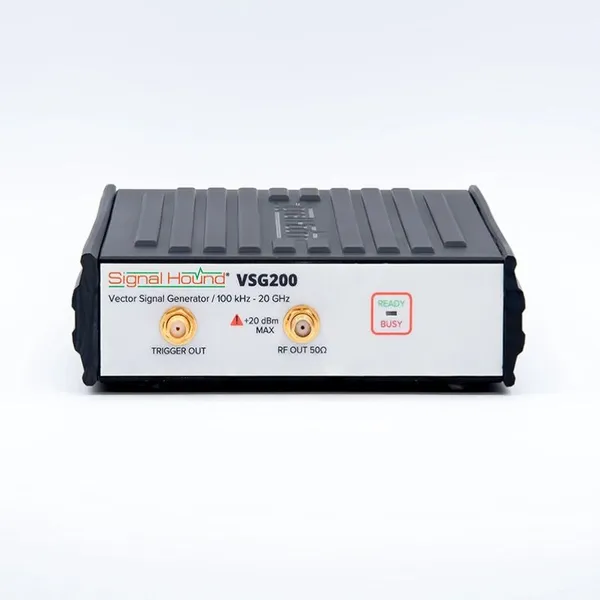
Signal Hound VSG200 Vector Signal Generator 100 KHz to 20 GHzNegotiableMOQ: 1 Unit
-
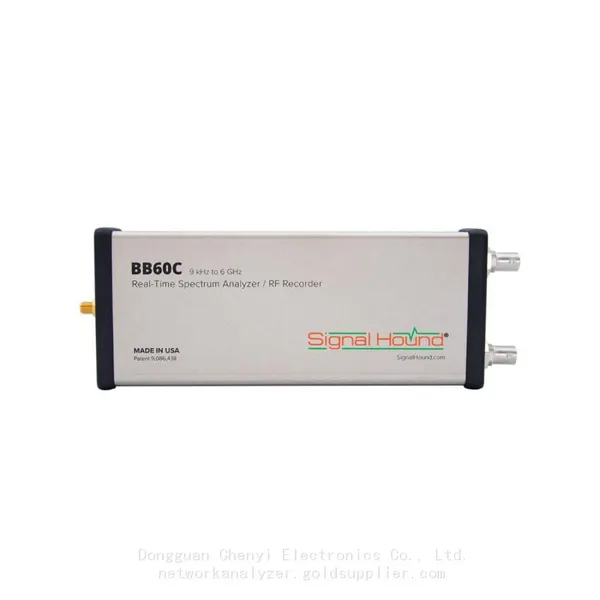
Signal Hound BB60C 9 KHz to 6 GHz Real-time Spectrum AnalyzerNegotiableMOQ: 1 Unit
-
Signal Hound BB60D 9 KHz to 6 GHz Real-time Spectrum AnalyzerNegotiableMOQ: 1 Unit
-
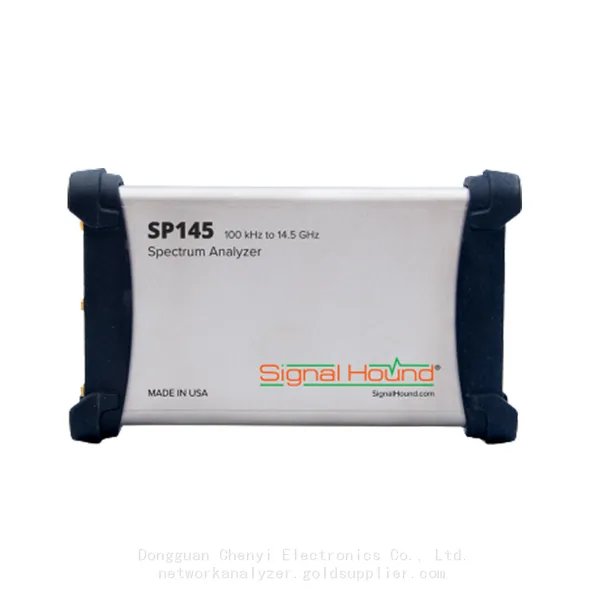
Signal Hound SP145 100 KHz to 14.5 GHz Real-time Spectrum Analyzer Monitoring ReceiversNegotiableMOQ: 1 Unit
-
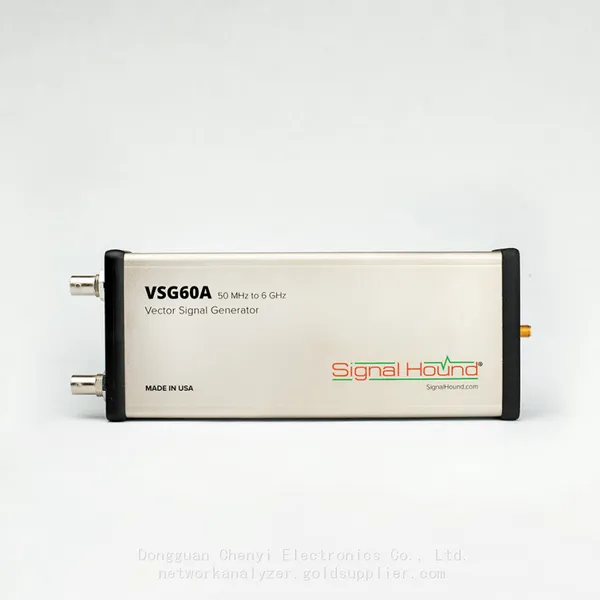
Signal Hound VSG60A 50 MHz to 6 GHz GHz Vector Signal GeneratorNegotiableMOQ: 1 Unit
-
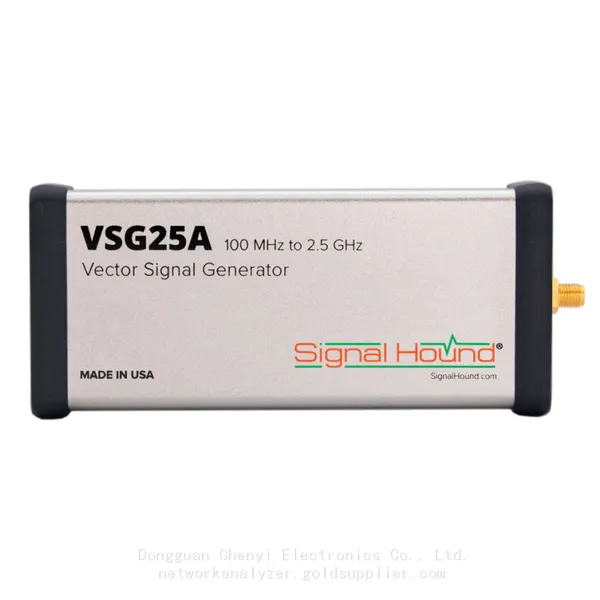
Signal Hound VSG25A 100 MHz to 2.5 GHz Vector Signal GeneratorNegotiableMOQ: 1 Unit
-
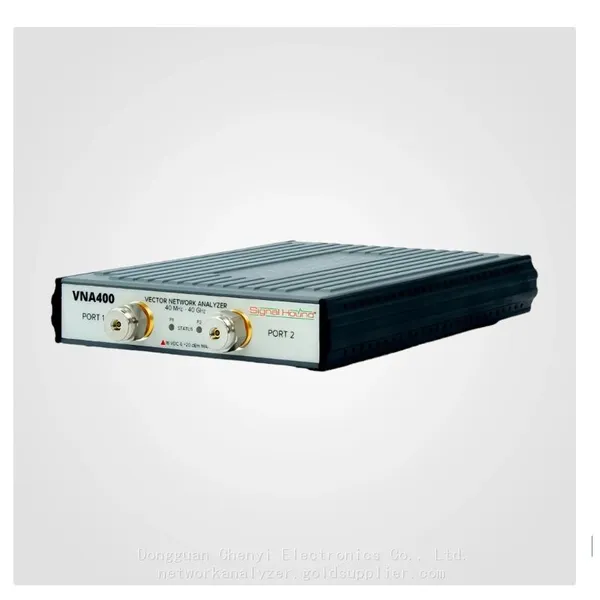
Signal Hound VNA400 40 MHz to 40 GHz 2-port Vector Network AnalyzerNegotiableMOQ: 1 Unit
-
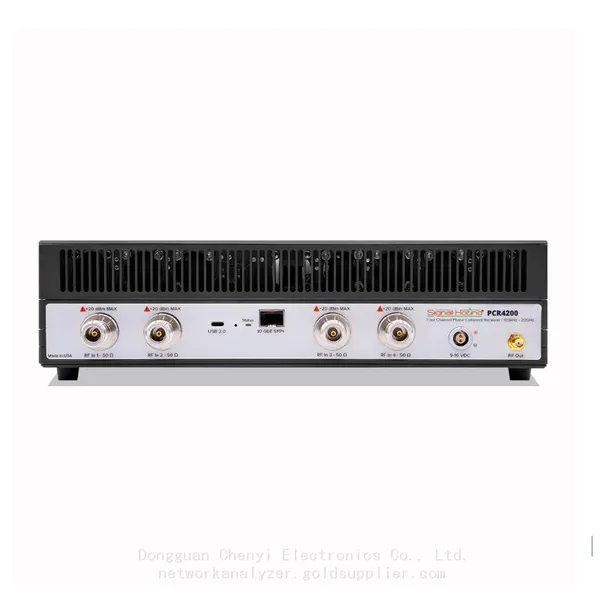
Signal Hound PCR4200 100 KHz to 20 GHz Four-Channel Phase Coherent ReceiverNegotiableMOQ: 1 Unit
-
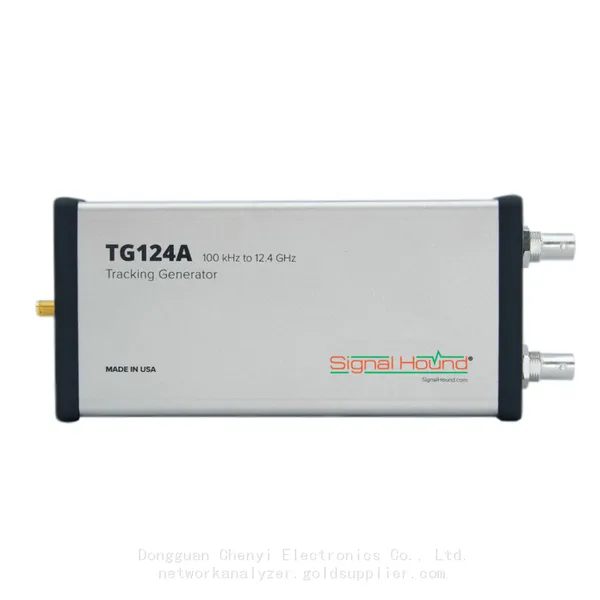
Signal Hound TG124A 100 KHz to 12.4 GHz Tracking GeneratorNegotiableMOQ: 1 Unit
-
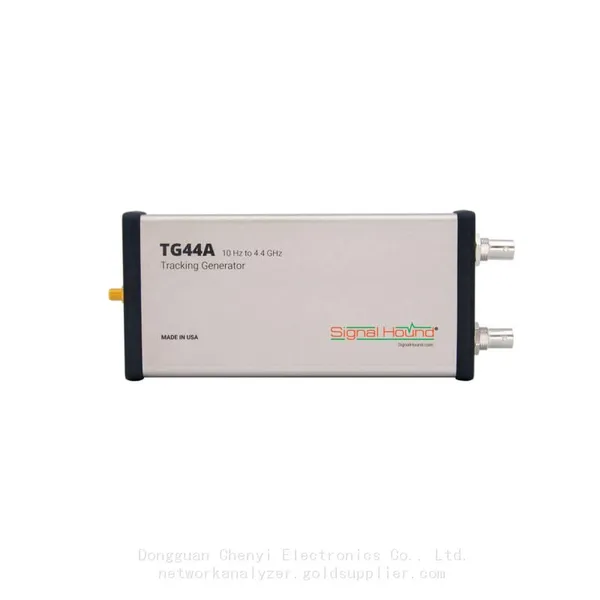
Signal Hound TG44A 10 Hz to 4.4 GHz t Tracking GeneratorNegotiableMOQ: 1 Unit
-
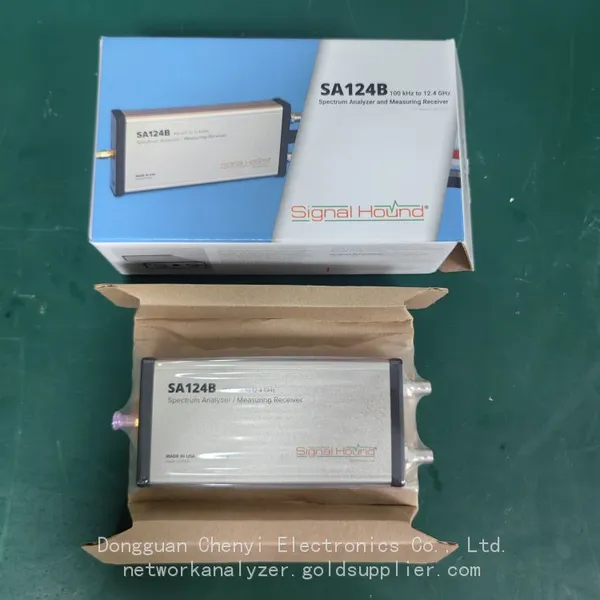
Signal Hound SA124B 100 KHz to 12.4 GHz Spectrum AnalyzerNegotiableMOQ: 1 Unit
-
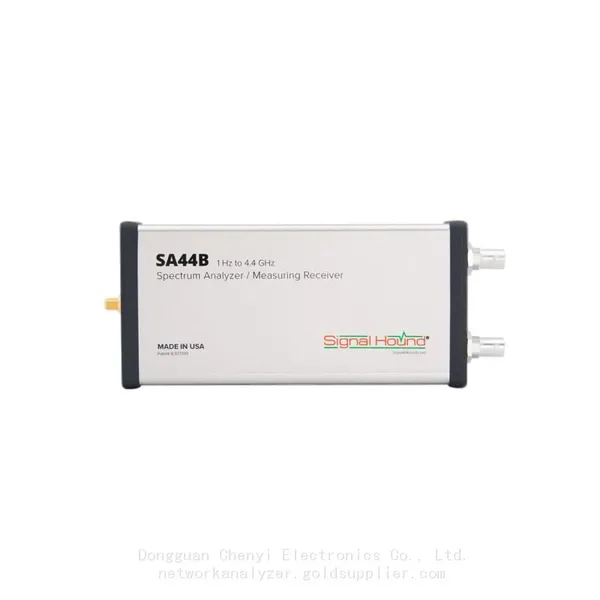
Signal Hound SA44B 1 Hz to 4.4 GHz Spectrum AnalyzerNegotiableMOQ: 1 Unit
-
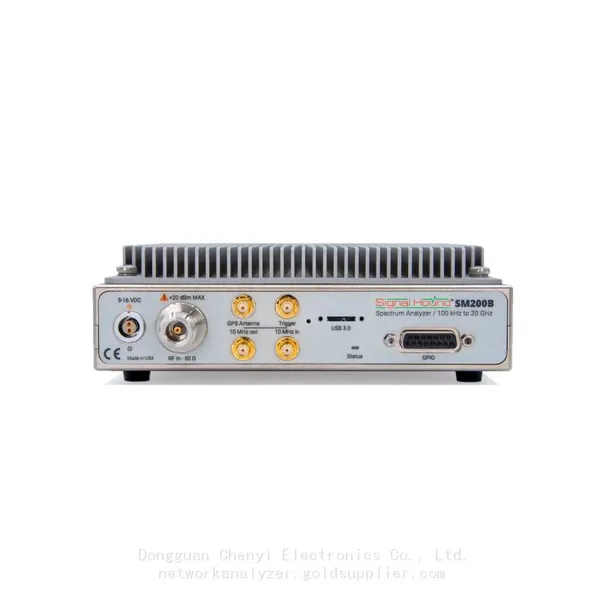
Signal Hound SM200B 100 KHz to 20 GHz Real-time Spectrum Analyzer Monitoring ReceiversNegotiableMOQ: 1 Unit
-
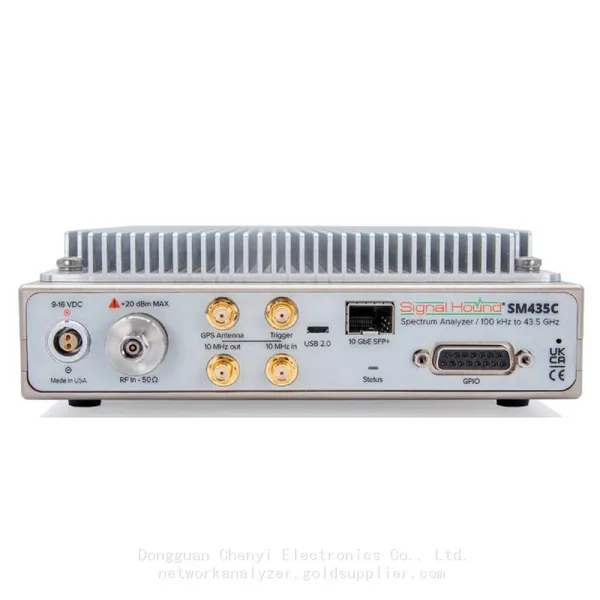
Signal Hound SM435C 100 KHz to 43.5GHz Real-time Spectrum Analyzer With 10GbE Monitoring ReceiversNegotiableMOQ: 1 Unit
-
Signal Hound SM435B 100 KHz to 43.5GHz Real-time Spectrum Analyzer Monitoring ReceiversNegotiableMOQ: 1 Unit
-
Signal Hound PN400 Phase Noise and VCO Test System 100 KHz to 43.5 GHzNegotiableMOQ: 1 Unit
-
Keysight E4980A Precision LCR Meter 20 Hz to 2 MHzNegotiableMOQ: 1 Unit
-
Keysight E4980B and E4980BL Precision LCR Meter 20 Hz to 2 MHzNegotiableMOQ: 1 Unit
-
Keysight U1733C Handheld LCR Meter 100Hz 120Hz 1kHz 10kHz 100kHzNegotiableMOQ: 1 Unit