
 Business License

BB60C vs. RS ESCI Receivers: Performance Comparison for Avionics Applications
BB60C vs. RS ESCI Receivers: Performance Comparison for Avionics Applications
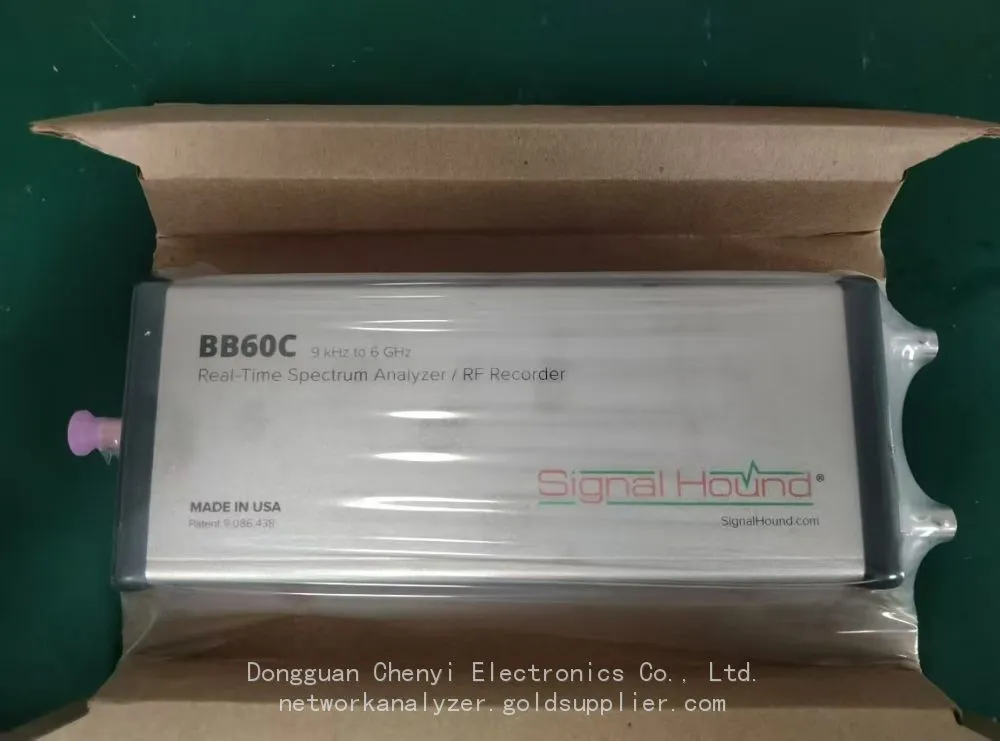
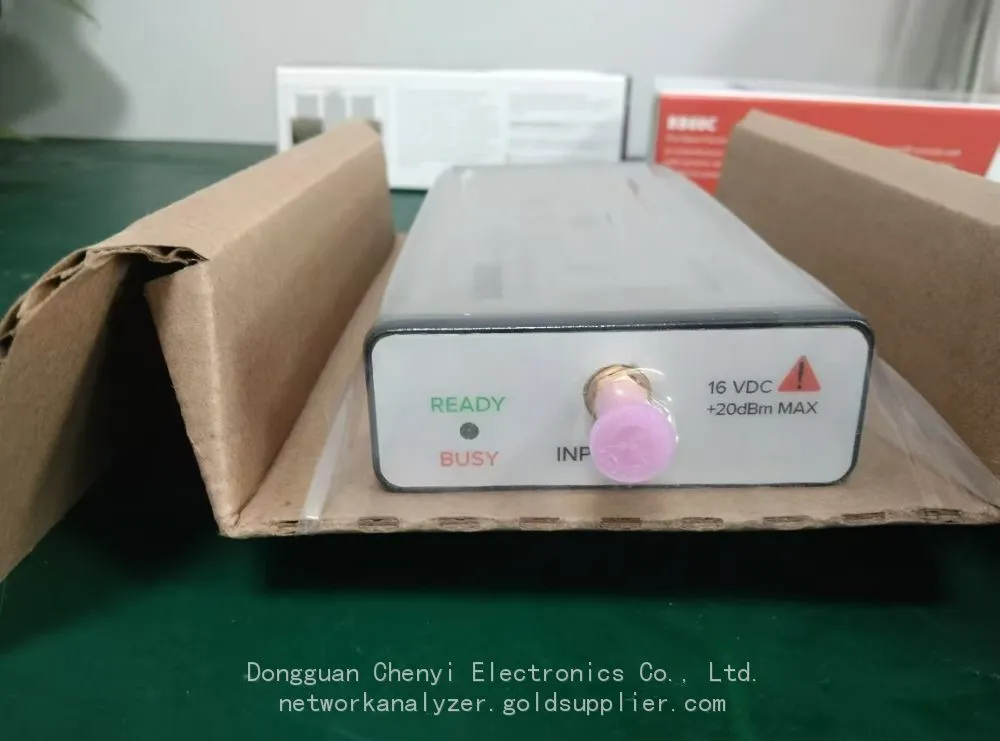
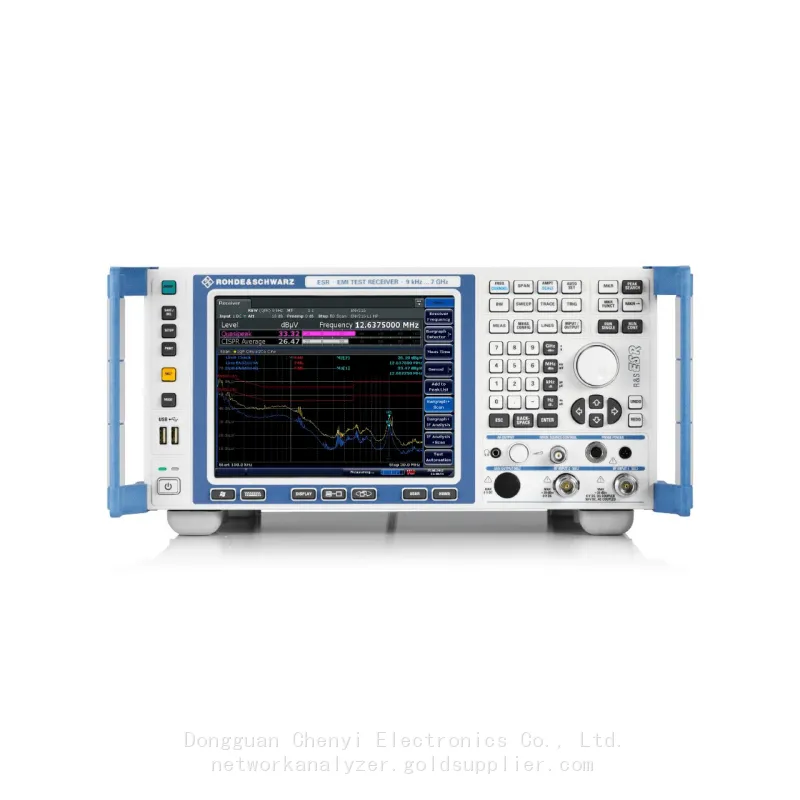
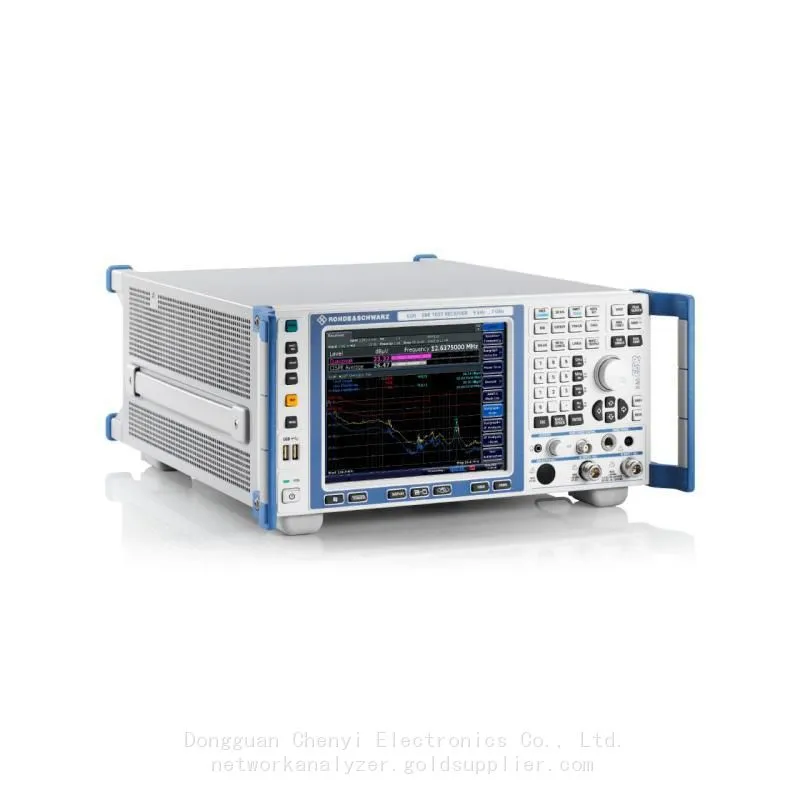
In the avionics industry, where reliability, precision, and compliance with strict regulatory standards are non-negotiable, selecting the right RF receiver is critical for ensuring the safety and performance of airborne communication, navigation, and surveillance (CNS) systems. Two prominent receivers frequently evaluated for avionics testing are the Signal Hound BB60C and the Rohde & Schwarz RS ESCI. While both excel in general RF testing, their suitability for avionics-specific tasks—such as testing VHF/UHF communication links, radar systems, or satellite-based navigation (e.g., GPS/GNSS)—varies significantly. In this blog, we’ll conduct a targeted performance comparison of the BB60C and RS ESCI, focusing on how they meet the unique demands of the avionics sector to help you make an informed choice for your avionics testing workflows.
1. Core Performance Metrics for Avionics Testing
Avionics systems operate across specific RF bands and require receivers that can deliver consistent performance in harsh environments (e.g., high interference, temperature fluctuations). Below, we compare the core metrics of the BB60C and RS ESCI through the lens of avionics testing needs:
a. Frequency Range: Coverage of Avionics-Critical Bands
Avionics systems rely on specific frequency bands: VHF (118–137 MHz) for air-to-ground communication, UHF (225–400 MHz) for military avionics, and L-band (1–2 GHz) for GPS/GNSS navigation. The BB60C’s frequency range of 9 kHz to 6 GHz fully covers these core avionics bands, making it suitable for testing most commercial airborne CNS systems. It can effectively monitor VHF communication signals, validate GPS receiver performance, and test UHF data links—ideal for general avionics maintenance, troubleshooting, and pre-flight checks.
The RS ESCI (e.g., ESCI 3 model) offers a wider frequency range of 9 kHz to 26.5 GHz, which extends beyond core avionics bands to include X-band (8–12 GHz) and Ku-band (12–18 GHz)—critical for testing advanced avionics systems like weather radar, collision avoidance systems (TCAS), and satellite communication (SATCOM) links. For avionics projects involving high-frequency radar or long-range SATCOM (e.g., for wide-body aircraft), the RS ESCI’s extended coverage provides a decisive advantage, enabling comprehensive testing of these complex subsystems.
b. Sensitivity & Noise Figure: Detecting Weak Avionics Signals
Avionics signals—such as GPS/GNSS signals (typically -130 dBm to -150 dBm) or long-range VHF communications—are often weak, requiring receivers with high sensitivity and low noise figures to avoid data loss. The BB60C delivers solid performance here, with a noise figure of 1.5 dB at 1 GHz and sensitivity down to -160 dBm (CW signals). This is sufficient for testing most commercial avionics systems in controlled environments, such as lab-based validation of VHF transceivers or GPS module testing.
The RS ESCI outperforms the BB60C in this area, with a noise figure as low as 1.0 dB at 1 GHz and sensitivity down to -164 dBm (CW signals). This superior sensitivity is critical for avionics testing scenarios where weak signals are prevalent, such as testing SATCOM links in low-signal environments or detecting interference in GPS/GNSS receivers (a key safety concern for navigation). For avionics applications requiring compliance with strict signal detection standards (e.g., RTCA DO-160), the RS ESCI’s ability to capture faint signals reliably is a significant benefit.
c. Dynamic Range & Interference Rejection: Mitigating Avionics Interference
Aircraft operate in crowded RF environments, with signals from nearby aircraft, ground stations, and industrial sources potentially interfering with avionics systems. A high dynamic range is essential to separate weak avionics signals from strong adjacent interference. The BB60C offers a dynamic range of 85 dB at 1 GHz, which is adequate for basic avionics testing—such as troubleshooting VHF communication issues in low-interference environments or lab-based testing of isolated avionics components.
The RS ESCI boasts a higher dynamic range (up to 95 dB at 1 GHz), making it far more effective at rejecting interference in complex RF environments. This is crucial for avionics testing tasks like on-aircraft interference testing (where multiple CNS systems operate simultaneously) or validating the performance of TCAS systems, which rely on detecting weak radar signals amid other airborne transmissions. The RS ESCI’s superior interference rejection ensures accurate test results, helping to meet the strict regulatory compliance requirements of the avionics industry (e.g., EASA, FAA standards).
2. Avionics-Specific Features: Beyond Core Performance
In addition to core metrics, avionics testing requires features that support compliance, fieldwork, and integration with specialized test setups. Let’s compare how the BB60C and RS ESCI stack up in these areas:
a. Software & Compliance Support
The BB60C is paired with Signal Hound’s Spike software, which offers intuitive real-time spectrum analysis and heatmap visualization—useful for quickly identifying interference during field troubleshooting of avionics systems. While Spike supports data export for compliance reporting, it lacks specialized avionics compliance test modules (e.g., pre-configured tests for RTCA DO-160). This makes it better suited for general avionics maintenance and troubleshooting rather than formal compliance testing.
The RS ESCI uses Rohde & Schwarz’s R&S®SmartSoft software suite, which includes specialized avionics compliance tools. These tools enable pre-configured tests for key avionics standards (e.g., RTCA DO-160 for environmental testing, DO-229 for GPS receivers), streamlining the compliance validation process. The software also integrates with other Rohde & Schwarz avionics test equipment (e.g., signal generators, power meters), creating a comprehensive test setup for complex avionics subsystems. While the learning curve is steeper, the software’s avionics-specific features make it indispensable for formal certification testing.
b. Portability & Field Testing Suitability
Avionics testing often requires fieldwork, such as on-aircraft troubleshooting or ground station testing. The BB60C’s compact, USB-powered design (0.5 kg) makes it highly portable—easy to carry onto aircraft or transport to remote airfields. Its laptop compatibility allows for quick setup, making it ideal for field maintenance tasks like verifying VHF signal strength or detecting interference in GPS systems during pre-flight checks.
The RS ESCI is slightly bulkier (around 3 kg) and often requires an external power source (though battery options are available). While it can be transported for on-site testing (e.g., airfield avionics validation), its larger form factor is less convenient for frequent on-aircraft work. It is better suited for lab-based compliance testing or fixed ground station testing, where portability is less of a priority than performance and expandability.
c. Connectivity & Expandability for Avionics Test Setups
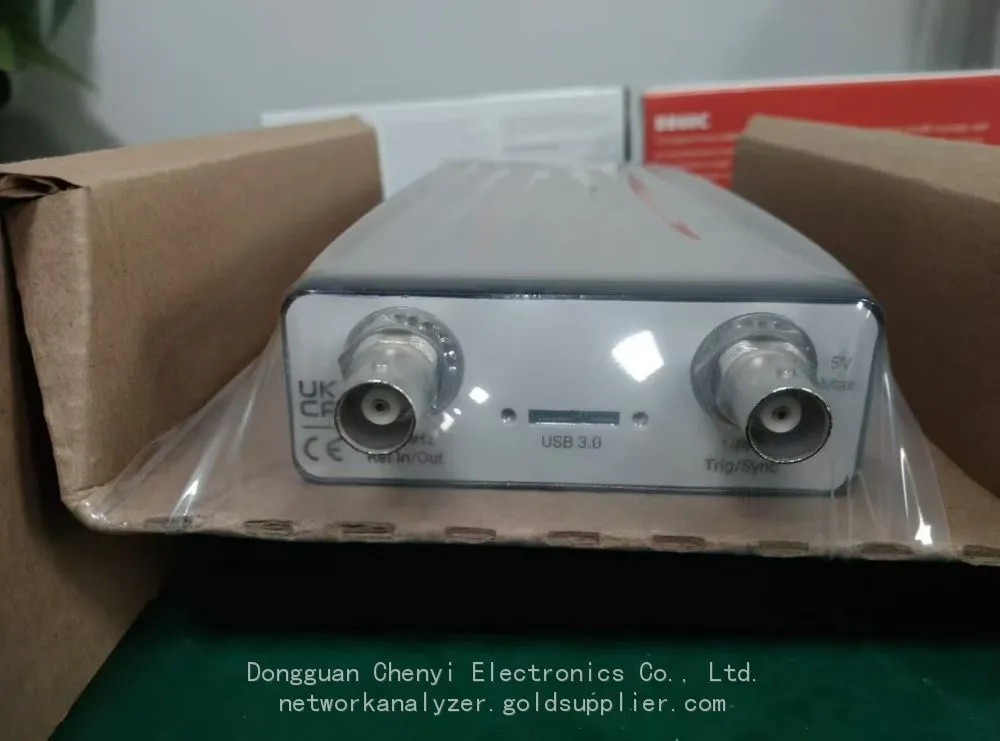
The BB60C offers USB 3.0 connectivity for fast data transfer, which is useful for real-time monitoring of avionics signals. It supports external antennas and can be paired with Signal Hound’s preamplifiers to enhance sensitivity for weak GPS/GNSS signals. However, its expandability is limited compared to the RS ESCI, making it less suitable for complex avionics test setups (e.g., integrating with flight simulators).
The RS ESCI provides multiple connectivity options (LAN, USB, GPIB) for seamless integration with automated avionics test systems (e.g., HIL—Hardware-in-the-Loop—simulators used for testing flight control systems). It also offers extensive expandability, including specialized input modules for avionics bands and preamplifiers optimized for weak SATCOM/radar signals. This flexibility makes it ideal for building custom test setups for advanced avionics subsystems, such as radar or SATCOM validation.
3. Avionics Use Cases: Which Receiver Is Right for You?
The BB60C and RS ESCI serve distinct roles in the avionics testing ecosystem. Here’s a breakdown of their ideal use cases:
Choose the BB60C for Avionics Applications If:
• You need a portable solution for field maintenance and troubleshooting (e.g., on-aircraft VHF/GPS signal checks, airfield interference detection).
Choose the RS ESCI for Avionics Applications If:
• Your work focuses on basic avionics testing (e.g., commercial CNS system maintenance, pre-flight avionics validation) rather than formal compliance certification.
• You prioritize anintuitive software interface for quick setup and real-time signal monitoring in the field.
• You’re working with a limited budget (the BB60C is more cost-effective for non-compliance avionics tasks).
• You work primarily in alab environment and value expandability and compatibility with other professional test equipment.
Final Verdict
The BB60C and RS ESCI are both top-tier RF receivers, but they cater to different audiences. The BB60C is the perfect choice for engineers and hobbyists who need a portable, user-friendly, and cost-effective solution for commercial RF testing. The RS ESCI, on the other hand, is a professional-grade tool designed for complex, high-frequency applications where performance and expandability are non-negotiable.
Before making a decision, consider your primary use case, budget, and whether you need portability or advanced lab features. If possible, test both receivers (many vendors offer demos) to see which software and workflow fit you best. Whichever you choose, you’ll be getting a reliable receiver that can handle the demands of modern RF testing.
• You’re conducting formal avionics compliance testing (e.g., RTCA DO-160, DO-229) required for FAA/EASA certification.
Have you used either the BB60C or RS ESCI? Share your experience in the comments below! We’d love to hear how these receivers have worked for your projects.
• Your work involves advanced avionics systems (e.g., weather radar, SATCOM, TCAS) that operate in high-frequency bands (above 6 GHz).
• You need superior sensitivity and interference rejection to test weak signals (e.g., GPS/GNSS, long-range SATCOM) in complex RF environments.
• You require expandable, integrated test setups (e.g., HIL simulators, multi-instrument lab configurations) for complex avionics subsystem validation.
Recently Posted
-
Software-Defined Instruments: How USB Spectrum Analyzers Are Changing the RF Testing Industry
August 17, 20261. The Benchtop Instrument That Would Not Fit in a Carry-OnAn RF field engineer arrived at a remote cell site in a mountainous reg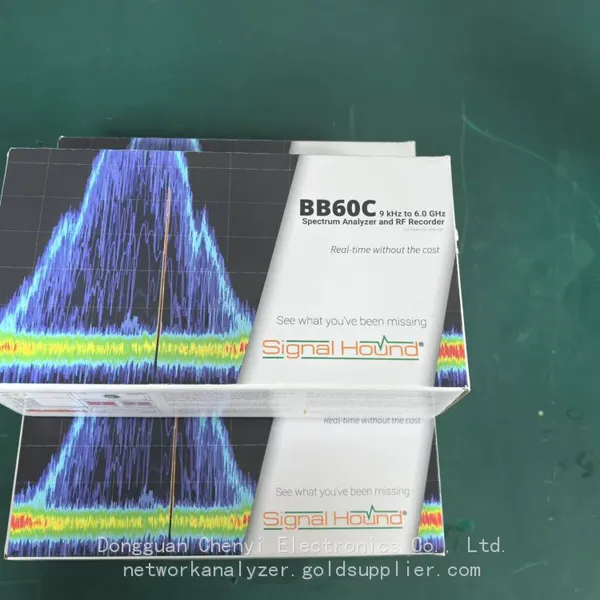 Read More
 -
Spectrum Monitoring Solutions for Broadcast Radio and Television Transmission Stations
August 17, 20261. When a 50 kW FM Transmitter Goes SilentA regional FM broadcaster serving roughly 2 million listeners lost its main transmitter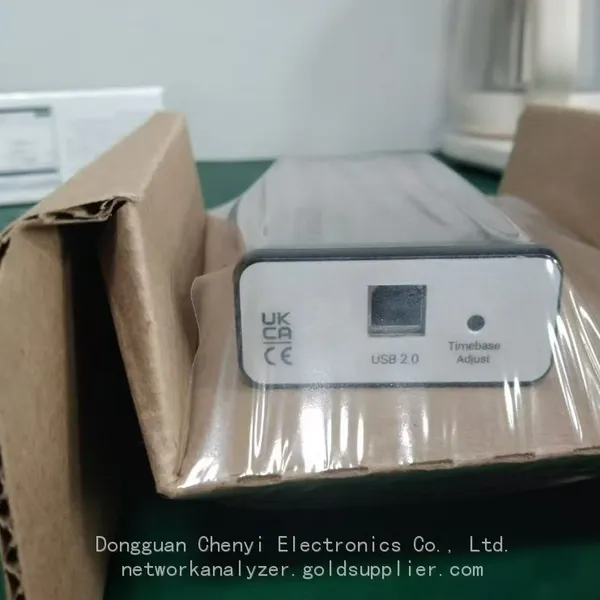 Read More
 -
Understanding Spectrum Analyzer Key Specifications: DANL, Phase Noise, TOI, and RBW
August 14, 20261. The Specification That Cost Two Weeks of DebuggingAn RF design team spent two weeks trying to measure the third harmonic of a 2 Read More
 -
Real-Time Spectrum Analyzer vs Traditional Swept Spectrum Analyzer: Which One Fits Modern RF Testing
August 13, 20261. The Purchase Decision That Engineers Keep Getting WrongA test equipment manager at a contract manufacturer ordered three tradit Read More

Contact Us
Recommended Products
-
 Signal Hound SM200C 100 KHz to 20 GHz Real-time Spectrum Analyzer With 10GbE Monitoring ReceiversNegotiableMOQ: 1 Unit
 -
Signal Hound VSG200 Vector Signal Generator 100 KHz to 20 GHzNegotiableMOQ: 1 Unit
-
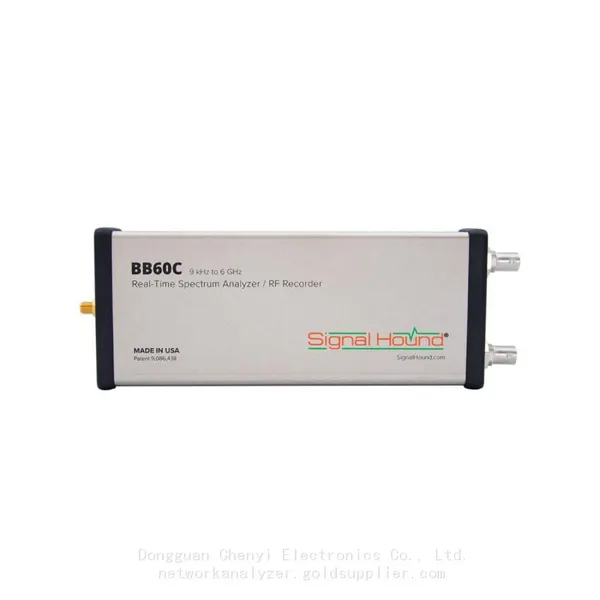
Signal Hound BB60C 9 KHz to 6 GHz Real-time Spectrum AnalyzerNegotiableMOQ: 1 Unit
-
Signal Hound BB60D 9 KHz to 6 GHz Real-time Spectrum AnalyzerNegotiableMOQ: 1 Unit
-
Signal Hound SP145 100 KHz to 14.5 GHz Real-time Spectrum Analyzer Monitoring ReceiversNegotiableMOQ: 1 Unit
-
Signal Hound VSG60A 50 MHz to 6 GHz GHz Vector Signal GeneratorNegotiableMOQ: 1 Unit
-
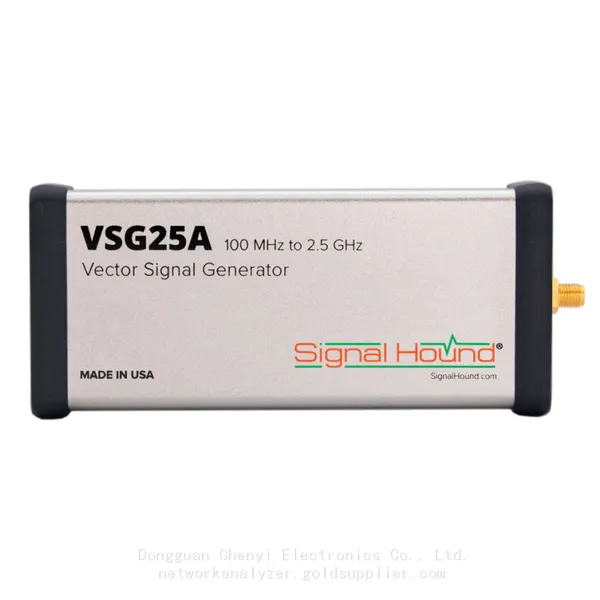
Signal Hound VSG25A 100 MHz to 2.5 GHz Vector Signal GeneratorNegotiableMOQ: 1 Unit
-
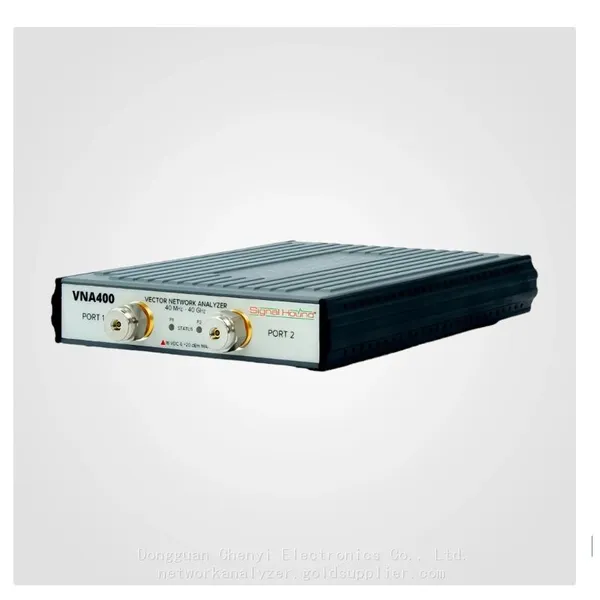
Signal Hound VNA400 40 MHz to 40 GHz 2-port Vector Network AnalyzerNegotiableMOQ: 1 Unit
-
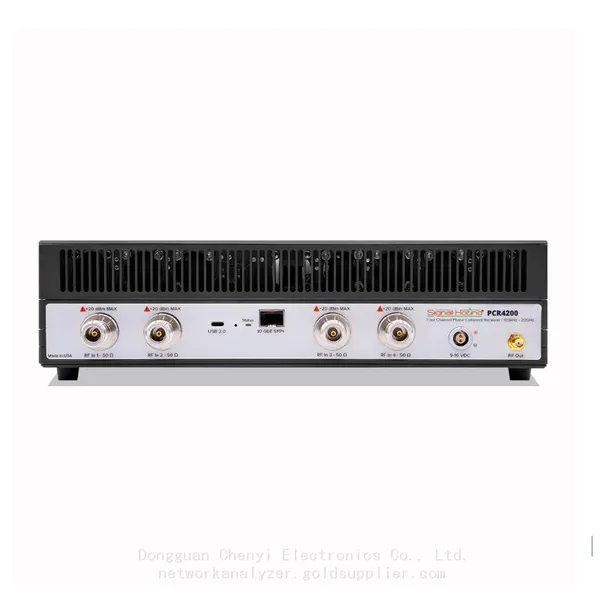
Signal Hound PCR4200 100 KHz to 20 GHz Four-Channel Phase Coherent ReceiverNegotiableMOQ: 1 Unit
-
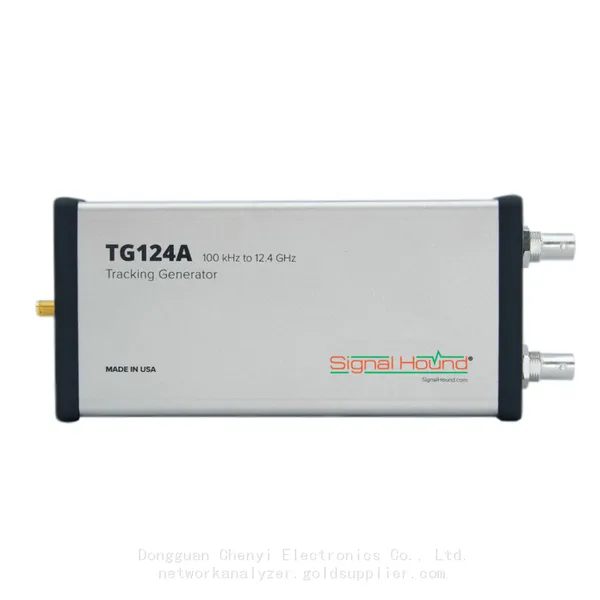
Signal Hound TG124A 100 KHz to 12.4 GHz Tracking GeneratorNegotiableMOQ: 1 Unit
-
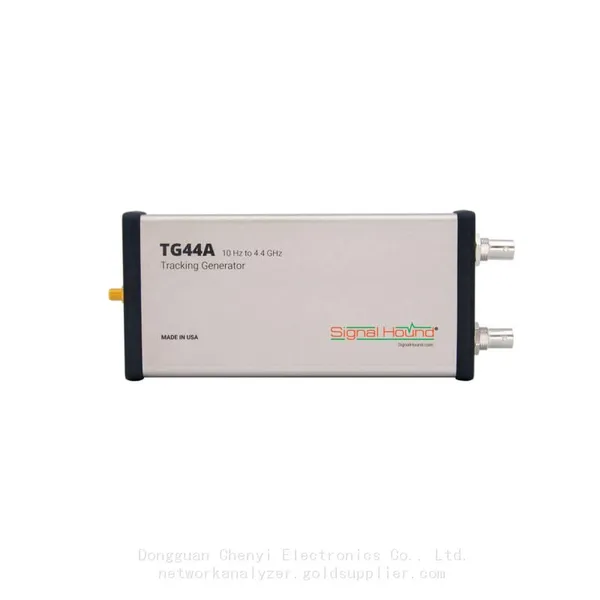
Signal Hound TG44A 10 Hz to 4.4 GHz t Tracking GeneratorNegotiableMOQ: 1 Unit
-
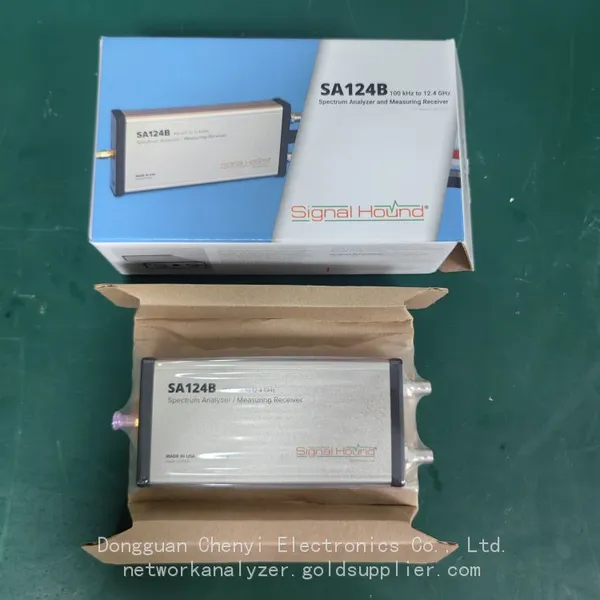
Signal Hound SA124B 100 KHz to 12.4 GHz Spectrum AnalyzerNegotiableMOQ: 1 Unit
-
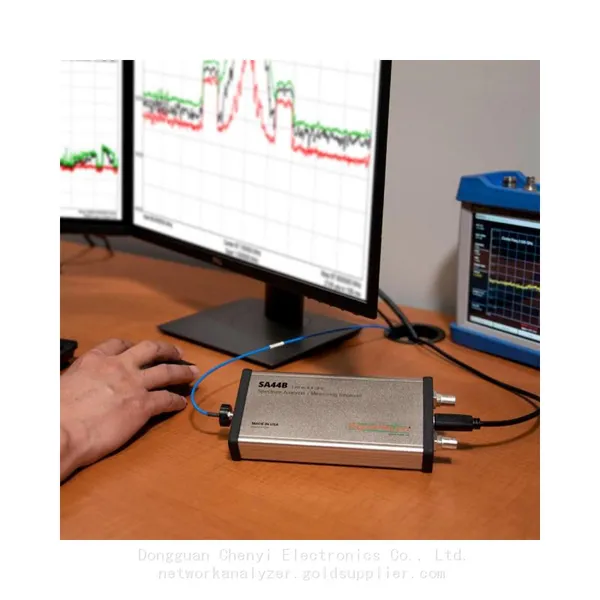
Signal Hound SA44B 1 Hz to 4.4 GHz Spectrum AnalyzerNegotiableMOQ: 1 Unit
-
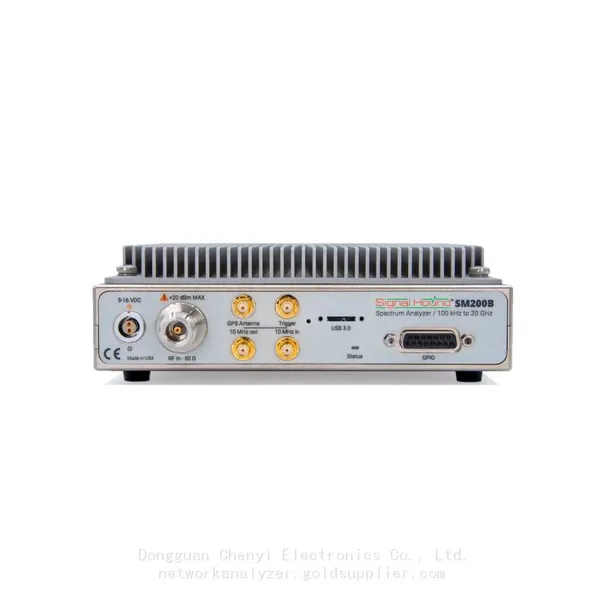
Signal Hound SM200B 100 KHz to 20 GHz Real-time Spectrum Analyzer Monitoring ReceiversNegotiableMOQ: 1 Unit
-
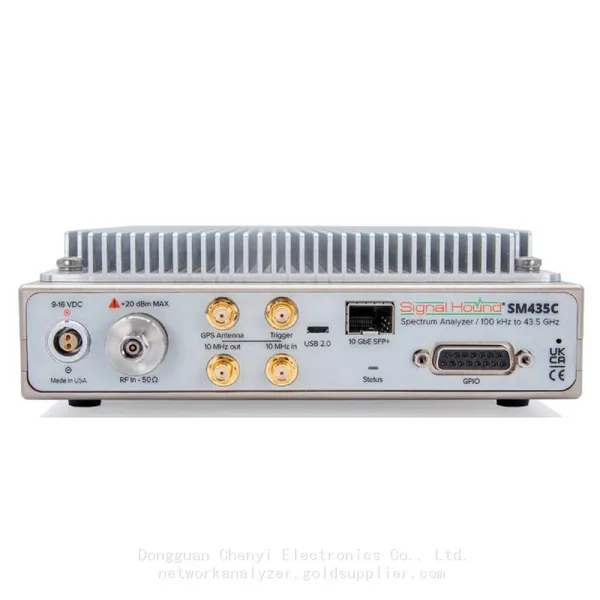
Signal Hound SM435C 100 KHz to 43.5GHz Real-time Spectrum Analyzer With 10GbE Monitoring ReceiversNegotiableMOQ: 1 Unit
-
Signal Hound SM435B 100 KHz to 43.5GHz Real-time Spectrum Analyzer Monitoring ReceiversNegotiableMOQ: 1 Unit
-
Signal Hound PN400 Phase Noise and VCO Test System 100 KHz to 43.5 GHzNegotiableMOQ: 1 Unit
-
Keysight E4980A Precision LCR Meter 20 Hz to 2 MHzNegotiableMOQ: 1 Unit
-
Keysight E4980B and E4980BL Precision LCR Meter 20 Hz to 2 MHzNegotiableMOQ: 1 Unit
-
Keysight U1733C Handheld LCR Meter 100Hz 120Hz 1kHz 10kHz 100kHzNegotiableMOQ: 1 Unit