
 Business License

Seven Reasons You're Overpaying for a Spectrum Analyzer
Seven Reasons You're Overpaying for a Spectrum Analyzer
Spectrum analyzers are critical tools in RF testing, wireless communications, and electromagnetic compatibility (EMC) work, but their costs can vary drastically—from thousands to hundreds of thousands of dollars. While investing in reliable equipment is essential, many organizations and engineers unknowingly overpay due to common misconceptions, misaligned purchasing decisions, or inefficient usage practices. Below are seven key reasons you might be spending more than necessary on your spectrum analyzer, along with insights to help optimize your investment.
1. Over-Specifying Performance Requirements
One of the most prevalent causes of overpayment is purchasing a spectrum analyzer with performance specifications that far exceed your actual needs. Manufacturers offer high-end models with ultra-wide frequency ranges (e.g., 100 kHz to 110 GHz), extremely low noise floors, and massive real-time bandwidths—features that come with a premium price tag. However, if your work is limited to specific applications (e.g., 2.4 GHz Wi-Fi testing, Bluetooth LE development, or sub-6 GHz 5G deployment), paying for a millimeter-wave analyzer or a model with 1 GHz real-time bandwidth is unnecessary.
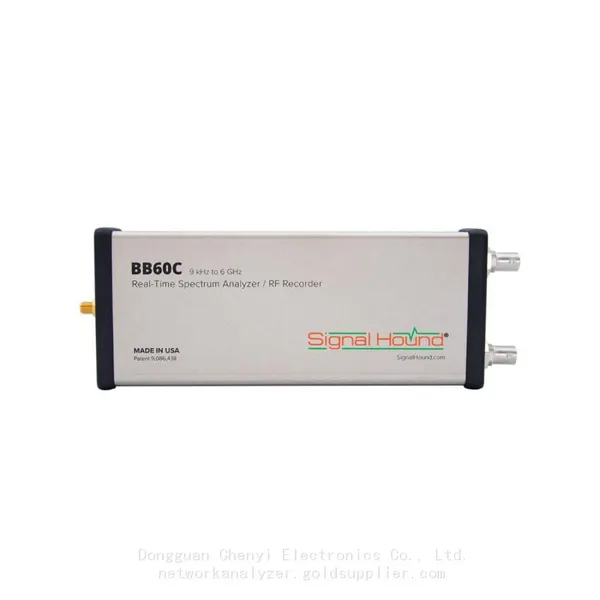
For example, a lab focused on IoT device testing (which typically operates below 6 GHz) would overspend by choosing a 43.5 GHz analyzer when a 6 GHz model like the SignalHound SM200 or BB60C would suffice. Over-specifying not only increases upfront costs but also adds unnecessary complexity to operation and maintenance.
2. Ignoring Cost-Effective Alternatives to Traditional Benchtop Models
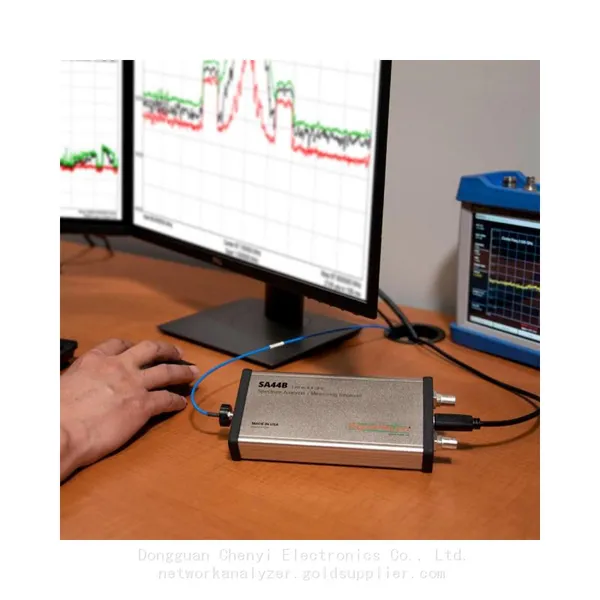
Many users default to bulky, expensive benchtop spectrum analyzers without considering smaller, more affordable alternatives that meet their requirements. Modern USB-powered real-time spectrum analyzers (RTSAs) and portable models offer comparable performance to entry-level and mid-range benchtops at a fraction of the cost. These compact devices—such as the SignalHound BB60 series or SA44B—are USB-powered, lightweight, and compatible with both Windows and Linux systems, making them ideal for field testing, lab work, and even remote control setups.
Benchtop analyzers often include integrated displays, power supplies, and additional hardware that drive up costs, but if you already have a PC/laptop and a stable power source, a USB analyzer eliminates the need for these redundant features. Overlooking these alternatives locks users into higher costs without tangible benefits.
3. Paying for Unused Software Features and Licenses
Spectrum analyzer software is a major component of total cost, and many manufacturers charge premium fees for advanced software packages or feature licenses (e.g., digital demodulation, EMC pre-compliance testing, or phase noise measurement). While these features are valuable for specific use cases, they are often unnecessary for basic spectrum monitoring, interference hunting, or signal power measurement.
For instance, a user who only needs to perform simple spectrum scans and measure signal amplitude would overpay by purchasing a software package with advanced 5G demodulation tools. Many cost-effective analyzers, like those from SignalHound, include core software (e.g., Spike) with essential features (real-time scanning, waterfall displays, interference detection) at no additional cost, with optional advanced licenses available only if needed.
4. Overlooking Open-Source and Cross-Platform Compatibility Savings
Some spectrum analyzer manufacturers tie their software to proprietary operating systems or charge extra for cross-platform support, forcing users to invest in additional hardware (e.g., dedicated Windows PCs) to run the equipment. This hidden cost is avoidable by choosing analyzers with software that supports open-source or widely used operating systems like Linux.
Linux-compatible models (such as SignalHound’s entire product line, which works with Ubuntu, RHEL, and other Linux distributions) eliminate the need to purchase Windows licenses or dedicated PCs. Additionally, open-source software integrations and APIs (available via SignalHound’s SDK) allow users to customize workflows without paying for proprietary automation tools, further reducing long-term costs.
5. Neglecting Total Cost of Ownership (TCO) in Favor of Upfront Price
Many purchasing decisions focus solely on upfront costs, ignoring the total cost of ownership (TCO)—which includes maintenance, calibration, repair, and replacement over the device’s lifespan. High-end analyzers often require annual calibration by certified technicians, expensive replacement parts, and specialized training for operators—all of which add up over time.
In contrast, cost-effective analyzers are designed for low maintenance and easy calibration. For example, SignalHound devices have a modular design that simplifies repairs, and their software is regularly updated for free to fix bugs and add features. Overlooking TCO leads users to choose cheaper upfront models that end up costing more in the long run, or conversely, overpay for high-end models with excessive maintenance requirements.
6. Purchasing More Devices Than Needed (Lack of Remote Control Utilization)
Organizations often buy multiple spectrum analyzers for different locations (e.g., labs, field sites, production lines) without realizing that a single analyzer can be remotely controlled to serve multiple users or locations. Remote control systems—such as those implemented with the BB60C via remote desktop or API-based client-server modes—allow engineers to operate a single analyzer from anywhere with network access, eliminating the need for duplicate equipment.
For example, a company with three regional labs could overspend by buying three analyzers when one well-placed BB60C connected to a local host can be remotely accessed by all labs. This not only reduces upfront hardware costs but also simplifies maintenance and calibration by centralizing equipment.
7. Falling for Brand Premiums Without Tangible Performance Benefits
Certain well-known brands in the test equipment industry charge a significant premium for their spectrum analyzers, even when their performance is comparable to more affordable alternatives. This brand premium is often justified by perceived reliability or market reputation, but many newer or specialized manufacturers (like SignalHound) offer equivalent or better performance for specific applications at a lower cost.
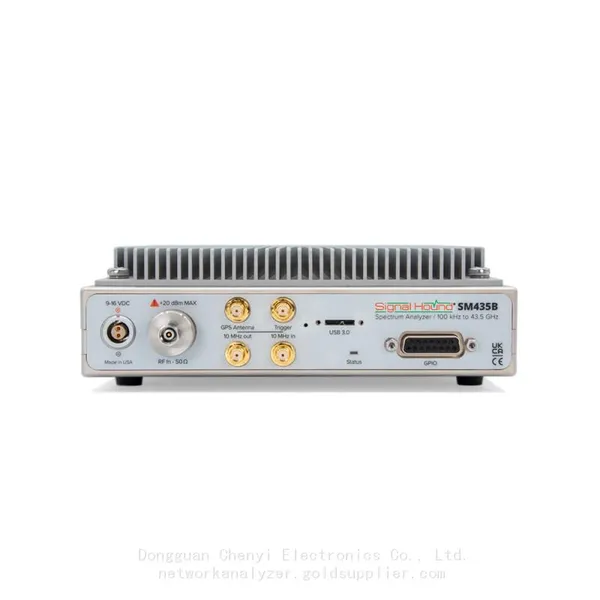
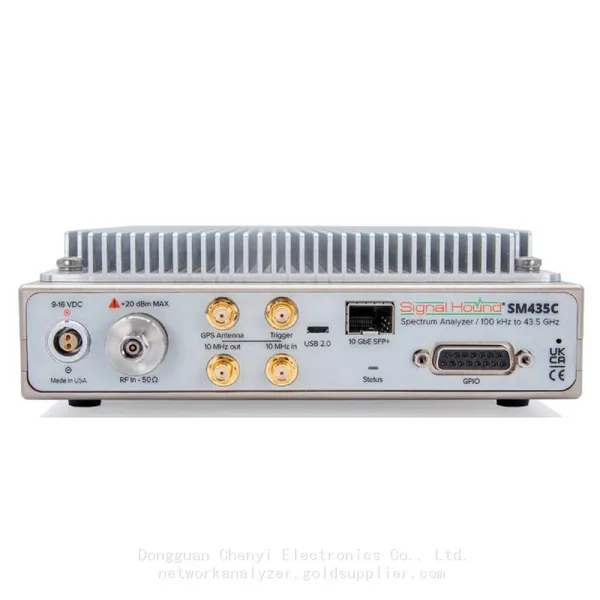
For example, a mid-range SignalHound SM435 (43.5 GHz) offers similar real-time bandwidth and noise floor performance to a premium brand’s millimeter-wave analyzer but at a 30-50% lower price. Falling for brand premiums without verifying performance benchmarks leads to unnecessary overpayment, especially for budget-constrained organizations or academic research labs.
Conclusion: Optimize Your Spectrum Analyzer Investment
Overpaying for a spectrum analyzer is rarely a result of intentional decisions but rather the product of misaligned requirements, overlooked alternatives, and incomplete cost analysis. By focusing on your actual use case, considering compact USB or portable models, avoiding unused software licenses, leveraging cross-platform compatibility, calculating TCO, utilizing remote control, and evaluating performance over brand reputation, you can significantly reduce costs without compromising on quality or functionality.
The key is to prioritize "fit for purpose" over "maximum performance"—invest in the features and specifications you need, and explore cost-effective options that align with your workflow. For many users, this means moving beyond traditional benchtop models to modern, flexible analyzers that offer the right balance of performance, usability, and affordability.
Recently Posted
-
Software-Defined Instruments: How USB Spectrum Analyzers Are Changing the RF Testing Industry
August 17, 20261. The Benchtop Instrument That Would Not Fit in a Carry-OnAn RF field engineer arrived at a remote cell site in a mountainous reg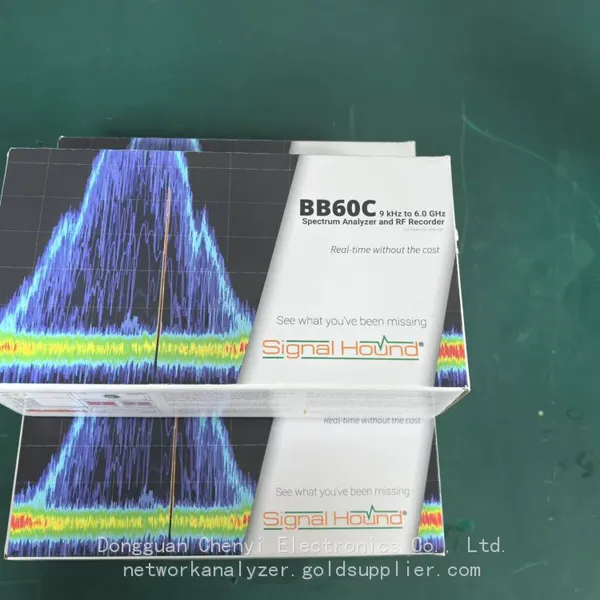 Read More
 -
Spectrum Monitoring Solutions for Broadcast Radio and Television Transmission Stations
August 17, 20261. When a 50 kW FM Transmitter Goes SilentA regional FM broadcaster serving roughly 2 million listeners lost its main transmitter Read More
 -
Understanding Spectrum Analyzer Key Specifications: DANL, Phase Noise, TOI, and RBW
August 14, 20261. The Specification That Cost Two Weeks of DebuggingAn RF design team spent two weeks trying to measure the third harmonic of a 2 Read More
 -
Real-Time Spectrum Analyzer vs Traditional Swept Spectrum Analyzer: Which One Fits Modern RF Testing
August 13, 20261. The Purchase Decision That Engineers Keep Getting WrongA test equipment manager at a contract manufacturer ordered three tradit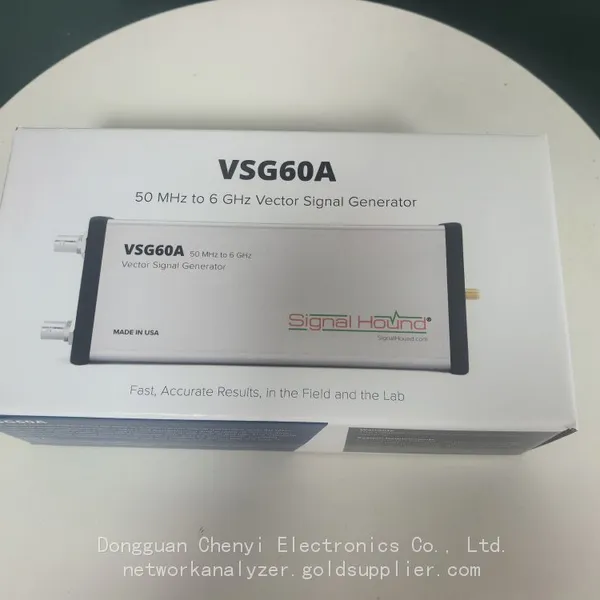 Read More

Contact Us
Recommended Products
-
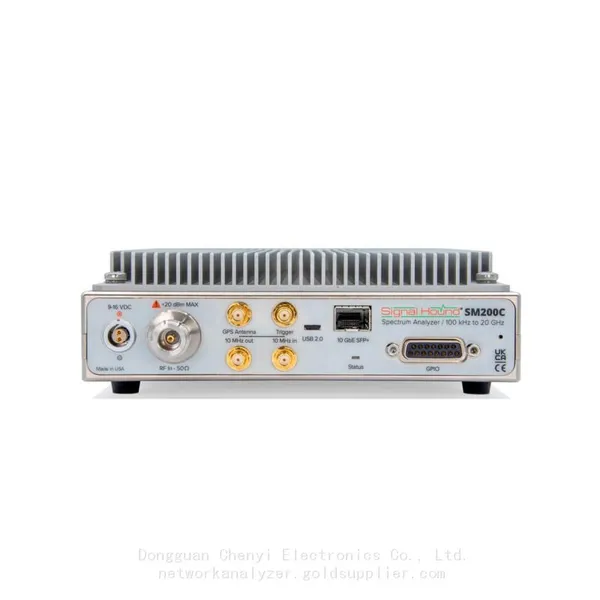
 Signal Hound SM200C 100 KHz to 20 GHz Real-time Spectrum Analyzer With 10GbE Monitoring ReceiversNegotiableMOQ: 1 Unit
 -
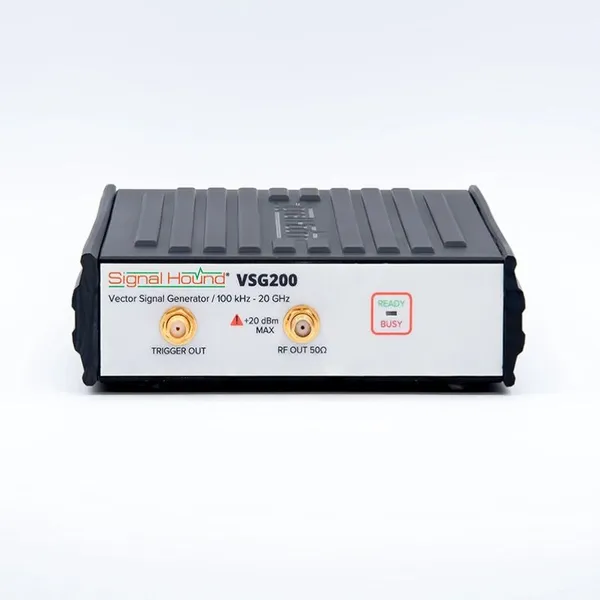
Signal Hound VSG200 Vector Signal Generator 100 KHz to 20 GHzNegotiableMOQ: 1 Unit
-
Signal Hound BB60C 9 KHz to 6 GHz Real-time Spectrum AnalyzerNegotiableMOQ: 1 Unit
-
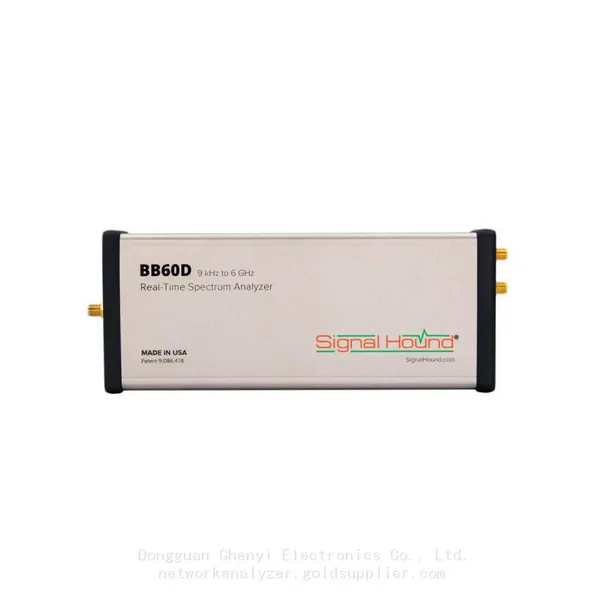
Signal Hound BB60D 9 KHz to 6 GHz Real-time Spectrum AnalyzerNegotiableMOQ: 1 Unit
-
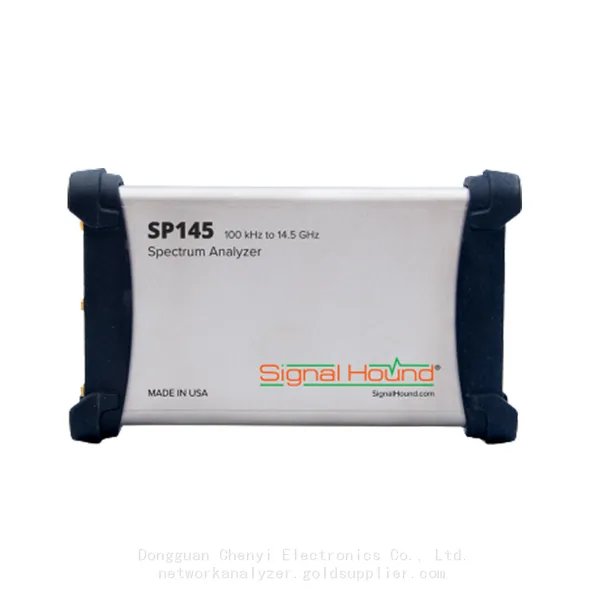
Signal Hound SP145 100 KHz to 14.5 GHz Real-time Spectrum Analyzer Monitoring ReceiversNegotiableMOQ: 1 Unit
-
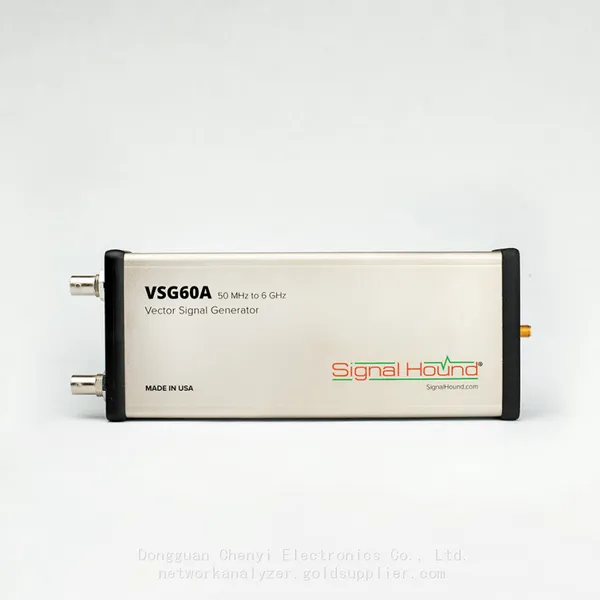
Signal Hound VSG60A 50 MHz to 6 GHz GHz Vector Signal GeneratorNegotiableMOQ: 1 Unit
-
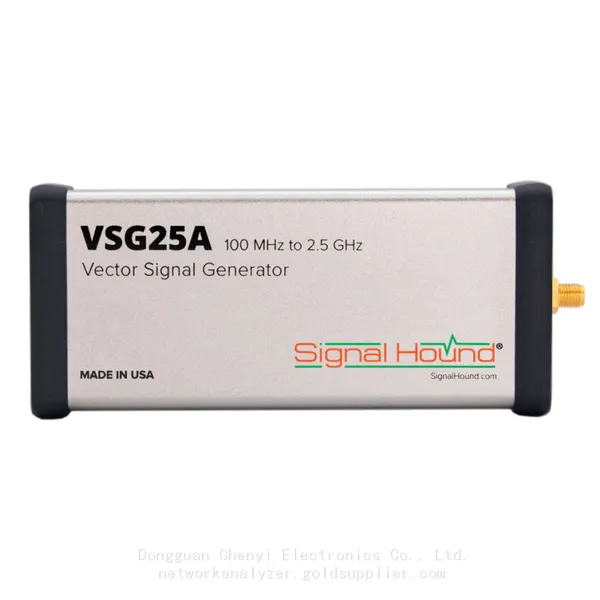
Signal Hound VSG25A 100 MHz to 2.5 GHz Vector Signal GeneratorNegotiableMOQ: 1 Unit
-
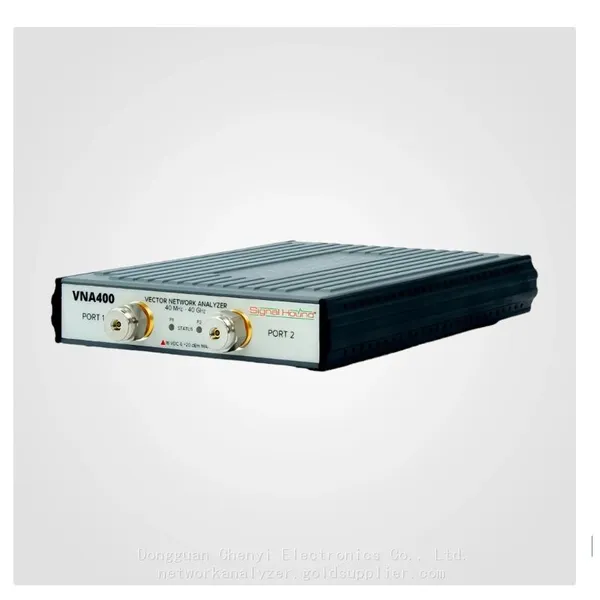
Signal Hound VNA400 40 MHz to 40 GHz 2-port Vector Network AnalyzerNegotiableMOQ: 1 Unit
-
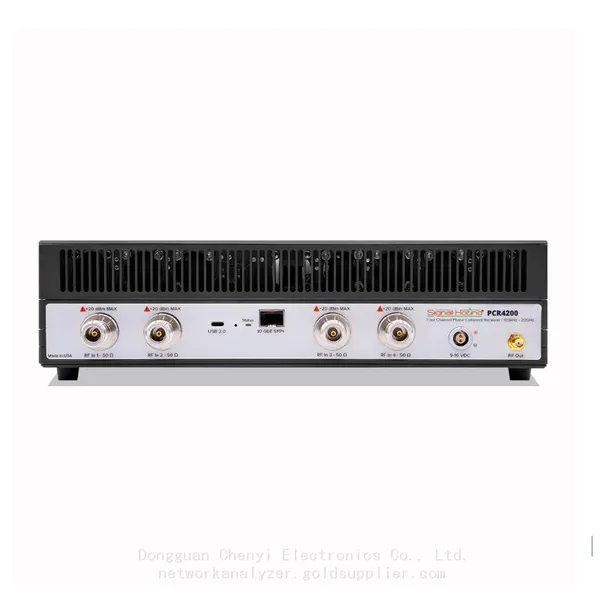
Signal Hound PCR4200 100 KHz to 20 GHz Four-Channel Phase Coherent ReceiverNegotiableMOQ: 1 Unit
-
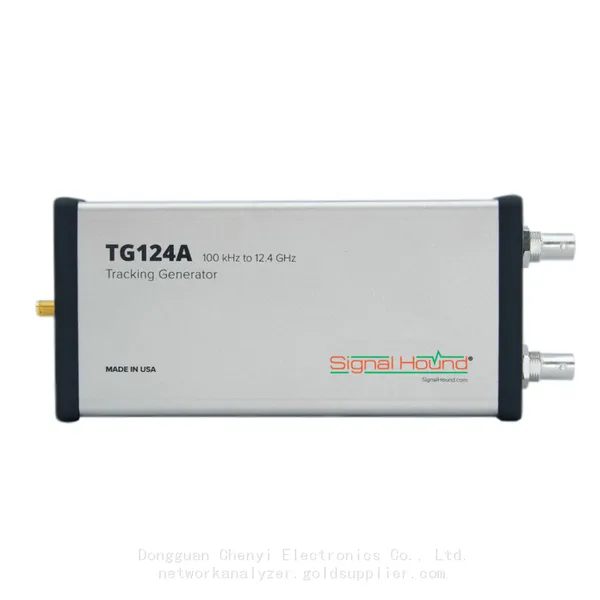
Signal Hound TG124A 100 KHz to 12.4 GHz Tracking GeneratorNegotiableMOQ: 1 Unit
-
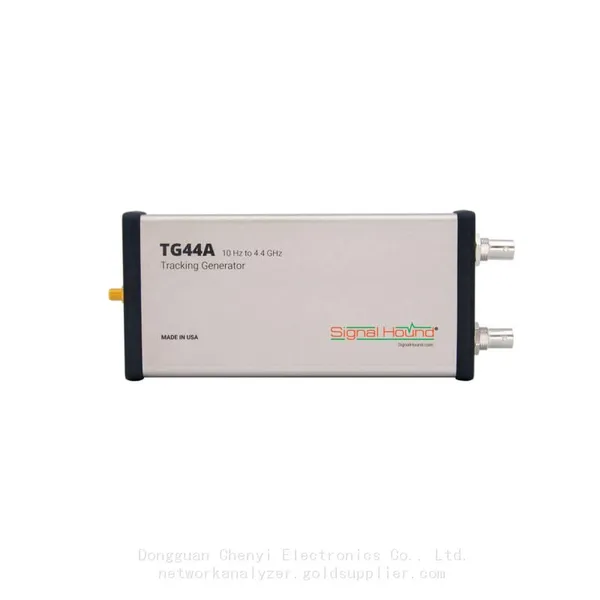
Signal Hound TG44A 10 Hz to 4.4 GHz t Tracking GeneratorNegotiableMOQ: 1 Unit
-
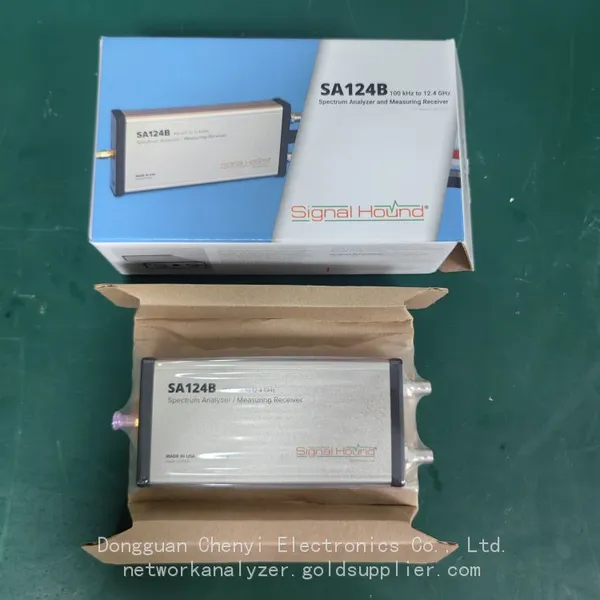
Signal Hound SA124B 100 KHz to 12.4 GHz Spectrum AnalyzerNegotiableMOQ: 1 Unit
-
Signal Hound SA44B 1 Hz to 4.4 GHz Spectrum AnalyzerNegotiableMOQ: 1 Unit
-
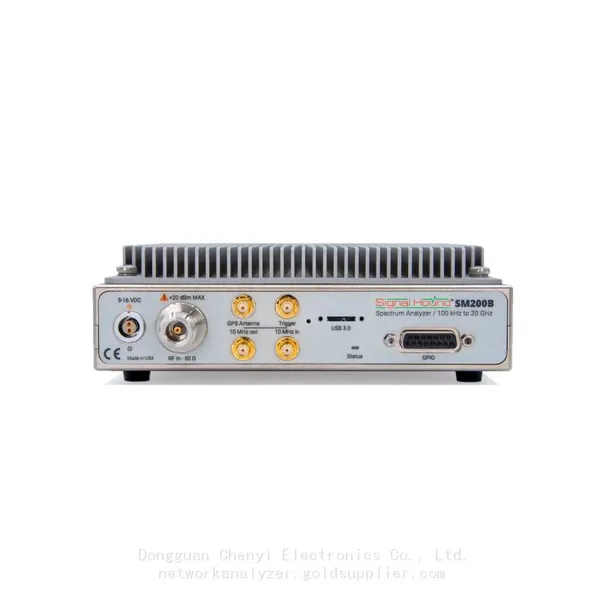
Signal Hound SM200B 100 KHz to 20 GHz Real-time Spectrum Analyzer Monitoring ReceiversNegotiableMOQ: 1 Unit
-
Signal Hound SM435C 100 KHz to 43.5GHz Real-time Spectrum Analyzer With 10GbE Monitoring ReceiversNegotiableMOQ: 1 Unit
-
Signal Hound SM435B 100 KHz to 43.5GHz Real-time Spectrum Analyzer Monitoring ReceiversNegotiableMOQ: 1 Unit
-
Signal Hound PN400 Phase Noise and VCO Test System 100 KHz to 43.5 GHzNegotiableMOQ: 1 Unit
-
Keysight E4980A Precision LCR Meter 20 Hz to 2 MHzNegotiableMOQ: 1 Unit
-
Keysight E4980B and E4980BL Precision LCR Meter 20 Hz to 2 MHzNegotiableMOQ: 1 Unit
-
Keysight U1733C Handheld LCR Meter 100Hz 120Hz 1kHz 10kHz 100kHzNegotiableMOQ: 1 Unit