
 Business License

Signal Hound TG124A: Empowering Reliable IoT Sensor Performance Testing
Signal Hound TG124A: Empowering Reliable IoT Sensor Performance Testing
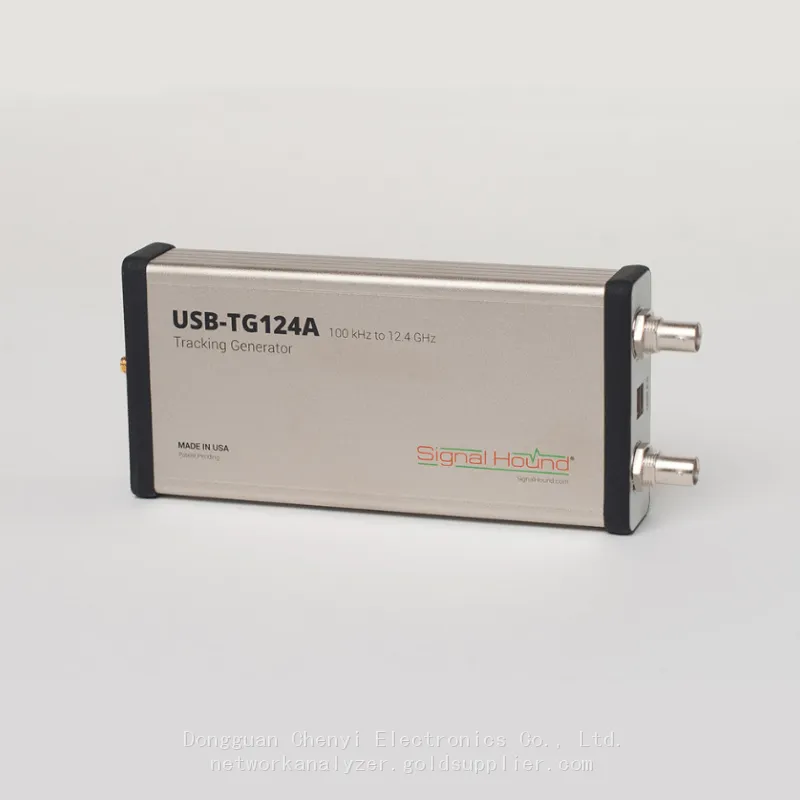
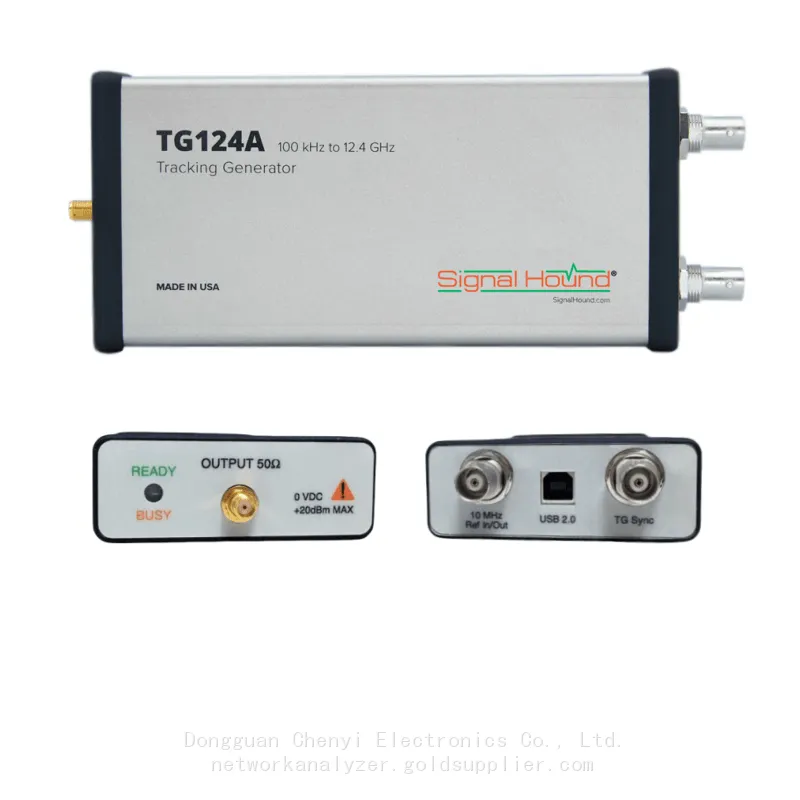
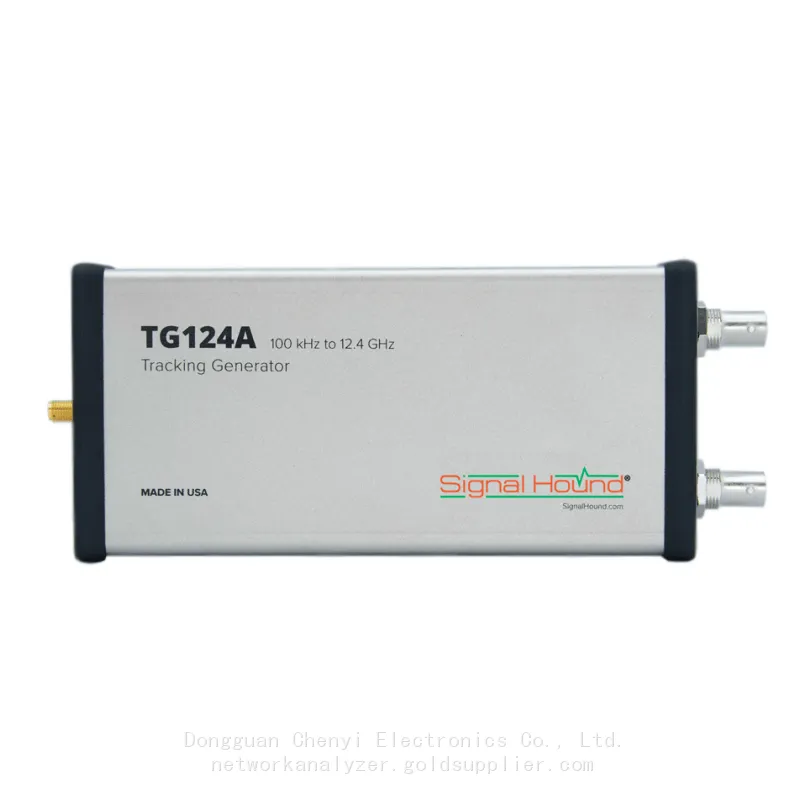
In the era of the Internet of Things (IoT), sensors serve as the "nerve endings" of smart systems, undertaking critical tasks such as environmental monitoring, data collection, and status perception. The reliability and accuracy of IoT sensors directly determine the operational efficiency and stability of the entire IoT ecosystem. For 2.4 GHz band IoT sensors—including Bluetooth Low Energy (BLE), Zigbee, and Wi-Fi-enabled devices—rigorous RF performance testing is essential during R&D and production. The Signal Hound TG124A, a compact and cost-effective RF signal generator, has emerged as an ideal tool for this scenario. With its 9 kHz to 2.4 GHz frequency coverage, flexible modulation capabilities, and portable design, the TG124A efficiently validates key performance indicators of IoT sensors, ensuring they meet the demands of real-world applications.
The Core Challenges of IoT Sensor Performance Testing
IoT sensors operating in the 2.4 GHz band face complex working environments, including signal interference from other wireless devices, signal attenuation in different spaces, and the need for low-power, long-distance communication. These factors pose significant challenges to performance testing:
• Receiver Sensitivity Verification: IoT sensors often work in low-signal environments, requiring high receiver sensitivity to ensure stable data transmission. Testing this indicator demands precise control of signal power to simulate weak signal scenarios.
• Anti-Interference Capability Testing: The 2.4 GHz band is crowded with signals from Wi-Fi routers, Bluetooth devices, and industrial microwave equipment. Sensors must resist such interference to avoid data loss or errors, requiring test tools that can simulate complex interference environments.
• Signal Transmission Stability Validation: In practical deployments, sensors may be placed in environments with obstacles (e.g., walls, furniture in smart homes, or crops in smart agriculture), leading to signal reflection and attenuation. Testing transmission stability under different signal strength conditions is crucial.
• Cost-Effective Mass Production Testing: For small and medium-sized IoT manufacturers, high-cost test equipment can significantly increase production costs. A cost-effective yet reliable test solution is needed to meet mass production inspection requirements.
The Signal Hound TG124A addresses these challenges by combining precise signal generation, flexible scenario simulation, and affordable pricing, making it a perfect fit for IoT sensor performance testing.
TG124A-Based IoT Sensor Performance Testing Solution
The testing solution centered on the TG124A integrates the signal generator with Signal Hound’s Spike® RF analysis software, complementary test accessories, and optional spectrum analyzers (e.g., SA124B) to form a comprehensive testing system. This system covers key test items for IoT sensors and supports both lab-based R&D testing and on-site validation.
1. System Composition
• Core Device: Signal Hound TG124A RF signal generator (provides 2.4 GHz band test signals, supports AM/FM/PM/Pulse analog modulations and QPSK/16QAM digital modulations, and custom IQ waveform playback).
• Control & Analysis Software: Spike RF analysis software (unified control of the TG124A, parameter configuration, real-time signal monitoring, and data recording).
• Complementary Accessories: SMA RF cables (low-loss signal transmission), variable attenuators (0–60 dB, precise signal power adjustment), SMA antennas (for wireless signal radiation testing), and a portable USB power bank (for field testing).
• Optional Equipment: Signal Hound SA124B spectrum analyzer (closed-loop testing, verifying sensor output signal quality and analyzing interference signals).
2. Key Test Items & Implementation Process
The TG124A enables targeted testing of IoT sensor performance, with the following core test items and implementation workflows:
2.1 Receiver Sensitivity Testing
Receiver sensitivity is the minimum signal power that a sensor can correctly receive and demodulate, a key indicator of its long-distance communication capability. The TG124A’s precise power control (range: -60 dBm to +10 dBm, step size 0.1 dB) makes it ideal for this test:
1. Hardware Connection: Connect the TG124A to the IoT sensor’s RF input port via an SMA cable and a variable attenuator. If conducting wireless testing, connect an SMA antenna to both the TG124A and the sensor.
2. Software Configuration: Launch Spike software, select the modulation format matching the sensor (e.g., BLE for BLE sensors), set the center frequency to 2.4 GHz (or the sensor’s specific working frequency), and configure the signal bandwidth and data rate according to the sensor’s protocol requirements.
3. Signal Generation & Testing: Start generating signals with the TG124A, initially setting the output power to a moderate level (e.g., -30 dBm) to ensure the sensor works normally. Gradually reduce the signal power by adjusting the TG124A’s output power or the attenuator, and record the minimum power at which the sensor can still correctly receive and transmit data—this is the receiver sensitivity.
4. Data Analysis: Use Spike software to record the test data, including the minimum sensitive power and the corresponding bit error rate (BER). Verify whether the results meet the design specifications (e.g., BLE sensors typically require a sensitivity of ≤ -90 dBm at BER = 1e-3).
2.2 Anti-Interference Capability Testing
To simulate the complex 2.4 GHz band environment, the TG124A can generate composite signals containing target signals and interference signals, testing the sensor’s ability to resist interference:
5. Signal Configuration: In Spike software, configure the TG124A to generate two signals: a target signal (matching the sensor’s protocol, e.g., Zigbee 2.4 GHz signal) and an interference signal (e.g., 2.45 GHz Wi-Fi signal). Set the power ratio of the interference signal to the target signal (e.g., interference signal power is 5 dB, 10 dB, or 15 dB higher than the target signal).
6. Interference Testing: Transmit the composite signal to the IoT sensor. Observe and record the sensor’s data transmission status—whether there is data loss, delay, or error reporting.
7. Scenario Expansion: Adjust the frequency and power of the interference signal to simulate different interference scenarios (e.g., adjacent channel interference, co-channel interference). Evaluate the sensor’s anti-interference threshold and stability under various interference conditions.
2.3 Signal Transmission Stability Testing
This test verifies the sensor’s data transmission stability under different signal strength conditions, simulating real-world signal attenuation caused by obstacles or distance:
8. Test Setup: Conduct the test in a typical application environment (e.g., a smart home with walls, a smart farm with crops). Connect the TG124A to a portable USB power bank, and use an antenna to radiate signals wirelessly.
9. Parameter Setting: Use the TG124A to generate a stable target signal matching the sensor. Adjust the signal power in steps (e.g., from -20 dBm to -80 dBm) to simulate different signal attenuation levels.
10. Stability Monitoring: Continuously transmit data for 30–60 minutes under each power level. Record the sensor’s data transmission success rate, delay, and packet loss rate using Spike software or the sensor’s host system.
11. Result Evaluation: Determine the sensor’s stable working range of signal power. Ensure that the sensor maintains a high data transmission success rate (e.g., ≥ 99.5%) within the expected application signal strength range.
Advantages of the TG124A in IoT Sensor Testing
Compared with traditional bulky and expensive signal generators, the Signal Hound TG124A offers unique advantages for IoT sensor performance testing:
• Precise & Scenario-Matched Signal Generation: The 9 kHz to 2.4 GHz frequency range fully covers mainstream 2.4 GHz IoT protocols. Support for multiple modulations and custom IQ waveform playback enables accurate simulation of sensor-specific signals and complex interference environments.
• Cost-Effective Solution: The TG124A’s affordable pricing significantly reduces the threshold for IoT sensor testing, making it accessible to small and medium-sized manufacturers and startups. It eliminates the need for high-cost specialized test equipment, reducing R&D and production testing costs.
• Portable & Flexible Deployment: USB-powered and compact (1.2 lbs weight), the TG124A is easy to carry for on-site testing in real application environments (e.g., smart homes, farms, industrial workshops). This avoids the limitations of lab-based testing and ensures test results reflect real-world performance.
• User-Friendly Operation: Integration with Spike software provides an intuitive graphical interface for quick parameter configuration, real-time signal monitoring, and data recording. Even users with limited RF testing experience can efficiently complete testing tasks, improving work efficiency.
Real-World Application Case
A small IoT device manufacturer specializing in smart agriculture sensors used the TG124A to test its 2.4 GHz BLE soil temperature and humidity sensor. During R&D testing, the TG124A simulated weak signal environments (down to -95 dBm) to verify the sensor’s receiver sensitivity, ensuring it could communicate stably with a gateway 100 meters away in an open field. Additionally, the TG124A generated Wi-Fi interference signals to test the sensor’s anti-interference capability, ensuring reliable data transmission even in farm environments with nearby Wi-Fi-enabled smart devices. In mass production, the manufacturer used the TG124A as a quick inspection tool, reducing the testing time per sensor to 2–3 minutes and improving production efficiency by 40% compared to manual testing. The cost-effectiveness and ease of use of the TG124A enabled the manufacturer to control testing costs while ensuring product quality.
Conclusion
The Signal Hound TG124A has become a reliable partner in IoT sensor performance testing, addressing core challenges such as receiver sensitivity, anti-interference capability, and transmission stability testing. Its precise signal generation, flexible scenario simulation, portability, and cost-effectiveness make it suitable for a wide range of users, from IoT sensor R&D teams to mass production manufacturers. By using the TG124A, enterprises can efficiently validate sensor performance, ensure product reliability in real-world applications, and gain a competitive edge in the fast-growing IoT market. Whether in lab-based R&D or on-site field testing, the TG124A delivers consistent, high-quality testing capabilities, empowering the development of the IoT industry.
Recently Posted
-
Software-Defined Instruments: How USB Spectrum Analyzers Are Changing the RF Testing Industry
August 17, 20261. The Benchtop Instrument That Would Not Fit in a Carry-OnAn RF field engineer arrived at a remote cell site in a mountainous reg Read More
 -
Spectrum Monitoring Solutions for Broadcast Radio and Television Transmission Stations
August 17, 20261. When a 50 kW FM Transmitter Goes SilentA regional FM broadcaster serving roughly 2 million listeners lost its main transmitter Read More
 -
Understanding Spectrum Analyzer Key Specifications: DANL, Phase Noise, TOI, and RBW
August 14, 20261. The Specification That Cost Two Weeks of DebuggingAn RF design team spent two weeks trying to measure the third harmonic of a 2 Read More
 -
Real-Time Spectrum Analyzer vs Traditional Swept Spectrum Analyzer: Which One Fits Modern RF Testing
August 13, 20261. The Purchase Decision That Engineers Keep Getting WrongA test equipment manager at a contract manufacturer ordered three tradit Read More

Contact Us
Recommended Products
-
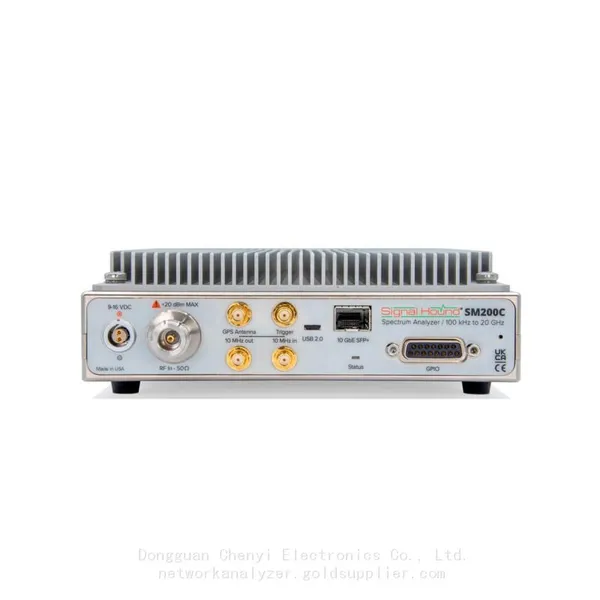
 Signal Hound SM200C 100 KHz to 20 GHz Real-time Spectrum Analyzer With 10GbE Monitoring ReceiversNegotiableMOQ: 1 Unit
 -
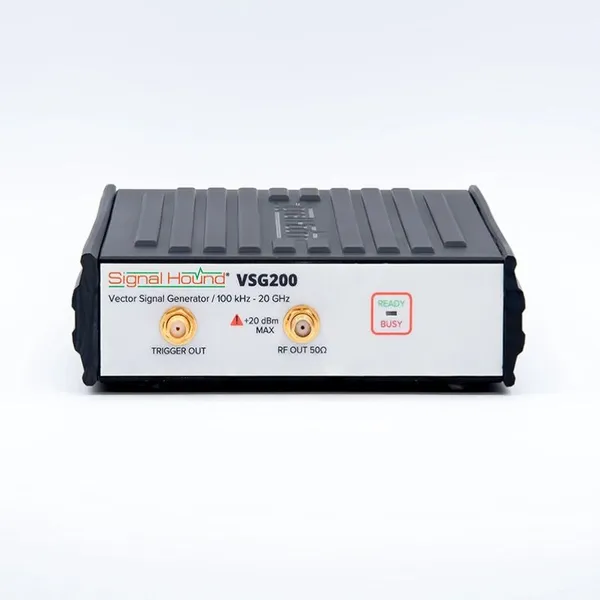
Signal Hound VSG200 Vector Signal Generator 100 KHz to 20 GHzNegotiableMOQ: 1 Unit
-
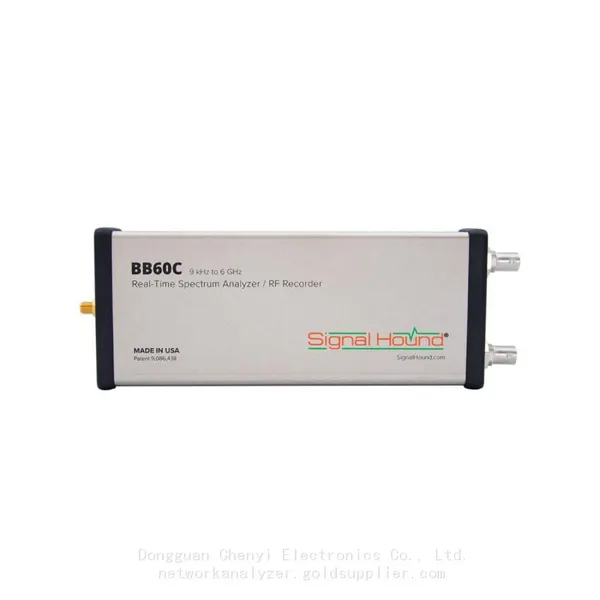
Signal Hound BB60C 9 KHz to 6 GHz Real-time Spectrum AnalyzerNegotiableMOQ: 1 Unit
-
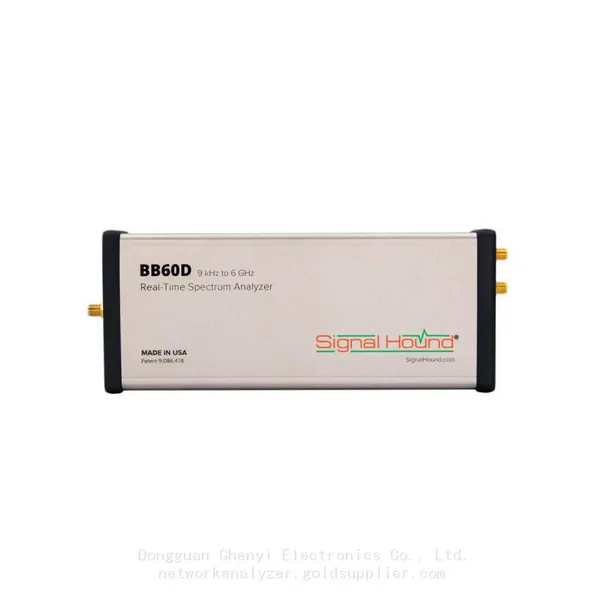
Signal Hound BB60D 9 KHz to 6 GHz Real-time Spectrum AnalyzerNegotiableMOQ: 1 Unit
-
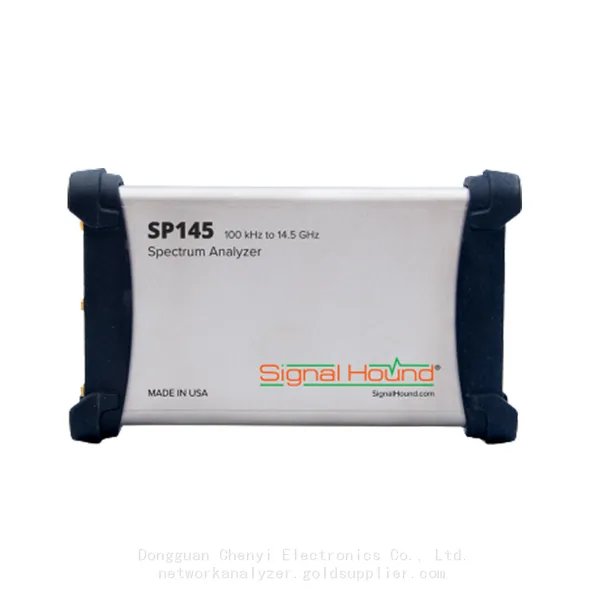
Signal Hound SP145 100 KHz to 14.5 GHz Real-time Spectrum Analyzer Monitoring ReceiversNegotiableMOQ: 1 Unit
-
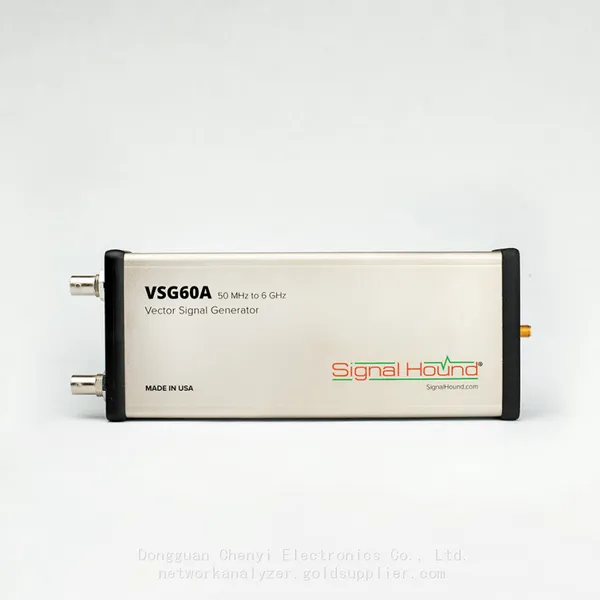
Signal Hound VSG60A 50 MHz to 6 GHz GHz Vector Signal GeneratorNegotiableMOQ: 1 Unit
-
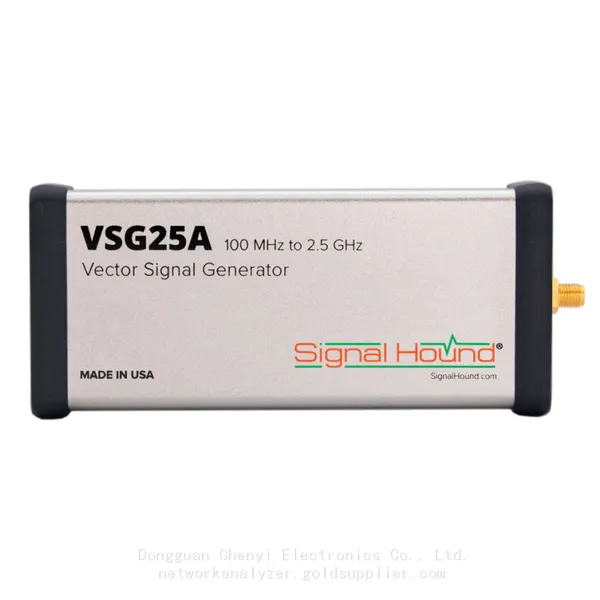
Signal Hound VSG25A 100 MHz to 2.5 GHz Vector Signal GeneratorNegotiableMOQ: 1 Unit
-
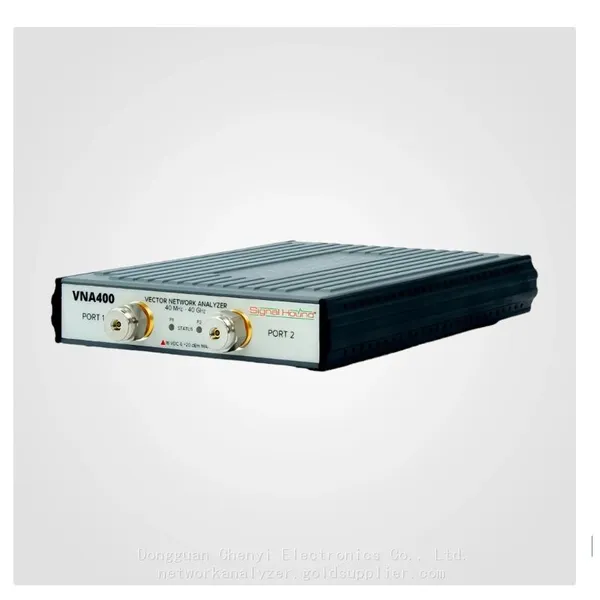
Signal Hound VNA400 40 MHz to 40 GHz 2-port Vector Network AnalyzerNegotiableMOQ: 1 Unit
-
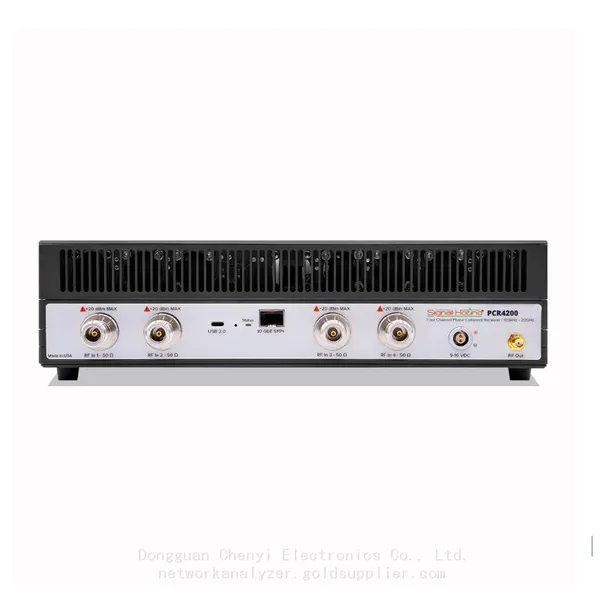
Signal Hound PCR4200 100 KHz to 20 GHz Four-Channel Phase Coherent ReceiverNegotiableMOQ: 1 Unit
-
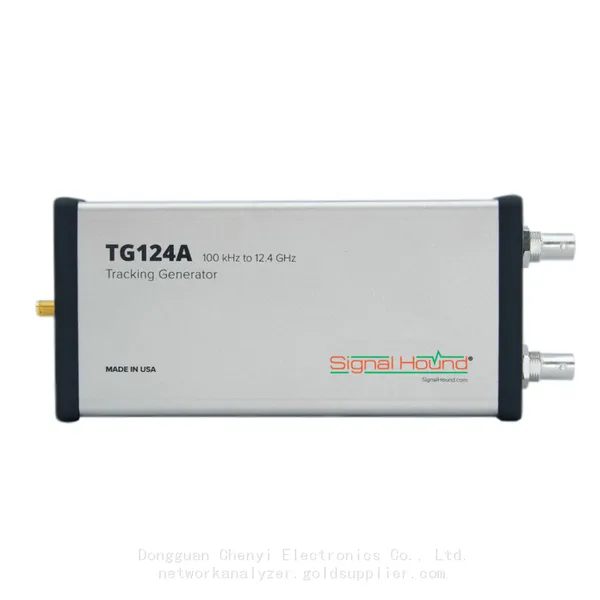
Signal Hound TG124A 100 KHz to 12.4 GHz Tracking GeneratorNegotiableMOQ: 1 Unit
-
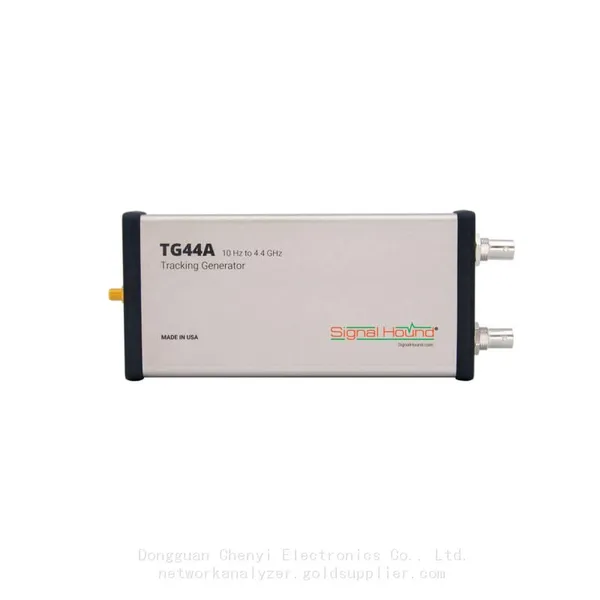
Signal Hound TG44A 10 Hz to 4.4 GHz t Tracking GeneratorNegotiableMOQ: 1 Unit
-
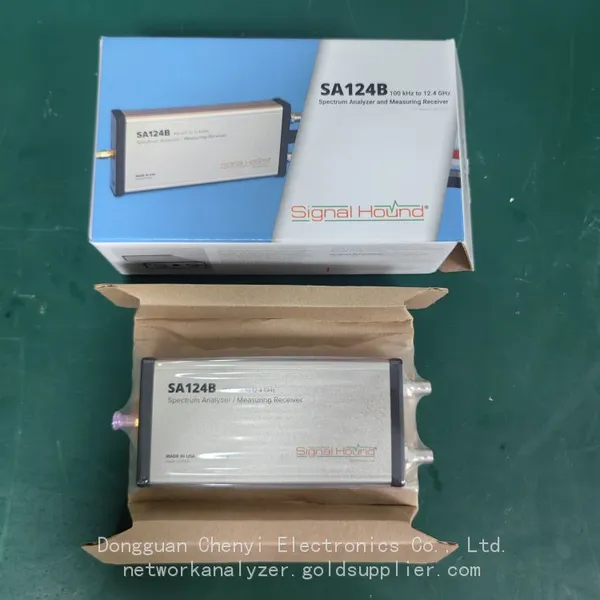
Signal Hound SA124B 100 KHz to 12.4 GHz Spectrum AnalyzerNegotiableMOQ: 1 Unit
-
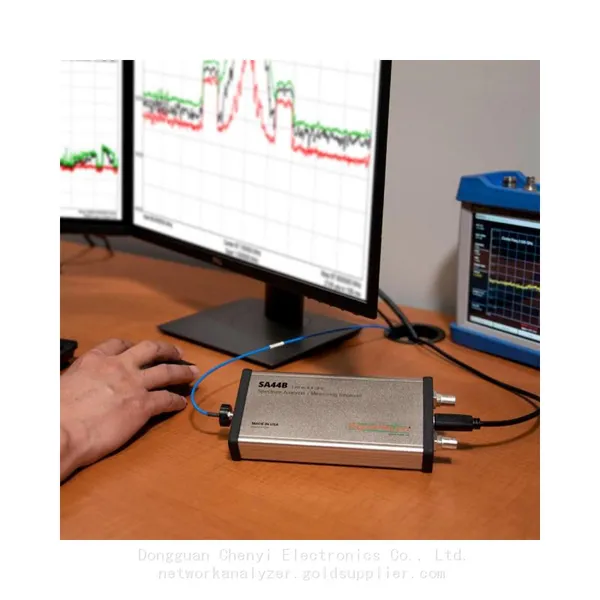
Signal Hound SA44B 1 Hz to 4.4 GHz Spectrum AnalyzerNegotiableMOQ: 1 Unit
-
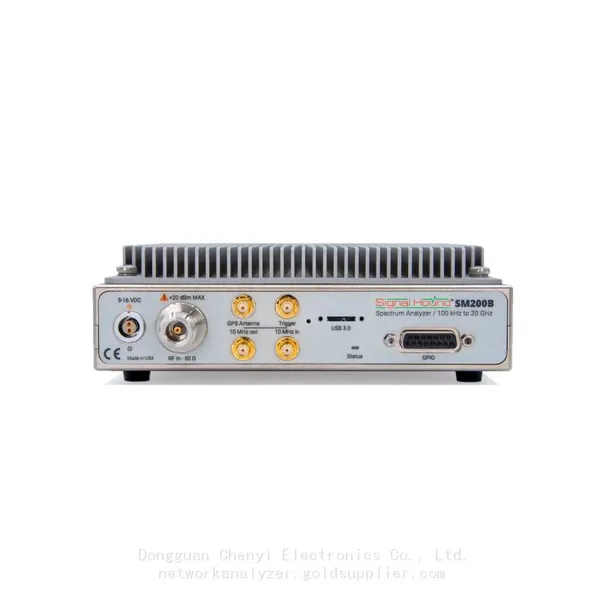
Signal Hound SM200B 100 KHz to 20 GHz Real-time Spectrum Analyzer Monitoring ReceiversNegotiableMOQ: 1 Unit
-
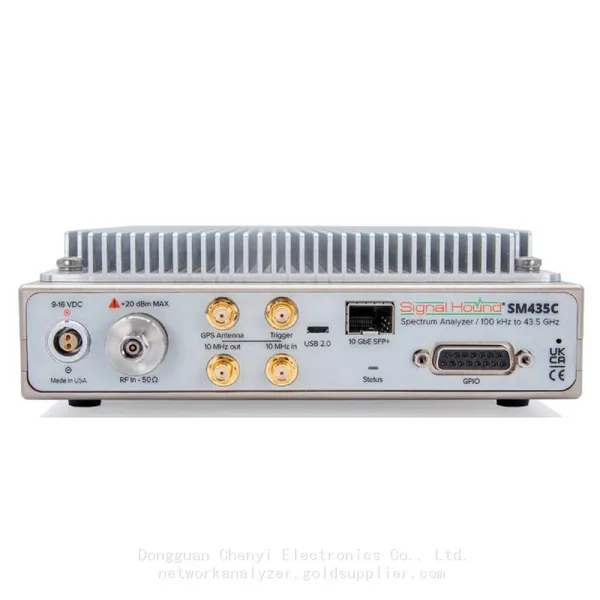
Signal Hound SM435C 100 KHz to 43.5GHz Real-time Spectrum Analyzer With 10GbE Monitoring ReceiversNegotiableMOQ: 1 Unit
-
Signal Hound SM435B 100 KHz to 43.5GHz Real-time Spectrum Analyzer Monitoring ReceiversNegotiableMOQ: 1 Unit
-
Signal Hound PN400 Phase Noise and VCO Test System 100 KHz to 43.5 GHzNegotiableMOQ: 1 Unit
-
Keysight E4980A Precision LCR Meter 20 Hz to 2 MHzNegotiableMOQ: 1 Unit
-
Keysight E4980B and E4980BL Precision LCR Meter 20 Hz to 2 MHzNegotiableMOQ: 1 Unit
-
Keysight U1733C Handheld LCR Meter 100Hz 120Hz 1kHz 10kHz 100kHzNegotiableMOQ: 1 Unit