
 Business License

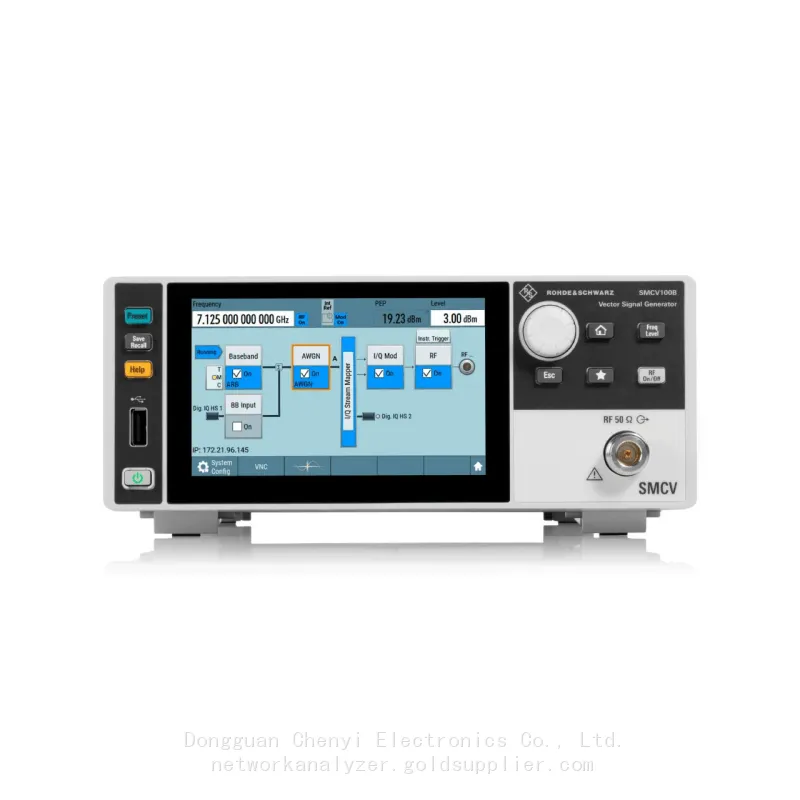
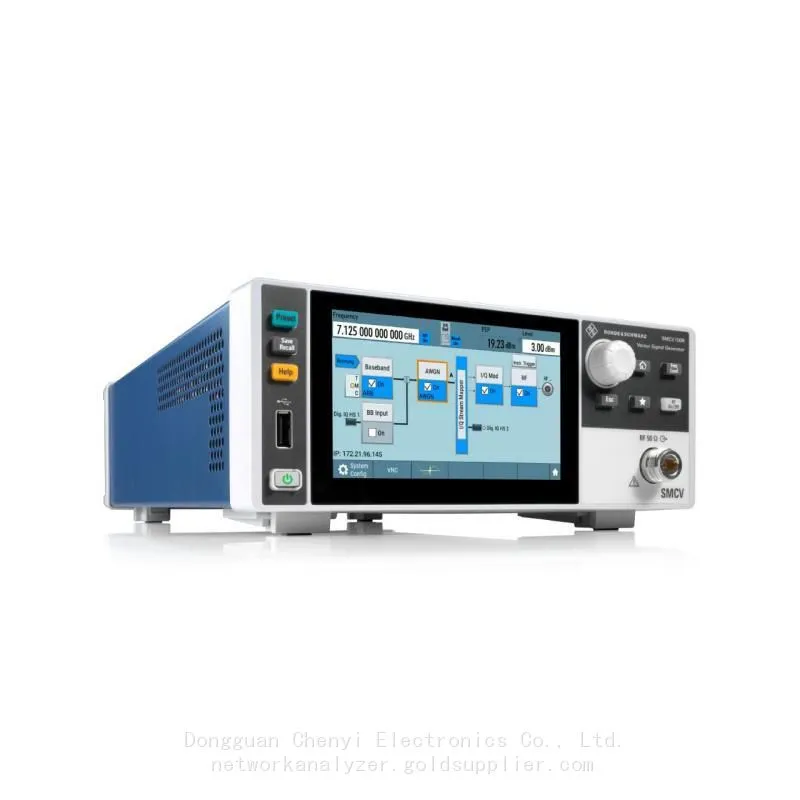
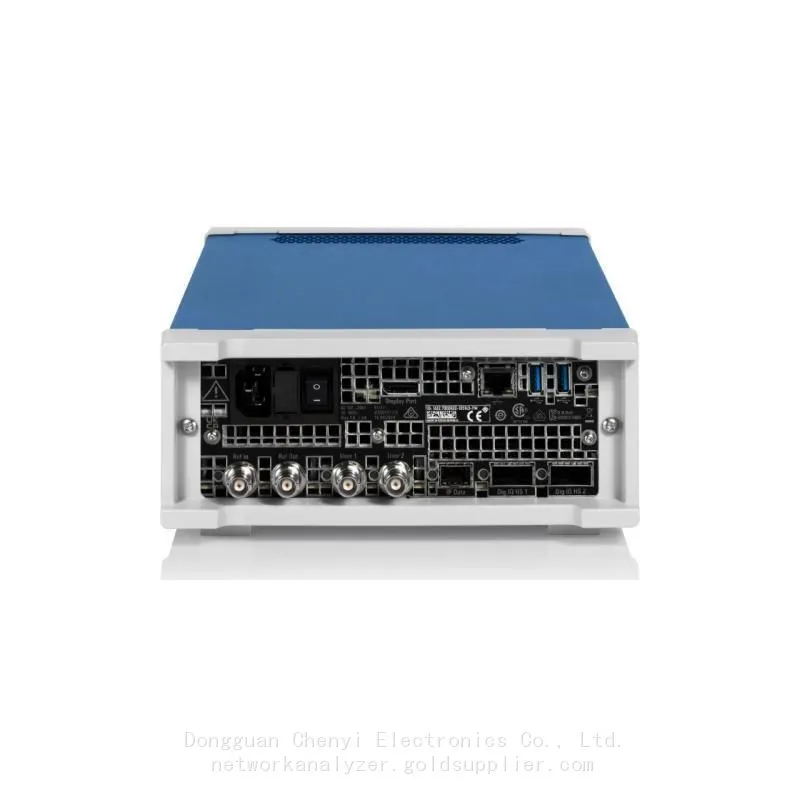
rohde schwarz RS SMCV100B vector signal generator SMCVB-B107: 4 kHz to 7.125 GHz
rohde schwarz RS SMCV100B vector signal generator SMCVB-B107: 4 kHz to 7.125 GHz
Frequency options
Vector Signal Generator SMCVB-B103: 4 kHz to 3 GHz, Order number:1433.2002.02
Vector Signal Generator SMCVB-B106: 4 kHz to 6 GHz Order number:1433.2202.02
Vector Signal Generator SMCVB-B107: 4 kHz to 7.125 GHz Order number:1433.2402.02
Main Features
▶ Frequency Range: 4 kHz ~ 7.125 GHz
▶ Maximum Output Power: +20 dBm
▶ SSB Phase Noise: -125 dBc/Hz @ 20 kHz Offset (f=1 GHz) (Optional)
▶ Internal Modulation Bandwidth: Maximum 240 MHz
Key facts
▶First multistandard platform for broadcast, navigation, cellular and wireless applications
▶Fully software defined vector signal generator with software based option concept
▶Modern RF signal generation concept with direct digital RF upconversion up to 2.5 GHz
▶High output power up to +25 dBm
▶Modulation bandwidth up to 240 MHz
▶Convenient operation on 5" touchscreen
Highest flexibility in applications and production
The R&S®SMCV100B vector signal generator is the first multi-standard platform for automotive, broadcast, navigation and wireless applications. This makes the R&S®SMCV100B unique for use in many applications, from the lab to production and wherever different technologies meet.
The R&S®SMCV100B vector signal generator is the first multistandard platform for automotive, broadcast,
navigation and wireless applications. This makes the R&S®SMCV100B unique for use in many applications,
from the lab to production and wherever different technologies meet.
The R&S®SMCV100B vector signal generator features a new direct RF DAC concept for RF signal generation. This concept enables I/Q modulation and upconversion in the digital domain, which eliminates the I and Q imbalance errors and LO leakage associated with traditional analog I/Q modulators.
The R&S®SMCV100B options concept is fully software defined. No hardware options are required to obtain full instrument functionality. This software concept applies to upgrading the RF frequency, memory, I/Q modulation bandwidth and all other R&S®SMCV100B options for other applications.
Thanks to its flexible and customizable design, the instrument is ready to meet future requirements. Options can easily be added via software keycodes, allowing users to quickly upgrade functions and add bandwidth, output power and even frequency range.
The intuitive, touchscreen based operating concept makes the R&S®SMCV100B very ergonomic and practical to use.
Modern RF signal generation with direct digital RF upconversion concept
The R&S®SMCV100B vector signal generator features a new direct RF DAC concept for RF signal generation. This concept enables I/Q modulation and upconversion in the digital domain which eliminates I and Q imbalance errors and LO leakage as known from traditional analog I/Q
modulators.
The direct RF DAC concept is used up to a frequency of 2.5 GHz. For RF frequencies > 2.5 GHz, an analog mixing concept is used to bring the signal to the desired output
frequency.
Powerful internal baseband generator
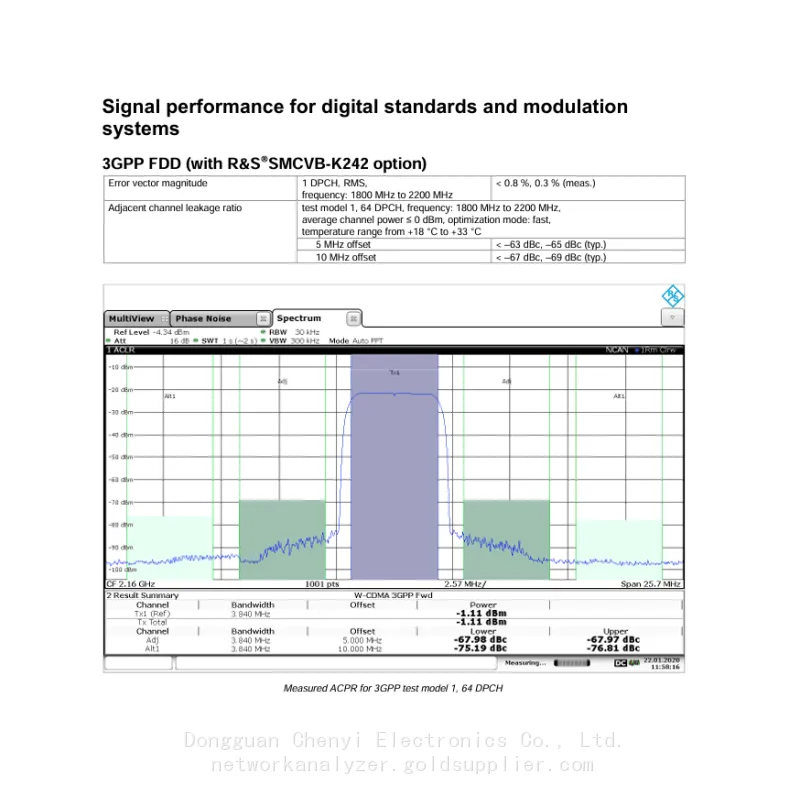
The R&S®SMCV100B provides powerful hardware for internal baseband signal generation. The R&S®SMCV100B either generates signals in real time in FPGAs or it uses the ARB generator to directly generate I/Q signals for digital communications standards. The R&S®WinIQSIM2 signal simulation software can also be used to generate I/Q signals.
Real-time signal generation in FPGAs is especially used for broadcast standards. This technological approach enables continuous and very long uninterrupted signal generation with different data content (audio, video, data, PRBS) for decoding. Such long sequences are required for testing the performance or EMC of tuners
Recently Posted
-
Vector Signal Generator Explained: Principles, Architecture, and Core Functions
August 31, 20261. When a Simple Signal Source Is Not EnoughAn R&D team developing a new Wi-Fi 6 access point spent a week validating their re Read More
 -
Software-Defined Instruments: How USB Spectrum Analyzers Are Changing the RF Testing Industry
August 17, 20261. The Benchtop Instrument That Would Not Fit in a Carry-OnAn RF field engineer arrived at a remote cell site in a mountainous reg Read More
 -
Spectrum Monitoring Solutions for Broadcast Radio and Television Transmission Stations
August 17, 20261. When a 50 kW FM Transmitter Goes SilentA regional FM broadcaster serving roughly 2 million listeners lost its main transmitter Read More
 -
Understanding Spectrum Analyzer Key Specifications: DANL, Phase Noise, TOI, and RBW
August 14, 20261. The Specification That Cost Two Weeks of DebuggingAn RF design team spent two weeks trying to measure the third harmonic of a 2 Read More

Contact Us
Recommended Products
-
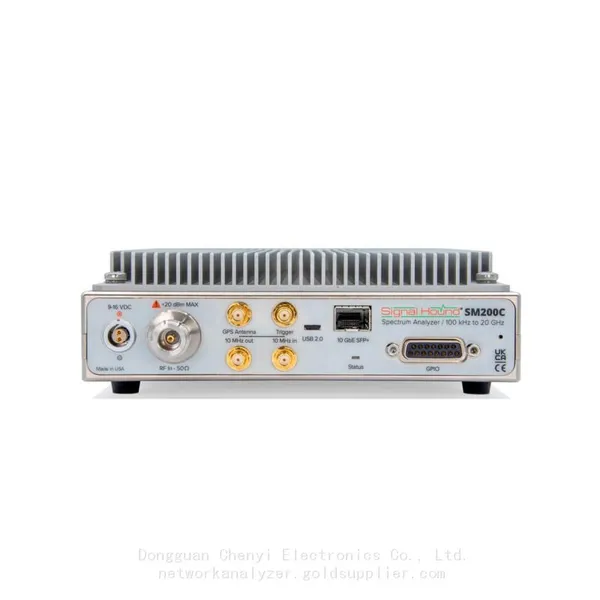
 Signal Hound SM200C 100 KHz to 20 GHz Real-time Spectrum Analyzer With 10GbE Monitoring ReceiversNegotiableMOQ: 1 Unit
 -
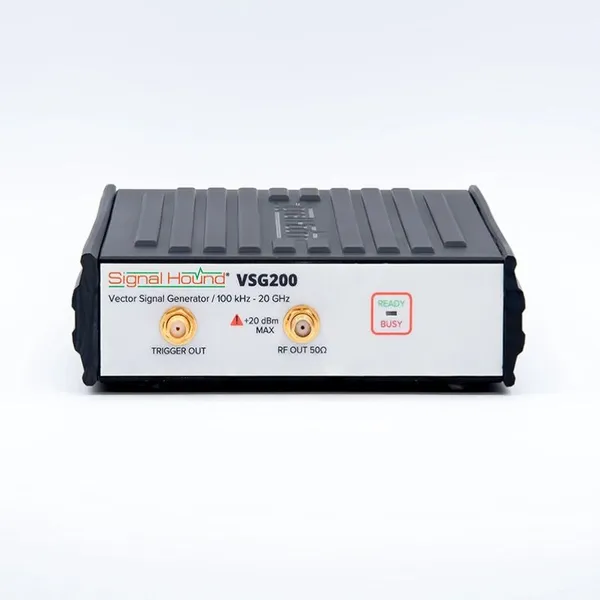
Signal Hound VSG200 Vector Signal Generator 100 KHz to 20 GHzNegotiableMOQ: 1 Unit
-
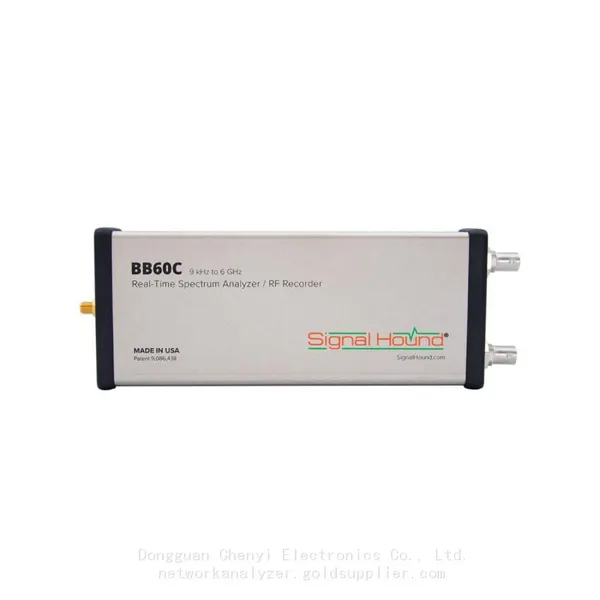
Signal Hound BB60C 9 KHz to 6 GHz Real-time Spectrum AnalyzerNegotiableMOQ: 1 Unit
-
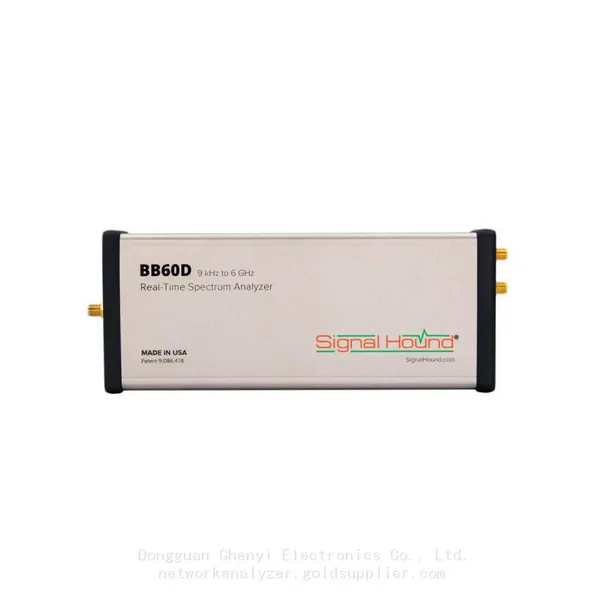
Signal Hound BB60D 9 KHz to 6 GHz Real-time Spectrum AnalyzerNegotiableMOQ: 1 Unit
-
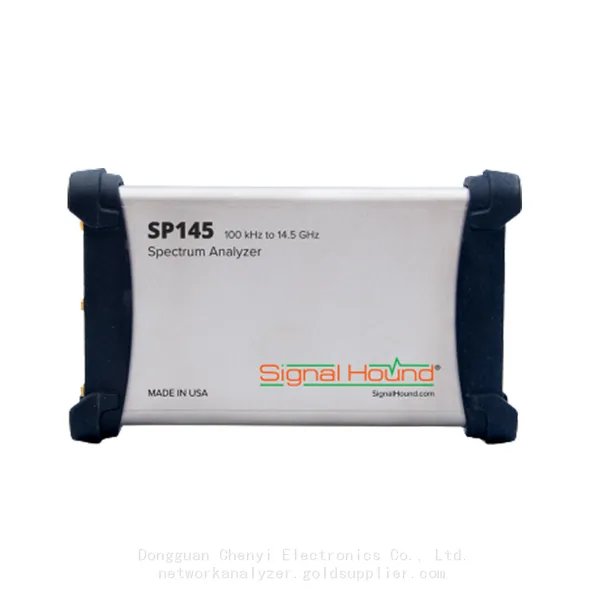
Signal Hound SP145 100 KHz to 14.5 GHz Real-time Spectrum Analyzer Monitoring ReceiversNegotiableMOQ: 1 Unit
-
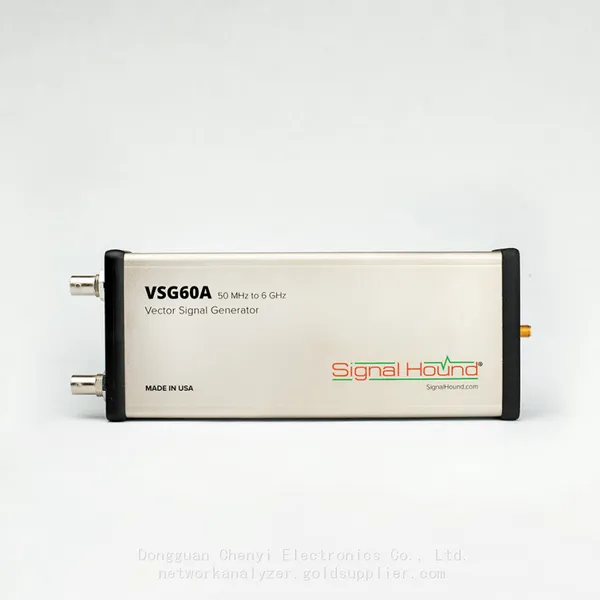
Signal Hound VSG60A 50 MHz to 6 GHz GHz Vector Signal GeneratorNegotiableMOQ: 1 Unit
-
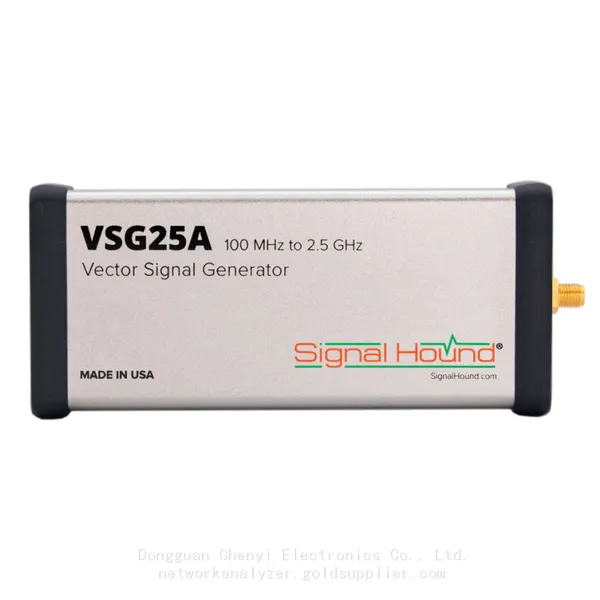
Signal Hound VSG25A 100 MHz to 2.5 GHz Vector Signal GeneratorNegotiableMOQ: 1 Unit
-
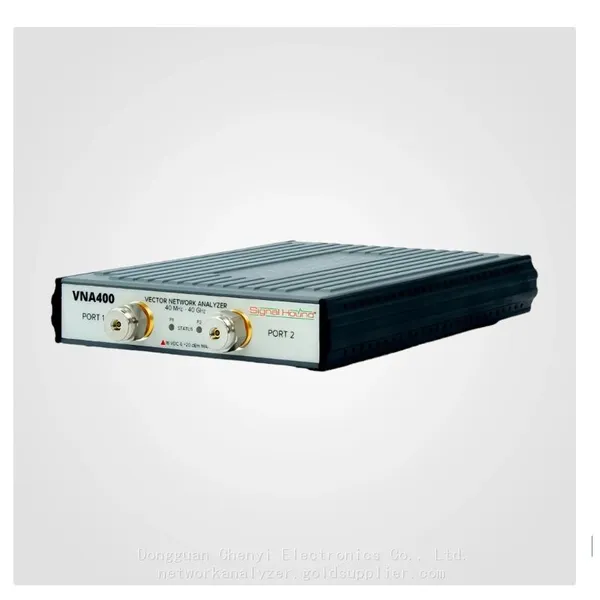
Signal Hound VNA400 40 MHz to 40 GHz 2-port Vector Network AnalyzerNegotiableMOQ: 1 Unit
-
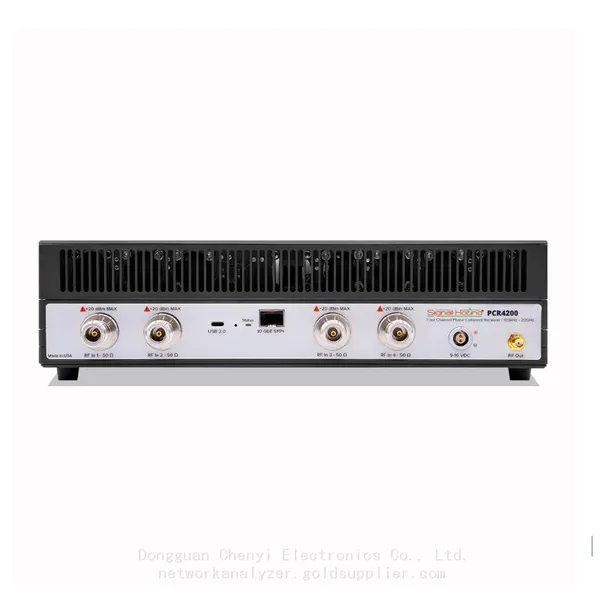
Signal Hound PCR4200 100 KHz to 20 GHz Four-Channel Phase Coherent ReceiverNegotiableMOQ: 1 Unit
-
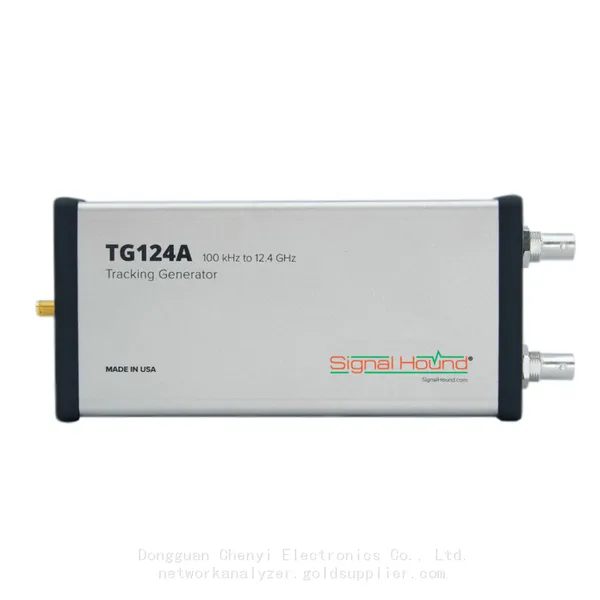
Signal Hound TG124A 100 KHz to 12.4 GHz Tracking GeneratorNegotiableMOQ: 1 Unit
-
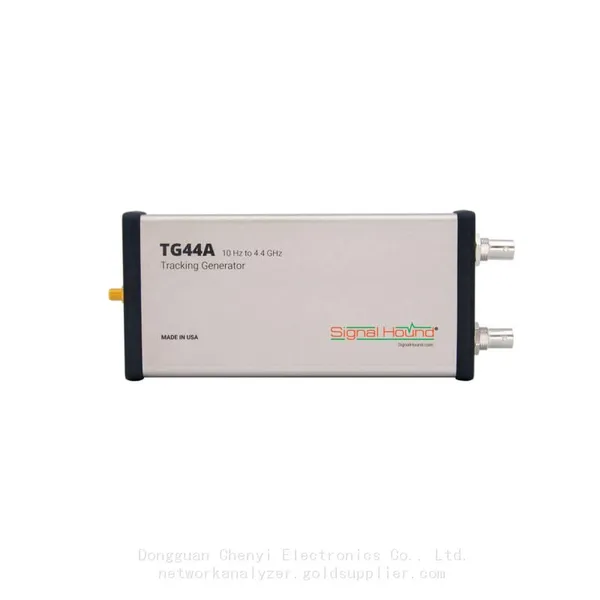
Signal Hound TG44A 10 Hz to 4.4 GHz t Tracking GeneratorNegotiableMOQ: 1 Unit
-
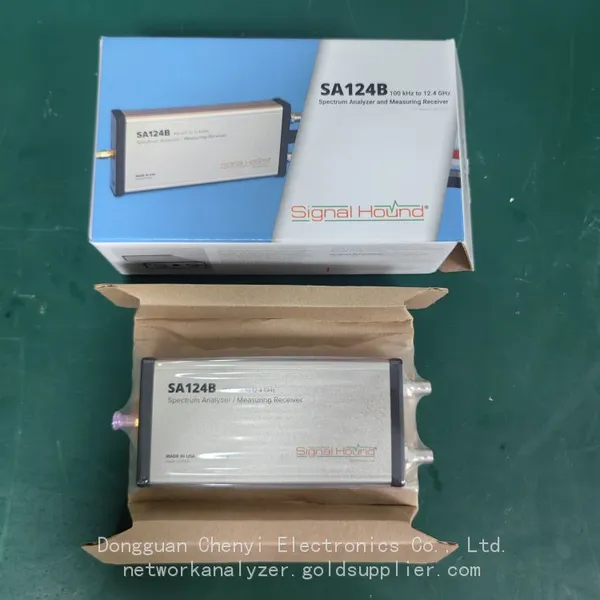
Signal Hound SA124B 100 KHz to 12.4 GHz Spectrum AnalyzerNegotiableMOQ: 1 Unit
-
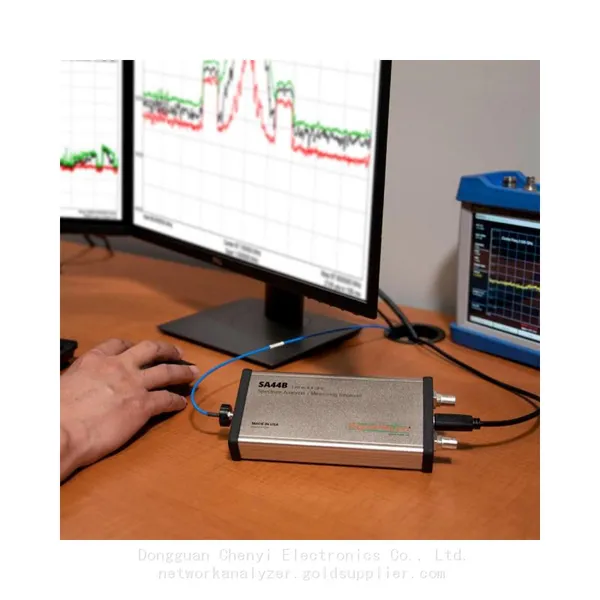
Signal Hound SA44B 1 Hz to 4.4 GHz Spectrum AnalyzerNegotiableMOQ: 1 Unit
-
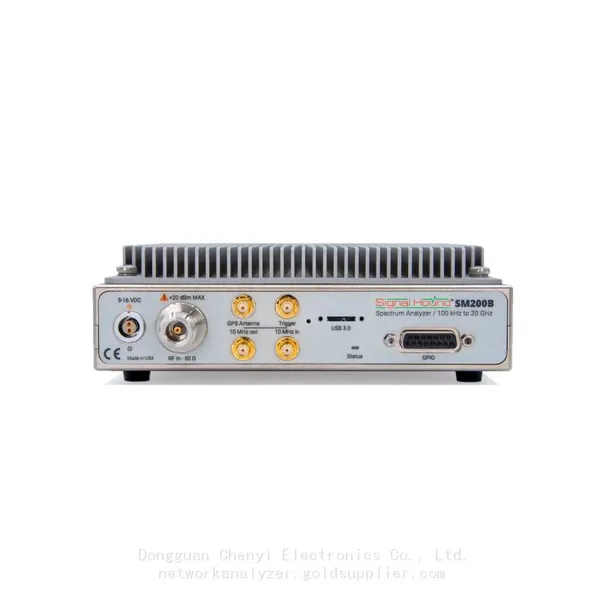
Signal Hound SM200B 100 KHz to 20 GHz Real-time Spectrum Analyzer Monitoring ReceiversNegotiableMOQ: 1 Unit
-
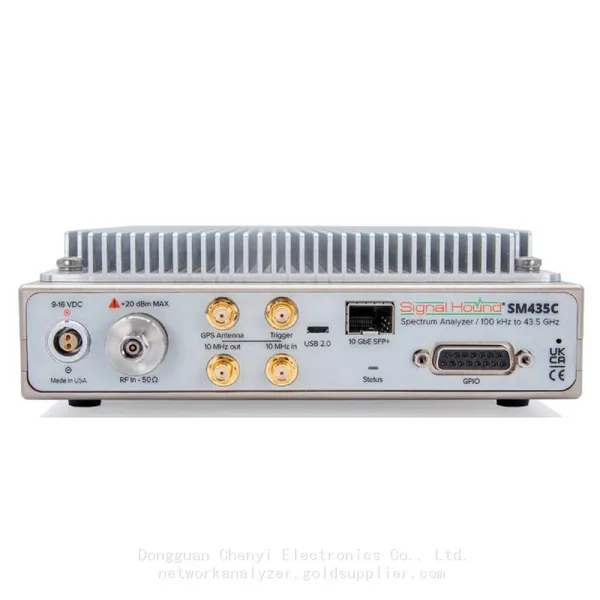
Signal Hound SM435C 100 KHz to 43.5GHz Real-time Spectrum Analyzer With 10GbE Monitoring ReceiversNegotiableMOQ: 1 Unit
-
Signal Hound SM435B 100 KHz to 43.5GHz Real-time Spectrum Analyzer Monitoring ReceiversNegotiableMOQ: 1 Unit
-
Signal Hound PN400 Phase Noise and VCO Test System 100 KHz to 43.5 GHzNegotiableMOQ: 1 Unit
-
Keysight E4980A Precision LCR Meter 20 Hz to 2 MHzNegotiableMOQ: 1 Unit
-
Keysight E4980B and E4980BL Precision LCR Meter 20 Hz to 2 MHzNegotiableMOQ: 1 Unit
-
Keysight U1733C Handheld LCR Meter 100Hz 120Hz 1kHz 10kHz 100kHzNegotiableMOQ: 1 Unit