
 Business License

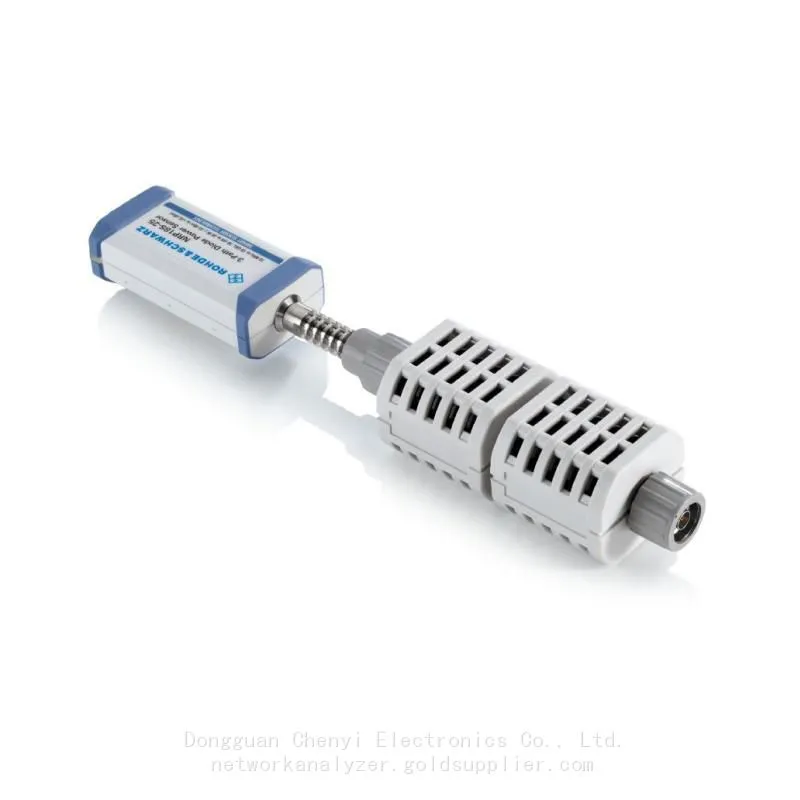
rohde schwarz NRP18S-25 three-path diode power sensors,10 MHz to 18 GHz ,-45 dBm - +45 dBm,
rohde schwarz NRP18S-25 three-path diode power sensors,10 MHz to 18 GHz ,-45 dBm - +45 dBm,
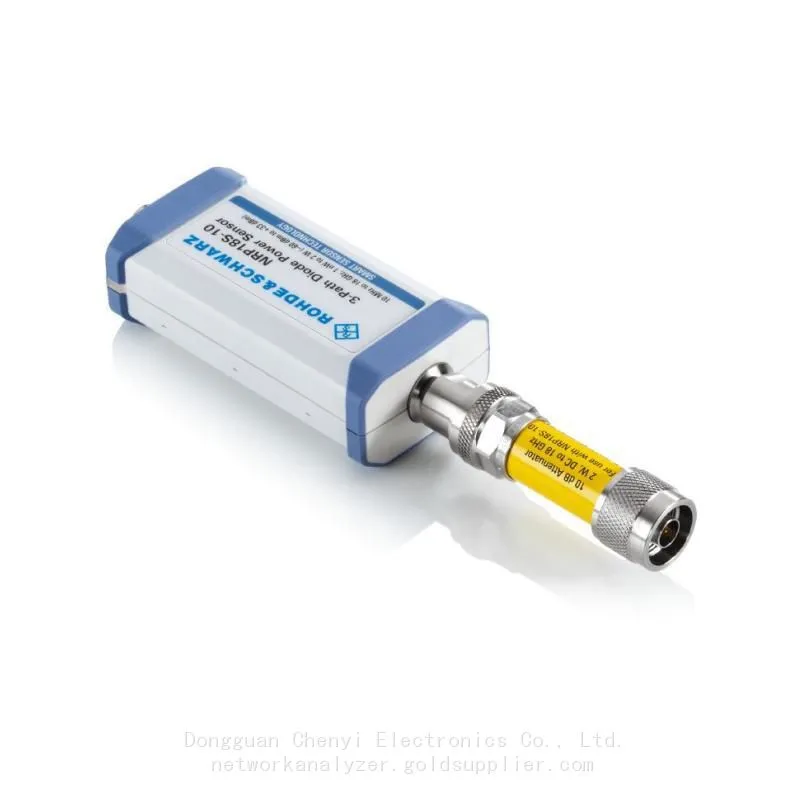
three-path diode power sensors NRP18S-10 :10 MHz to 18 GHz ,-60 dBm - +33 dBm,N (m)
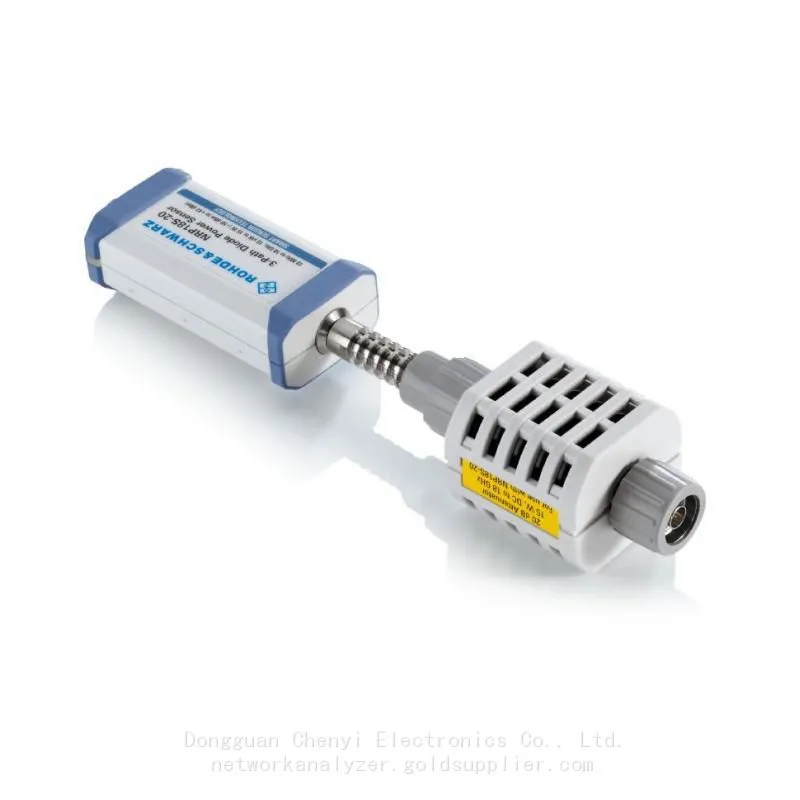
three-path diode power sensors NRP18S-20 :10 MHz to 18 GHz,-50 dBm - +42 dBm ,N (m)
three-path diode power sensors NRP18S-25 :10 MHz to 18 GHz ,-45 dBm - +45 dBm,N (m)
Key facts
▶Fast and accurate power measurements for CW and modulated signals
▶100,000 readings/s
▶Control and monitoring via LAN and USB
▶Sensors for high-power applications
▶Flexible operation with R&S®NRX base unit
Fast, accurate and packed with features to measure
CW and modulated signals
The R&S®NRPxxS/SN power sensors use three separate diode paths, each operated in the optimum detector range. As a result, the average power can be determined with high accuracy independent of the modulation type. Measurement results are hardly affected by interfering signals or harmonics. The R&S®NRPxxS/SN power sensors therefore behave in a way similar to thermal power sensors but offer significantly higher speed. They provide up to 93 dB dynamic range with an excellent lower measurement limit of –70 dBm.
Features & benefits
The universal power sensor
Ideal solution for many applications
Three-path diode power sensors are suitable for numerous applications, since they support continuousaverage, burst average, timeslot average, gate average and trace measurements. Featuring outstandingperformance and unprecedented measurement speed and accuracy, the sensors can be used toperform precise average power measurements on wireless signals such as GSM and 3GPP as well ason higher bandwidth signals such as LTE,LTE-Advanced or 5G.
93 dB dynamic range
Improved thre-path concept
The R&S@NRPxxS(N) power sensors use three separate diode paths, each operated in the optimumdetector range. The average power can be determined with high accuracy irrespective of themodulation type. Measurement results are hardly affected by interfering signals or harmonics. TheR&S@NRPxxS(N) power sensors therefore behave similar to thermal power sensors but offer significantlyhigher speed and up to 93 dB dynamic range.
Unprecedented measurement speed and accuracy
Even at low levels down to -70 dBm
To increase measurement accuracy at low levels, it is necessary to average multiple measured values.While averaging reduces the noise component, it also slows down the measurement. TheR&S@NRPxxS(N) power sensors have therefore been designed with an extremely low measurementnoisein mind.
The R&S@NRPxxS(N) power sensors can perform measurements down to a lower limit of -70 dBm withthe highest speed and accuracy currently available on the market.
New fast mode
Unlimited time measurement with up to 100.000 measurements/s
In fast continuous average mode, the R&SeNRPxxS(N) power sensors can perform up to 100,000triggered measurements/s with a minimum trigger repetition time of 100 us without losing anymeasurement. This measurement speed is achieved by using the buffered mode. In buffered mode, almeasured data is collected inside the sensor and transmitted in one block to the sensor's host. TheR&SeNRPxxS(N) sensors perform the new fast mode without time limitation!
Sensors for high-power applications
Perform power measurements up to 30 W
The R&SeNRP18S-10,R&SNRP18S-20 and R&SeNRP18S-25 high-power three-path diode powersensors consist of an R&SeNRP18S and a 10/20/25 dB upstream attenuator, They are able to performpower measurements up to 2 W, 15 W and 30 W. When used with the attenuator. mismatch errorsbetween the sensor and attenuator are automatically corrected. The S-parameters for the attenuator aredetermined and stored in the sensor during production.
TVAC-compliant three-path diode power sensor
Specially designed for use in thermal vacuum (TVAC) chambers
The R&S@NRPxxSN-VTVAC-compliant power sensor is designed for satellite communicationsapplications in a frequency range up to 67 GHz. All components are baked in a vacuum chamber duringthe production process, so outgassing is reduced to a minimum. Thanks to their LAN capability, thepower sensors can be easily controlled and monitored from outside the chamber while the ventingholes in the housing ensure pressure equalization.
Recently Posted
-
The Ultimate Guide to Buying RF Test Equipment: From Needs Analysis to Supplier Evaluation
September 2, 20261. The Budget That Looked Smart Until the First TestA startup building LoRa-based environmental sensors approved a $18,000 equipme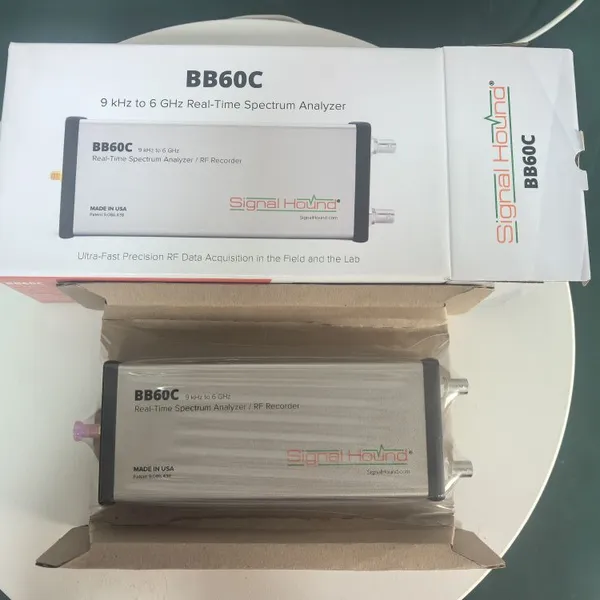 Read More
 -
Vector Signal Generator vs Analog Signal Generator: Application Scenarios and Selection Decisions
September 1, 20261. The Two-Generator Test Bench That Solved a Production PuzzleA contract electronics manufacturer producing wireless sensors kept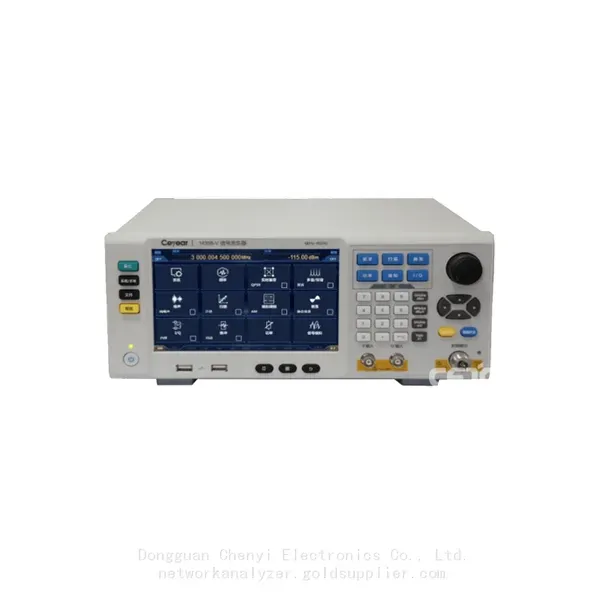 Read More
 -
Vector Signal Generator Explained: Principles, Architecture, and Core Functions
August 31, 20261. When a Simple Signal Source Is Not EnoughAn R&D team developing a new Wi-Fi 6 access point spent a week validating their re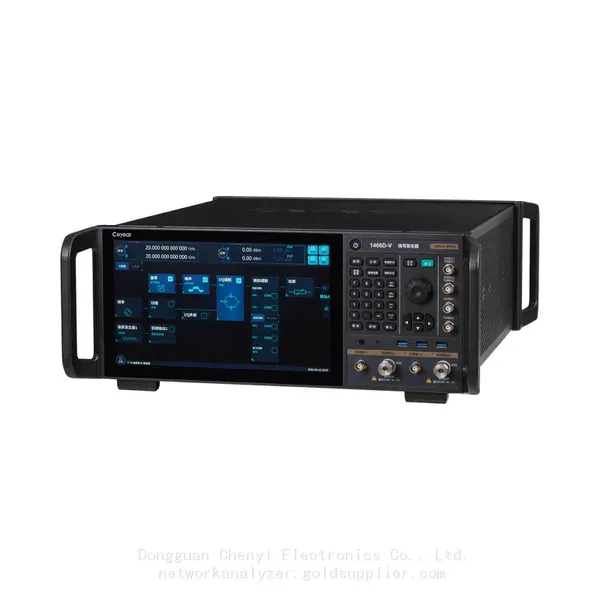 Read More
 -
Software-Defined Instruments: How USB Spectrum Analyzers Are Changing the RF Testing Industry
August 17, 20261. The Benchtop Instrument That Would Not Fit in a Carry-OnAn RF field engineer arrived at a remote cell site in a mountainous reg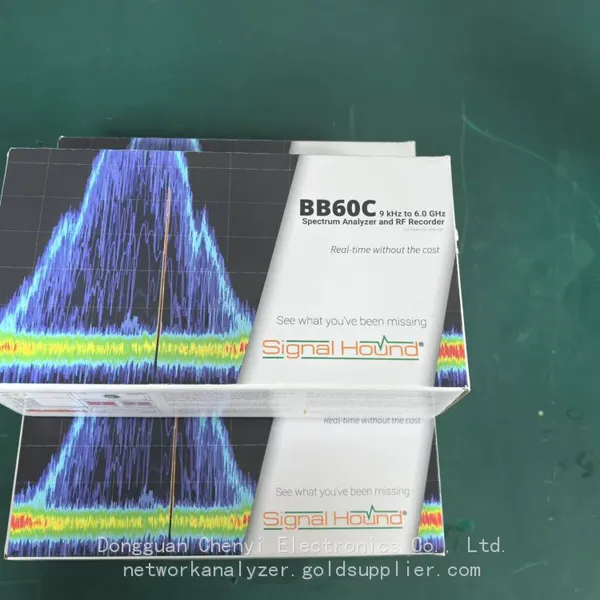 Read More

Contact Us
Recommended Products
-
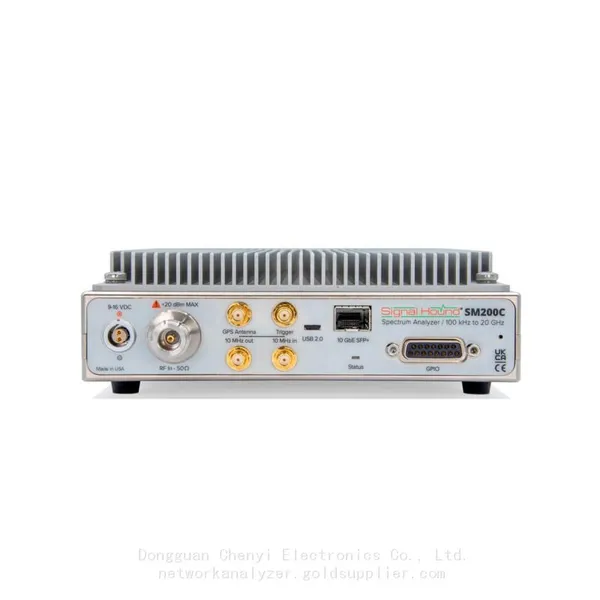
 Signal Hound SM200C 100 KHz to 20 GHz Real-time Spectrum Analyzer With 10GbE Monitoring ReceiversNegotiableMOQ: 1 Unit
 -
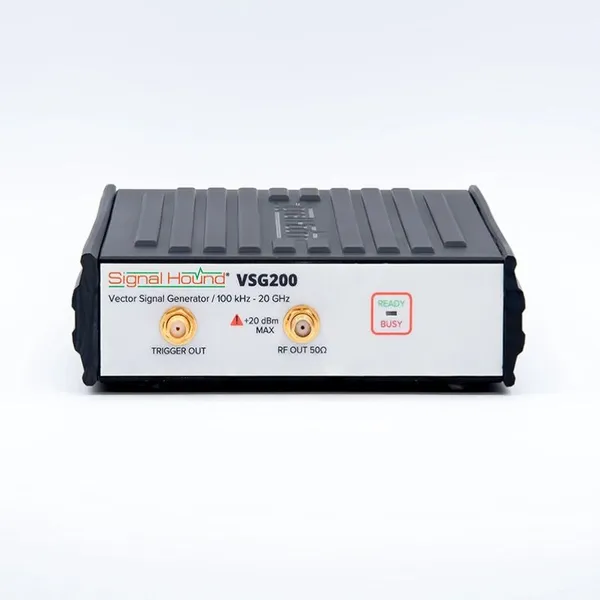
Signal Hound VSG200 Vector Signal Generator 100 KHz to 20 GHzNegotiableMOQ: 1 Unit
-
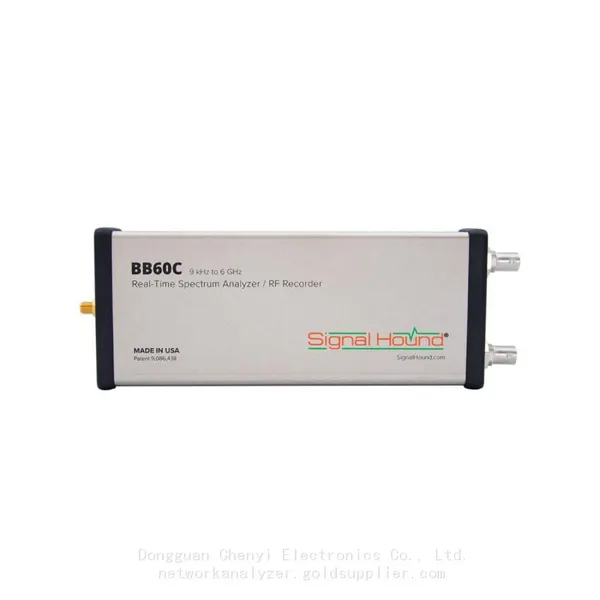
Signal Hound BB60C 9 KHz to 6 GHz Real-time Spectrum AnalyzerNegotiableMOQ: 1 Unit
-
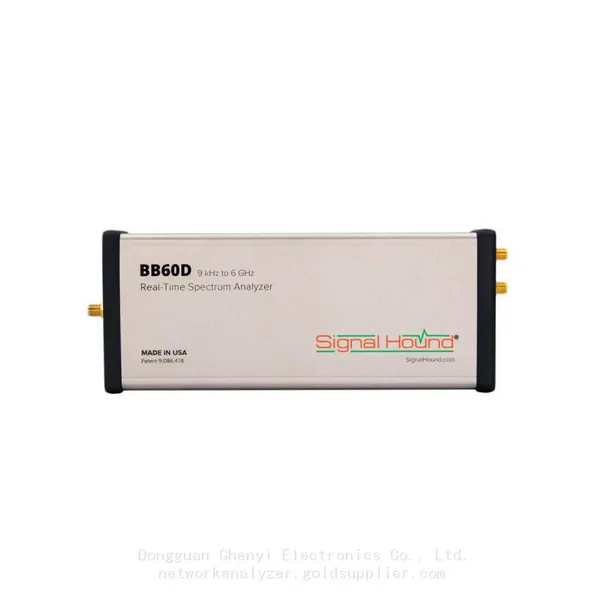
Signal Hound BB60D 9 KHz to 6 GHz Real-time Spectrum AnalyzerNegotiableMOQ: 1 Unit
-
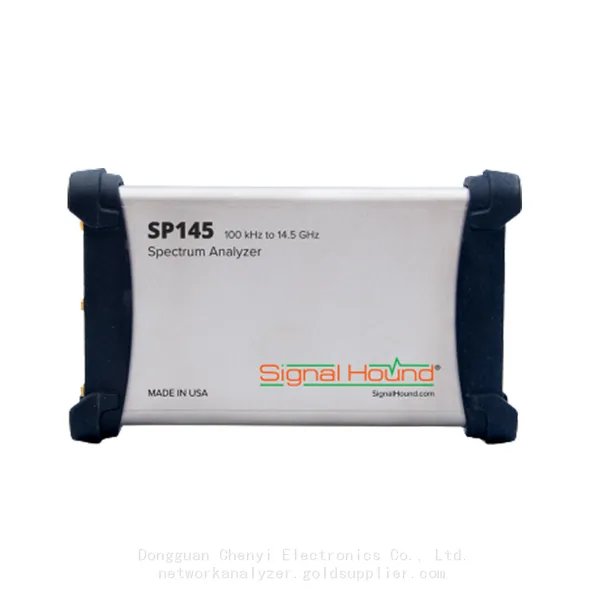
Signal Hound SP145 100 KHz to 14.5 GHz Real-time Spectrum Analyzer Monitoring ReceiversNegotiableMOQ: 1 Unit
-
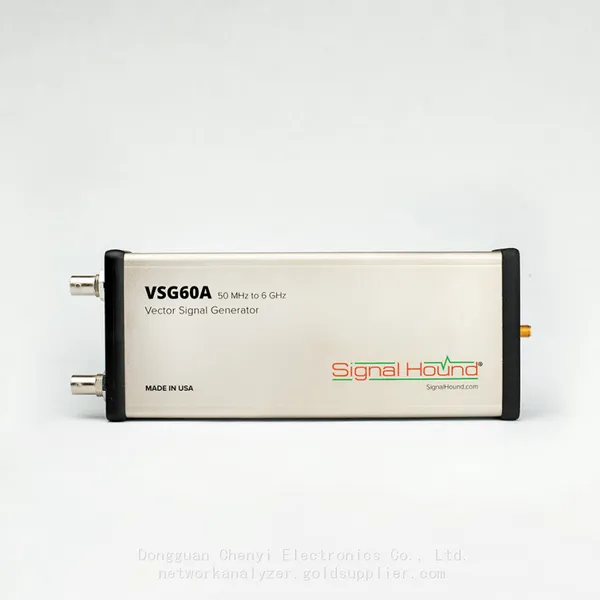
Signal Hound VSG60A 50 MHz to 6 GHz GHz Vector Signal GeneratorNegotiableMOQ: 1 Unit
-
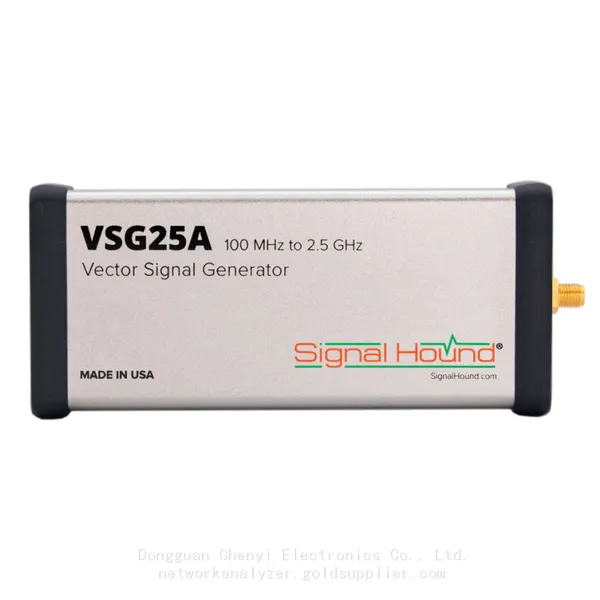
Signal Hound VSG25A 100 MHz to 2.5 GHz Vector Signal GeneratorNegotiableMOQ: 1 Unit
-
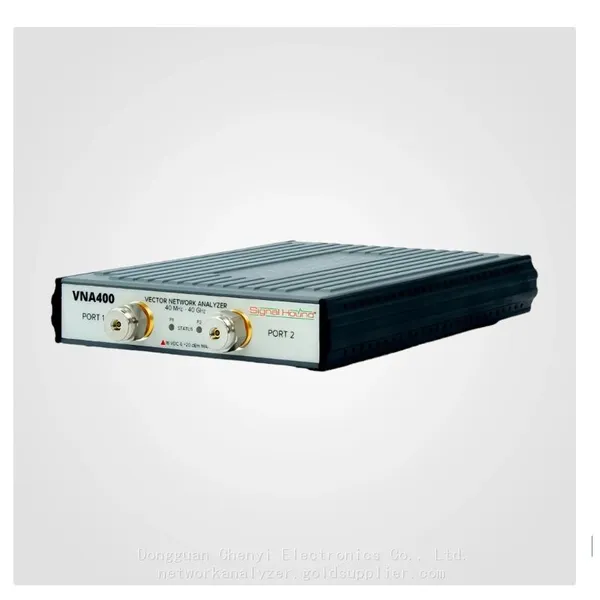
Signal Hound VNA400 40 MHz to 40 GHz 2-port Vector Network AnalyzerNegotiableMOQ: 1 Unit
-
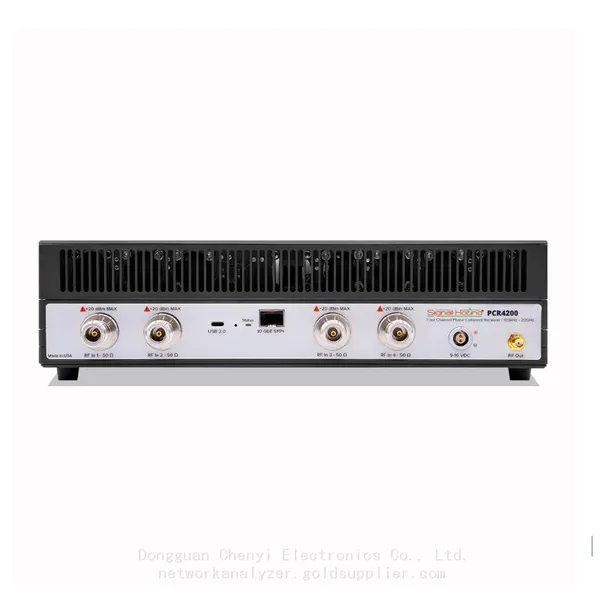
Signal Hound PCR4200 100 KHz to 20 GHz Four-Channel Phase Coherent ReceiverNegotiableMOQ: 1 Unit
-
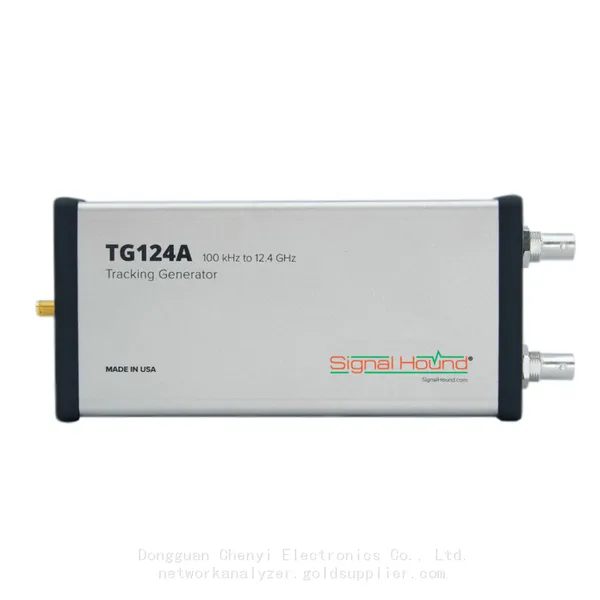
Signal Hound TG124A 100 KHz to 12.4 GHz Tracking GeneratorNegotiableMOQ: 1 Unit
-
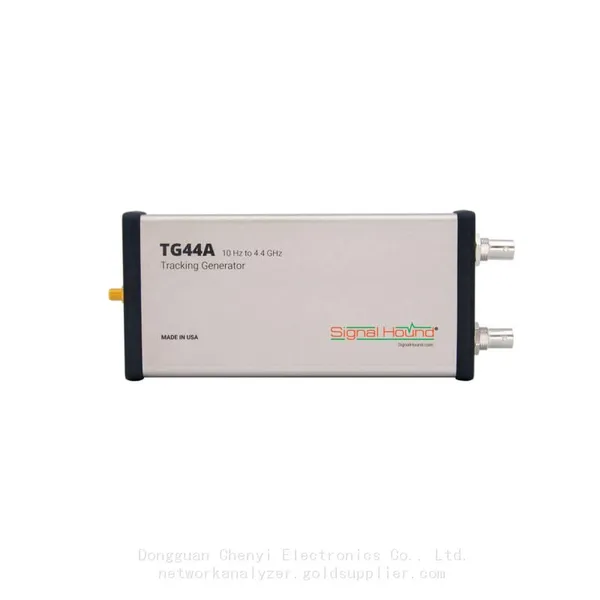
Signal Hound TG44A 10 Hz to 4.4 GHz t Tracking GeneratorNegotiableMOQ: 1 Unit
-
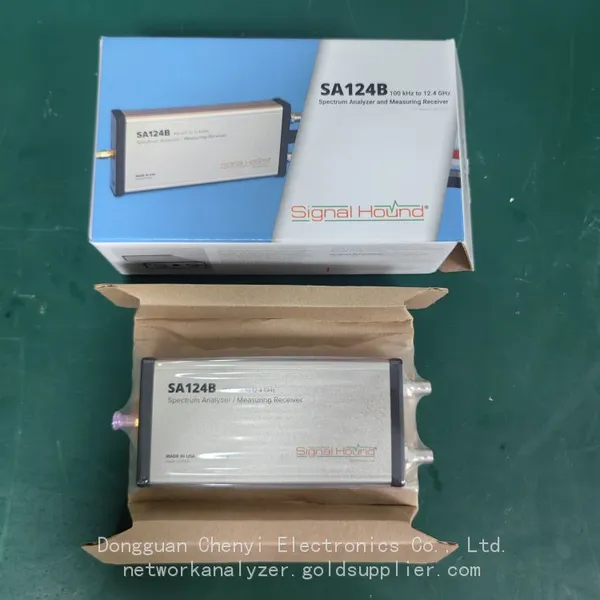
Signal Hound SA124B 100 KHz to 12.4 GHz Spectrum AnalyzerNegotiableMOQ: 1 Unit
-
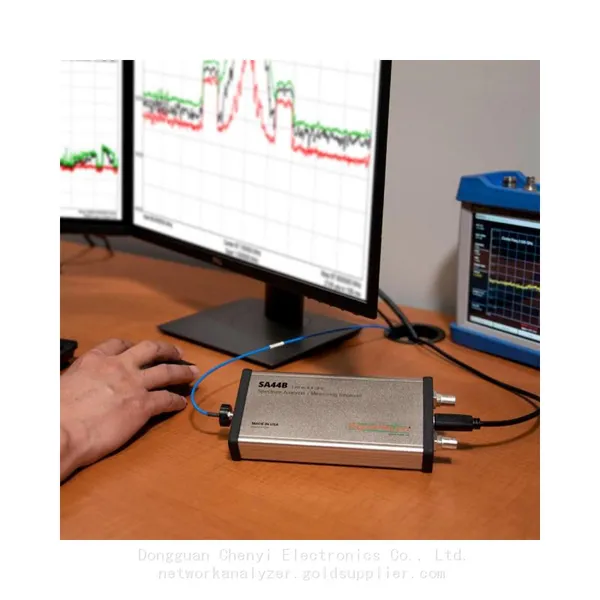
Signal Hound SA44B 1 Hz to 4.4 GHz Spectrum AnalyzerNegotiableMOQ: 1 Unit
-
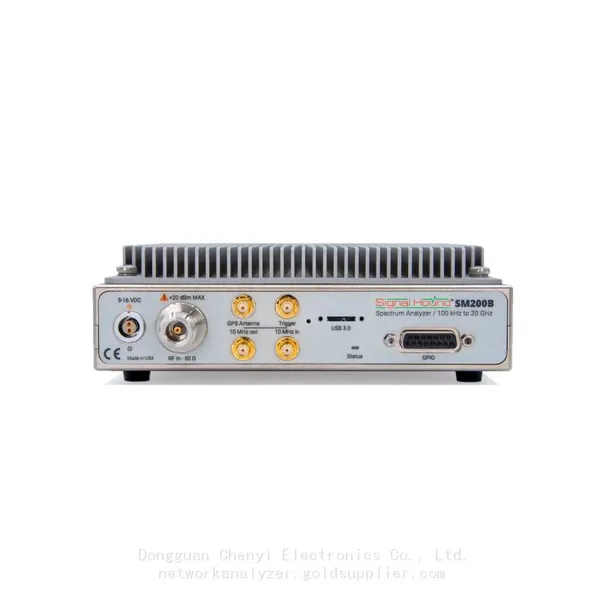
Signal Hound SM200B 100 KHz to 20 GHz Real-time Spectrum Analyzer Monitoring ReceiversNegotiableMOQ: 1 Unit
-
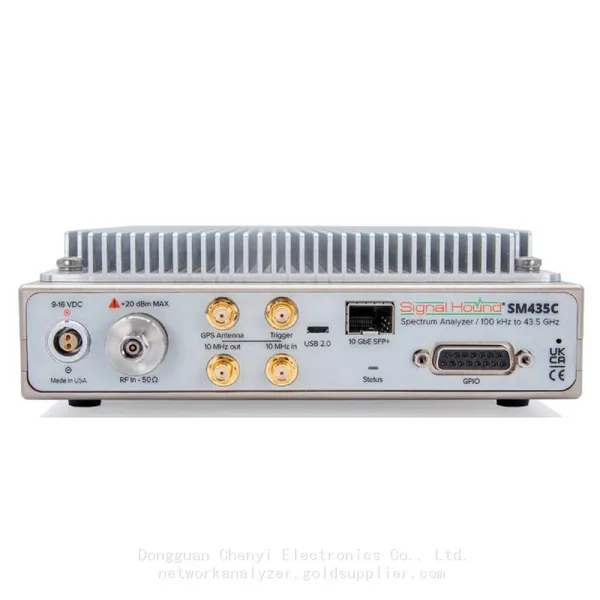
Signal Hound SM435C 100 KHz to 43.5GHz Real-time Spectrum Analyzer With 10GbE Monitoring ReceiversNegotiableMOQ: 1 Unit
-
Signal Hound SM435B 100 KHz to 43.5GHz Real-time Spectrum Analyzer Monitoring ReceiversNegotiableMOQ: 1 Unit
-
Signal Hound PN400 Phase Noise and VCO Test System 100 KHz to 43.5 GHzNegotiableMOQ: 1 Unit
-
Keysight E4980A Precision LCR Meter 20 Hz to 2 MHzNegotiableMOQ: 1 Unit
-
Keysight E4980B and E4980BL Precision LCR Meter 20 Hz to 2 MHzNegotiableMOQ: 1 Unit
-
Keysight U1733C Handheld LCR Meter 100Hz 120Hz 1kHz 10kHz 100kHzNegotiableMOQ: 1 Unit