
 Business License

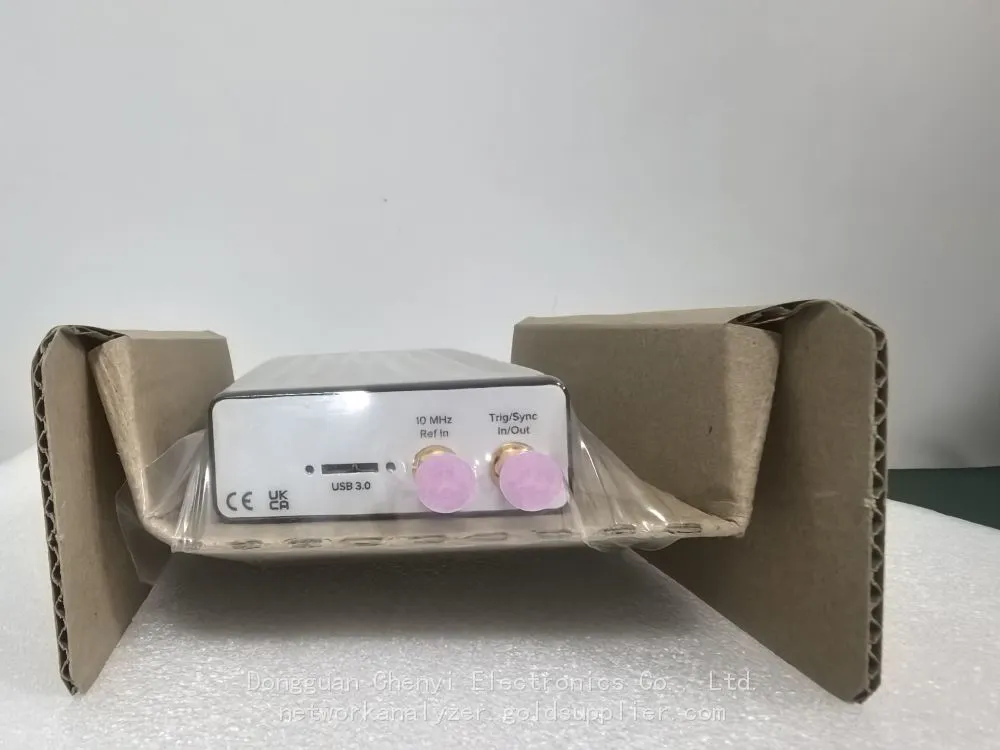
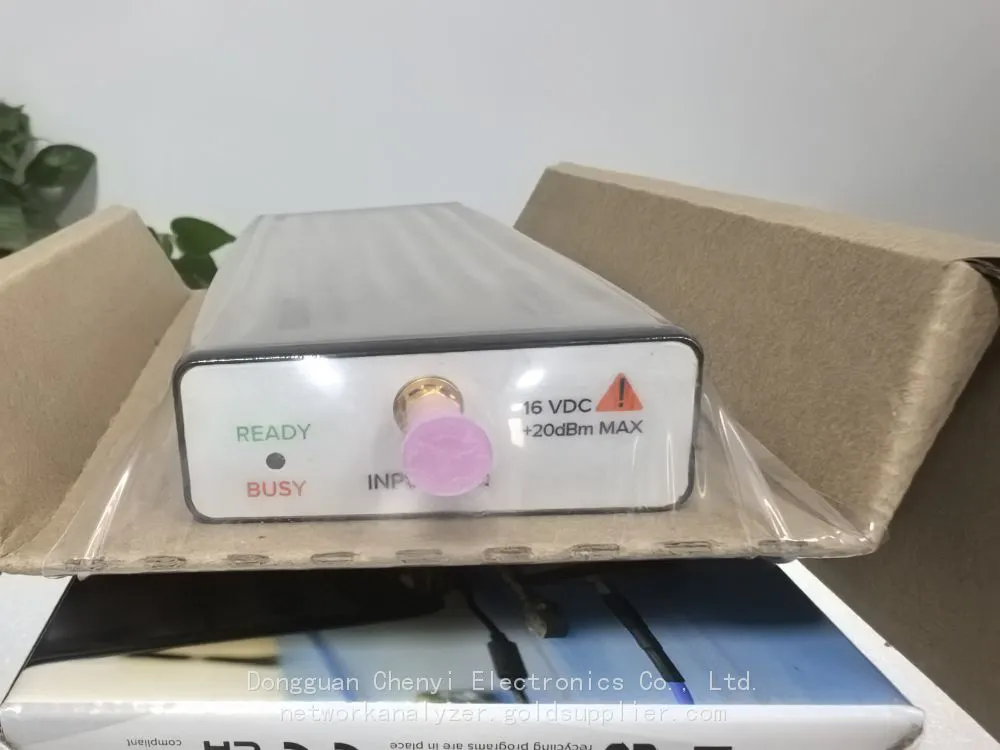
Signal Hound BB60D: High Sensitivity Spectrum Analyzer for Weak Signal Detection
Signal Hound BB60D: High Sensitivity Spectrum Analyzer for Weak Signal Detection
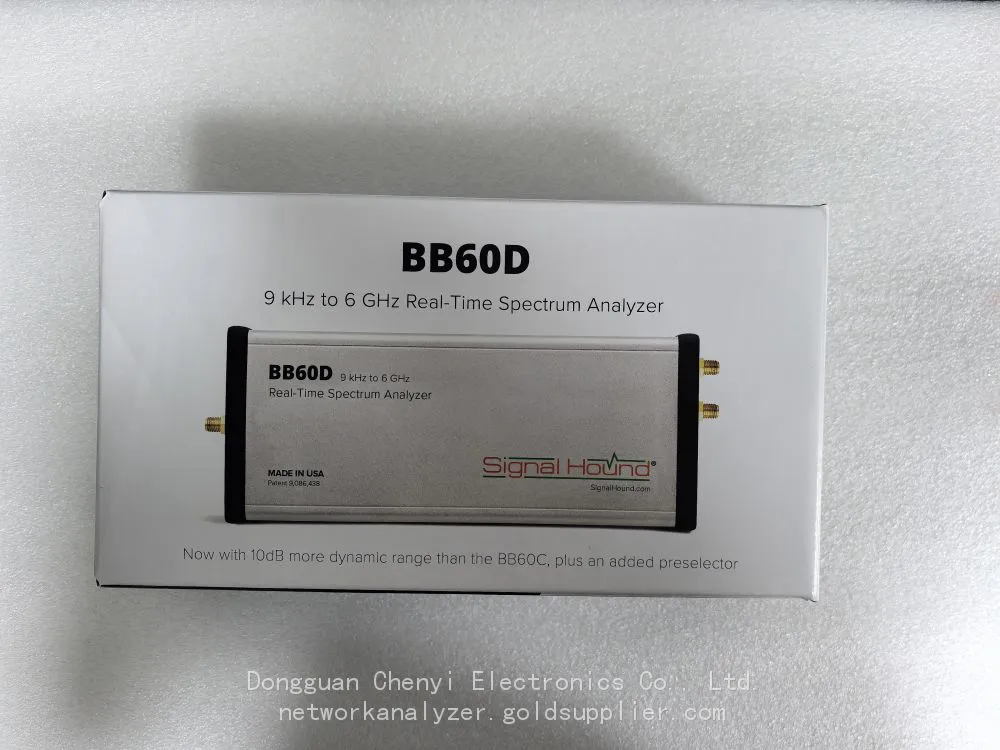
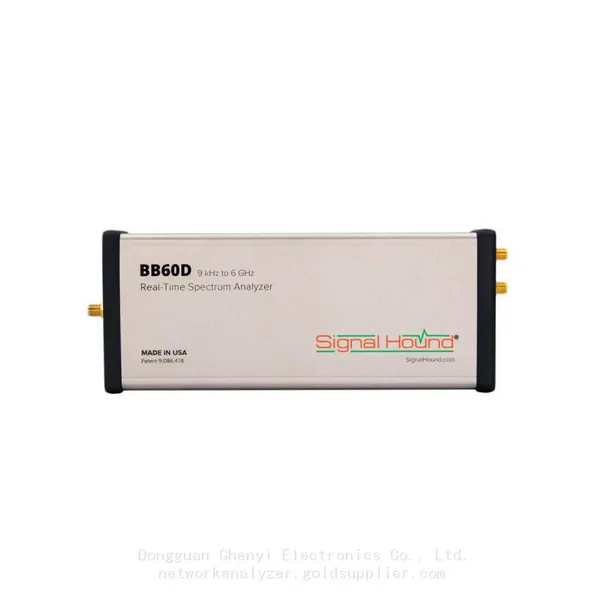
Weak RF signal detection is widely used in satellite signal monitoring, remote wireless communication, low-power IoT device testing, electromagnetic environment monitoring, and military signal reconnaissance. Conventional spectrum analyzers have high noise floors and insufficient sensitivity, which are unable to capture low-amplitude weak signals submerged in background noise. The Signal Hound BB60D real-time spectrum analyzer relies on industry-leading ultra-high sensitivity and upgraded dynamic range to become a professional tool for weak RF signal detection in various complex environments.
The core advantage of the BB60D in weak signal detection is its ultra-low displayed average noise level (DANL). The device achieves -140dBm/Hz (9kHz-500kHz), -154dBm/Hz (500kHz-30MHz) ultra-low noise floor performance, which is far superior to most portable spectrum analyzers on the market. The extremely low noise floor minimizes background noise interference, enabling the device to identify and capture weak signals with extremely low amplitude that cannot be detected by ordinary equipment, realizing high-precision identification of submerged weak target signals.
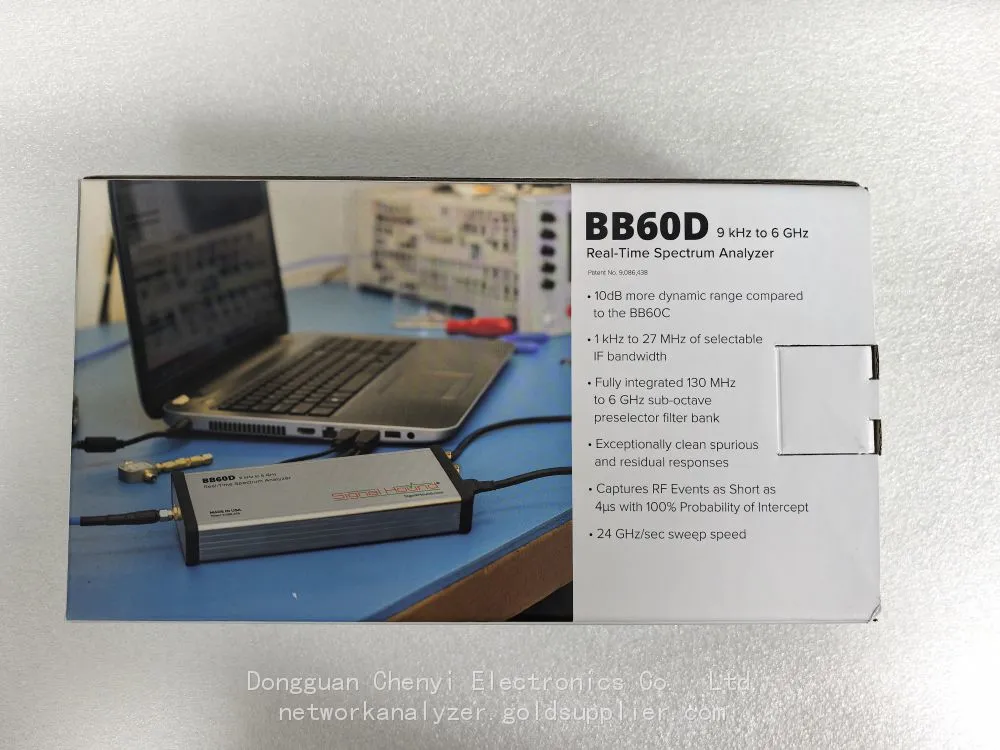
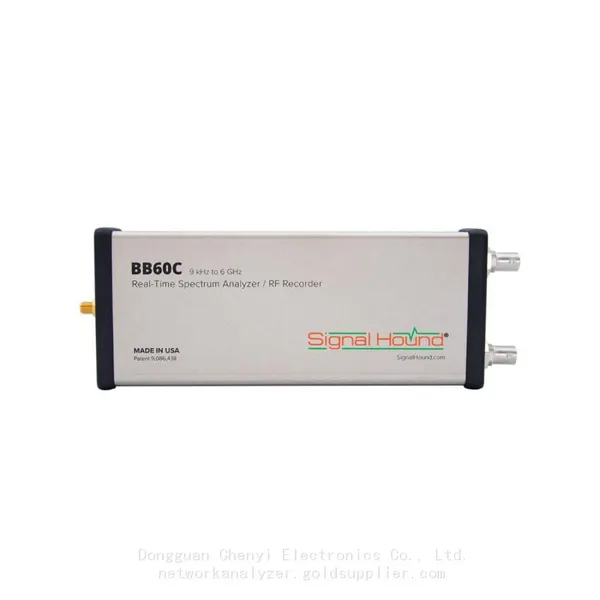
The 10dB upgraded dynamic range compared with BB60C further enhances the weak signal resolution capability. In complex environments with coexisting strong interference and weak target signals, high dynamic range can avoid weak signal masking caused by strong signal saturation. The BB60D can simultaneously measure high-power interfering signals and low-power weak target signals, accurately extract weak signal characteristic parameters such as frequency, amplitude, and bandwidth from dense signal superposition environments, ensuring the integrity and accuracy of weak signal detection data.
Equipped with a high-precision preselector filter bank covering 130MHz-6GHz, the BB60D effectively filters out out-of-band clutter interference and harmonic noise, purifies the signal receiving environment, and further improves the signal-to-noise ratio of weak signal detection. The adjustable narrow resolution bandwidth (minimum 10Hz) realizes ultra-fine frequency scanning, which can accurately lock the frequency point of ultra-narrowband weak signals and avoid signal leakage and detection deviation caused by excessive bandwidth.
The ultra-fast real-time scanning and high-speed sampling capability ensure no missing detection of intermittent weak signals. Many weak wireless signals have the characteristics of short duration and intermittent transmission. The BB60D’s 24GHz/s scanning speed and 80MS/s sampling rate can capture transient weak signal pulses in real time, and the waterfall display function records the time-domain change track of weak signals, realizing effective detection and tracking of non-continuous weak signals.
In satellite weak signal reception, remote base station signal monitoring, low-power sensor signal testing, and hidden electromagnetic signal detection scenarios, the BB60D shows irreplaceable performance advantages. Its USB portable design supports mobile weak signal detection in outdoor field environments, and the high-speed I/Q recording function can record weak signal original data for in-depth analysis and feature research. For professional technicians engaged in weak signal detection and analysis, the Signal Hound BB60D is a high-precision and reliable professional-grade testing tool.
Recently Posted
-
Software-Defined Instruments: How USB Spectrum Analyzers Are Changing the RF Testing Industry
August 17, 20261. The Benchtop Instrument That Would Not Fit in a Carry-OnAn RF field engineer arrived at a remote cell site in a mountainous reg Read More
 -
Spectrum Monitoring Solutions for Broadcast Radio and Television Transmission Stations
August 17, 20261. When a 50 kW FM Transmitter Goes SilentA regional FM broadcaster serving roughly 2 million listeners lost its main transmitter Read More
 -
Understanding Spectrum Analyzer Key Specifications: DANL, Phase Noise, TOI, and RBW
August 14, 20261. The Specification That Cost Two Weeks of DebuggingAn RF design team spent two weeks trying to measure the third harmonic of a 2 Read More
 -
Real-Time Spectrum Analyzer vs Traditional Swept Spectrum Analyzer: Which One Fits Modern RF Testing
August 13, 20261. The Purchase Decision That Engineers Keep Getting WrongA test equipment manager at a contract manufacturer ordered three tradit Read More

Contact Us
Recommended Products
-
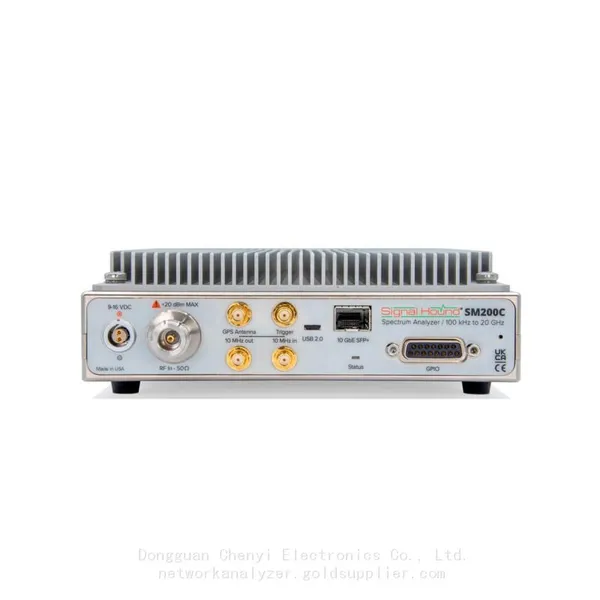
 Signal Hound SM200C 100 KHz to 20 GHz Real-time Spectrum Analyzer With 10GbE Monitoring ReceiversNegotiableMOQ: 1 Unit
 -
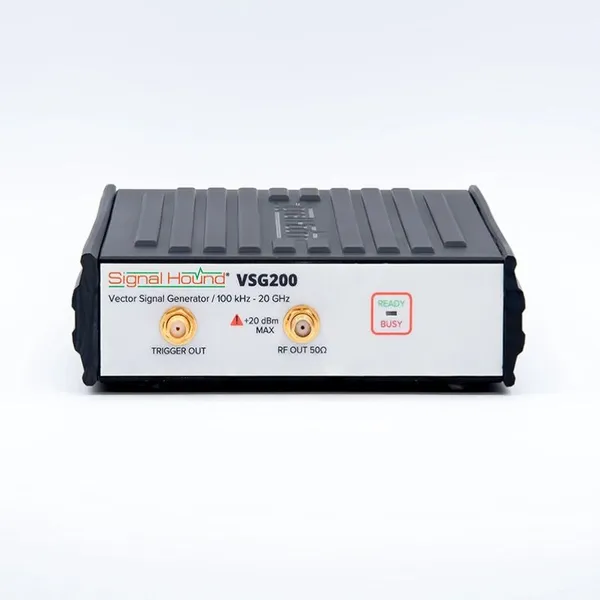
Signal Hound VSG200 Vector Signal Generator 100 KHz to 20 GHzNegotiableMOQ: 1 Unit
-
Signal Hound BB60C 9 KHz to 6 GHz Real-time Spectrum AnalyzerNegotiableMOQ: 1 Unit
-
Signal Hound BB60D 9 KHz to 6 GHz Real-time Spectrum AnalyzerNegotiableMOQ: 1 Unit
-
Signal Hound SP145 100 KHz to 14.5 GHz Real-time Spectrum Analyzer Monitoring ReceiversNegotiableMOQ: 1 Unit
-
Signal Hound VSG60A 50 MHz to 6 GHz GHz Vector Signal GeneratorNegotiableMOQ: 1 Unit
-
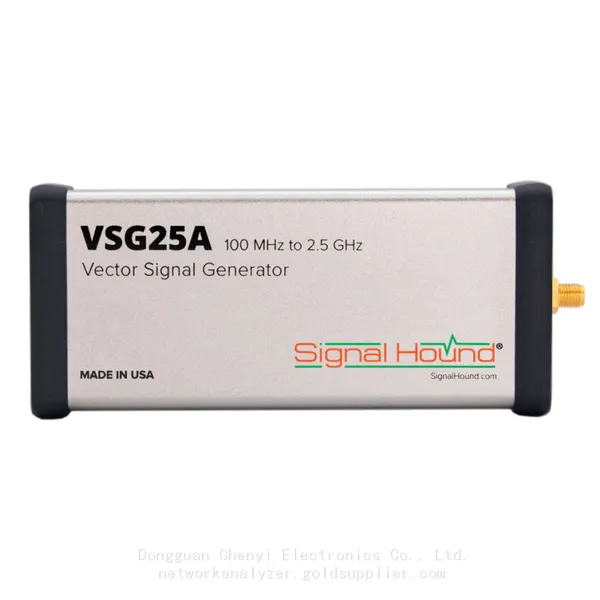
Signal Hound VSG25A 100 MHz to 2.5 GHz Vector Signal GeneratorNegotiableMOQ: 1 Unit
-
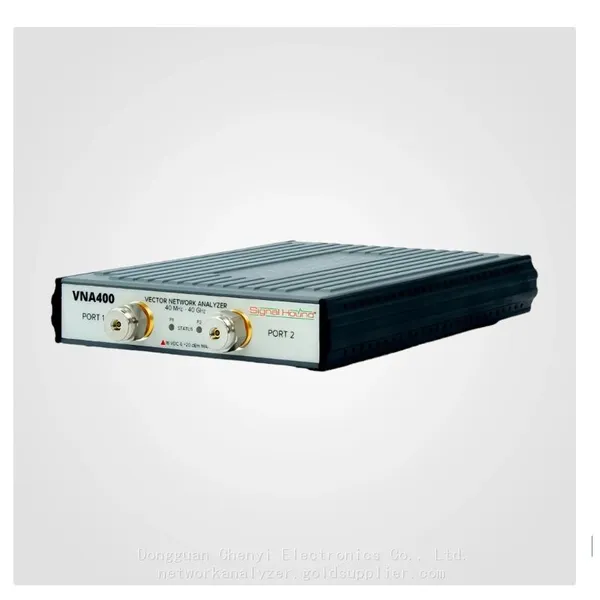
Signal Hound VNA400 40 MHz to 40 GHz 2-port Vector Network AnalyzerNegotiableMOQ: 1 Unit
-
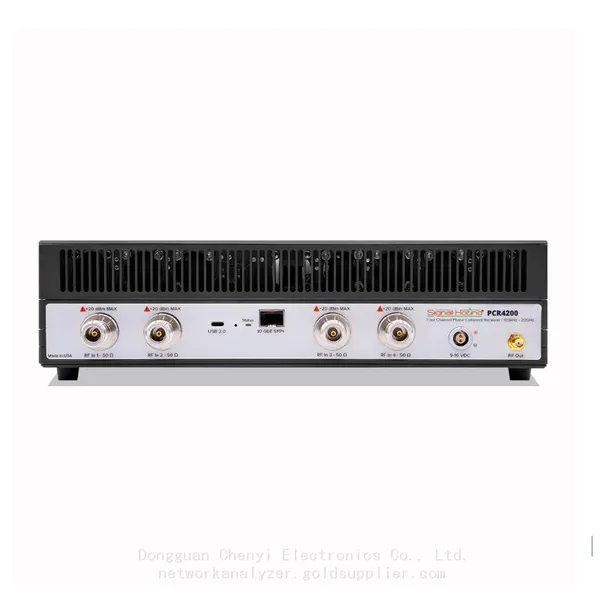
Signal Hound PCR4200 100 KHz to 20 GHz Four-Channel Phase Coherent ReceiverNegotiableMOQ: 1 Unit
-
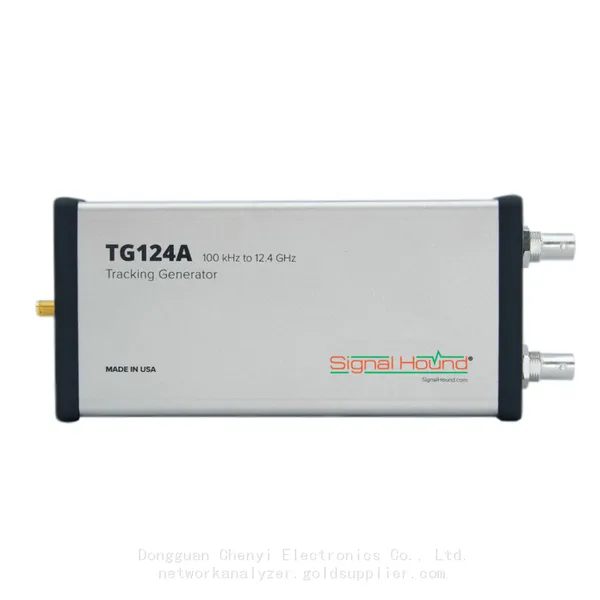
Signal Hound TG124A 100 KHz to 12.4 GHz Tracking GeneratorNegotiableMOQ: 1 Unit
-
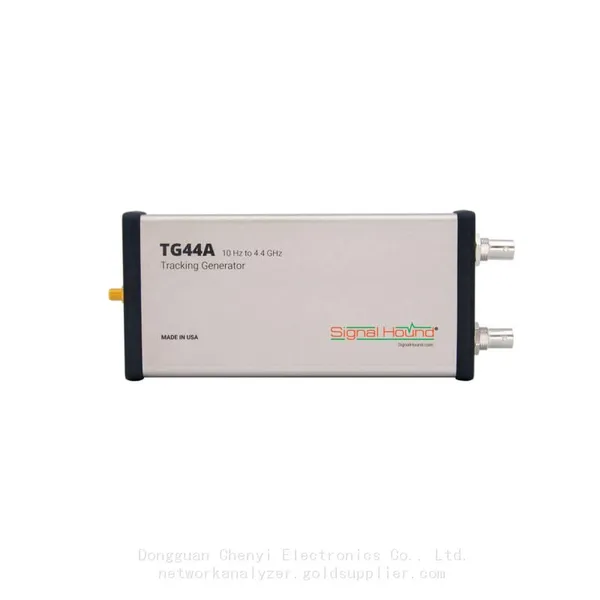
Signal Hound TG44A 10 Hz to 4.4 GHz t Tracking GeneratorNegotiableMOQ: 1 Unit
-
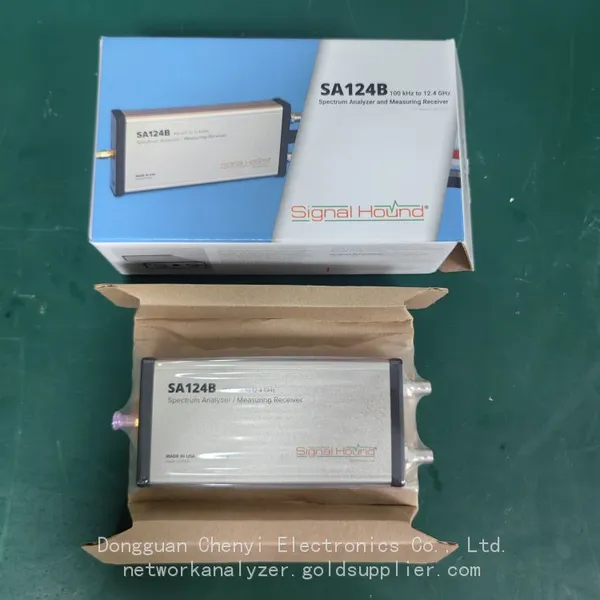
Signal Hound SA124B 100 KHz to 12.4 GHz Spectrum AnalyzerNegotiableMOQ: 1 Unit
-
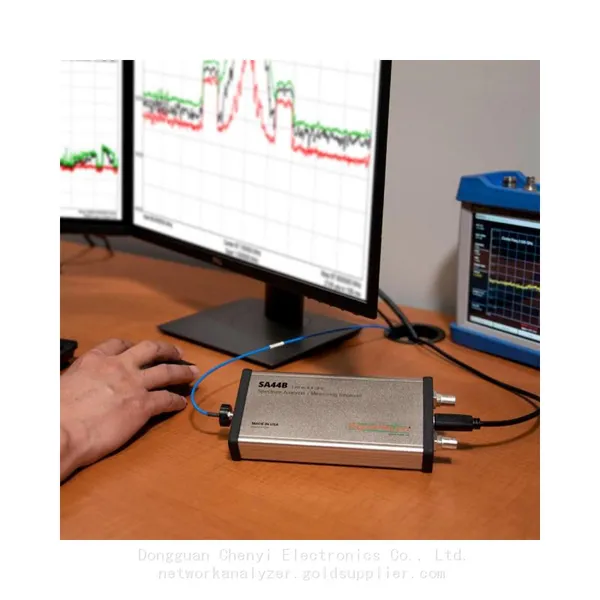
Signal Hound SA44B 1 Hz to 4.4 GHz Spectrum AnalyzerNegotiableMOQ: 1 Unit
-
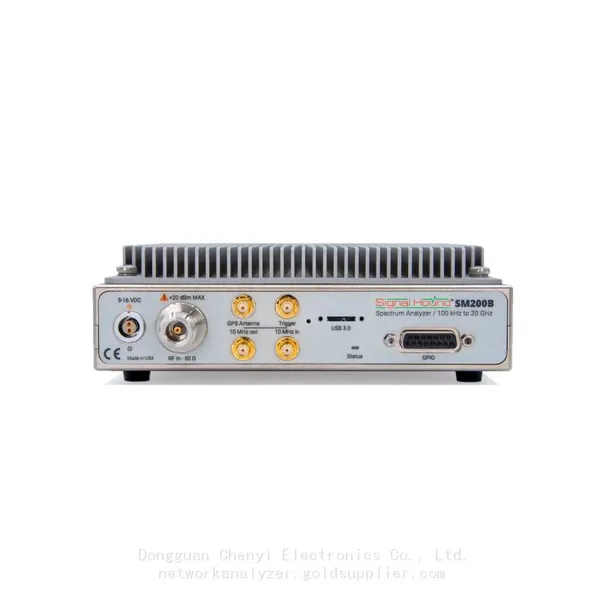
Signal Hound SM200B 100 KHz to 20 GHz Real-time Spectrum Analyzer Monitoring ReceiversNegotiableMOQ: 1 Unit
-
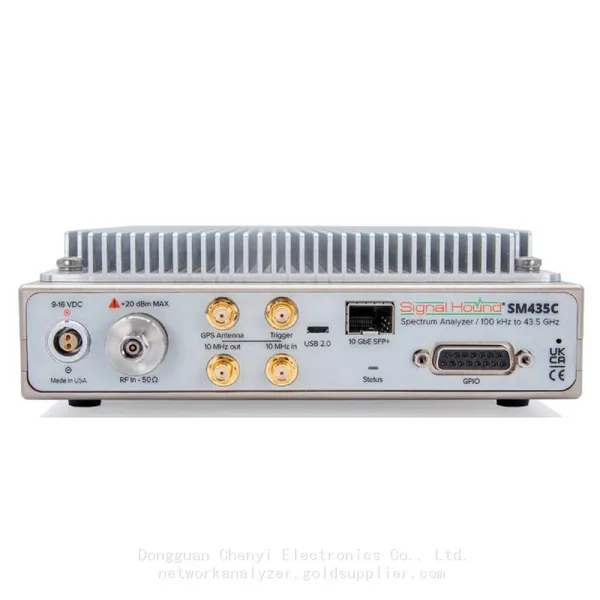
Signal Hound SM435C 100 KHz to 43.5GHz Real-time Spectrum Analyzer With 10GbE Monitoring ReceiversNegotiableMOQ: 1 Unit
-
Signal Hound SM435B 100 KHz to 43.5GHz Real-time Spectrum Analyzer Monitoring ReceiversNegotiableMOQ: 1 Unit
-
Signal Hound PN400 Phase Noise and VCO Test System 100 KHz to 43.5 GHzNegotiableMOQ: 1 Unit
-
Keysight E4980A Precision LCR Meter 20 Hz to 2 MHzNegotiableMOQ: 1 Unit
-
Keysight E4980B and E4980BL Precision LCR Meter 20 Hz to 2 MHzNegotiableMOQ: 1 Unit
-
Keysight U1733C Handheld LCR Meter 100Hz 120Hz 1kHz 10kHz 100kHzNegotiableMOQ: 1 Unit