
 Business License

Signal Hound BB60D vs Traditional Benchtop Spectrum Analyzer: Cost & Performance Comparison
Signal Hound BB60D vs Traditional Benchtop Spectrum Analyzer: Cost & Performance Comparison
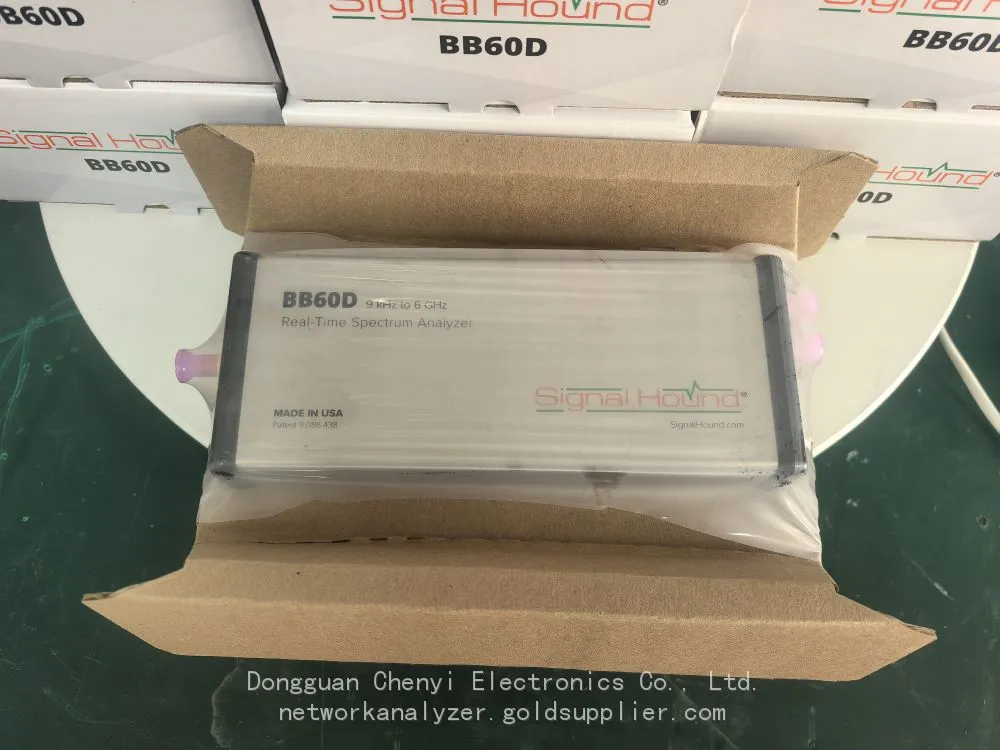
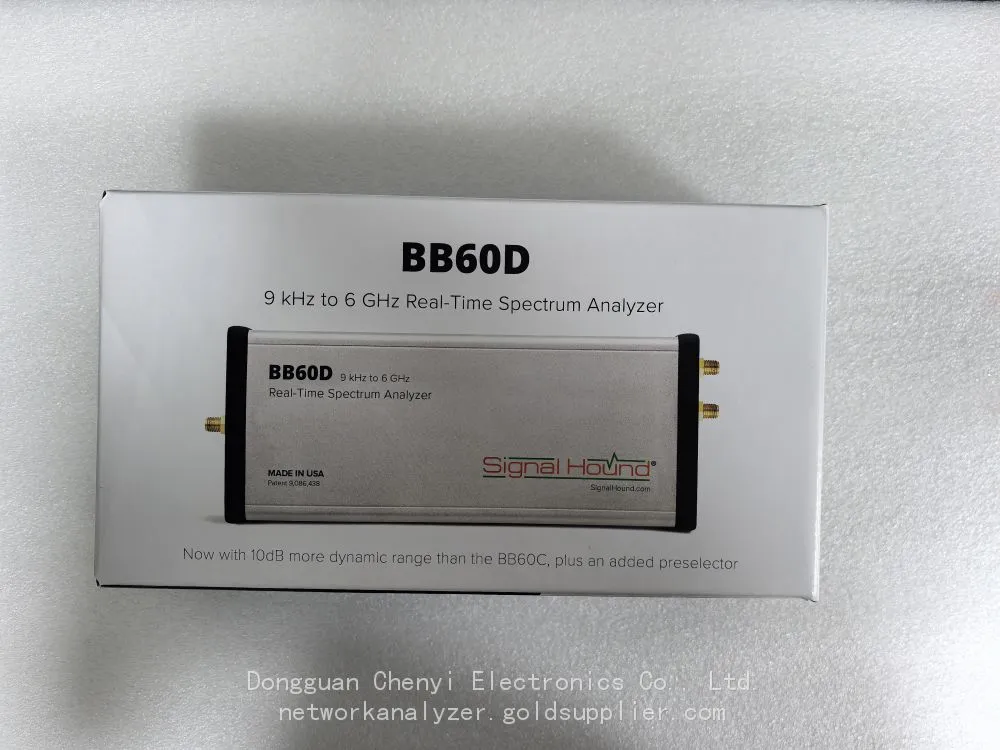
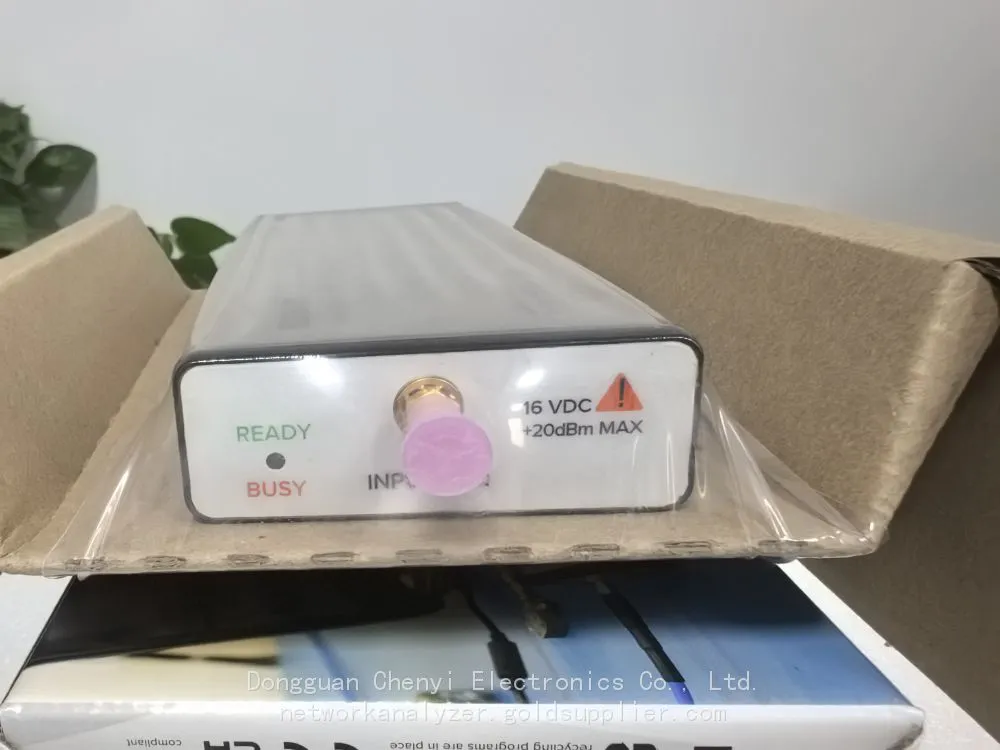
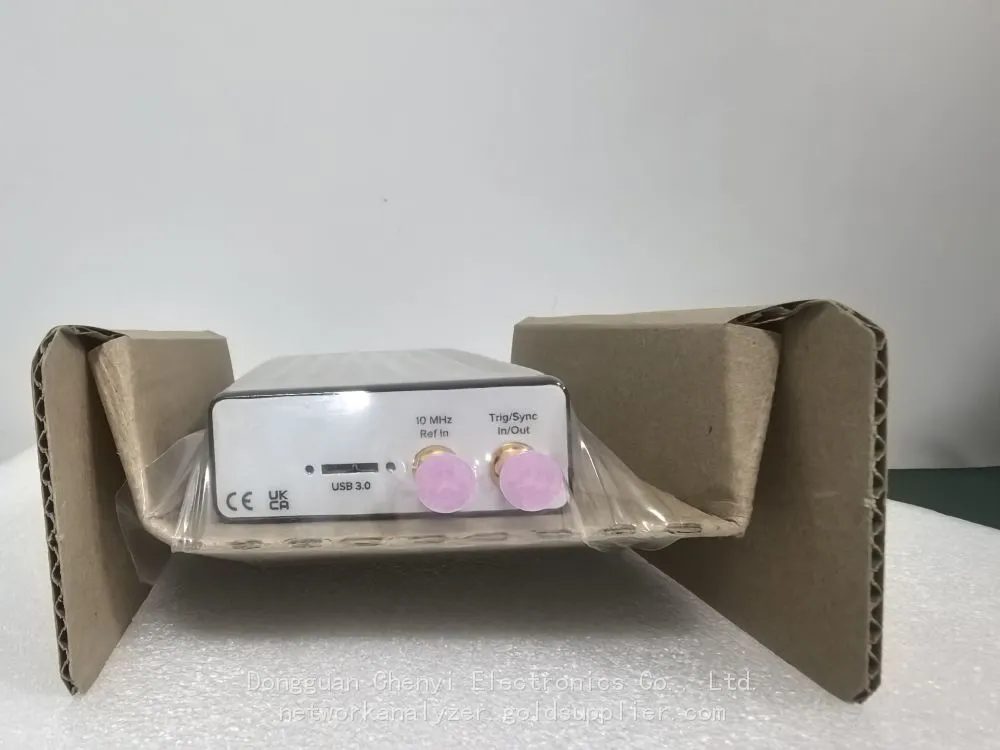
When purchasing RF spectrum analysis equipment, enterprises and laboratories often face a choice between traditional benchtop spectrum analyzers and portable USB real-time spectrum analyzers. Traditional benchtop devices have fixed performance advantages but have obvious limitations in portability, cost, and flexibility. The Signal Hound BB60D, as a high-performance portable real-time spectrum analyzer, achieves a perfect balance of professional performance, low cost, and flexible deployment, and has become an ideal substitute for traditional benchtop equipment in most application scenarios. A detailed comparison of cost, performance, and applicability can help users make more scientific purchasing decisions.
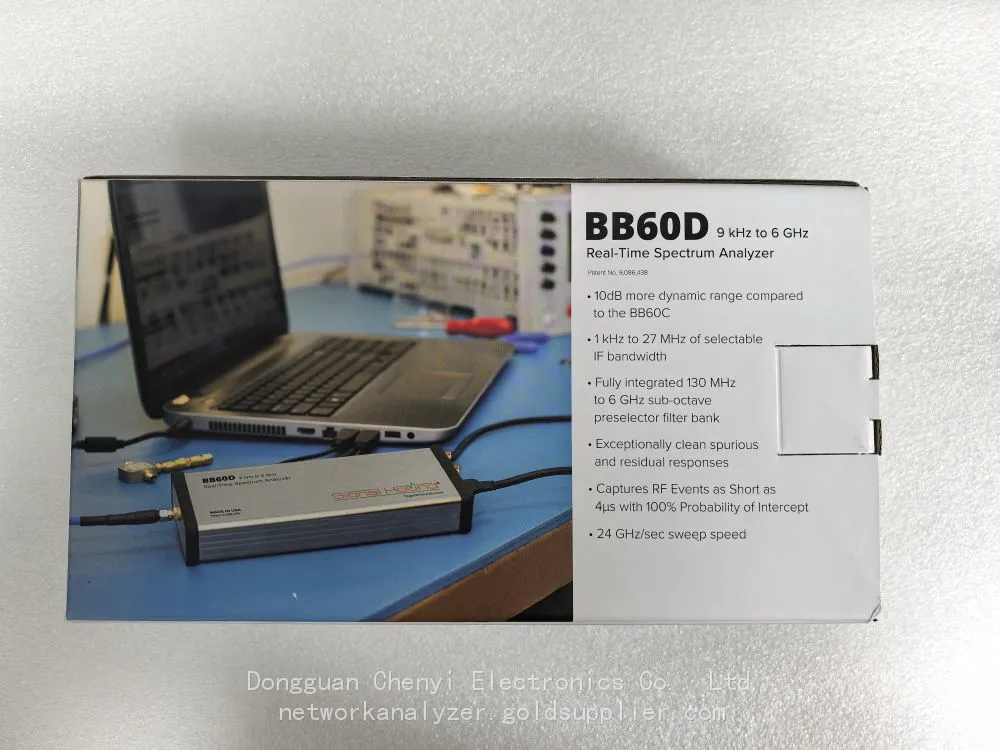
In terms of performance parameters, the BB60D is comparable to mid-range benchtop spectrum analyzers and even surpasses some benchtop devices in core real-time performance. The BB60D covers 9kHz-6GHz full frequency band, with a maximum scanning speed of 24GHz/s, 27MHz real-time bandwidth, and 80MS/s high-speed sampling rate. Its upgraded dynamic range is 10dB higher than the previous generation, with ultra-low noise floor (-154dBm/Hz maximum sensitivity), which fully meets the high-precision testing needs of EMI detection, wireless signal analysis, and weak signal capture. In contrast, many traditional benchtop analyzers have slow scanning speed, serious real-time signal missing detection, and poor performance in transient signal capture.
In terms of cost investment, the BB60D has an absolute advantage. The price of traditional professional benchtop real-time spectrum analyzers is often tens of thousands of US dollars, with high procurement costs, and additional costs such as dedicated power supply, maintenance, and calibration are required. The Signal Hound BB60D has a far lower procurement cost while maintaining professional-grade performance, with no additional power equipment investment, low daily maintenance costs, and long service life, which can save 60% of equipment investment costs for enterprises and laboratories.
In terms of portability and deployment flexibility, the BB60D completely crushes benchtop equipment. Traditional benchtop spectrum analyzers are bulky and heavy, fixed in laboratory use only, unable to adapt to field testing, outdoor monitoring, and on-site debugging scenarios. The BB60D adopts a compact lightweight design, USB 3.0 bus-powered plug-and-play, no fixed placement and power restrictions, can be used in laboratories, production lines, outdoor fields, vehicle-mounted mobile monitoring and other scenarios, with extremely high deployment flexibility.
In terms of functional expandability, the BB60D has stronger practicability. It integrates spectrum analysis, real-time monitoring, RF signal recording, I/Q data streaming, and secondary development functions, and is compatible with professional Spike software and various third-party monitoring systems, supporting customized testing solutions. Traditional benchtop equipment has single fixed functions, high difficulty of secondary development, and poor flexibility for personalized testing needs.
In terms of applicable scenarios, traditional benchtop analyzers are only suitable for fixed laboratory high-precision formal testing, while the BB60D covers full-scene applications including laboratory R&D testing, production line quality inspection, on-site fault debugging, outdoor spectrum monitoring, and teaching experiments. For most enterprises, universities, and testing institutions, the Signal Hound BB60D can fully meet daily testing needs with higher cost performance and wider applicability, making it the best alternative to traditional benchtop spectrum analyzers.
Recently Posted
-
Software-Defined Instruments: How USB Spectrum Analyzers Are Changing the RF Testing Industry
August 17, 20261. The Benchtop Instrument That Would Not Fit in a Carry-OnAn RF field engineer arrived at a remote cell site in a mountainous reg Read More
 -
Spectrum Monitoring Solutions for Broadcast Radio and Television Transmission Stations
August 17, 20261. When a 50 kW FM Transmitter Goes SilentA regional FM broadcaster serving roughly 2 million listeners lost its main transmitter Read More
 -
Understanding Spectrum Analyzer Key Specifications: DANL, Phase Noise, TOI, and RBW
August 14, 20261. The Specification That Cost Two Weeks of DebuggingAn RF design team spent two weeks trying to measure the third harmonic of a 2 Read More
 -
Real-Time Spectrum Analyzer vs Traditional Swept Spectrum Analyzer: Which One Fits Modern RF Testing
August 13, 20261. The Purchase Decision That Engineers Keep Getting WrongA test equipment manager at a contract manufacturer ordered three tradit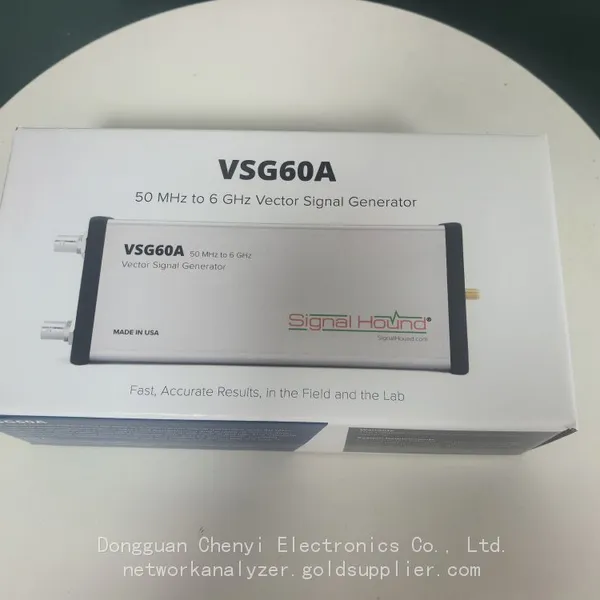 Read More

Contact Us
Recommended Products
-
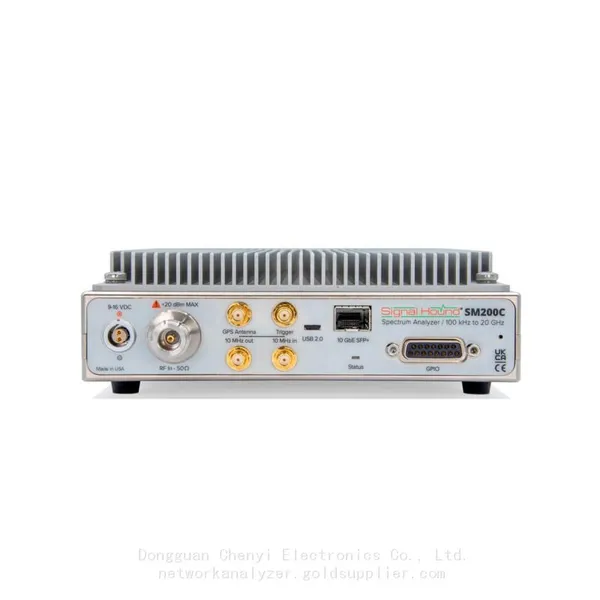
 Signal Hound SM200C 100 KHz to 20 GHz Real-time Spectrum Analyzer With 10GbE Monitoring ReceiversNegotiableMOQ: 1 Unit
 -
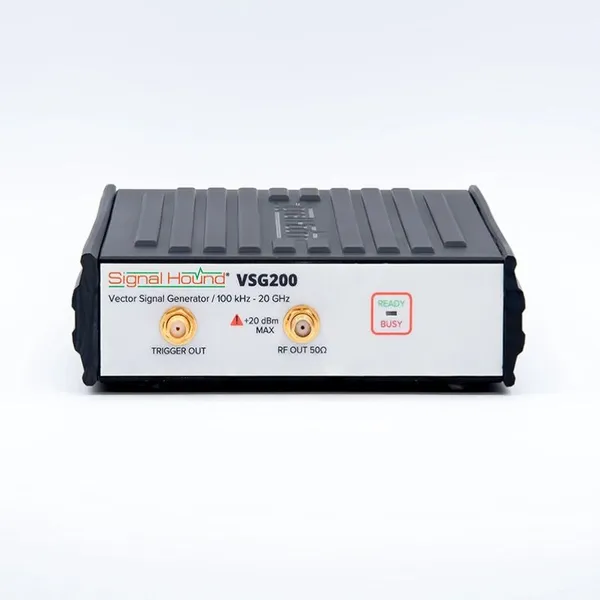
Signal Hound VSG200 Vector Signal Generator 100 KHz to 20 GHzNegotiableMOQ: 1 Unit
-
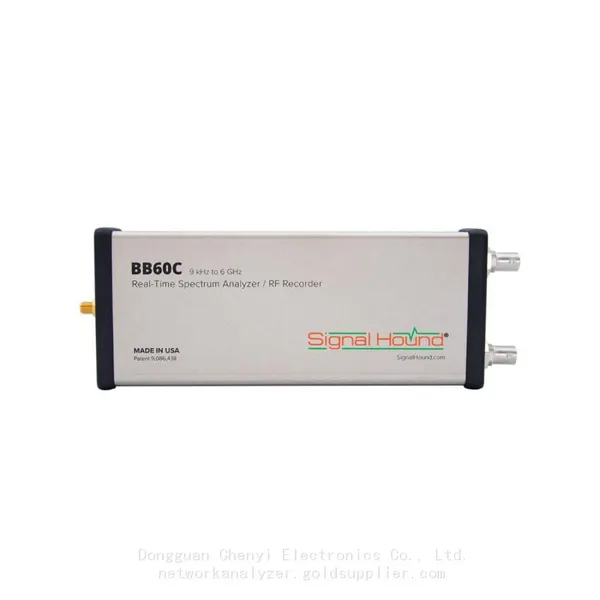
Signal Hound BB60C 9 KHz to 6 GHz Real-time Spectrum AnalyzerNegotiableMOQ: 1 Unit
-
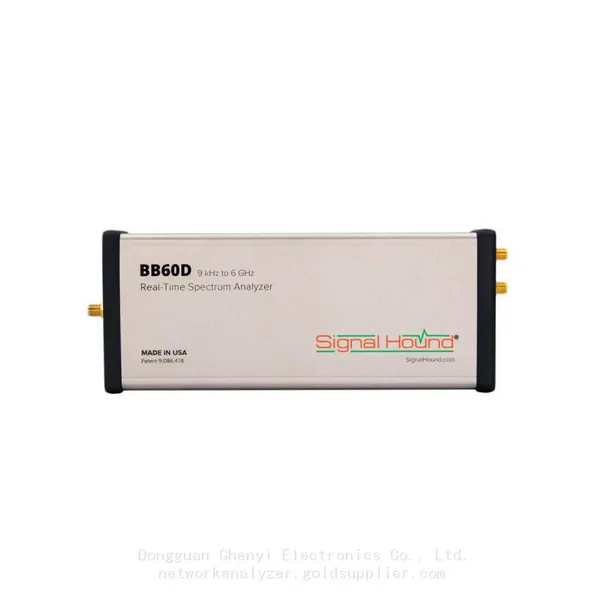
Signal Hound BB60D 9 KHz to 6 GHz Real-time Spectrum AnalyzerNegotiableMOQ: 1 Unit
-
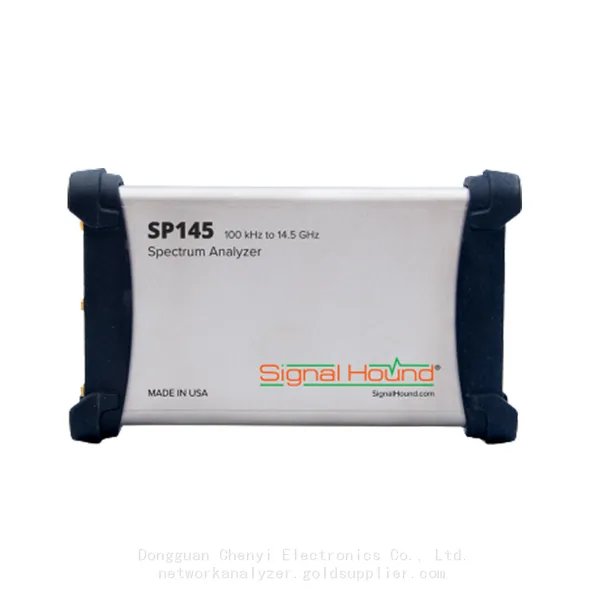
Signal Hound SP145 100 KHz to 14.5 GHz Real-time Spectrum Analyzer Monitoring ReceiversNegotiableMOQ: 1 Unit
-
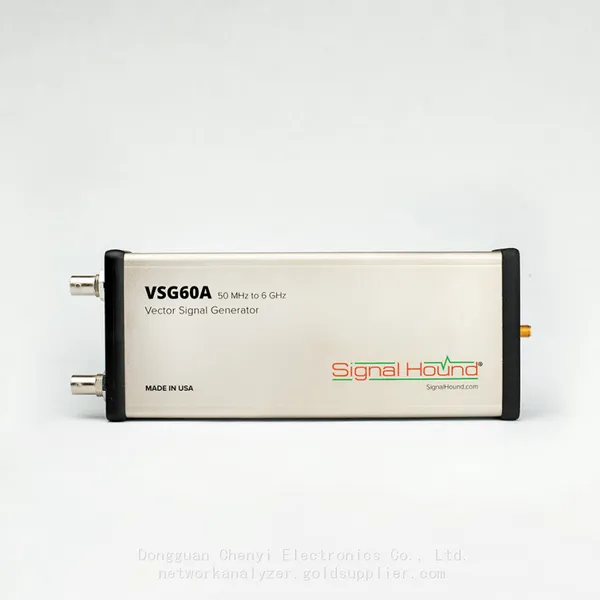
Signal Hound VSG60A 50 MHz to 6 GHz GHz Vector Signal GeneratorNegotiableMOQ: 1 Unit
-
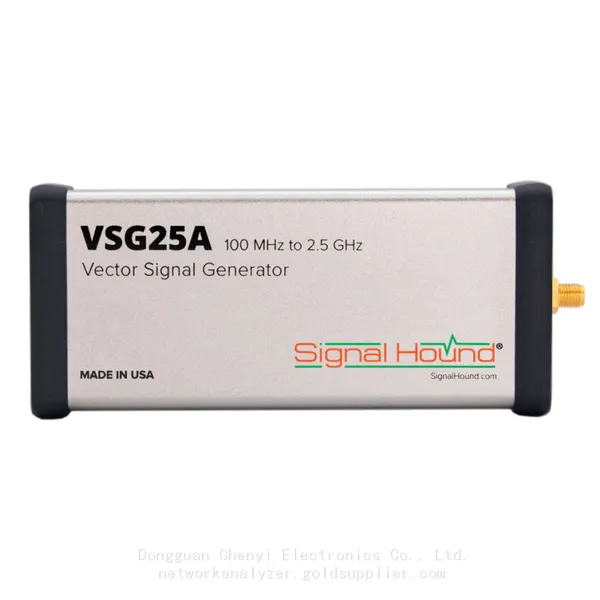
Signal Hound VSG25A 100 MHz to 2.5 GHz Vector Signal GeneratorNegotiableMOQ: 1 Unit
-
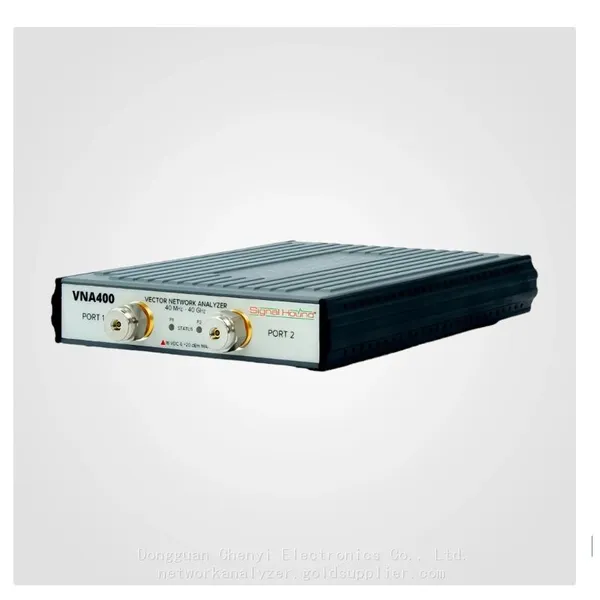
Signal Hound VNA400 40 MHz to 40 GHz 2-port Vector Network AnalyzerNegotiableMOQ: 1 Unit
-
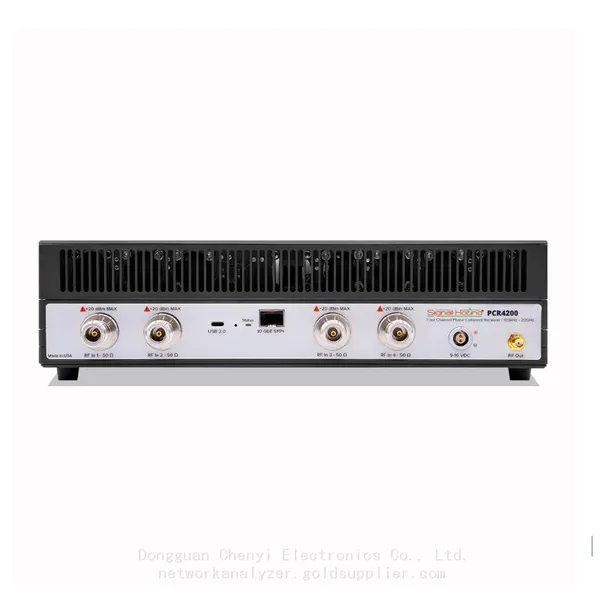
Signal Hound PCR4200 100 KHz to 20 GHz Four-Channel Phase Coherent ReceiverNegotiableMOQ: 1 Unit
-
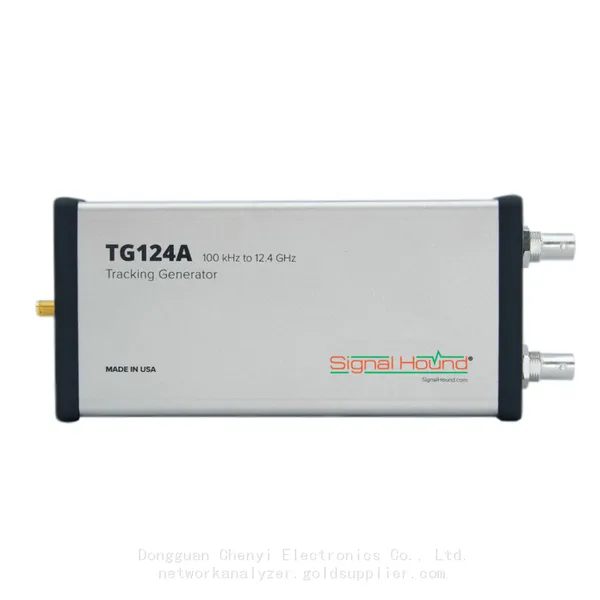
Signal Hound TG124A 100 KHz to 12.4 GHz Tracking GeneratorNegotiableMOQ: 1 Unit
-
Signal Hound TG44A 10 Hz to 4.4 GHz t Tracking GeneratorNegotiableMOQ: 1 Unit
-
Signal Hound SA124B 100 KHz to 12.4 GHz Spectrum AnalyzerNegotiableMOQ: 1 Unit
-
Signal Hound SA44B 1 Hz to 4.4 GHz Spectrum AnalyzerNegotiableMOQ: 1 Unit
-
Signal Hound SM200B 100 KHz to 20 GHz Real-time Spectrum Analyzer Monitoring ReceiversNegotiableMOQ: 1 Unit
-
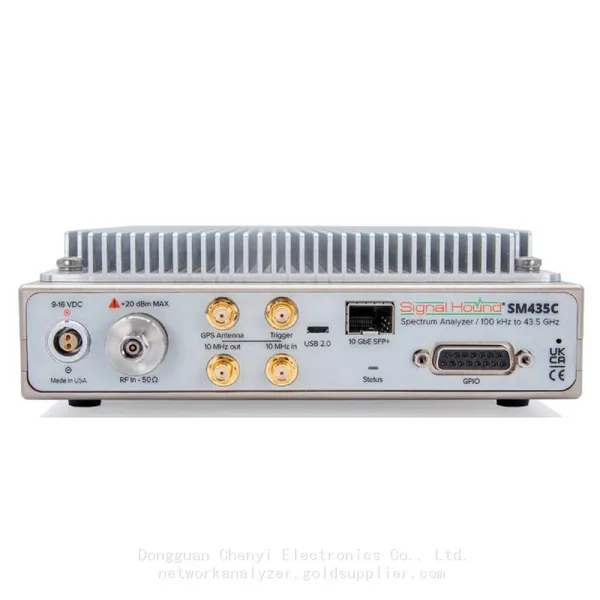
Signal Hound SM435C 100 KHz to 43.5GHz Real-time Spectrum Analyzer With 10GbE Monitoring ReceiversNegotiableMOQ: 1 Unit
-
Signal Hound SM435B 100 KHz to 43.5GHz Real-time Spectrum Analyzer Monitoring ReceiversNegotiableMOQ: 1 Unit
-
Signal Hound PN400 Phase Noise and VCO Test System 100 KHz to 43.5 GHzNegotiableMOQ: 1 Unit
-
Keysight E4980A Precision LCR Meter 20 Hz to 2 MHzNegotiableMOQ: 1 Unit
-
Keysight E4980B and E4980BL Precision LCR Meter 20 Hz to 2 MHzNegotiableMOQ: 1 Unit
-
Keysight U1733C Handheld LCR Meter 100Hz 120Hz 1kHz 10kHz 100kHzNegotiableMOQ: 1 Unit