
 Business License

Signal Hound’s RF Spectrum Analysis System
Signal Hound’s RF Spectrum Analysis System: Empowering 5G Deployment and OptimizationSCPI Software Programming Capabilities: Unlocking the Full Potential of Signal Hound Spectrum Analyzers
The global rollout of 5G technology has ushered in a new era of ultra-fast connectivity, low latency, and massive device integration—transforming industries from telecommunications and smart cities to industrial automation and telemedicine. However, 5G deployment and optimization come with unique RF challenges: crowded spectrum bands, complex signal propagation (especially for mmWave), and the need to ensure consistent coverage and performance across diverse environments. To address these hurdles, telecom engineers and network operators are turning to reliable, flexible RF spectrum analysis tools. Signal Hound’s RF Spectrum Analysis System stands out as a tailored solution for 5G use cases, combining portable hardware, intuitive software, and specialized accessories to streamline every stage of 5G network lifecycle—from pre-deployment planning to post-launch optimization. In this blog, we’ll explore how this system solves key 5G RF challenges and delivers tangible value to 5G industry professionals.In modern RF testing workflows, automation, repeatability, and integration with existing test systems are no longer optional—they’re essential for maximizing efficiency and reducing human error. For engineers and technicians relying on Signal Hound’s industry-leading spectrum analyzers, the ability to leverage SCPI (Standard Commands for Programmable Instruments) software programming stands out as a game-changing feature. SCPI empowers users to automate complex test sequences, integrate Signal Hound devices into custom test setups, and streamline data collection and analysis. In this blog, we’ll dive into how Signal Hound’s SCPI-enabled spectrum analyzers transform RF testing workflows, explore key programming capabilities, and highlight real-world applications where this functionality delivers tangible value.
1. Why Signal Hound’s System Is Tailored for 5G Challenges1. What Is SCPI, and Why Does It Matter for RF Testing?
5G networks operate across a diverse spectrum, including sub-6 GHz bands (for wide coverage) and mmWave bands (for high bandwidth). This dual-band operation, coupled with technologies like beamforming and massive MIMO, creates complex RF dynamics that demand precise analysis. Unlike generic spectrum analyzers, Signal Hound’s solution is designed as an integrated ecosystem—pairing industry-leading RF receivers (BB60C, BB60D, SM200) with the powerful Spike software—to address 5G-specific needs. Its core advantages for 5G applications include portability for field testing in urban/rural environments, wide frequency coverage spanning sub-6 GHz to mmWave, real-time signal visualization, and cost-effectiveness for large-scale deployment projects. Whether you’re conducting site surveys, detecting interference, or validating beamforming performance, this system adapts to 5G’s unique requirements without compromising accuracy.SCPI is a standardized command set designed for controlling programmable test and measurement instruments—including spectrum analyzers, oscilloscopes, and signal generators. Unlike proprietary command languages, SCPI offers a consistent syntax across different instrument manufacturers, making it easier for users to integrate multiple devices into a single automated test system (ATS). For RF testing, this standardization translates to significant benefits: faster test setup, improved repeatability (eliminating manual operation errors), and the ability to scale test processes across multiple devices or locations.
2. Key Components of the System for 5G Testing
Signal Hound has fully embraced SCPI in its lineup of spectrum analyzers (including popular models like the BB60C, BB60D, and SM200), ensuring that users can seamlessly automate their RF testing workflows. Whether you’re a telecom engineer automating 5G signal validation, an avionics technician conducting compliance testing, or a research scientist running repetitive measurements, Signal Hound’s SCPI support unlocks a new level of flexibility and efficiency.
Signal Hound’s RF Spectrum Analysis System’s three foundational pillars—hardware, software, and accessories—are uniquely optimized to support 5G testing workflows. Let’s break down how each component contributes to successful 5G deployment and optimization:
a. Hardware: 5G Band-Coverage & Portable Design
2. Key SCPI Programming Capabilities of Signal Hound Spectrum Analyzers
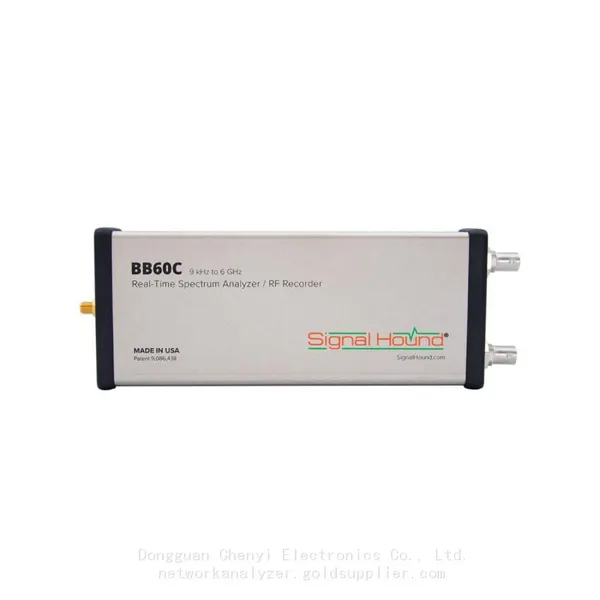
The system’s RF receivers are engineered to cover 5G’s critical frequency bands. The flagship BB60C, with a frequency range of 9 kHz to 6 GHz, is perfectly suited for testing sub-6 GHz 5G bands (e.g., n77, n78, n79)—the workhorse for wide-area 5G coverage. It delivers a noise figure of 1.5 dB at 1 GHz and sensitivity down to -160 dBm, enabling reliable detection of weak 5G signals in urban canyons or rural areas where propagation is challenging. For mmWave 5G testing (e.g., n257, n258, n260 bands), the SM200 extends coverage up to 20 GHz, supporting high-bandwidth 5G applications like fixed wireless access and smart city deployments.
A game-changer for 5G field testing is the hardware’s USB-powered, lightweight design. Weighing as little as 0.5 kg, receivers like the BB60C can be easily carried in a laptop bag, allowing engineers to conduct on-site testing across multiple cell sites in a single day. This portability is critical for 5G site surveys, where testing needs to be done in diverse locations—from downtown skyscrapers (assessing mmWave propagation through buildings) to suburban areas (validating sub-6 GHz coverage). The elimination of bulky external power supplies further enhances mobility, making it easy to set up testing in remote or hard-to-reach areas.SCPI commands allow users to remotely configure all critical analyzer settings, eliminating the need for manual adjustments. This includes setting frequency ranges (e.g., tuning to 5G sub-6 GHz bands or mmWave frequencies), adjusting signal attenuation and gain, configuring sweep parameters (sweep time, resolution bandwidth), and selecting measurement modes (spectrum analysis, waterfall display, heatmap mode). For example, a user can send a single SCPI command to set the BB60C to monitor the 3.5 GHz n78 5G band with a 10 MHz resolution bandwidth—ideal for automating 5G signal strength measurements across multiple cell sites.
Signal Hound’s SCPI implementation covers a comprehensive range of commands, enabling users to control nearly every aspect of their spectrum analyzer’s operation. Below are the core capabilities that make this functionality indispensable for automated RF testing:
b. Software: Spike’s 5G-Optimized Analysis Toolsb. Automated Data Acquisition & Analysis
Spike software is the brains behind the system’s 5G testing capabilities, offering intuitive, 5G-optimized features that simplify complex RF analysis. The star feature for 5G is the Heatmap Analysis Mode, which visualizes time, frequency, and signal power in color-coded heatmaps. This allows engineers to quickly identify 5G coverage dead zones, signal leakage, and interference hotspots—critical for optimizing cell site placement and antenna orientation. For example, a heatmap can reveal that a mmWave 5G signal is blocked by a high-rise building, prompting adjustments to beamforming parameters or the addition of a small cell.One of the most powerful features of SCPI programming is the ability to automate data acquisition and analysis. Signal Hound’s spectrum analyzers can be programmed via SCPI to capture measurement data (e.g., signal power, peak frequency, noise floor) and transmit it to a host computer for further processing. This eliminates the time-consuming task of manually recording data and reduces the risk of transcription errors. Users can also automate post-processing tasks, such as calculating signal-to-noise ratios (SNR) or generating compliance reports, by integrating SCPI commands with scripting languages like Python, MATLAB, or LabVIEW.
a. Instrument Configuration & Control
Spike also supports advanced 5G testing functionalities, such as real-time spectrum analysis for monitoring dynamic 5G signals (essential for beamforming validation) and digital signal demodulation for verifying 5G waveform integrity. Custom sweep settings allow engineers to focus on specific 5G bands, reducing testing time, while data export capabilities (CSV, PNG) enable the generation of compliance reports for regulatory bodies. Signal Hound’s regular software updates ensure Spike stays compatible with evolving 5G standards, including 5G-Advanced features like enhanced mobile broadband (eMBB) and ultra-reliable low-latency communication (URLLC).
c. Accessories: Enhancing 5G Testing Capabilities
Signal Hound’s purpose-built accessories extend the system’s capabilities for 5G-specific challenges. Preamplifiers boost sensitivity, critical for detecting weak mmWave 5G signals that are prone to attenuation by obstacles like buildings and foliage. External band-pass filters help reduce interference from adjacent wireless systems (e.g., Wi-Fi 6/6E, LTE) that operate near 5G bands, ensuring accurate analysis of 5G signals. Specialized mmWave antennas enable precise testing of high-frequency 5G bands, while rugged carrying cases protect the hardware during field testing in harsh weather conditions—common during outdoor 5G site surveys.
3. Core 5G Applications for Signal Hound’s System
Signal Hound’s RF Spectrum Analysis System supports every critical stage of the 5G network lifecycle, from pre-deployment planning to ongoing optimization. Here are the key 5G applications where the system delivers maximum value:
c. Integration with Automated Test Systems (ATS)
a. Pre-Deployment Site Surveys & Planning
Before deploying 5G cell sites, engineers use the system to conduct comprehensive site surveys. The portable BB60C and SM200 receivers, paired with Spike’s Heatmap Analysis Mode, help map existing RF conditions, identify potential interference sources (e.g., LTE towers, industrial equipment), and determine optimal cell site locations. For sub-6 GHz 5G, this ensures wide coverage with minimal overlap; for mmWave, it helps identify line-of-sight paths and potential obstacles. This pre-deployment planning reduces costly rework and ensures the network is built for optimal performance from day one.
Signal Hound’s SCPI support enables seamless integration with larger automated test systems, a critical requirement for high-volume manufacturing or complex compliance testing. For example, in a 5G device manufacturing line, a Signal Hound spectrum analyzer can be integrated with a signal generator, power meter, and robotic test fixture via SCPI commands. The ATS can then automate the entire test sequence: powering on the device, configuring the analyzer, capturing test data, and flagging faulty units—all without human intervention. This not only speeds up production testing but also ensures consistent results across every unit tested.
b. 5G Coverage Mapping & Dead Zone Identification
After deployment, the system is used to validate 5G coverage and identify dead zones. Spike’s real-time spectrum analysis and heatmap visualization allow engineers to walk or drive test routes, capturing 5G signal strength across the coverage area. Cooler colors (blue) indicate weak or non-existent signals (dead zones), while warmer colors (red/orange) show strong coverage. For example, a heatmap might reveal a dead zone in a shopping mall’s basement, prompting the deployment of a small cell. This coverage mapping ensures that end-users receive consistent 5G service, a key factor in customer satisfaction.
d. Custom Test Sequence Creation
c. Interference Detection & Mitigation
Interference is a major threat to 5G performance, especially in crowded urban environments where multiple wireless systems operate in close proximity. Signal Hound’s system excels at detecting and mitigating 5G interference. Using Spike’s real-time analysis, engineers can quickly identify interference sources—such as Wi-Fi 6/6E networks, industrial sensors, or unauthorized transmitters—that are disrupting 5G signals. The system’s high sensitivity ensures even faint interference signals are detected, while external filters help isolate 5G bands for accurate analysis. Once identified, engineers can reconfigure 5G base station parameters, adjust antenna angles, or deploy interference filters to restore performance.
SCPI programming allows users to create custom test sequences tailored to their specific application needs. Whether it’s a repetitive test for RF component validation or a complex sequence for avionics compliance testing (e.g., RTCA DO-160), users can script the entire workflow using SCPI commands. For instance, an avionics technician can create a script that automates the testing of a VHF communication system: configuring the analyzer to monitor the 118–137 MHz band, injecting a test signal, measuring signal distortion, and generating a pass/fail report—all with a single script execution.
d. 5G Beamforming & Performance Validation
Beamforming is a key 5G technology that focuses signal energy toward specific users, improving coverage and capacity. Signal Hound’s system is used to validate beamforming performance, ensuring that 5G base stations are directing signals accurately. The SM200’s mmWave coverage is particularly valuable here, as beamforming is widely used in high-frequency 5G bands. Engineers use the system to measure beam direction, signal strength, and coverage overlap, ensuring that beamforming is optimized for maximum efficiency. This validation is critical for delivering the low latency and high bandwidth that 5G promises, especially for applications like autonomous vehicles and industrial IoT.
3. Real-World Applications of SCPI Programming with Signal Hound Spectrum Analyzers
4. Why 5G Professionals Choose Signal Hound’s System
In a crowded market of RF testing solutions, Signal Hound’s RF Spectrum Analysis System stands out as a top choice for 5G professionals. Here are the key advantages that make it indispensable for 5G deployment and optimization:
Telecom engineers use SCPI to automate 5G network testing across multiple cell sites. By scripting SCPI commands, they can configure Signal Hound analyzers to monitor specific 5G bands (sub-6 GHz or mmWave), capture signal strength and interference data at regular intervals, and transmit the data to a central server for analysis. This automated approach allows for continuous network monitoring, enabling engineers to quickly identify performance issues and optimize network parameters without manual site visits.
a. 5G Network Testing & Optimization
Signal Hound’s SCPI capabilities are used across a wide range of industries to solve unique RF testing challenges. Below are some key applications where SCPI programming delivers maximum value:
• 5G Band Coverage: Hardware covers both sub-6 GHz and mmWave 5G bands, supporting all key 5G use cases.
Final Thoughts for 5G Professionals5. Why SCPI-Enabled Signal Hound Spectrum Analyzers Are a Smart Choice
b. RF Component Manufacturing Testing
• Portability for Field Testing: USB-powered, lightweight design enables easy on-site testing across multiple cell sites.
and ease of use required to get the job done right.Signal Hound’s RF Spectrum Analysis System is more than just a testing tool—it’s a strategic asset for 5G professionals looking to streamline deployment, optimize performance, and deliver reliable 5G service. Its tailored support for 5G bands, portable design for field testing, and intuitive software make it the ideal solution for addressing the unique RF challenges of 5G technology.In a world where automation and efficiency are critical, Signal Hound’s SCPI-enabled spectrum analyzers offer distinct advantages over non-programmable alternatives:
• Intuitive 5G-Optimized Software: Spike’s Heatmap Analysis Mode and real-time visualization simplify complex 5G signal analysis.
If you’re in the market for an RF spectrum analysis solution that balances power and practicality, Signal Hound’s ecosystem is worth a closer look. Many vendors offer demos, so you can test the system with your specific use case before making a decision.
Manufacturers of RF components (e.g., antennas, filters, transceivers) rely on SCPI to automate production testing. Signal Hound analyzers integrated into ATS via SCPI can quickly test each component’s performance (gain, insertion loss, frequency response) and sort units into pass/fail categories. This not only increases testing throughput but also ensures that every component meets quality standards, reducing the risk of defective products reaching the market.
• Cost-Effectiveness: Delivers professional-grade 5G testing capabilities at a fraction of the cost of traditional benchtop analyzers, ideal for large-scale 5G rollouts.
Have you used Signal Hound’s RF Spectrum Analysis System for your projects? Share your experiences and insights in the comments below—we’d love to hear how it’s helped you tackle your RF testing challenges!
• Scalability: Modular design allows teams to start with sub-6 GHz testing and add mmWave capabilities as their 5G projects evolve.
c. Avionics Compliance Testing
Avionics technicians use SCPI to automate compliance testing for communication and navigation systems. For example, testing a GPS receiver against RTCA DO-229 standards requires repetitive measurements of signal sensitivity and interference rejection. By scripting these tests with SCPI commands, technicians can ensure that every test is performed consistently, and generate detailed compliance reports required for FAA/EASA certification.
d. Research & Development (R&D) Testing
RF researchers use SCPI to automate repetitive measurements in R&D projects. Whether testing new antenna designs, developing novel signal processing algorithms, or exploring emerging wireless technologies, SCPI allows researchers to focus on data analysis rather than manual test setup. By integrating Signal Hound analyzers with programming languages like Python, researchers can also leverage advanced data visualization and machine learning tools to gain deeper insights from their test data.
4. Getting Started with SCPI Programming for Signal Hound Spectrum Analyzers
Getting started with SCPI programming for Signal Hound spectrum analyzers is straightforward, thanks to the company’s comprehensive support resources. Here’s a quick overview of the steps to begin:
• Connect the Analyzer to a Host Computer: Signal Hound analyzers support USB and Ethernet connectivity for SCPI communication. Simply connect the analyzer to your computer via USB or network cable.
• Choose a Programming Language: Signal Hound’s SCPI commands are compatible with popular scripting languages like Python, MATLAB, LabVIEW, and C#. Python is a great choice for beginners due to its simplicity and extensive library support (e.g., pyvisa for SCPI communication).
• Access SCPI Documentation: Signal Hound provides detailed SCPI command manuals for each analyzer model, listing all supported commands, syntax, and examples. This documentation is available on the Signal Hound website and is an essential resource for programming.
• Write and Test Your First Script: Start with simple commands (e.g., setting the frequency range, initiating a sweep) to familiarize yourself with the syntax. Use tools like Python’s pyvisa library to send commands to the analyzer and verify the response.


Recently Posted
-
Software-Defined Instruments: How USB Spectrum Analyzers Are Changing the RF Testing Industry
August 17, 20261. The Benchtop Instrument That Would Not Fit in a Carry-OnAn RF field engineer arrived at a remote cell site in a mountainous reg Read More
 -
Spectrum Monitoring Solutions for Broadcast Radio and Television Transmission Stations
August 17, 20261. When a 50 kW FM Transmitter Goes SilentA regional FM broadcaster serving roughly 2 million listeners lost its main transmitter Read More
 -
Understanding Spectrum Analyzer Key Specifications: DANL, Phase Noise, TOI, and RBW
August 14, 20261. The Specification That Cost Two Weeks of DebuggingAn RF design team spent two weeks trying to measure the third harmonic of a 2 Read More
 -
Real-Time Spectrum Analyzer vs Traditional Swept Spectrum Analyzer: Which One Fits Modern RF Testing
August 13, 20261. The Purchase Decision That Engineers Keep Getting WrongA test equipment manager at a contract manufacturer ordered three tradit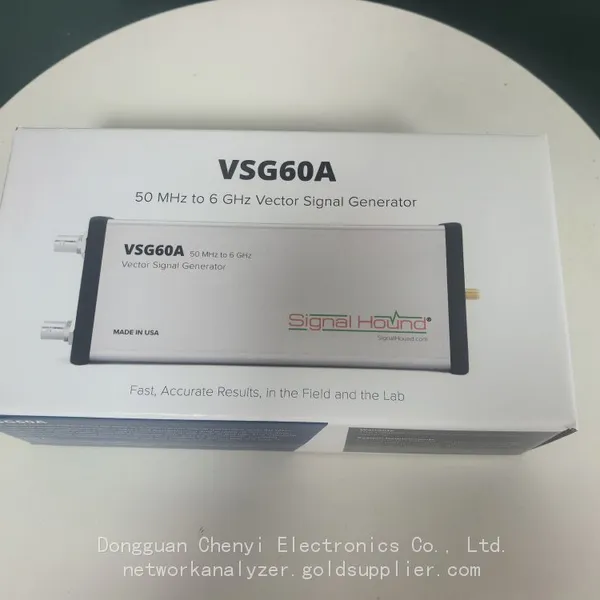 Read More

Contact Us
Recommended Products
-
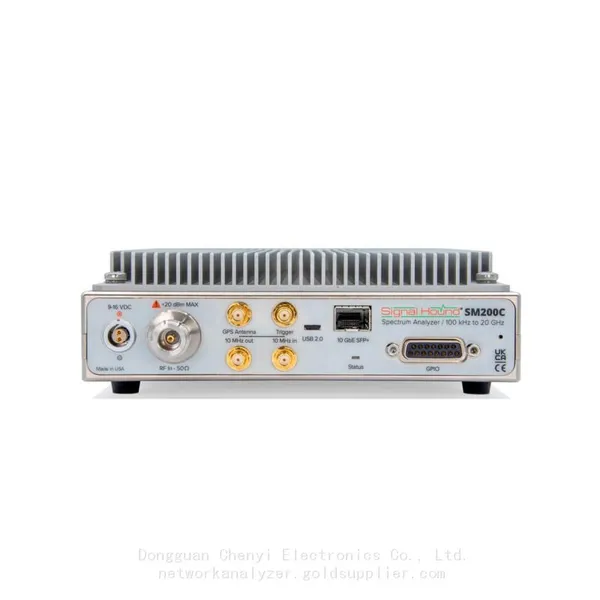
 Signal Hound SM200C 100 KHz to 20 GHz Real-time Spectrum Analyzer With 10GbE Monitoring ReceiversNegotiableMOQ: 1 Unit
 -
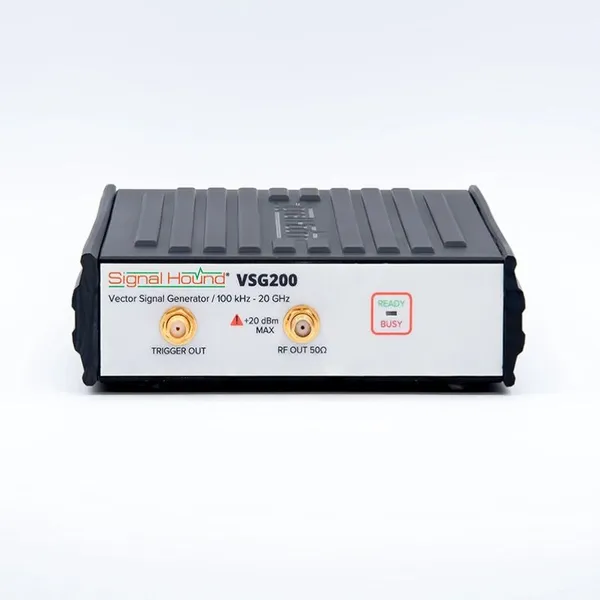
Signal Hound VSG200 Vector Signal Generator 100 KHz to 20 GHzNegotiableMOQ: 1 Unit
-
Signal Hound BB60C 9 KHz to 6 GHz Real-time Spectrum AnalyzerNegotiableMOQ: 1 Unit
-
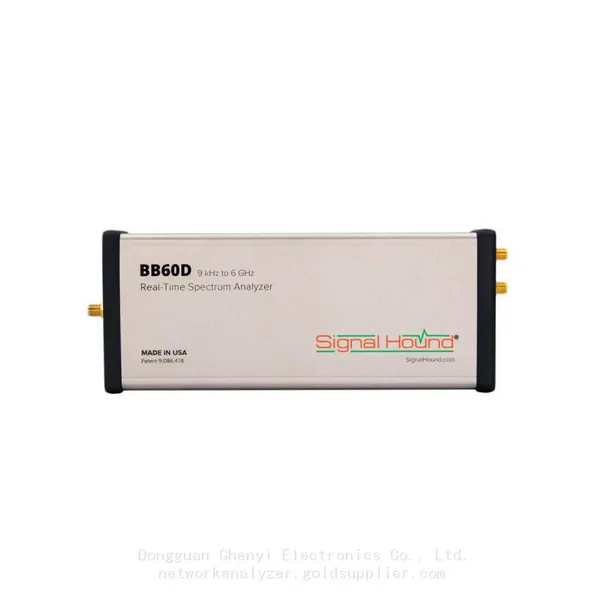
Signal Hound BB60D 9 KHz to 6 GHz Real-time Spectrum AnalyzerNegotiableMOQ: 1 Unit
-
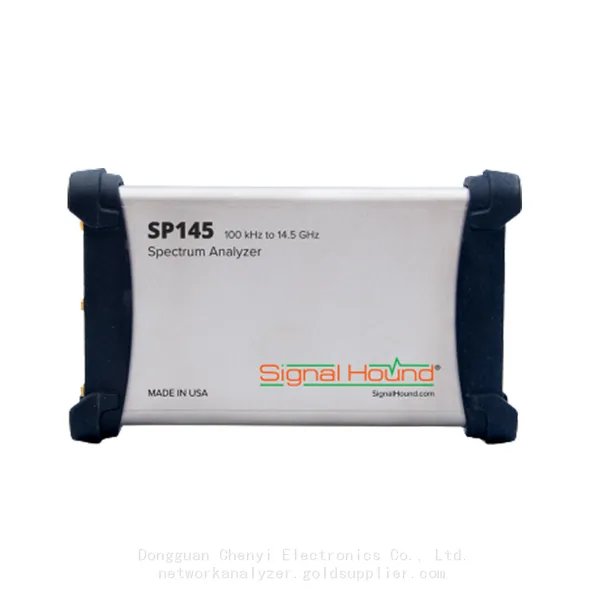
Signal Hound SP145 100 KHz to 14.5 GHz Real-time Spectrum Analyzer Monitoring ReceiversNegotiableMOQ: 1 Unit
-
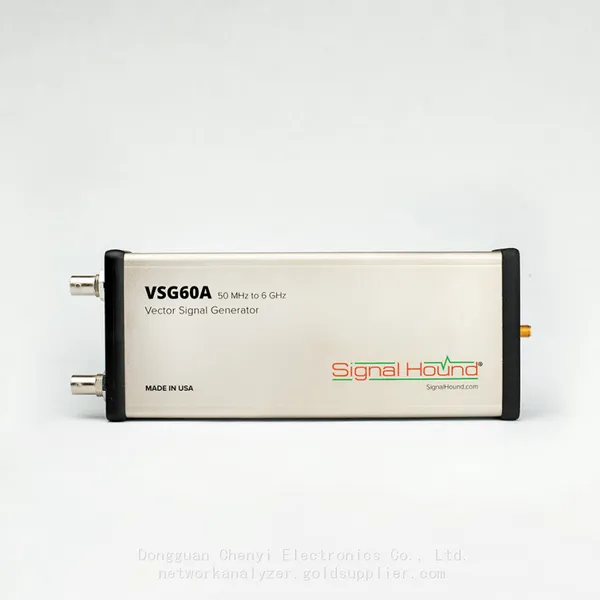
Signal Hound VSG60A 50 MHz to 6 GHz GHz Vector Signal GeneratorNegotiableMOQ: 1 Unit
-
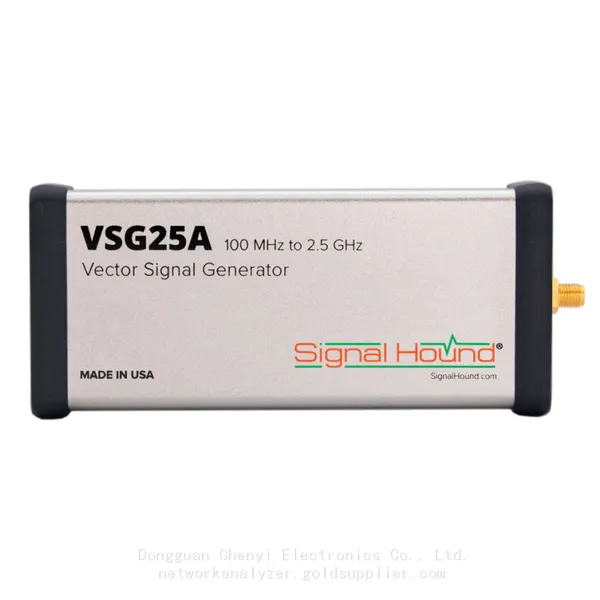
Signal Hound VSG25A 100 MHz to 2.5 GHz Vector Signal GeneratorNegotiableMOQ: 1 Unit
-
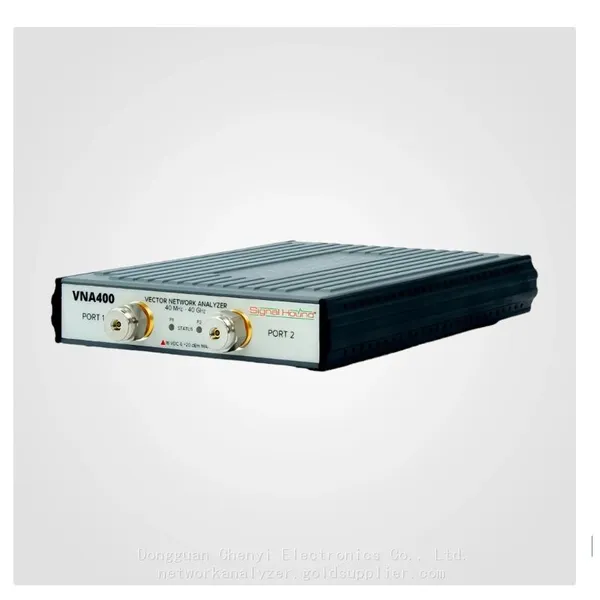
Signal Hound VNA400 40 MHz to 40 GHz 2-port Vector Network AnalyzerNegotiableMOQ: 1 Unit
-
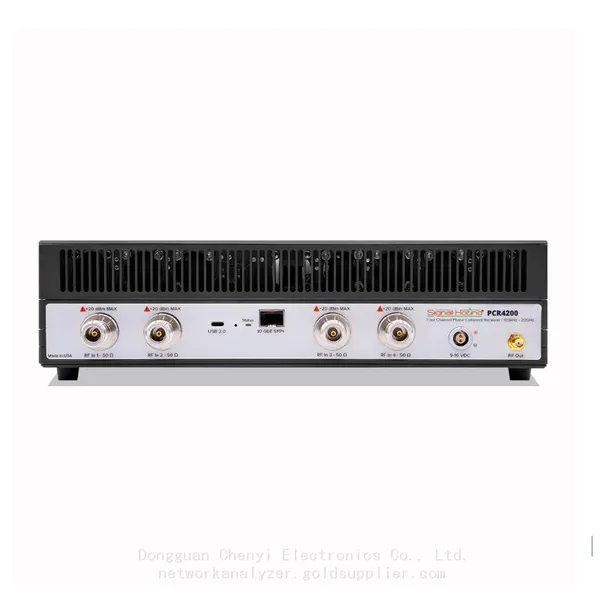
Signal Hound PCR4200 100 KHz to 20 GHz Four-Channel Phase Coherent ReceiverNegotiableMOQ: 1 Unit
-
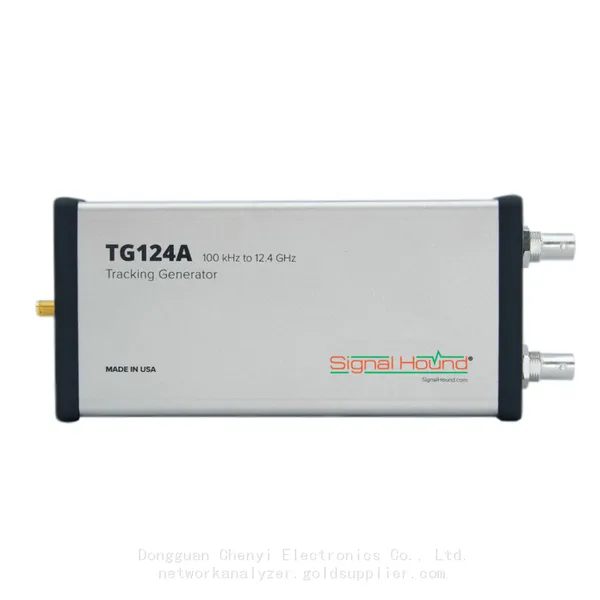
Signal Hound TG124A 100 KHz to 12.4 GHz Tracking GeneratorNegotiableMOQ: 1 Unit
-
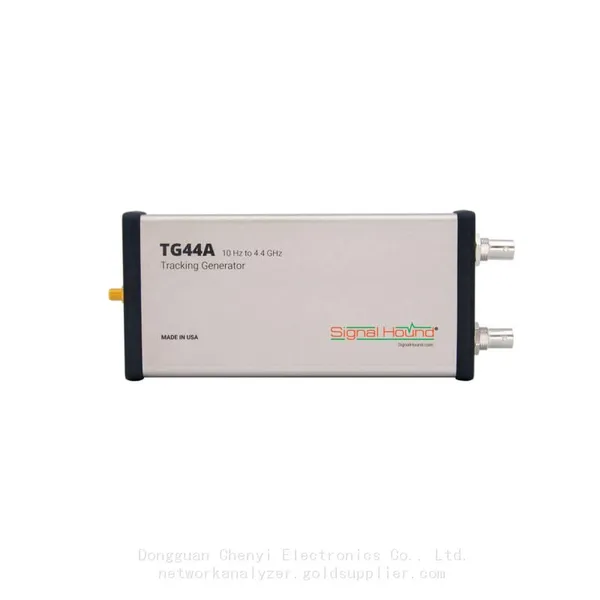
Signal Hound TG44A 10 Hz to 4.4 GHz t Tracking GeneratorNegotiableMOQ: 1 Unit
-
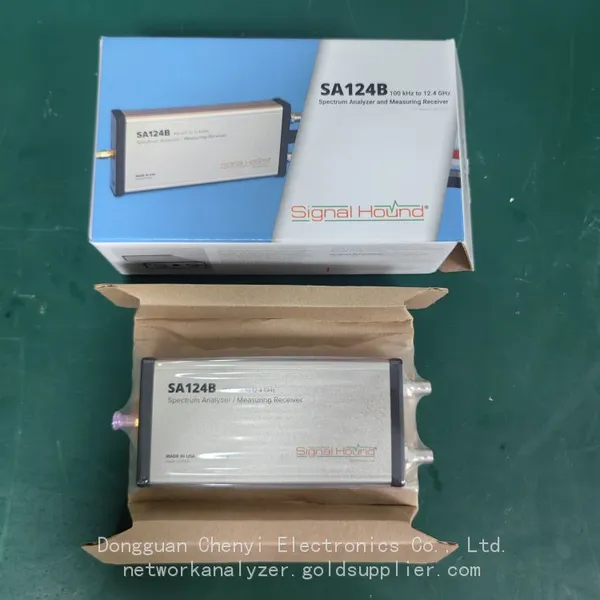
Signal Hound SA124B 100 KHz to 12.4 GHz Spectrum AnalyzerNegotiableMOQ: 1 Unit
-
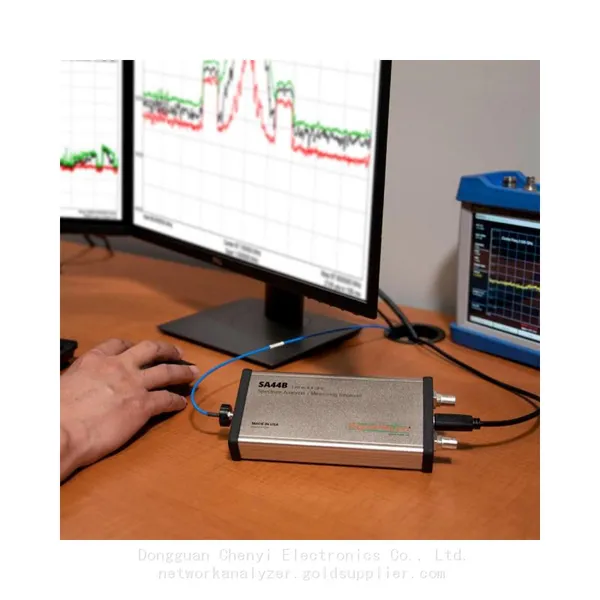
Signal Hound SA44B 1 Hz to 4.4 GHz Spectrum AnalyzerNegotiableMOQ: 1 Unit
-
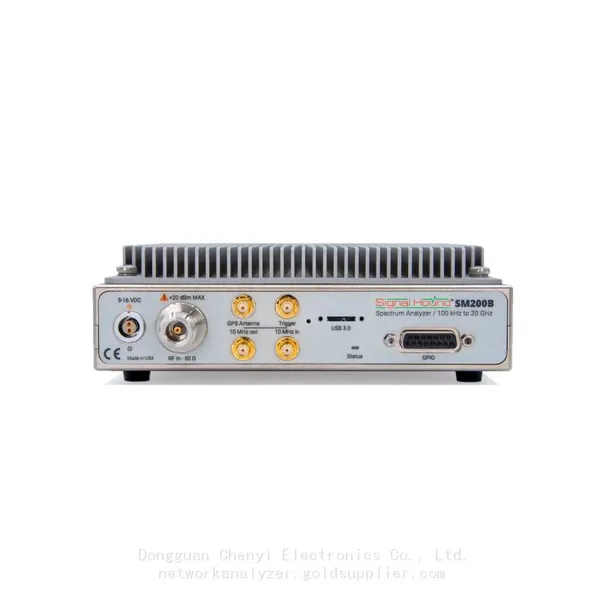
Signal Hound SM200B 100 KHz to 20 GHz Real-time Spectrum Analyzer Monitoring ReceiversNegotiableMOQ: 1 Unit
-
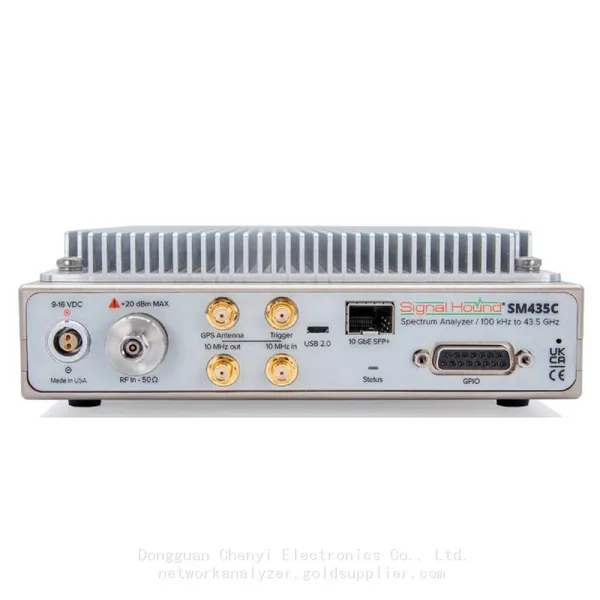
Signal Hound SM435C 100 KHz to 43.5GHz Real-time Spectrum Analyzer With 10GbE Monitoring ReceiversNegotiableMOQ: 1 Unit
-
Signal Hound SM435B 100 KHz to 43.5GHz Real-time Spectrum Analyzer Monitoring ReceiversNegotiableMOQ: 1 Unit
-
Signal Hound PN400 Phase Noise and VCO Test System 100 KHz to 43.5 GHzNegotiableMOQ: 1 Unit
-
Keysight E4980A Precision LCR Meter 20 Hz to 2 MHzNegotiableMOQ: 1 Unit
-
Keysight E4980B and E4980BL Precision LCR Meter 20 Hz to 2 MHzNegotiableMOQ: 1 Unit
-
Keysight U1733C Handheld LCR Meter 100Hz 120Hz 1kHz 10kHz 100kHzNegotiableMOQ: 1 Unit