
 Business License

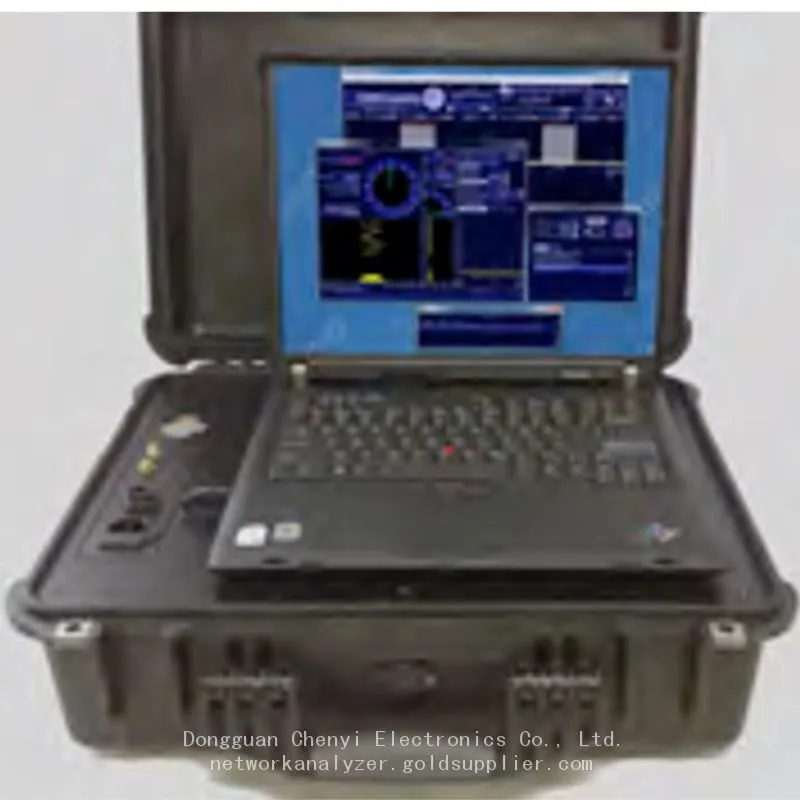
WiNRADiO WD-7200 HF/VHF/UHF Interferometer-based Correlative Radio Direction Finder
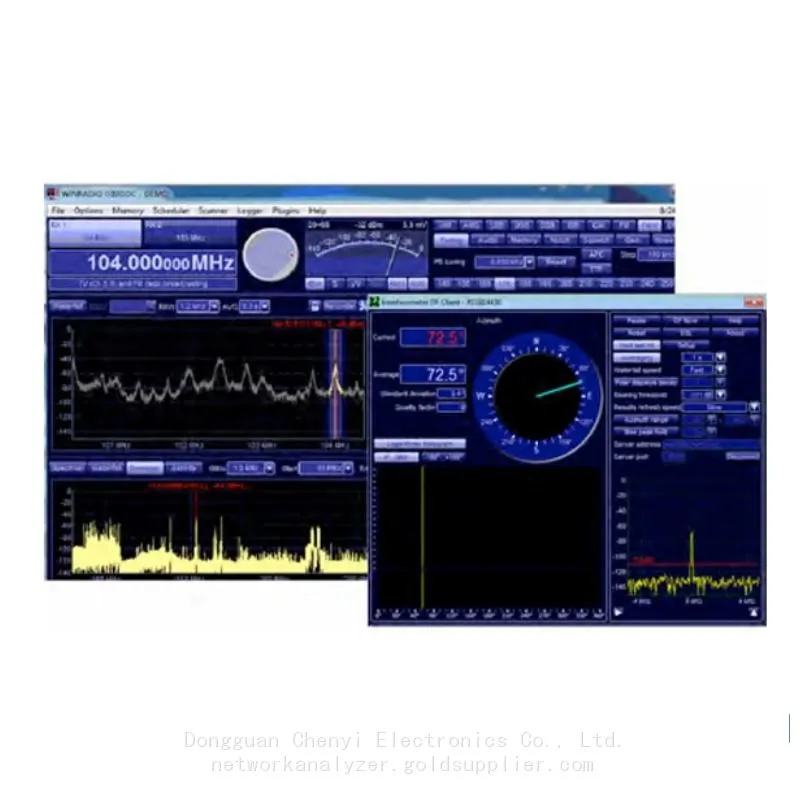
WiNRADiO WD-7000 is a high-precision, portable radio direction-finding (DF) system based on Correlative Interferometer technology. It is specifically designed for signal monitoring, positioning, and reconnaissance in the HF/VHF/UHF (2MHz–2GHz) frequency band, and is widely used in military, law enforcement, spectrum management, and emergency communication fields
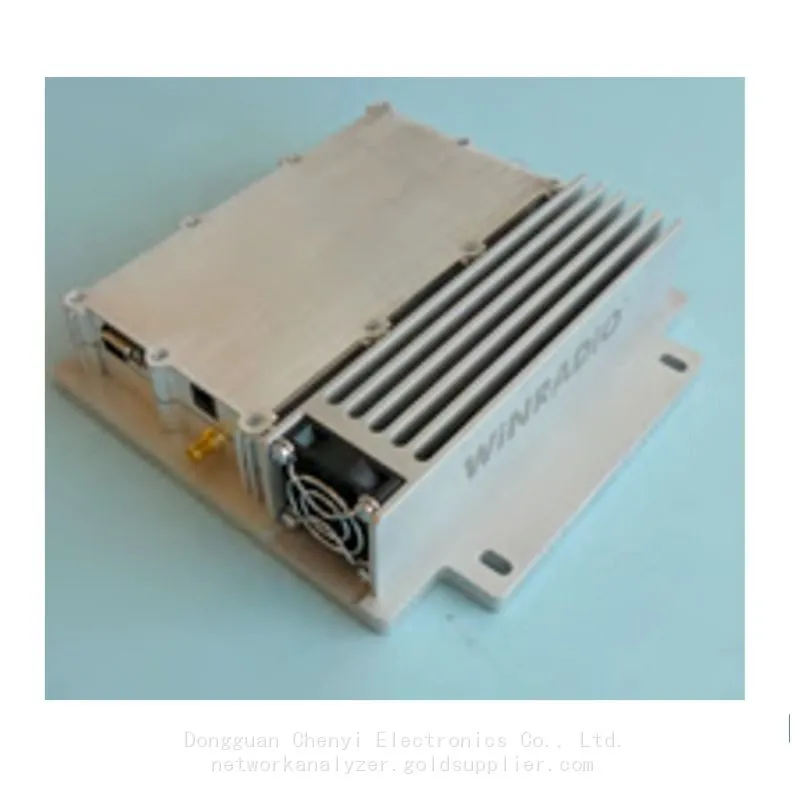
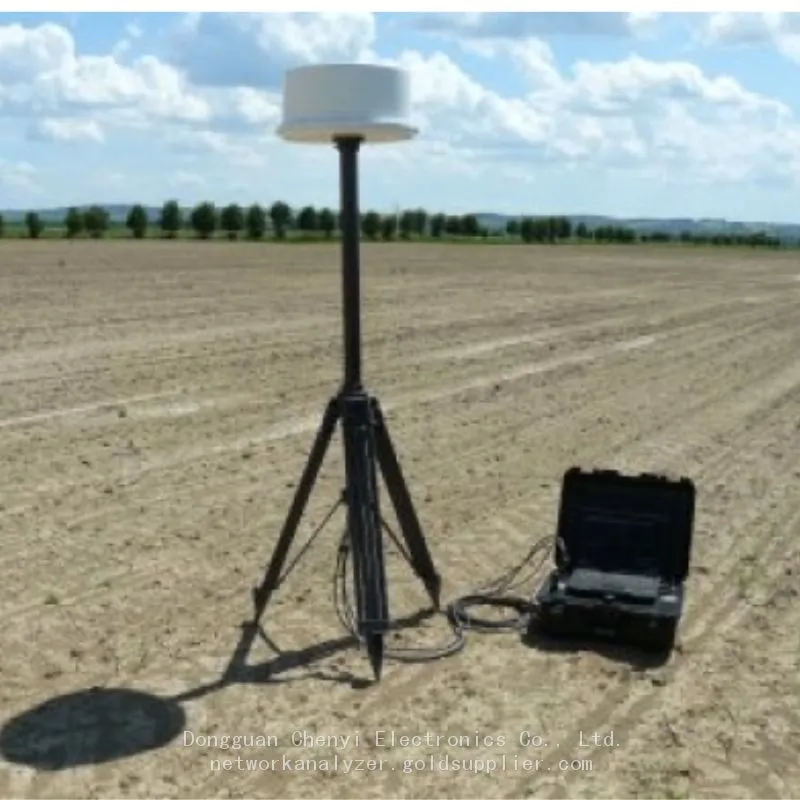
I. Core System Composition The entire system consists of three highly integrated and portable components for rapid deployment: Antenna Unit (Radome) - an 8-element broadband dipole circular array sealed within a fiberglass radome, featuring a built-in high-precision magnetoresistive digital compass that automatically provides magnetic north reference. Aperture: 500mm, with a compact size (approximately Ø405mm × 355mm high). Frequency Range: 100MHz–2000MHz (standard); with the addition of an HF antenna, it can be extended to 2MHz–100MHz. Receiver Unit - a dual-channel phase coherent SDR receiver (quasi-coherent variant WR-G39DDC), with one channel fixed to the reference antenna and the other channel capable of high-speed switching and scanning. 8-element broadband digital downconverter (DDC), with a bandwidth adjustable from 1Hz–320kHz. Processing and Control Unit - an industrial-grade laptop/tablet (Windows system) dedicated to direction finding software: real-time azimuth calculation, trajectory display, and data recording. II. Core Technology: Correlation Interferometer Principle The WD-7200 employs a correlation vector matching interferometer, rather than traditional Doppler or Watson-Watt, offering significantly enhanced accuracy and multipath resistance: Phase Difference Measurement - simultaneously measures the signal phase differences between 8 antenna elements. Correlation Comparison - performs correlation operations between the measured phase differences and the omnidirectional azimuth templates in the database. Peak Location - the angle with the highest correlation coefficient corresponds to the signal's incoming azimuth. Advantages: Ultra-high accuracy: typical 2° RMS, <0.5° after calibration. Instrument accuracy against multipath/reflection: statistical signal processing to suppress multipath interference. Fast signal acquisition: supports <50ms short burst signals (DMR/Tetra/P25). 360° omnidirectional coverage without blind spots. III. Key Specifications Frequency Range: 2MHz–2000MHz (HF/VHF/UHF full-band coverage). Direction Finding Accuracy: 2° RMS (in non-reflective environments); After calibration, <0.5° sensitivity: better than noise floor 3dB to stably measure direction-finding signal types: AM/SSB/CW/FM/PM/DMR/Tetra/P25 full-mode response speed: supports millisecond-level short signal output: azimuth angle (°), signal strength, spectrum, azimuth history trajectory deployment methods: portable tripod, vehicle-mounted, fixed station power supply: USB/DC 12V, low power consumption, suitable for field operation IV. Typical application scenarios military / tactical communication reconnaissance enemy radio station positioning, frequency monitoring, signal type identification law enforcement and security illegal radio station (black broadcasting / pseudo base station) positioning, interference source investigation spectrum management illegal signal search, frequency occupancy monitoring, interference traceability emergency and search and rescue emergency beacon (ELT/EPIRB), distress interphone positioning amateur radio (HAM) long-distance signal direction-finding, interference investigation, DX positioning
Recently Posted
-
Software-Defined Instruments: How USB Spectrum Analyzers Are Changing the RF Testing Industry
August 17, 20261. The Benchtop Instrument That Would Not Fit in a Carry-OnAn RF field engineer arrived at a remote cell site in a mountainous reg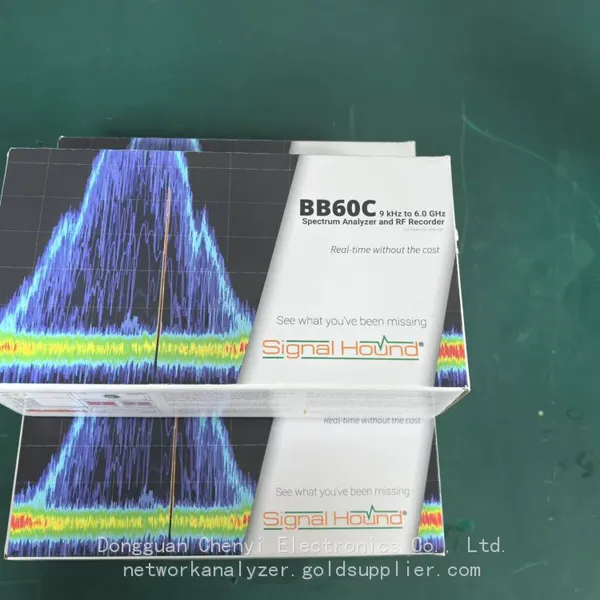 Read More
 -
Spectrum Monitoring Solutions for Broadcast Radio and Television Transmission Stations
August 17, 20261. When a 50 kW FM Transmitter Goes SilentA regional FM broadcaster serving roughly 2 million listeners lost its main transmitter Read More
 -
Understanding Spectrum Analyzer Key Specifications: DANL, Phase Noise, TOI, and RBW
August 14, 20261. The Specification That Cost Two Weeks of DebuggingAn RF design team spent two weeks trying to measure the third harmonic of a 2 Read More
 -
Real-Time Spectrum Analyzer vs Traditional Swept Spectrum Analyzer: Which One Fits Modern RF Testing
August 13, 20261. The Purchase Decision That Engineers Keep Getting WrongA test equipment manager at a contract manufacturer ordered three tradit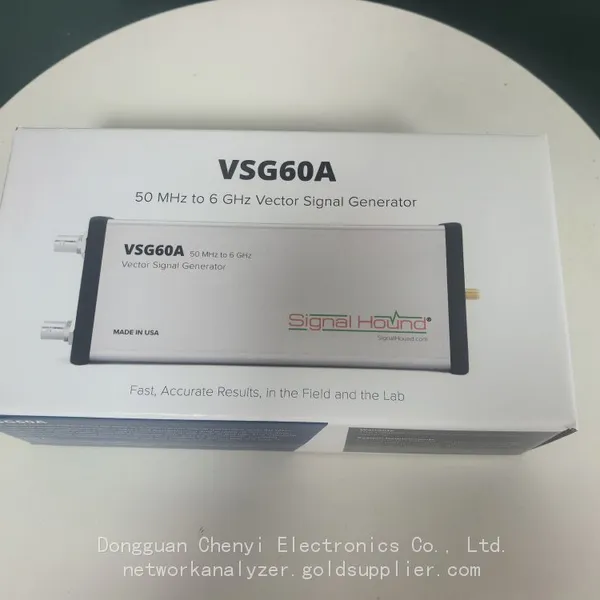 Read More

Contact Us
Recommended Products
-
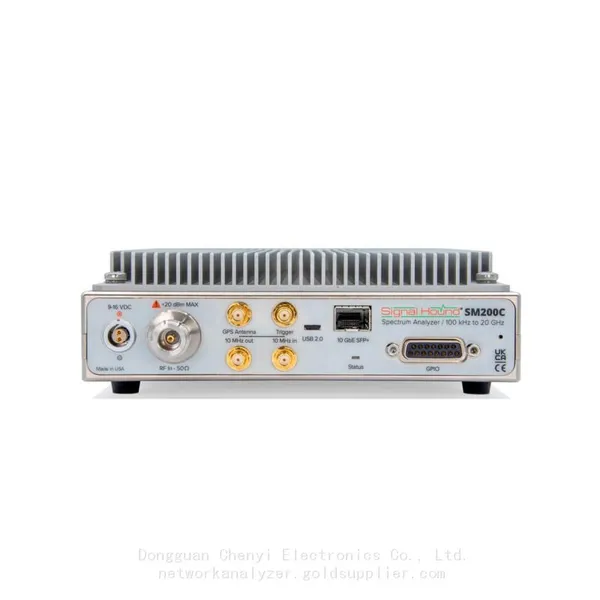
 Signal Hound SM200C 100 KHz to 20 GHz Real-time Spectrum Analyzer With 10GbE Monitoring ReceiversNegotiableMOQ: 1 Unit
 -
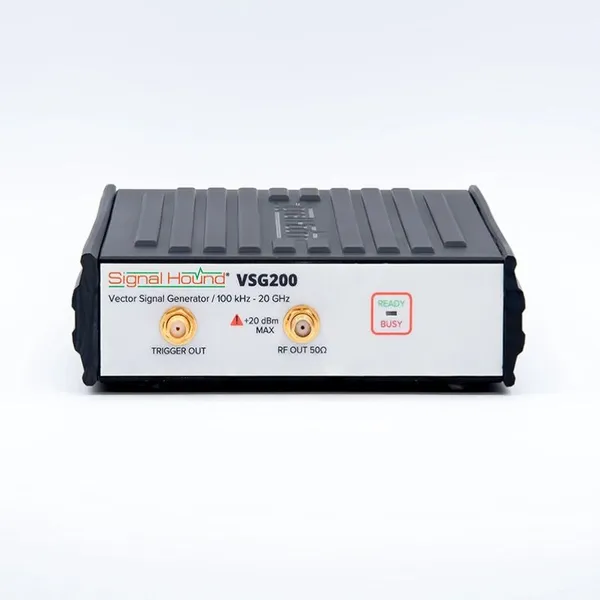
Signal Hound VSG200 Vector Signal Generator 100 KHz to 20 GHzNegotiableMOQ: 1 Unit
-
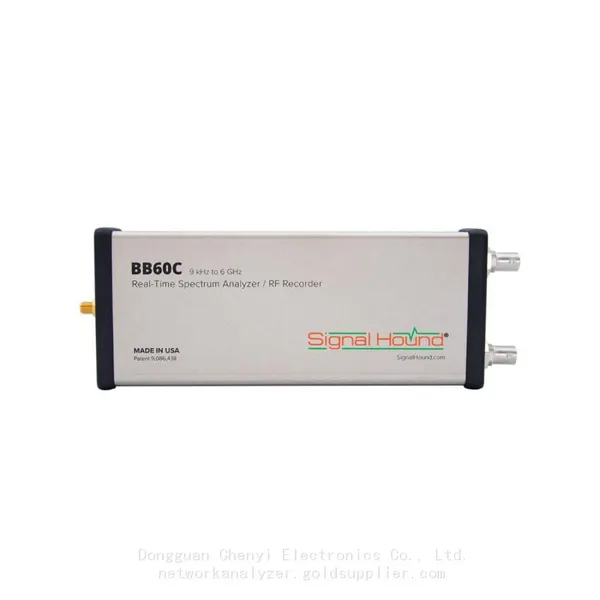
Signal Hound BB60C 9 KHz to 6 GHz Real-time Spectrum AnalyzerNegotiableMOQ: 1 Unit
-
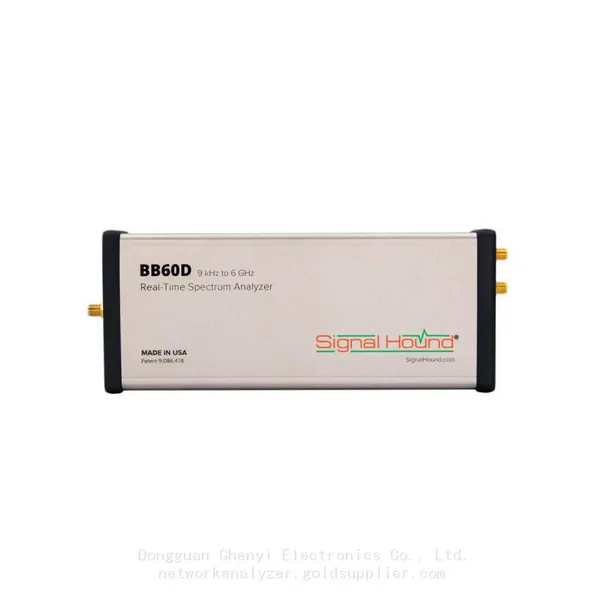
Signal Hound BB60D 9 KHz to 6 GHz Real-time Spectrum AnalyzerNegotiableMOQ: 1 Unit
-
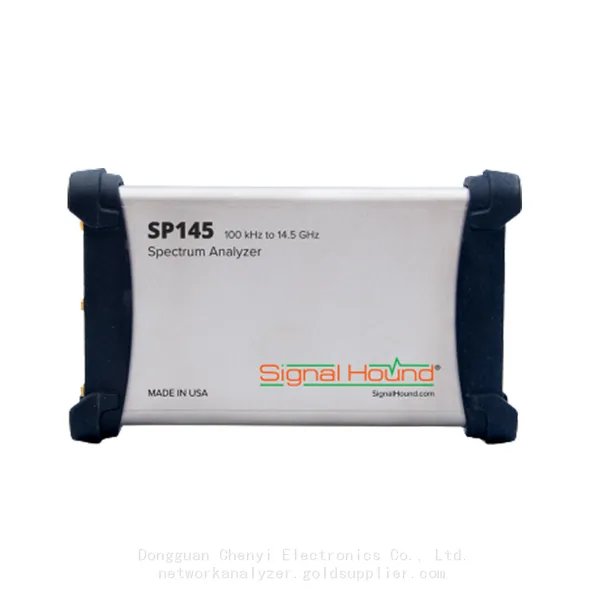
Signal Hound SP145 100 KHz to 14.5 GHz Real-time Spectrum Analyzer Monitoring ReceiversNegotiableMOQ: 1 Unit
-
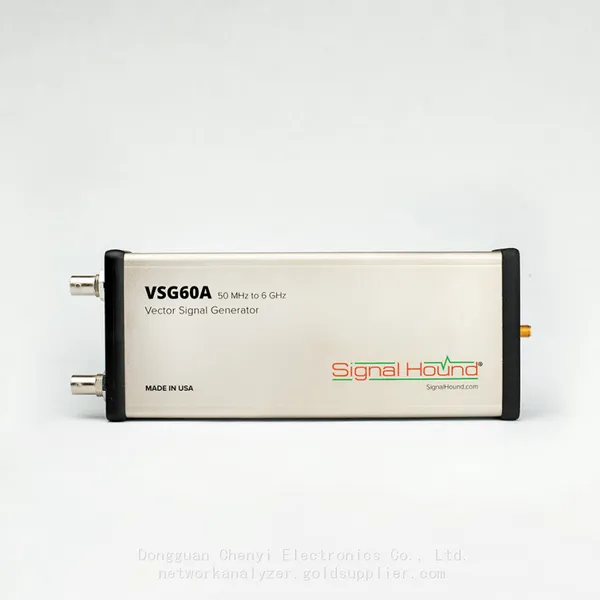
Signal Hound VSG60A 50 MHz to 6 GHz GHz Vector Signal GeneratorNegotiableMOQ: 1 Unit
-
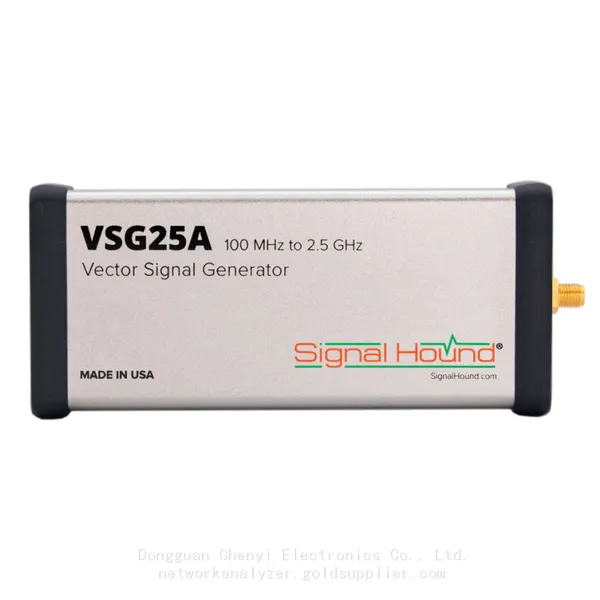
Signal Hound VSG25A 100 MHz to 2.5 GHz Vector Signal GeneratorNegotiableMOQ: 1 Unit
-
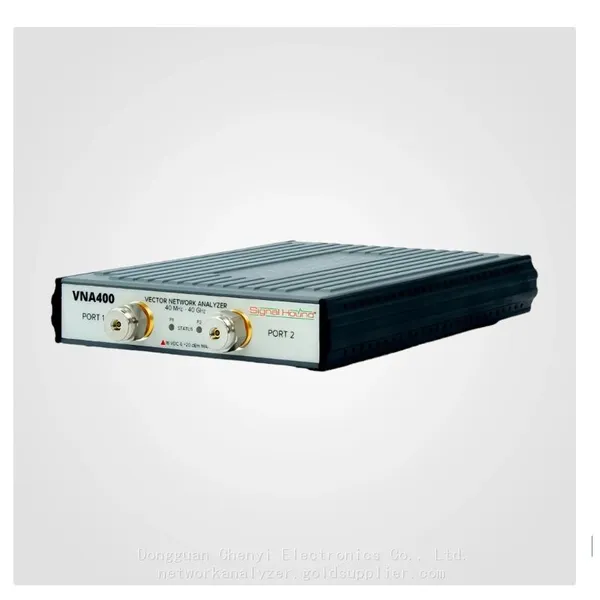
Signal Hound VNA400 40 MHz to 40 GHz 2-port Vector Network AnalyzerNegotiableMOQ: 1 Unit
-
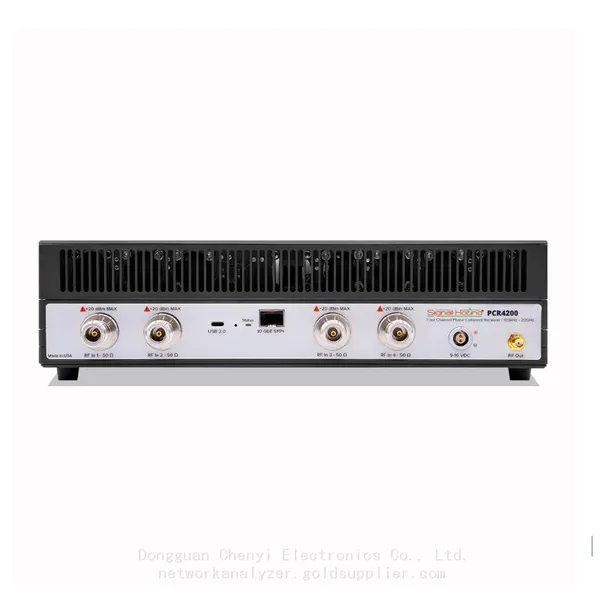
Signal Hound PCR4200 100 KHz to 20 GHz Four-Channel Phase Coherent ReceiverNegotiableMOQ: 1 Unit
-
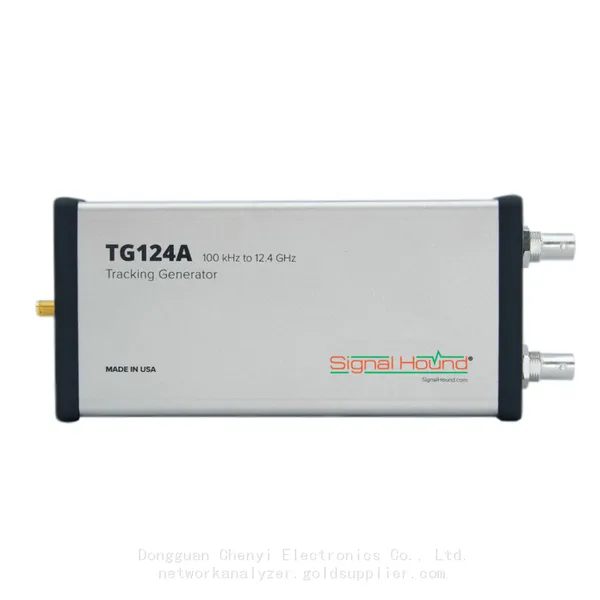
Signal Hound TG124A 100 KHz to 12.4 GHz Tracking GeneratorNegotiableMOQ: 1 Unit
-
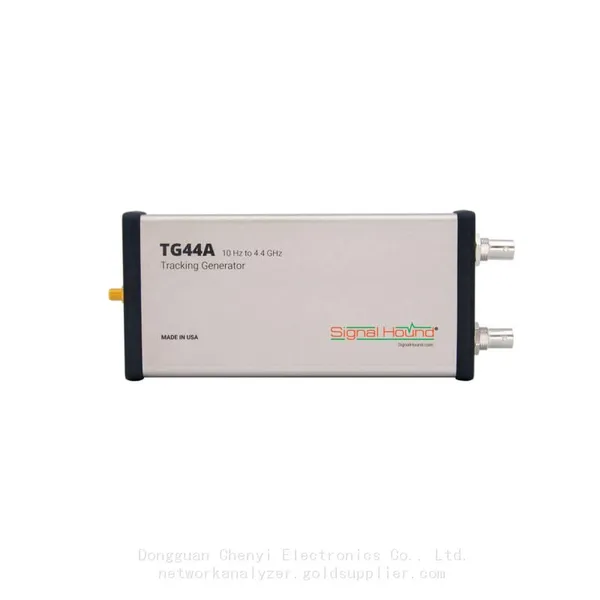
Signal Hound TG44A 10 Hz to 4.4 GHz t Tracking GeneratorNegotiableMOQ: 1 Unit
-
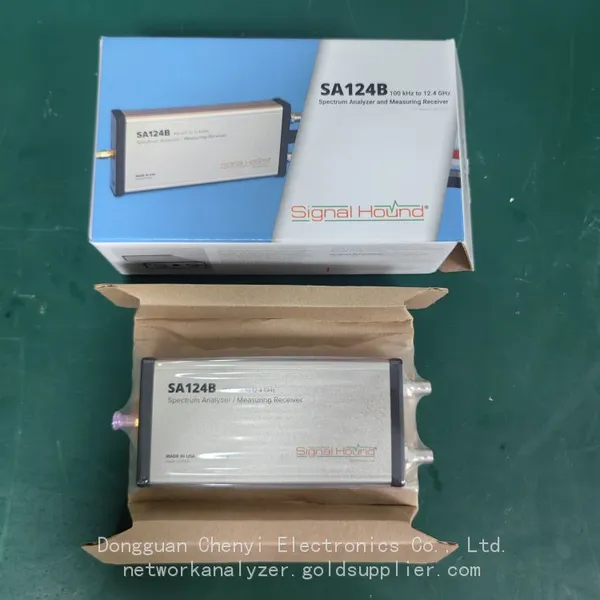
Signal Hound SA124B 100 KHz to 12.4 GHz Spectrum AnalyzerNegotiableMOQ: 1 Unit
-
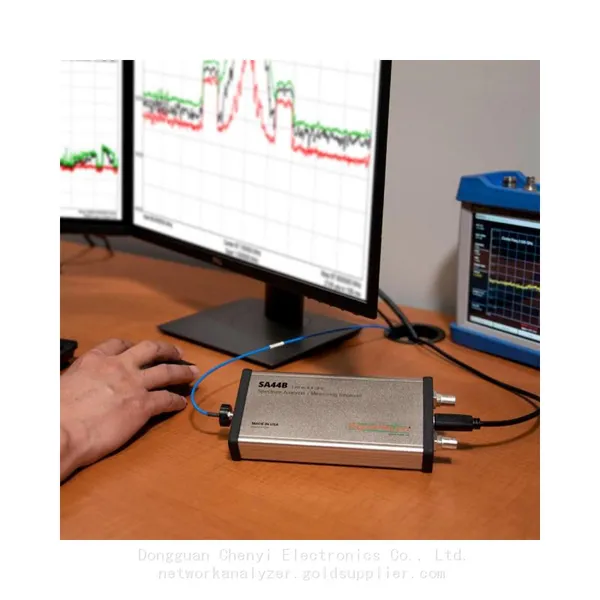
Signal Hound SA44B 1 Hz to 4.4 GHz Spectrum AnalyzerNegotiableMOQ: 1 Unit
-
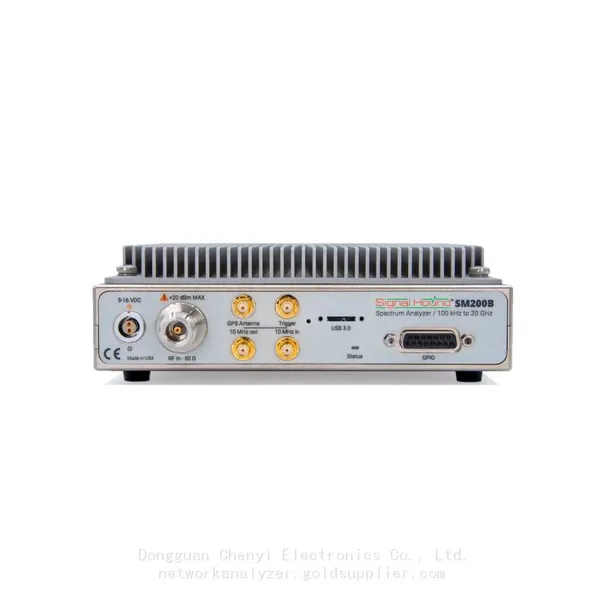
Signal Hound SM200B 100 KHz to 20 GHz Real-time Spectrum Analyzer Monitoring ReceiversNegotiableMOQ: 1 Unit
-
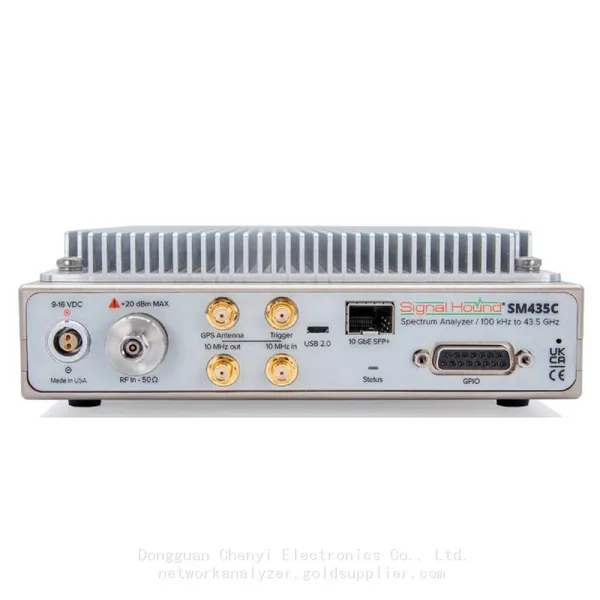
Signal Hound SM435C 100 KHz to 43.5GHz Real-time Spectrum Analyzer With 10GbE Monitoring ReceiversNegotiableMOQ: 1 Unit
-
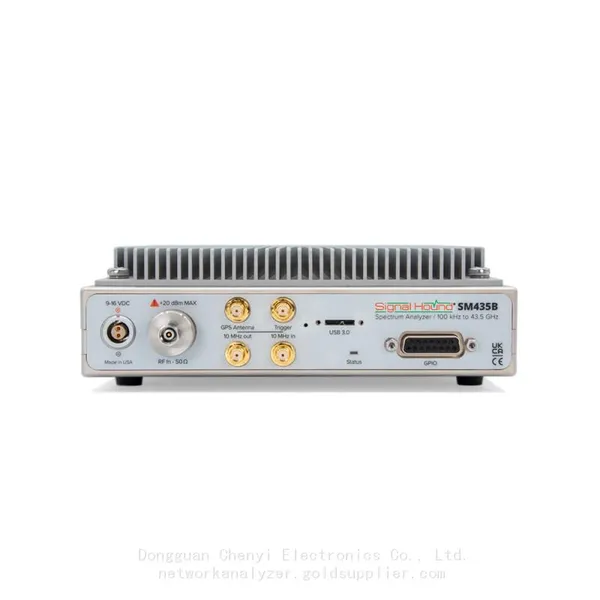
Signal Hound SM435B 100 KHz to 43.5GHz Real-time Spectrum Analyzer Monitoring ReceiversNegotiableMOQ: 1 Unit
-
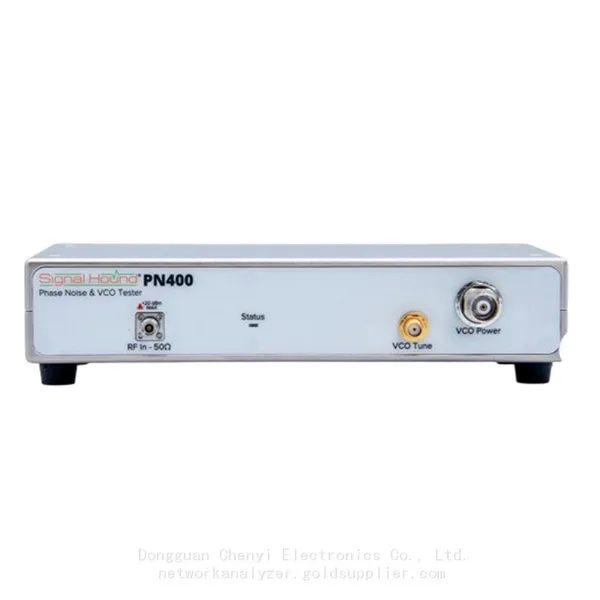
Signal Hound PN400 Phase Noise and VCO Test System 100 KHz to 43.5 GHzNegotiableMOQ: 1 Unit
-
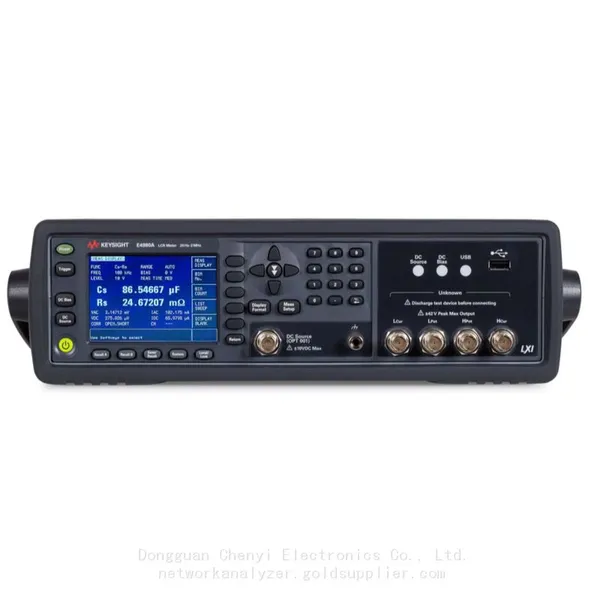
Keysight E4980A Precision LCR Meter 20 Hz to 2 MHzNegotiableMOQ: 1 Unit
-
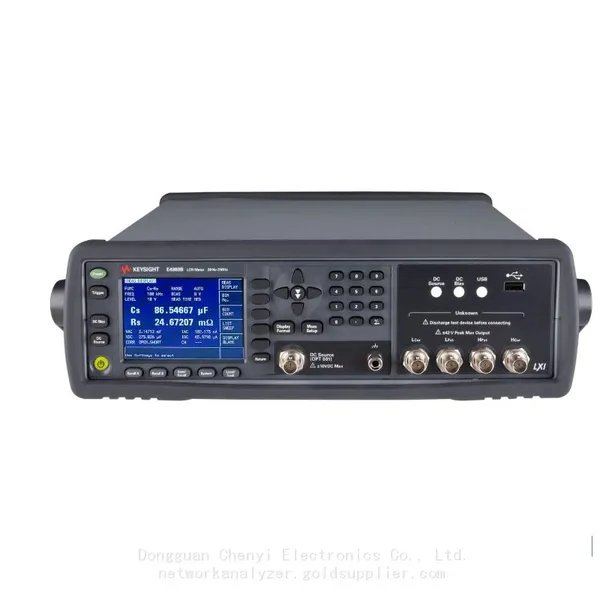
Keysight E4980B and E4980BL Precision LCR Meter 20 Hz to 2 MHzNegotiableMOQ: 1 Unit
-
Keysight U1733C Handheld LCR Meter 100Hz 120Hz 1kHz 10kHz 100kHzNegotiableMOQ: 1 Unit