
 Business License

-40℃ to +65℃ Ultra-Wide Temperature Range: BB60C Harsh Environment Testing Advantages
-40℃ to +65℃ Ultra-Wide Temperature Range: BB60C Harsh Environment Testing Advantages
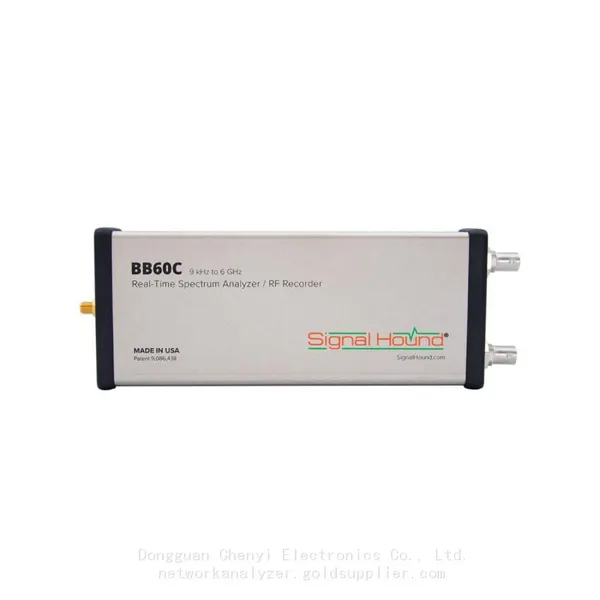
Most portable spectrum analyzers on the market can only work stably in conventional indoor room temperature environments (0°C to 70°C). Once facing extreme high temperature, low temperature, or severe temperature difference environments, problems such as test data drift, reduced sensitivity, equipment crash, and hardware damage are prone to occur, which cannot meet the spectrum testing needs of outdoor field work, industrial extreme environment monitoring, and special equipment environmental adaptability testing. The Signal Hound BB60C real-time spectrum analyzer has undergone professional extreme environment optimization, with an ultra-wide operating temperature range of -40°C to +65°C, becoming one of the few portable spectrum analyzers that can work stably in extreme harsh environments. This article elaborates on the BB60C’s technical advantages, working stability, and practical application value in high-temperature, low-temperature, and severe temperature difference environments.
The ultra-wide temperature adaptability of the BB60C benefits from its optimized hardware structure and component selection. Different from ordinary portable analyzers that use conventional civilian-grade components, the BB60C adopts industrial-grade high-temperature and low-temperature resistant electronic components, which can maintain stable electrical performance in extreme temperature environments without parameter drift. The internal circuit board adopts high-temperature resistant substrate and anti-aging welding process, avoiding circuit failure caused by high-temperature aging or low-temperature brittleness. The sealed aluminum alloy shell has excellent heat dissipation and thermal insulation performance, which can isolate external extreme temperature impact and keep the internal working temperature of the equipment stable. At the same time, the equipment is equipped with an intelligent temperature sensing and compensation system, which automatically adjusts signal processing parameters according to the ambient temperature, ensuring consistent test accuracy in the full temperature range.
In high-temperature environment testing scenarios, the BB60C can work stably at a maximum temperature of +65°C, fully adapting to high-temperature working conditions such as summer outdoor field testing, industrial workshop high-temperature operation, and high-temperature aging testing of electronic equipment. In outdoor base station debugging in high-temperature summer areas, traditional portable analyzers are prone to overheating protection, data distortion, and equipment shutdown after long-term exposure to high temperature. The BB60C’s high-temperature resistance design enables 24-hour uninterrupted stable operation in high-temperature environments, with no attenuation of signal test accuracy and no drift of spectrum data. In industrial high-temperature workshops such as chemical industry, metallurgy, and machinery manufacturing, it can accurately collect electromagnetic interference signals of high-temperature operating equipment, providing reliable data support for industrial equipment EMI testing and fault diagnosis.
In low-temperature extreme environments, the BB60C’s minimum operating temperature of -40°C fully meets the testing needs of alpine region field work, low-temperature laboratory calibration, and special equipment low-temperature adaptability testing. In winter low-temperature field spectrum monitoring in high-latitude regions, traditional testing equipment cannot start normally or has serious signal sensitivity attenuation. The BB60C’s low-temperature resistant components and circuit design ensure normal startup and stable operation in -40°C low-temperature environments, maintaining complete signal resolution and test accuracy. In scientific research laboratories’ low-temperature environment simulation experiments and aerospace equipment low-temperature electromagnetic performance testing, the BB60C can accurately capture low-temperature state signal changes, providing authentic and effective experimental data for scientific research and product R&D.
In addition to extreme high and low temperature resistance, the BB60C also has excellent temperature difference adaptability, capable of stable operation in rapid temperature change environments. In field testing scenarios with large day and night temperature differences, the equipment will not have data mutation or hardware failure due to rapid temperature changes. Its internal temperature compensation algorithm can quickly respond to ambient temperature changes, dynamically calibrate test parameters, and ensure continuous and stable test data. This performance is very suitable for outdoor long-term unattended spectrum monitoring projects that need to adapt to day and night temperature differences and seasonal temperature changes.
Compared with the previous-generation BB60A model (0°C-65°C operating temperature), the BB60C’s temperature range is greatly expanded, covering almost all conventional and extreme working environments of portable spectrum analyzers. It completely solves the industry pain point that portable spectrum analyzers cannot adapt to harsh environment testing, and expands the application boundary of portable spectrum analysis equipment. For engineering teams that need long-term outdoor field operations and scientific research institutions that need extreme environment experimental testing, the BB60C’s ultra-wide temperature adaptability greatly improves the equipment’s utilization rate and scene coverage.
In terms of practical application cases, the BB60C has achieved stable operation in multiple global extreme environment projects. In high-temperature desert spectrum monitoring projects, the equipment maintains 7×24-hour stable operation under 65°C+ high-temperature outdoor environment; in alpine region winter base station testing, it completes high-precision signal testing at -35°C low temperature; in industrial high-temperature furnace equipment electromagnetic testing, it accurately collects high-temperature working state interference signals. A large number of practical applications have verified the BB60C’s reliable stability in extreme environments.
It is worth mentioning that while realizing ultra-wide temperature adaptability, the BB60C does not sacrifice any core signal performance. Its upgraded SFDR, flattened noise floor, and high-speed real-time signal capture capability remain fully effective in extreme temperature environments, ensuring that high environmental adaptability and high test accuracy are achieved at the same time. This balanced performance advantage is rare in similar portable spectrum analyzers.
In conclusion, the Signal Hound BB60C’s -40℃ to +65℃ ultra-wide temperature working range and professional extreme environment optimization design enable it to adapt to almost all harsh testing environments. It is the most reliable portable spectrum analysis tool for outdoor field testing, industrial extreme environment monitoring, and special equipment environmental adaptability testing, and provides strong technical support for global harsh environment RF testing work.
Recently Posted
-
Software-Defined Instruments: How USB Spectrum Analyzers Are Changing the RF Testing Industry
August 17, 20261. The Benchtop Instrument That Would Not Fit in a Carry-OnAn RF field engineer arrived at a remote cell site in a mountainous reg Read More
 -
Spectrum Monitoring Solutions for Broadcast Radio and Television Transmission Stations
August 17, 20261. When a 50 kW FM Transmitter Goes SilentA regional FM broadcaster serving roughly 2 million listeners lost its main transmitter Read More
 -
Understanding Spectrum Analyzer Key Specifications: DANL, Phase Noise, TOI, and RBW
August 14, 20261. The Specification That Cost Two Weeks of DebuggingAn RF design team spent two weeks trying to measure the third harmonic of a 2 Read More
 -
Real-Time Spectrum Analyzer vs Traditional Swept Spectrum Analyzer: Which One Fits Modern RF Testing
August 13, 20261. The Purchase Decision That Engineers Keep Getting WrongA test equipment manager at a contract manufacturer ordered three tradit Read More

Contact Us
Recommended Products
-
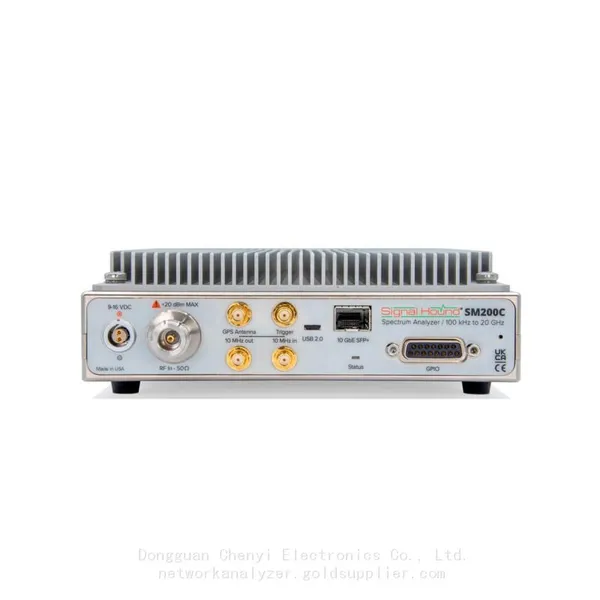
 Signal Hound SM200C 100 KHz to 20 GHz Real-time Spectrum Analyzer With 10GbE Monitoring ReceiversNegotiableMOQ: 1 Unit
 -
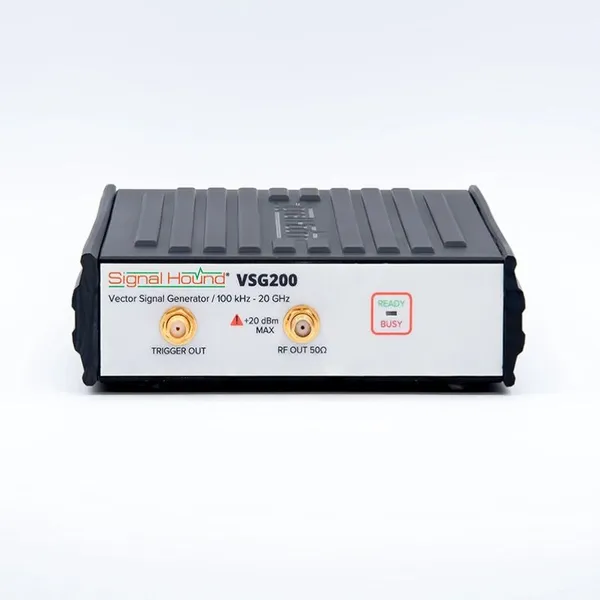
Signal Hound VSG200 Vector Signal Generator 100 KHz to 20 GHzNegotiableMOQ: 1 Unit
-
Signal Hound BB60C 9 KHz to 6 GHz Real-time Spectrum AnalyzerNegotiableMOQ: 1 Unit
-
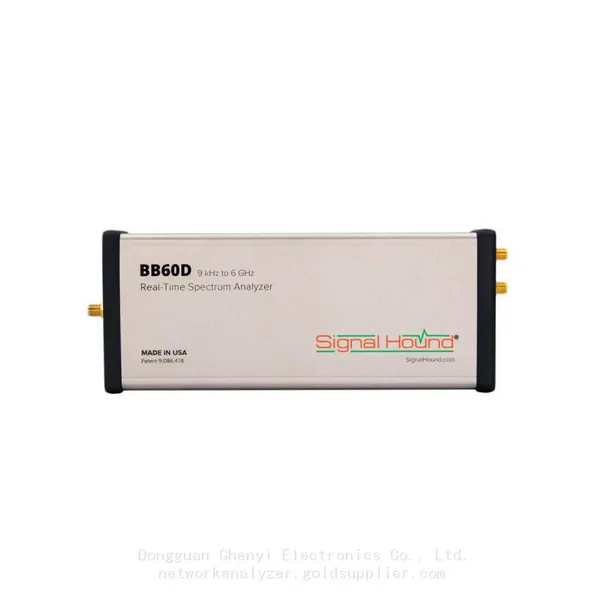
Signal Hound BB60D 9 KHz to 6 GHz Real-time Spectrum AnalyzerNegotiableMOQ: 1 Unit
-
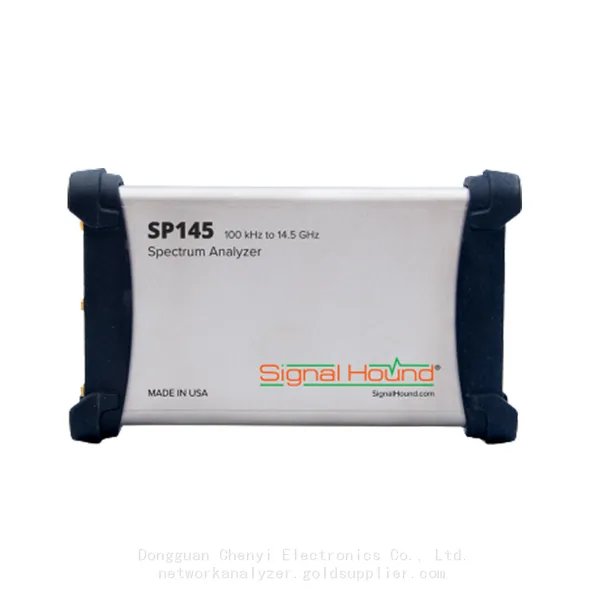
Signal Hound SP145 100 KHz to 14.5 GHz Real-time Spectrum Analyzer Monitoring ReceiversNegotiableMOQ: 1 Unit
-
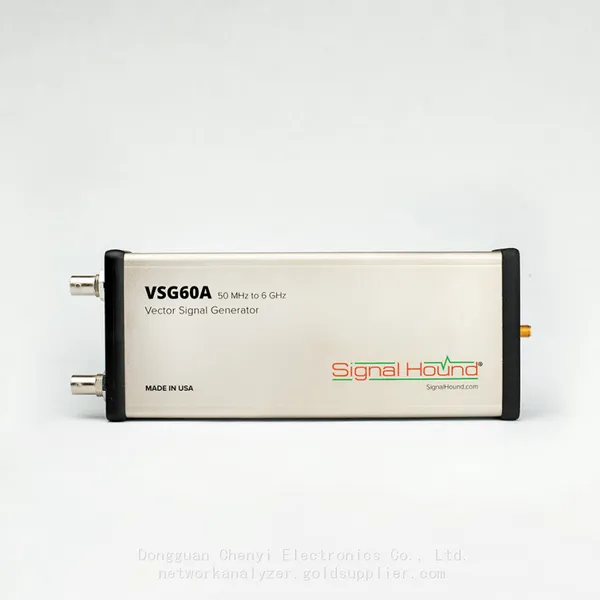
Signal Hound VSG60A 50 MHz to 6 GHz GHz Vector Signal GeneratorNegotiableMOQ: 1 Unit
-
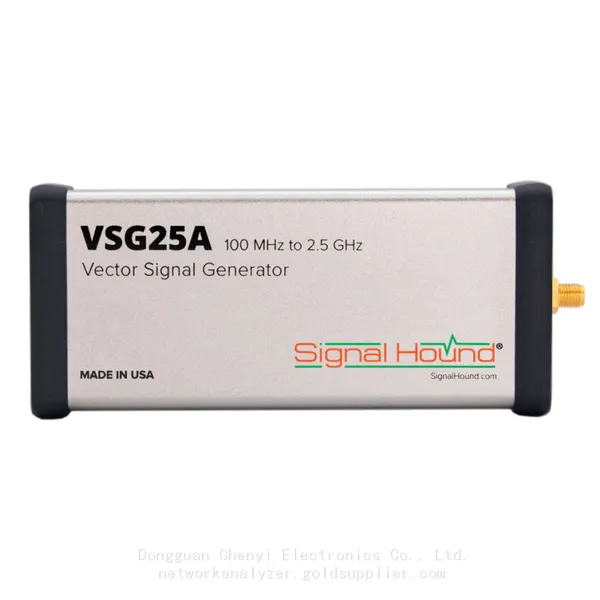
Signal Hound VSG25A 100 MHz to 2.5 GHz Vector Signal GeneratorNegotiableMOQ: 1 Unit
-
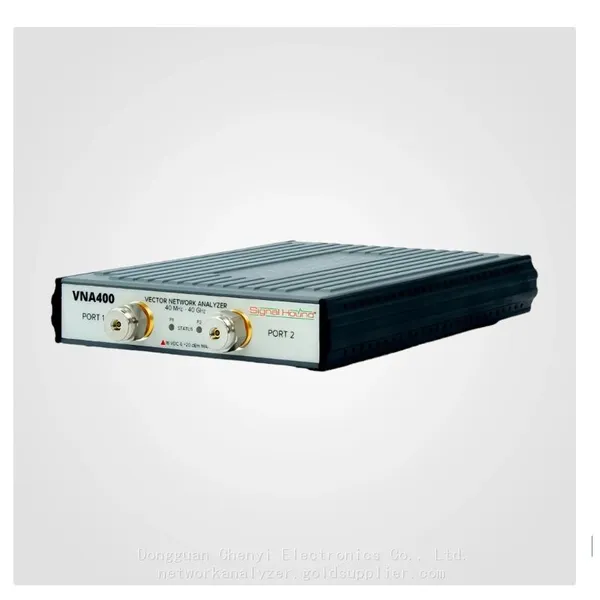
Signal Hound VNA400 40 MHz to 40 GHz 2-port Vector Network AnalyzerNegotiableMOQ: 1 Unit
-
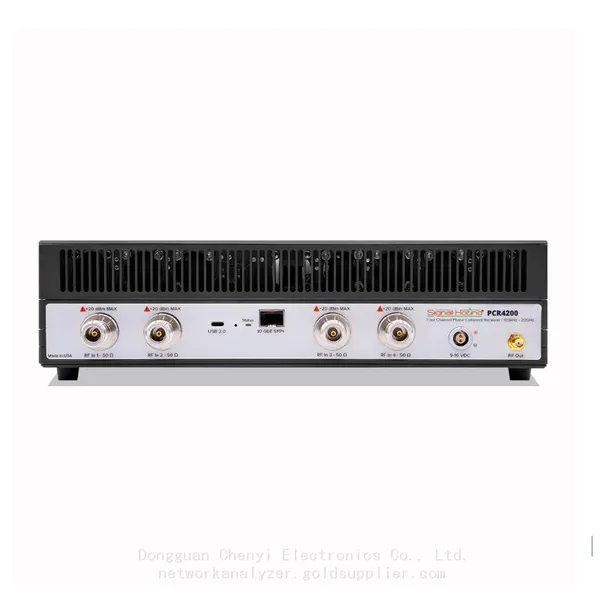
Signal Hound PCR4200 100 KHz to 20 GHz Four-Channel Phase Coherent ReceiverNegotiableMOQ: 1 Unit
-
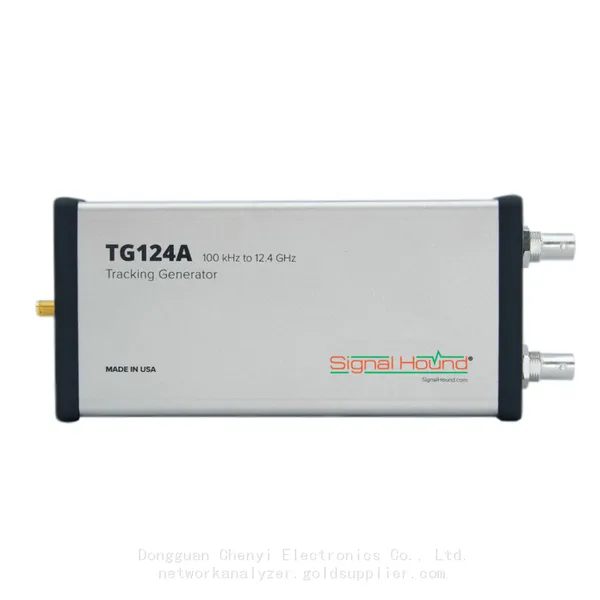
Signal Hound TG124A 100 KHz to 12.4 GHz Tracking GeneratorNegotiableMOQ: 1 Unit
-
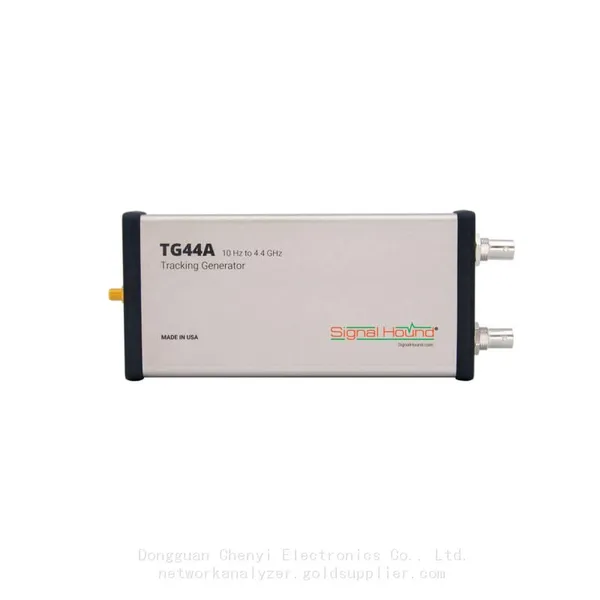
Signal Hound TG44A 10 Hz to 4.4 GHz t Tracking GeneratorNegotiableMOQ: 1 Unit
-
Signal Hound SA124B 100 KHz to 12.4 GHz Spectrum AnalyzerNegotiableMOQ: 1 Unit
-
Signal Hound SA44B 1 Hz to 4.4 GHz Spectrum AnalyzerNegotiableMOQ: 1 Unit
-
Signal Hound SM200B 100 KHz to 20 GHz Real-time Spectrum Analyzer Monitoring ReceiversNegotiableMOQ: 1 Unit
-
Signal Hound SM435C 100 KHz to 43.5GHz Real-time Spectrum Analyzer With 10GbE Monitoring ReceiversNegotiableMOQ: 1 Unit
-
Signal Hound SM435B 100 KHz to 43.5GHz Real-time Spectrum Analyzer Monitoring ReceiversNegotiableMOQ: 1 Unit
-
Signal Hound PN400 Phase Noise and VCO Test System 100 KHz to 43.5 GHzNegotiableMOQ: 1 Unit
-
Keysight E4980A Precision LCR Meter 20 Hz to 2 MHzNegotiableMOQ: 1 Unit
-
Keysight E4980B and E4980BL Precision LCR Meter 20 Hz to 2 MHzNegotiableMOQ: 1 Unit
-
Keysight U1733C Handheld LCR Meter 100Hz 120Hz 1kHz 10kHz 100kHzNegotiableMOQ: 1 Unit