
 Business License

20dB Improved SFDR: How BB60C Boosts Weak Signal Detection Accuracy
20dB Improved SFDR: How BB60C Boosts Weak Signal Detection Accuracy
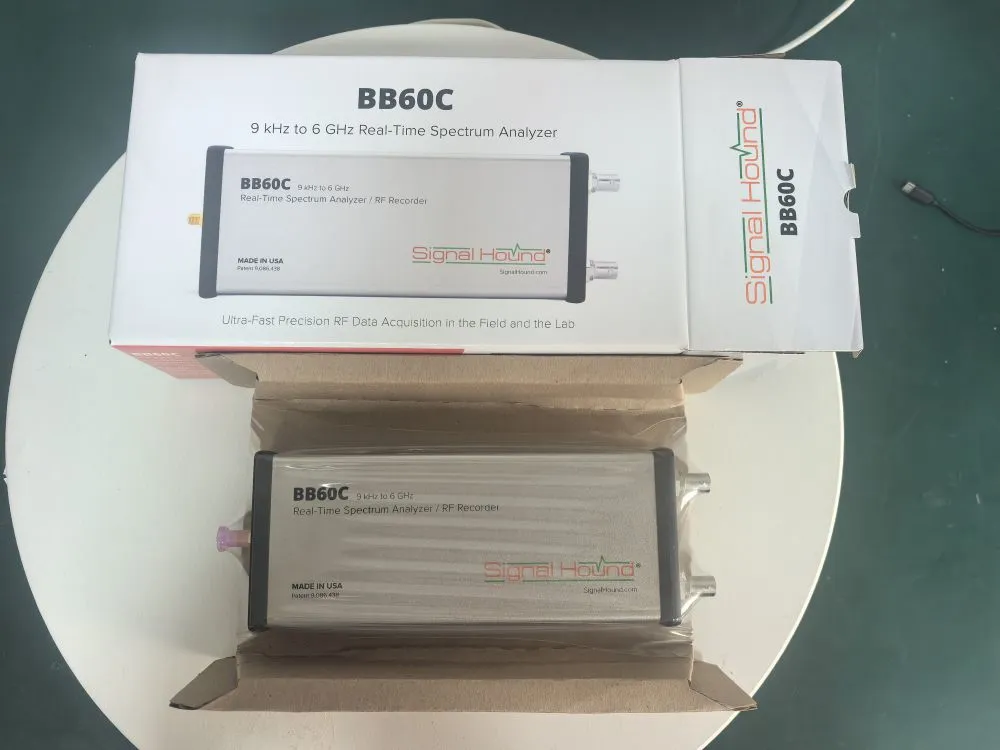
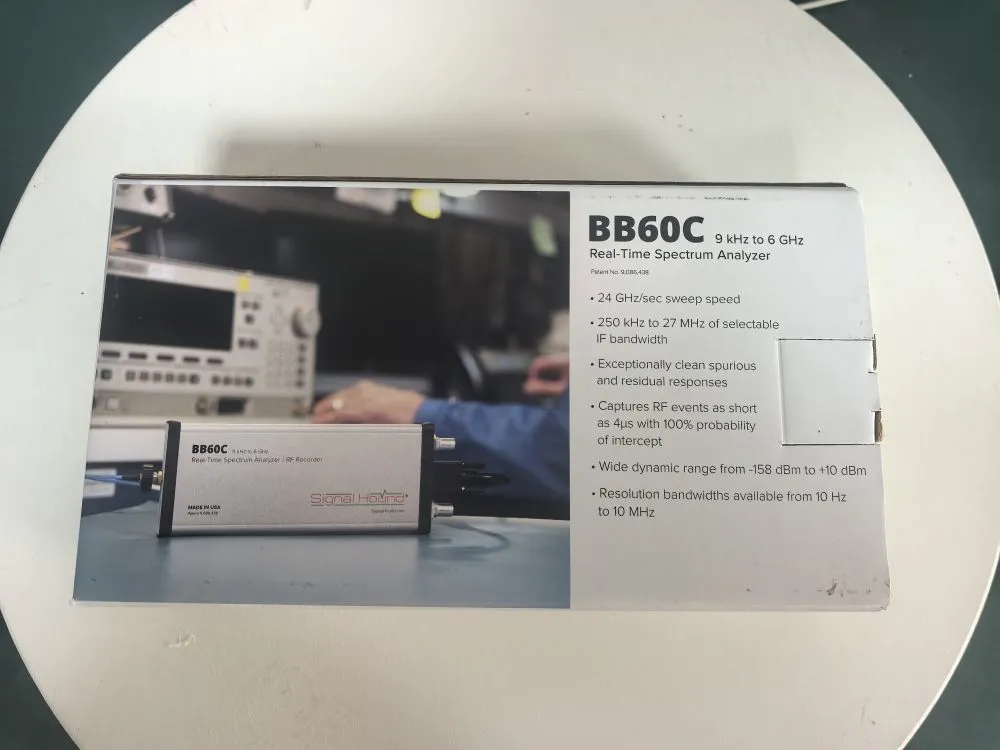
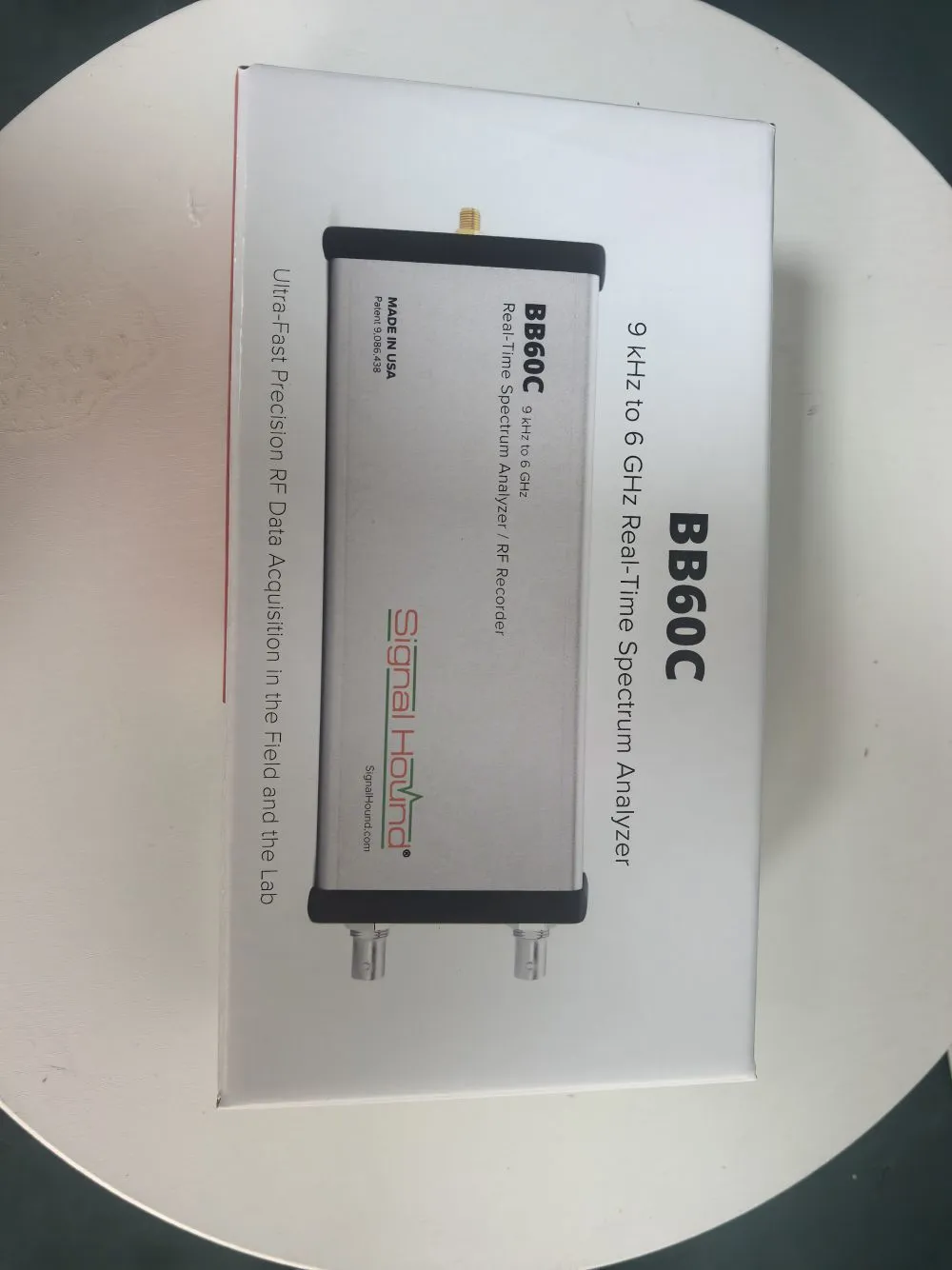
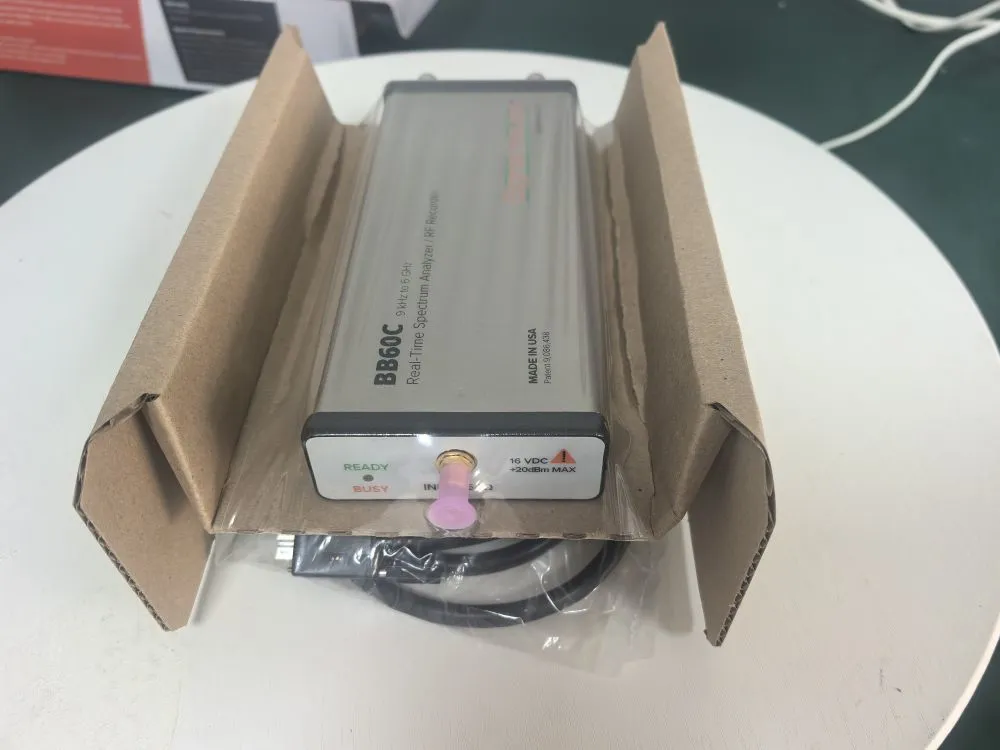
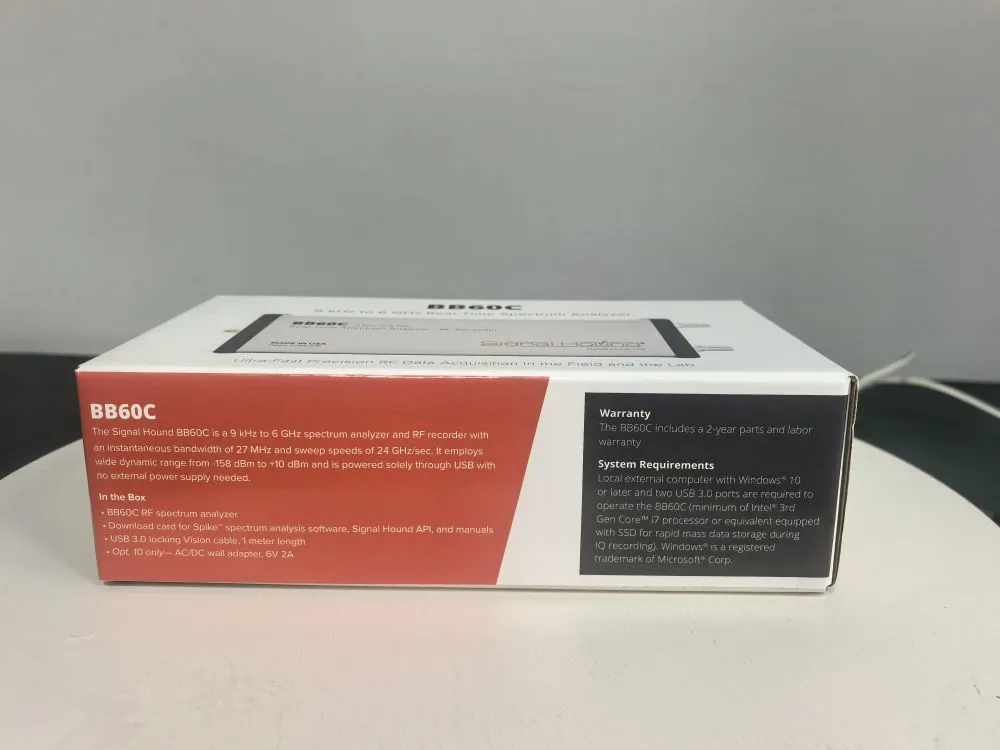
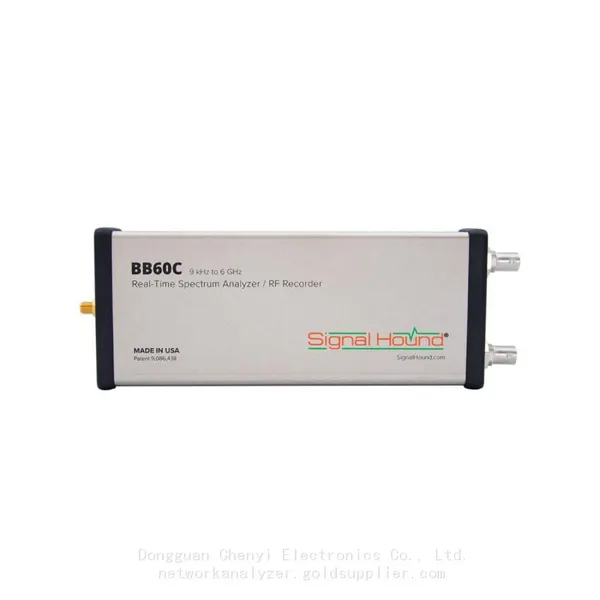
Spurious-Free Dynamic Range (SFDR) is one of the most critical technical indicators of spectrum analyzers, which directly determines the equipment’s ability to suppress internal spurious signals and detect weak target signals under strong interference backgrounds. In modern high-precision RF testing scenarios such as EMI weak radiation detection, low-power IoT signal testing, and adjacent-channel interference analysis, low SFDR will lead to serious problems such as false signal display, weak signal missing detection, and inaccurate signal power measurement. The Signal Hound BB60C real-time spectrum analyzer achieves a typical 20 dB SFDR improvement compared with the previous generation model, greatly enhancing weak signal detection capability and anti-interference performance. This article professionally analyzes the technical principle of BB60C’s SFDR upgrade and its practical value in improving high-precision spectrum testing accuracy.
To understand the core value of the BB60C’s 20 dB SFDR upgrade, we first need to clarify the working principle of SFDR. SFDR refers to the dynamic range between the maximum effective signal and the maximum spurious signal generated by the equipment itself. The higher the SFDR value, the weaker the internal spurious signal interference of the equipment, the stronger the ability to distinguish weak target signals. Traditional portable spectrum analyzers have limited SFDR performance, and internal harmonic distortion, intermodulation distortion, and circuit noise will generate obvious spurious signals. When testing weak low-power signals, these internal spurious signals will overlap with the target signal, causing signal distortion and making engineers unable to accurately identify real target signals and interference signals.
The Signal Hound BB60C realizes a 20 dB SFDR leap through three core technical optimizations. First, it adopts a new generation of high-linearity RF front-end circuit design, which greatly reduces the nonlinear distortion of the circuit during signal amplification and processing, and suppresses the generation of harmonic spurious signals from the source. Second, it optimizes the digital signal processing algorithm, adds intelligent spurious signal filtering and identification functions, and automatically filters internal invalid spurious signals without affecting the collection of real external signals. Third, it upgrades the high-precision ADC sampling chip, improves signal sampling accuracy and linearity, and reduces sampling distortion and intermodulation spurious signals generated during digital signal conversion.
The 20 dB SFDR improvement brings a qualitative leap in the BB60C’s weak signal detection capability. In practical testing, 20 dB performance improvement means that the equipment’s ability to suppress internal interference is increased by 10 times, and the detectable minimum weak signal power is reduced exponentially. For low-power wireless signals such as IoT sensor modules, Bluetooth low-energy signals, and LoRa ultra-low-power communication signals, which are difficult to detect by ordinary spectrum analyzers, the BB60C can accurately capture and analyze their frequency, power, and stability parameters. In adjacent-channel signal testing scenarios, it can clearly distinguish target signals and adjacent-channel interference signals with extremely small power differences, realizing high-precision adjacent-channel isolation testing.
In EMI/EMC compliance testing, the BB60C’s high SFDR performance solves the industry’s common pain point of weak radiation signal detection. Electronic equipment’s electromagnetic radiation contains a large number of ultra-weak stray signals, which are easily submerged in the internal spurious noise of ordinary testing equipment, resulting in incomplete test data and failure to meet certification standards. The BB60C’s ultra-high SFDR can effectively suppress internal noise interference, accurately capture all weak radiation signals of equipment, and provide complete and accurate data for EMI certification testing, helping enterprises smoothly pass international electromagnetic compatibility certification.
In complex strong interference environment testing, the BB60C’s high SFDR advantage is more prominent. In industrial parks, urban core areas, and communication base station clusters, the background RF signal interference is strong, and weak target signals are easily covered by strong background noise. Ordinary portable analyzers cannot distinguish target signals from interference signals, resulting in invalid test data. The BB60C’s excellent spurious suppression capability can filter out internal and external invalid interference signals, accurately extract weak target signals from complex signal environments, and complete high-precision signal analysis and fault positioning.
Compared with competing portable spectrum analyzers on the market, the BB60C’s SFDR performance is far ahead of products of the same grade. Most ordinary portable spectrum analyzers have an SFDR of less than 80 dB, while the BB60C’s upgraded SFDR reaches a professional high level, close to the performance of high-end bench-top spectrum analyzers. It realizes high-precision weak signal detection at portable equipment cost, filling the performance gap of high-precision portable spectrum analysis in the industry.
In long-term continuous monitoring scenarios, high SFDR performance also ensures the stability and consistency of test data. Ordinary equipment will generate cumulative spurious signal drift during long-term operation, resulting in gradual distortion of monitoring data. The BB60C’s optimized circuit and algorithm design ensure no increase in internal spurious signals during long-term working, maintaining stable weak signal detection accuracy for a long time, which is very suitable for 24-hour unattended spectrum monitoring and long-term equipment signal stability testing.
In summary, the 20 dB SFDR upgrade of the Signal Hound BB60C is a core qualitative improvement in professional testing performance. It greatly enhances the equipment’s weak signal detection capability, spurious suppression capability, and complex environment anti-interference capability, solves multiple pain points of traditional portable spectrum analyzers in high-precision testing, and provides accurate and reliable data support for EMI testing, IoT product R&D, communication signal optimization, and spectrum monitoring.
Recently Posted
-
Software-Defined Instruments: How USB Spectrum Analyzers Are Changing the RF Testing Industry
August 17, 20261. The Benchtop Instrument That Would Not Fit in a Carry-OnAn RF field engineer arrived at a remote cell site in a mountainous reg Read More
 -
Spectrum Monitoring Solutions for Broadcast Radio and Television Transmission Stations
August 17, 20261. When a 50 kW FM Transmitter Goes SilentA regional FM broadcaster serving roughly 2 million listeners lost its main transmitter Read More
 -
Understanding Spectrum Analyzer Key Specifications: DANL, Phase Noise, TOI, and RBW
August 14, 20261. The Specification That Cost Two Weeks of DebuggingAn RF design team spent two weeks trying to measure the third harmonic of a 2 Read More
 -
Real-Time Spectrum Analyzer vs Traditional Swept Spectrum Analyzer: Which One Fits Modern RF Testing
August 13, 20261. The Purchase Decision That Engineers Keep Getting WrongA test equipment manager at a contract manufacturer ordered three tradit Read More

Contact Us
Recommended Products
-
 Signal Hound SM200C 100 KHz to 20 GHz Real-time Spectrum Analyzer With 10GbE Monitoring ReceiversNegotiableMOQ: 1 Unit
 -
Signal Hound VSG200 Vector Signal Generator 100 KHz to 20 GHzNegotiableMOQ: 1 Unit
-
Signal Hound BB60C 9 KHz to 6 GHz Real-time Spectrum AnalyzerNegotiableMOQ: 1 Unit
-
Signal Hound BB60D 9 KHz to 6 GHz Real-time Spectrum AnalyzerNegotiableMOQ: 1 Unit
-
Signal Hound SP145 100 KHz to 14.5 GHz Real-time Spectrum Analyzer Monitoring ReceiversNegotiableMOQ: 1 Unit
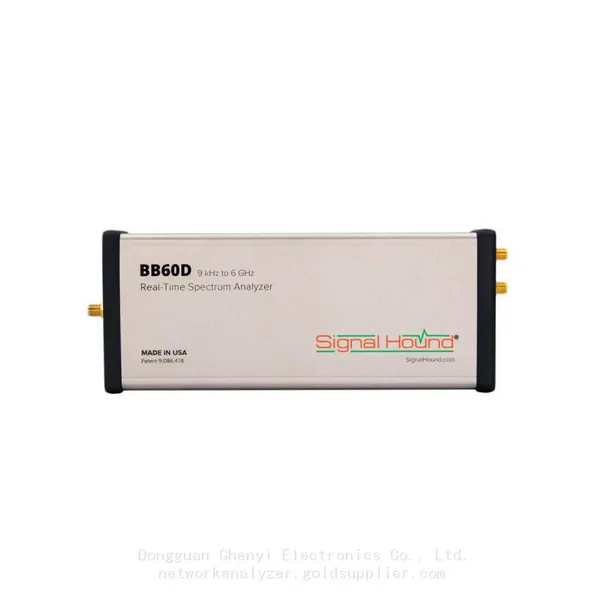
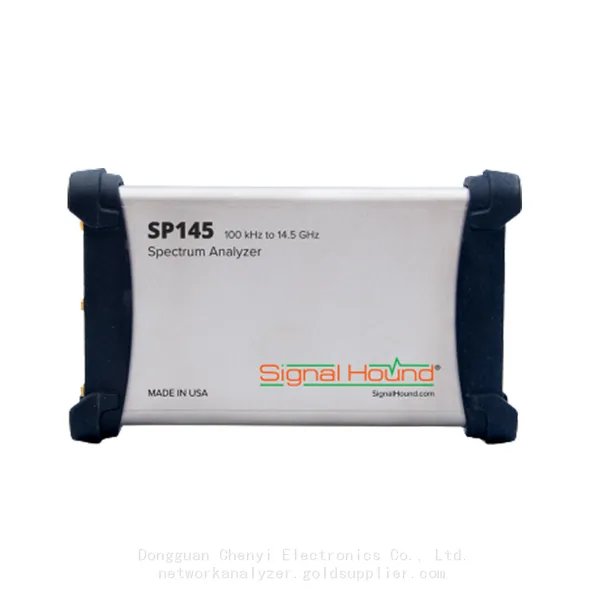
-
Signal Hound VSG60A 50 MHz to 6 GHz GHz Vector Signal GeneratorNegotiableMOQ: 1 Unit
-
Signal Hound VSG25A 100 MHz to 2.5 GHz Vector Signal GeneratorNegotiableMOQ: 1 Unit
-
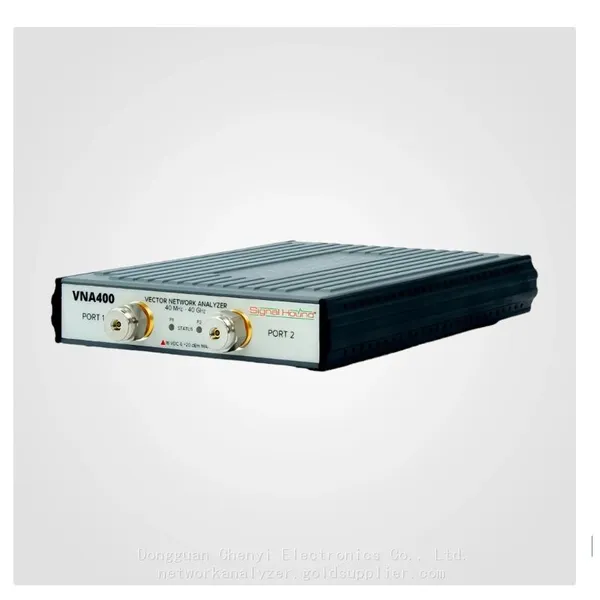
Signal Hound VNA400 40 MHz to 40 GHz 2-port Vector Network AnalyzerNegotiableMOQ: 1 Unit
-
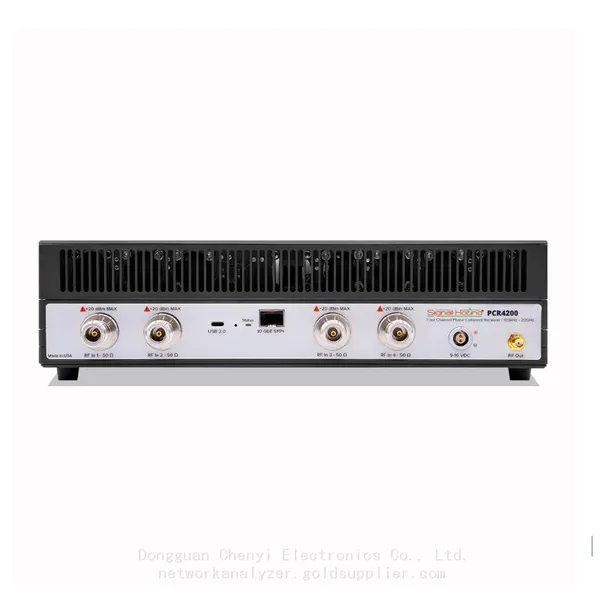
Signal Hound PCR4200 100 KHz to 20 GHz Four-Channel Phase Coherent ReceiverNegotiableMOQ: 1 Unit
-
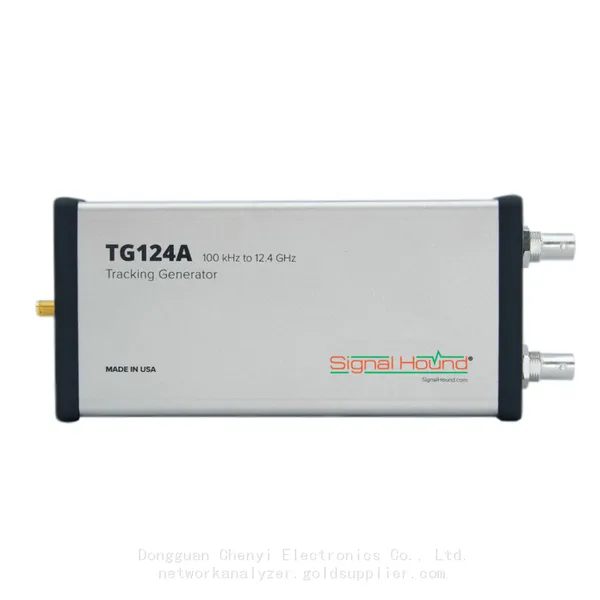
Signal Hound TG124A 100 KHz to 12.4 GHz Tracking GeneratorNegotiableMOQ: 1 Unit
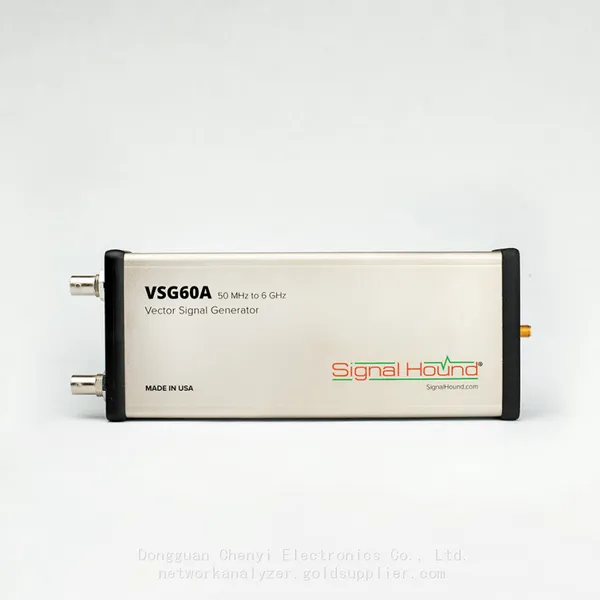
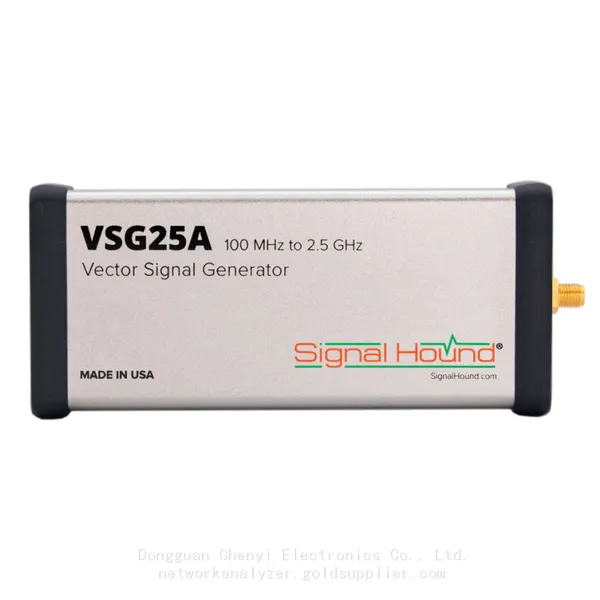
-
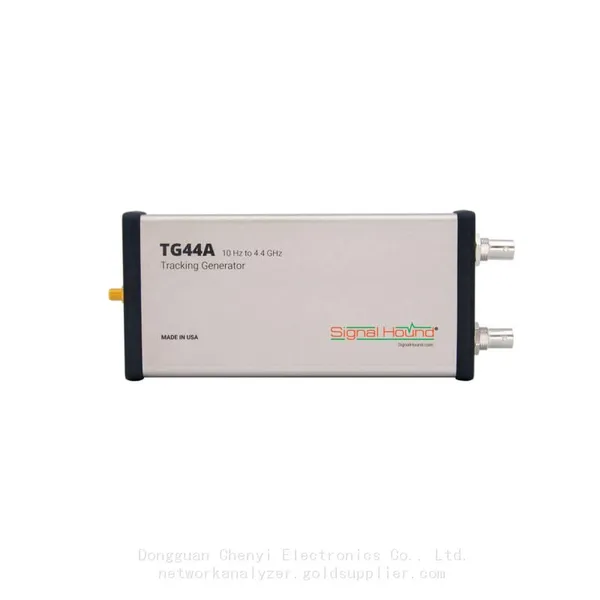
Signal Hound TG44A 10 Hz to 4.4 GHz t Tracking GeneratorNegotiableMOQ: 1 Unit
-
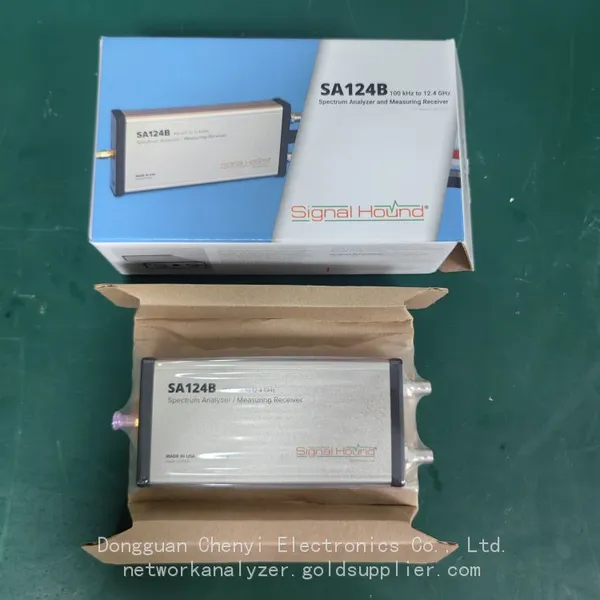
Signal Hound SA124B 100 KHz to 12.4 GHz Spectrum AnalyzerNegotiableMOQ: 1 Unit
-
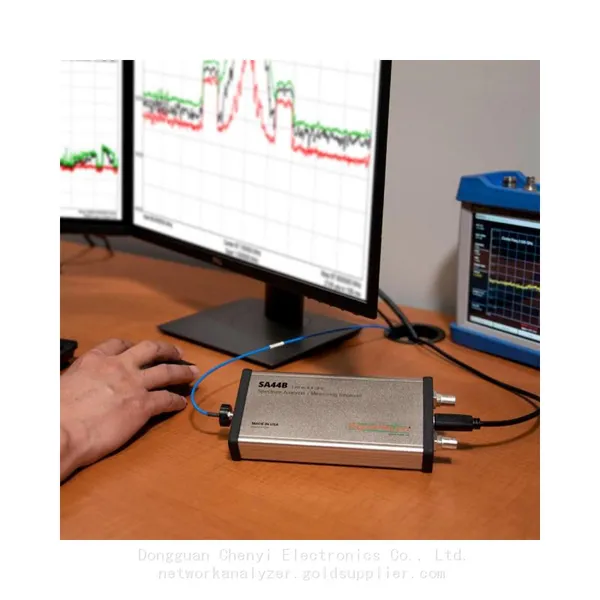
Signal Hound SA44B 1 Hz to 4.4 GHz Spectrum AnalyzerNegotiableMOQ: 1 Unit
-
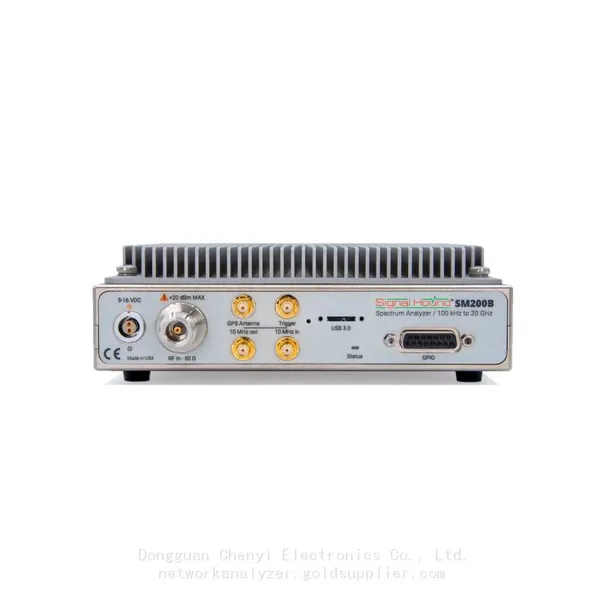
Signal Hound SM200B 100 KHz to 20 GHz Real-time Spectrum Analyzer Monitoring ReceiversNegotiableMOQ: 1 Unit
-
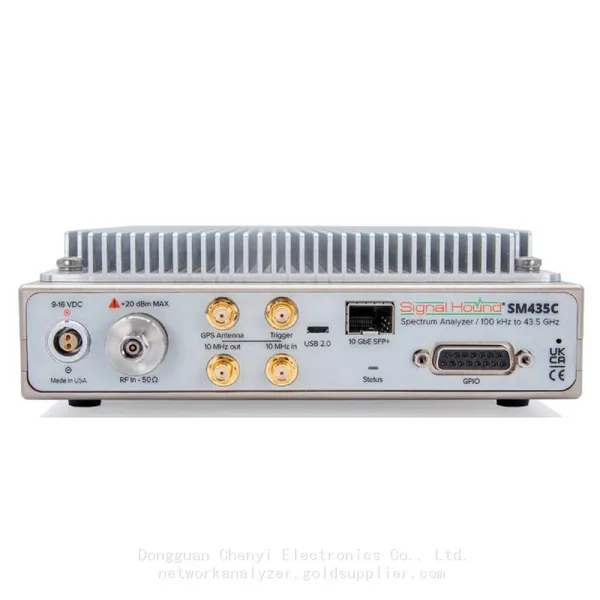
Signal Hound SM435C 100 KHz to 43.5GHz Real-time Spectrum Analyzer With 10GbE Monitoring ReceiversNegotiableMOQ: 1 Unit
-
Signal Hound SM435B 100 KHz to 43.5GHz Real-time Spectrum Analyzer Monitoring ReceiversNegotiableMOQ: 1 Unit
-
Signal Hound PN400 Phase Noise and VCO Test System 100 KHz to 43.5 GHzNegotiableMOQ: 1 Unit
-
Keysight E4980A Precision LCR Meter 20 Hz to 2 MHzNegotiableMOQ: 1 Unit
-
Keysight E4980B and E4980BL Precision LCR Meter 20 Hz to 2 MHzNegotiableMOQ: 1 Unit
-
Keysight U1733C Handheld LCR Meter 100Hz 120Hz 1kHz 10kHz 100kHzNegotiableMOQ: 1 Unit