
 Business License

8dB Flattened Noise Floor: BB60C Full-Band Stable Testing Performance Analysis
8dB Flattened Noise Floor: BB60C Full-Band Stable Testing Performance Analysis
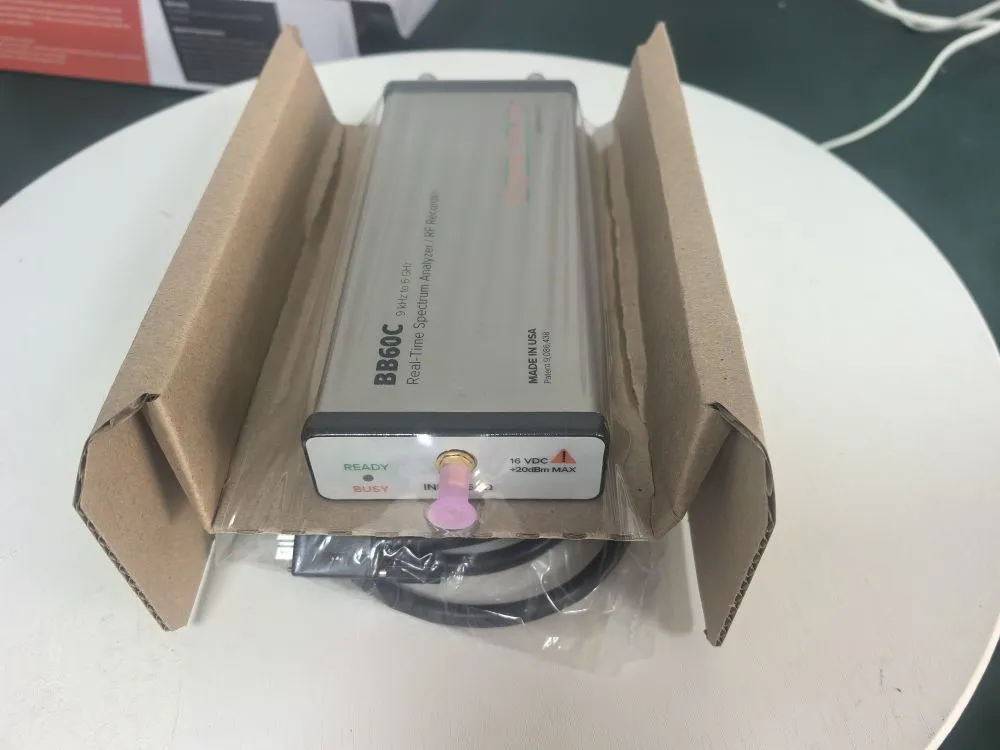
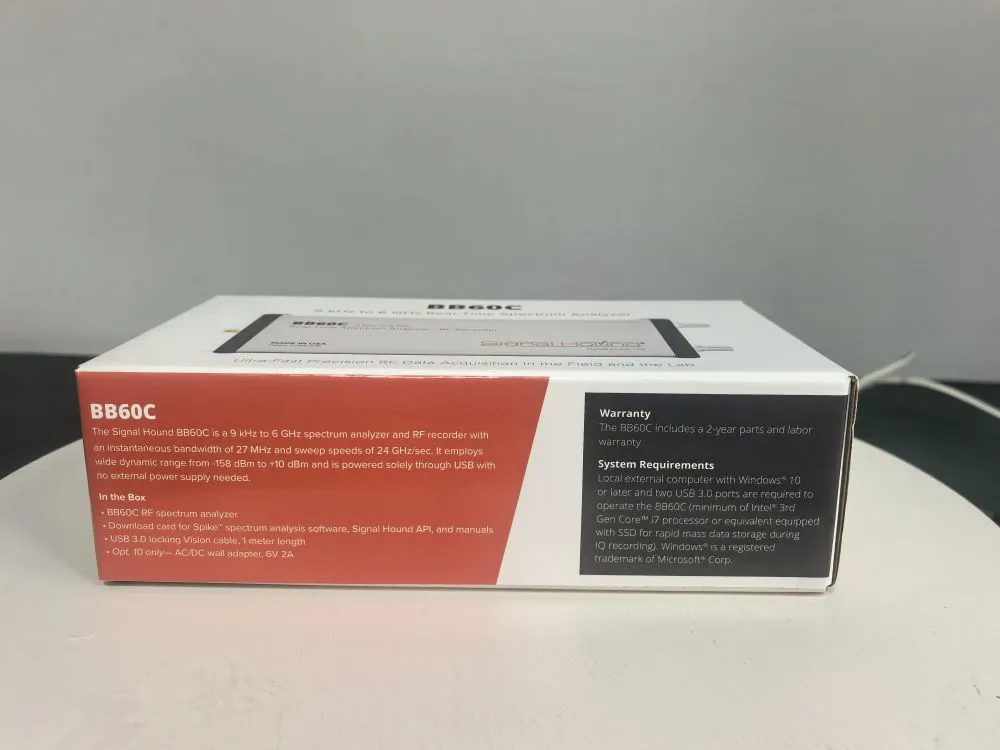
Noise floor flatness is an important indicator to evaluate the full-band testing stability of spectrum analyzers, which reflects the consistency of equipment test sensitivity in different frequency bands. Traditional wide-band portable spectrum analyzers generally have the problem of uneven noise floor: the noise floor is low and the sensitivity is high in partial frequency bands, while the noise floor rises sharply and the test accuracy decreases significantly in frequency band transition areas and high/low frequency edge bands. This leads to inconsistent test data in different frequency bands, seriously affecting the authenticity and comparability of full-band spectrum analysis results. The Signal Hound BB60C optimizes full-band noise suppression technology, reducing frequency band transition noise by more than 8 dB and realizing ultra-flat full-band noise floor performance. This article analyzes the technical advantages and practical application value of the BB60C’s 8dB flattened noise floor in detail.
The root cause of the uneven noise floor of traditional spectrum analyzers lies in the defects of RF front-end filtering and frequency conversion processing technology. In the process of full-band scanning, the equipment needs to switch different frequency bands and filtering channels, and signal mutation and noise superposition will occur at the frequency band junction, resulting in obvious noise floor surge. This makes the test sensitivity of the equipment fluctuate greatly in the full frequency band, unable to realize unified standard signal testing. For users who need full-band signal comparison analysis, multi-frequency-band signal performance evaluation, and wide-band signal overall testing, the uneven noise floor will directly lead to wrong test conclusions.
The Signal Hound BB60C realizes 8 dB noise floor optimization and full-band flattening through professional RF structural optimization and algorithm upgrading. First, it adopts a continuous wide-band filtering design, cancels the segmented frequency band switching mode of traditional equipment, avoids signal noise mutation caused by frequency band switching, and realizes smooth transition of full-band signals. Second, it optimizes the internal noise reduction circuit, adds multi-stage adaptive noise suppression modules, dynamically suppresses random noise and transition noise in different frequency bands, and reduces the overall noise floor level of the equipment. Third, it uses full-band noise calibration algorithm to perform real-time calibration of noise data in each frequency band, ensuring consistent noise floor level and test sensitivity in the entire 1 Hz–6 GHz frequency range.
The 8 dB flattened noise floor optimization brings three core performance improvements. First, the full-band test sensitivity is consistent. Whether testing ultra-low frequency industrial signals or 6 GHz high-frequency wireless signals, the BB60C maintains the same high sensitivity, avoiding the problem of missed detection of weak signals in high-noise frequency bands of traditional equipment. Second, the frequency band transition area has no noise surge, and the signal data at the frequency band junction is smooth and continuous, realizing seamless full-band signal scanning and analysis. Third, the overall background noise of the equipment is reduced, the signal-to-noise ratio (SNR) is significantly improved, and the ability to identify low-power weak signals is further enhanced.
In full-band spectrum scanning and comprehensive testing scenarios, the flattened noise floor performance of the BB60C shows great advantages. For example, in the full-band EMI electromagnetic compatibility testing of electronic products, it is necessary to uniformly detect radiation signals of all frequency bands. Traditional equipment has different noise floors in different frequency bands, resulting in inconsistent testing standards, unable to accurately evaluate the overall electromagnetic radiation level of products. The BB60C’s flat noise floor ensures unified testing standards for the full frequency band, making product EMI test data more accurate and authoritative, which is convenient for enterprises to complete product certification and quality inspection.
In wide-band wireless signal testing such as 5G and Wi-Fi, signal bandwidth covers multiple frequency band ranges, and uneven noise floor will lead to inconsistent signal power testing results in different bandwidth segments, affecting the accurate evaluation of signal quality. The BB60C’s full-band flat noise floor can stably test the signal power, flatness, and interference of the entire wide-band signal, accurately reflecting the real performance of wireless signals, and providing reliable data for network optimization and equipment performance debugging.
In scientific research experimental testing and data comparative analysis, the flattened noise floor is the basis of credible experimental data. Many RF scientific research projects need to compare signal performance differences in different frequency bands. If the equipment’s own noise floor is uneven, the experimental data error will be large, and the research conclusion will be inaccurate. The BB60C’s stable full-band noise floor provides a unified experimental testing environment, ensuring the authenticity, stability, and repeatability of scientific research data, which is very suitable for university laboratories and scientific research institutions.
Compared with the previous-generation BB60A model, the BB60C’s 8 dB noise floor optimization completely solves the long-standing problem of frequency band transition noise of the BB60A. The BB60A has obvious noise surge in partial frequency band transition areas, which affects the accuracy of local signal testing. The BB60C’s upgraded technology completely eliminates this defect, realizing truly flat full-band noise floor performance, and the overall testing stability is greatly improved.
In conclusion, the Signal Hound BB60C’s 8dB flattened noise floor technology is an important optimization for full-band testing stability. It realizes consistent high-sensitivity testing in the entire frequency range, eliminates frequency band transition noise interference, improves the overall signal-to-noise ratio of the equipment, and provides stable, accurate, and unified testing standards for full-band spectrum scanning, EMI testing, wireless signal debugging, and scientific research experiments. It is an important guarantee for the BB60C to achieve professional-grade comprehensive testing performance.
Recently Posted
-
The Ultimate Guide to Buying RF Test Equipment: From Needs Analysis to Supplier Evaluation
September 2, 20261. The Budget That Looked Smart Until the First TestA startup building LoRa-based environmental sensors approved a $18,000 equipme Read More
 -
Vector Signal Generator vs Analog Signal Generator: Application Scenarios and Selection Decisions
September 1, 20261. The Two-Generator Test Bench That Solved a Production PuzzleA contract electronics manufacturer producing wireless sensors kept Read More
 -
Vector Signal Generator Explained: Principles, Architecture, and Core Functions
August 31, 20261. When a Simple Signal Source Is Not EnoughAn R&D team developing a new Wi-Fi 6 access point spent a week validating their re Read More
 -
Software-Defined Instruments: How USB Spectrum Analyzers Are Changing the RF Testing Industry
August 17, 20261. The Benchtop Instrument That Would Not Fit in a Carry-OnAn RF field engineer arrived at a remote cell site in a mountainous reg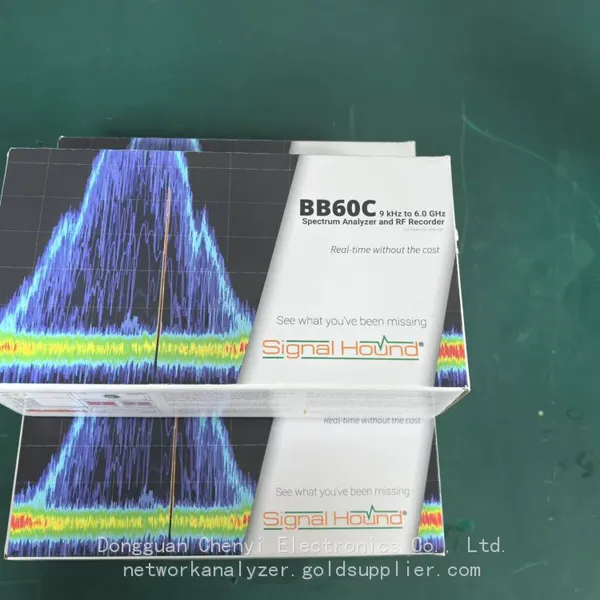 Read More

Contact Us
Recommended Products
-
 Signal Hound SM200C 100 KHz to 20 GHz Real-time Spectrum Analyzer With 10GbE Monitoring ReceiversNegotiableMOQ: 1 Unit
 -
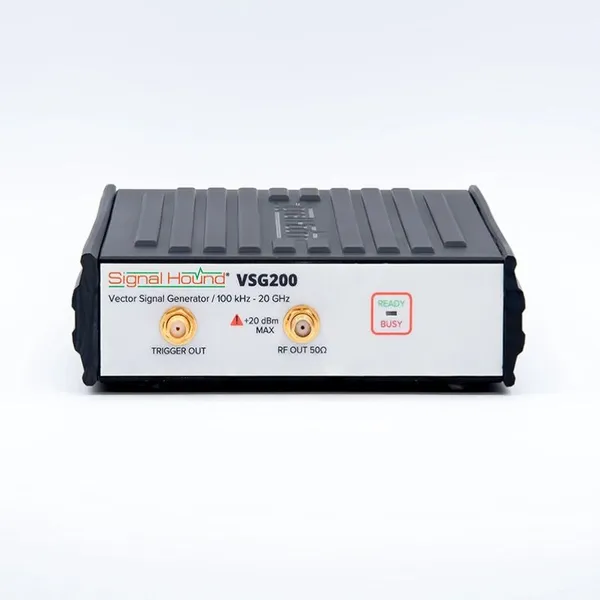
Signal Hound VSG200 Vector Signal Generator 100 KHz to 20 GHzNegotiableMOQ: 1 Unit
-
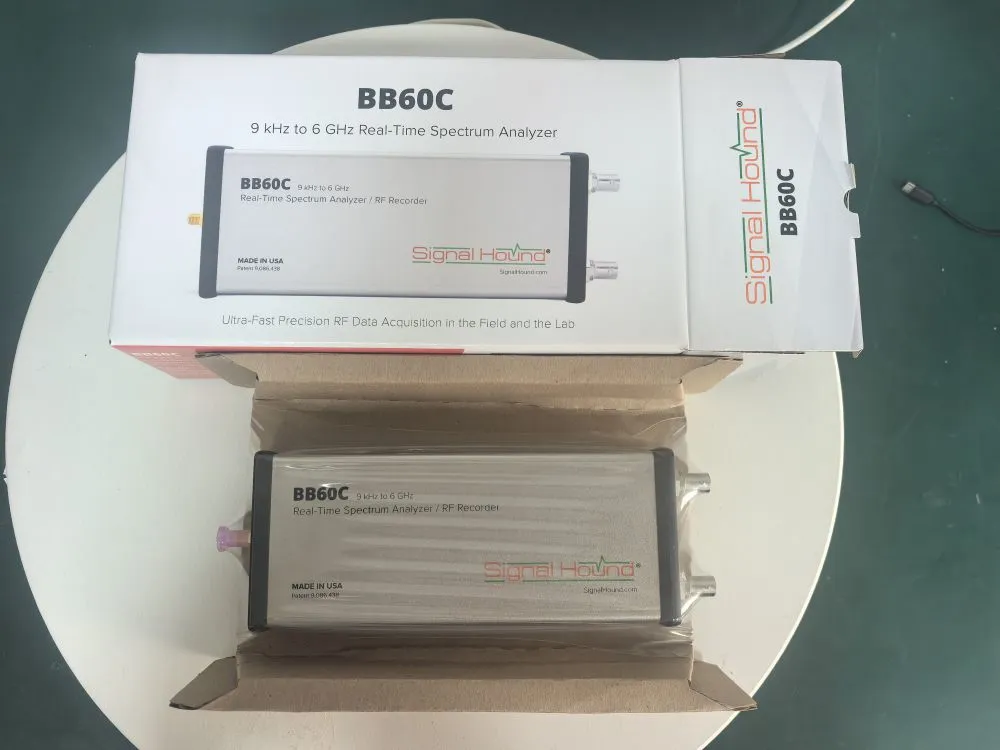
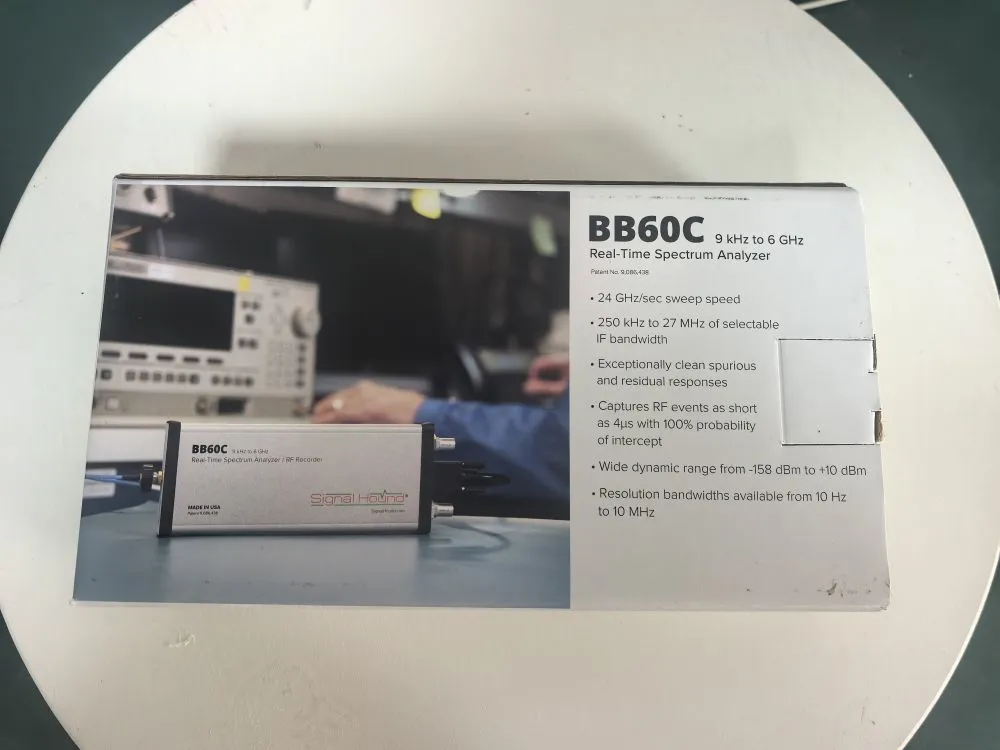
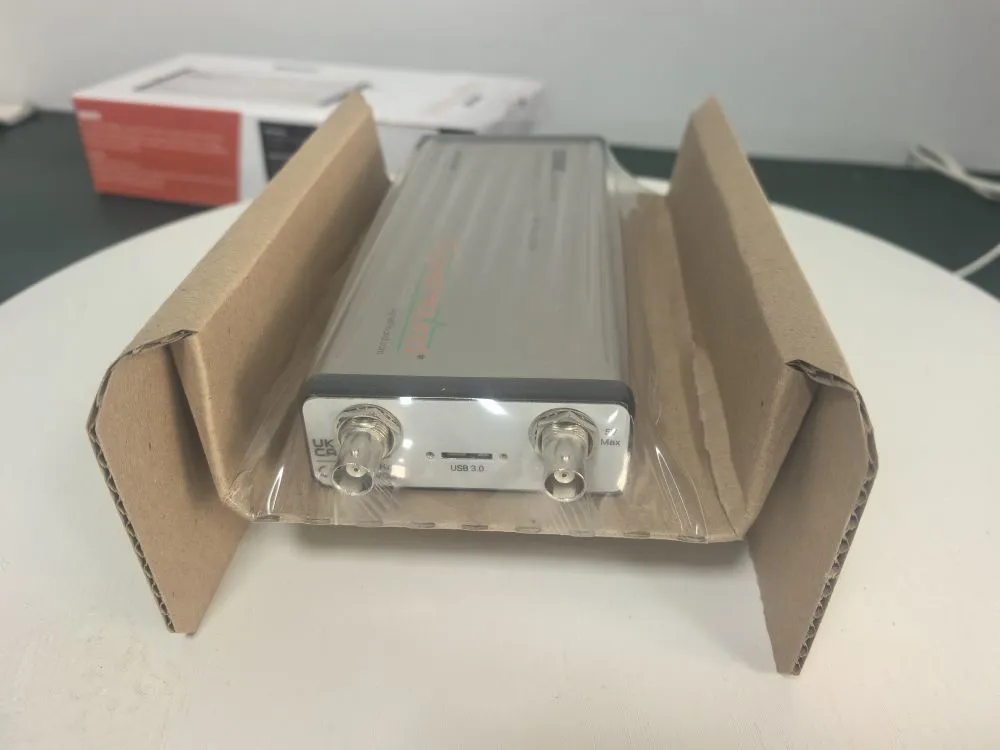
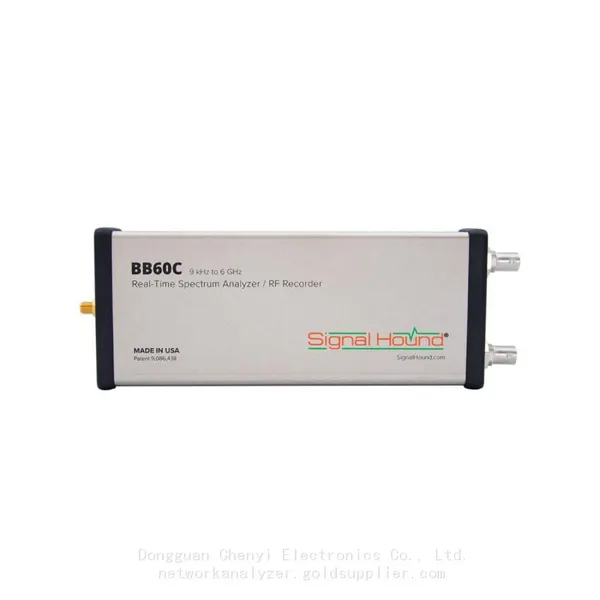
Signal Hound BB60C 9 KHz to 6 GHz Real-time Spectrum AnalyzerNegotiableMOQ: 1 Unit
-
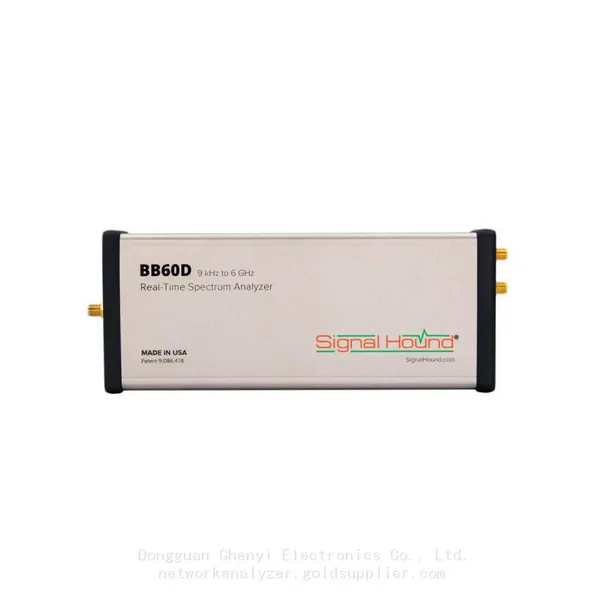
Signal Hound BB60D 9 KHz to 6 GHz Real-time Spectrum AnalyzerNegotiableMOQ: 1 Unit
-
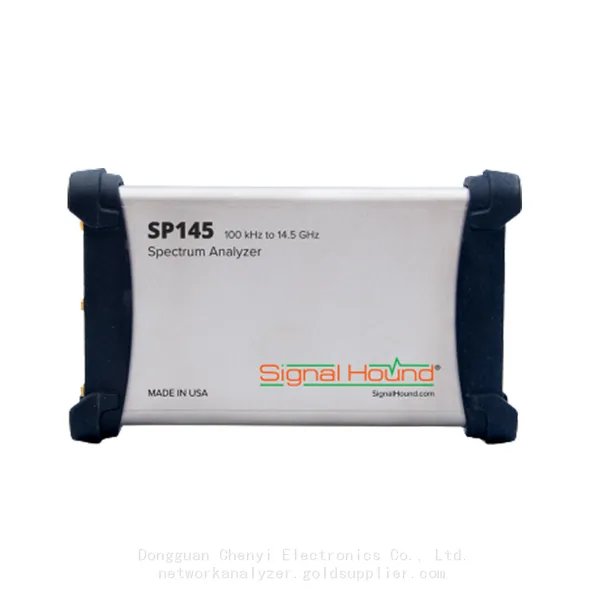
Signal Hound SP145 100 KHz to 14.5 GHz Real-time Spectrum Analyzer Monitoring ReceiversNegotiableMOQ: 1 Unit
-
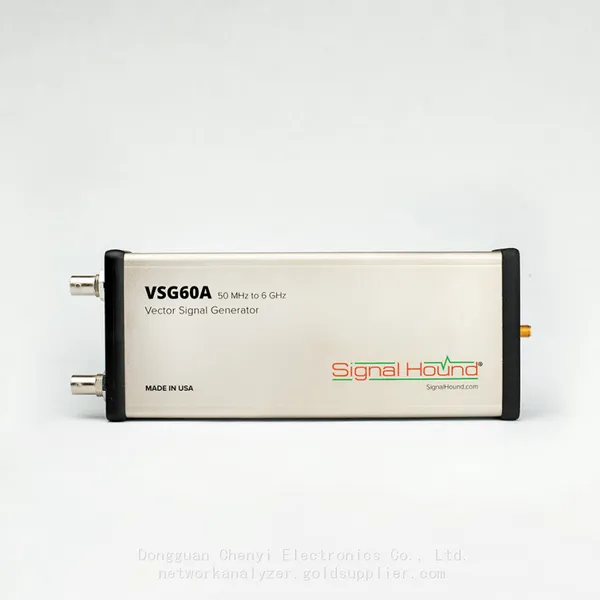
Signal Hound VSG60A 50 MHz to 6 GHz GHz Vector Signal GeneratorNegotiableMOQ: 1 Unit
-
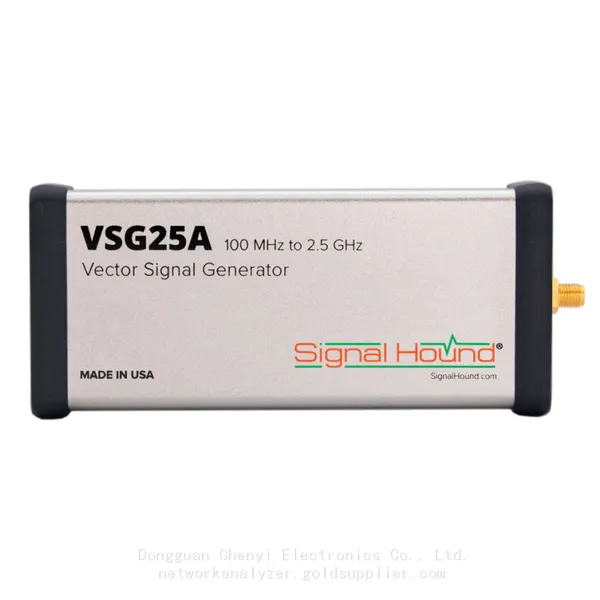
Signal Hound VSG25A 100 MHz to 2.5 GHz Vector Signal GeneratorNegotiableMOQ: 1 Unit
-
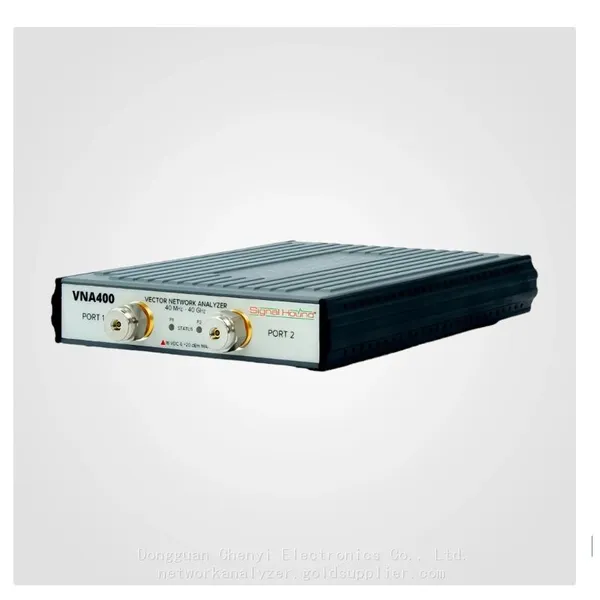
Signal Hound VNA400 40 MHz to 40 GHz 2-port Vector Network AnalyzerNegotiableMOQ: 1 Unit
-
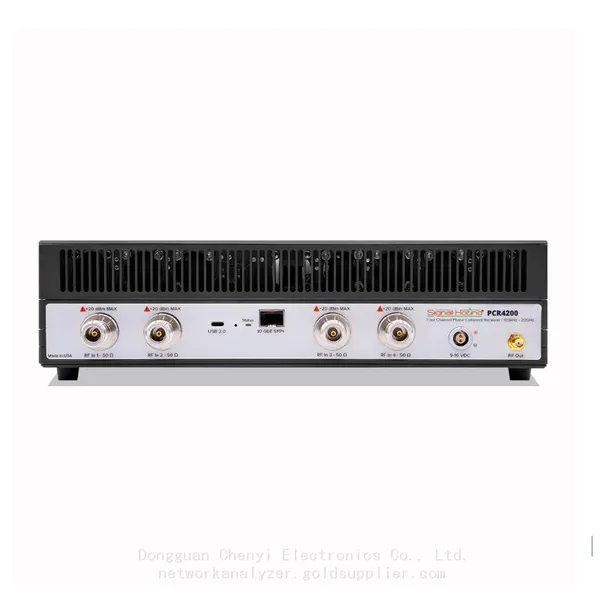
Signal Hound PCR4200 100 KHz to 20 GHz Four-Channel Phase Coherent ReceiverNegotiableMOQ: 1 Unit
-
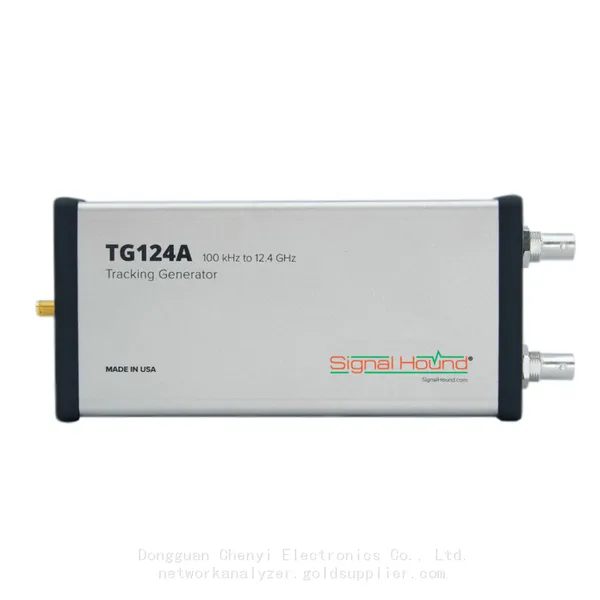
Signal Hound TG124A 100 KHz to 12.4 GHz Tracking GeneratorNegotiableMOQ: 1 Unit
-
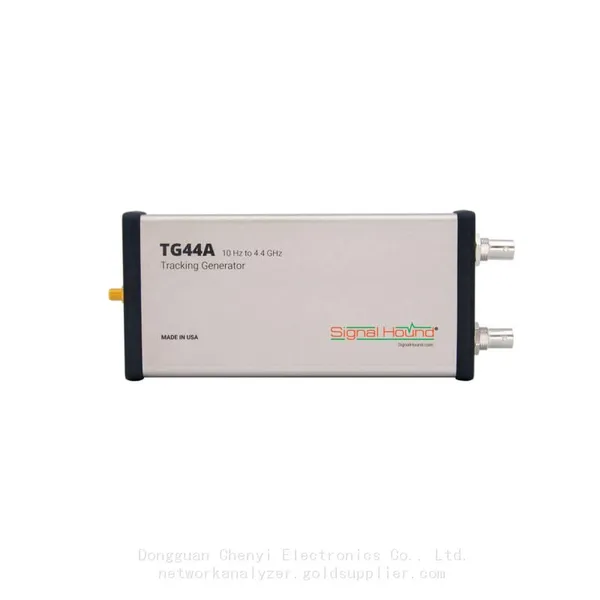
Signal Hound TG44A 10 Hz to 4.4 GHz t Tracking GeneratorNegotiableMOQ: 1 Unit
-
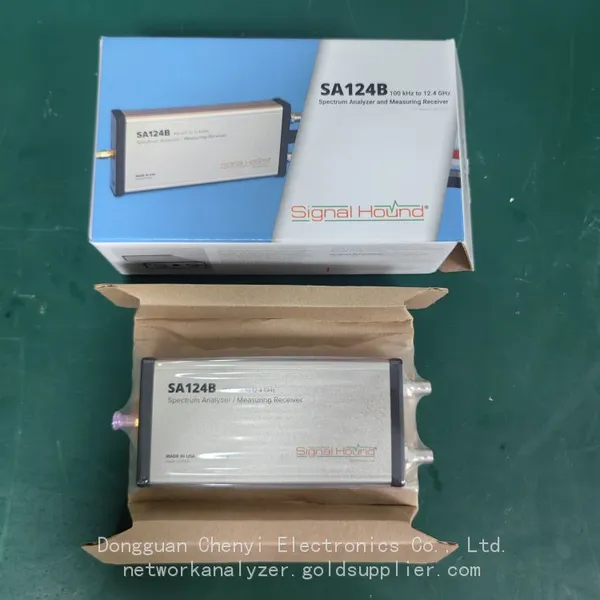
Signal Hound SA124B 100 KHz to 12.4 GHz Spectrum AnalyzerNegotiableMOQ: 1 Unit
-
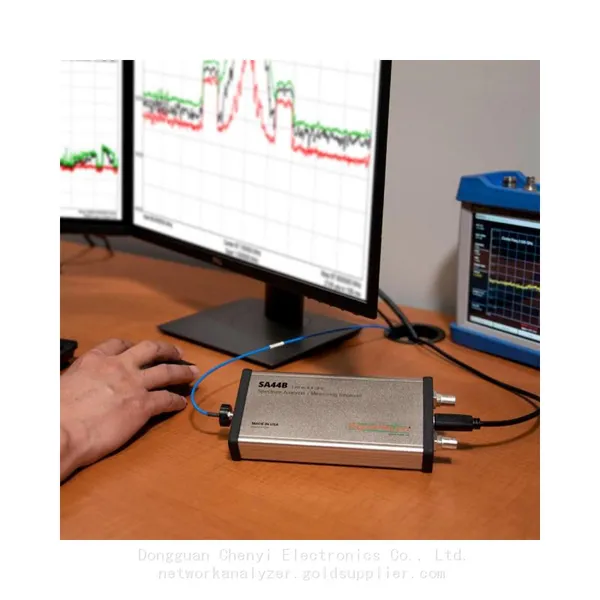
Signal Hound SA44B 1 Hz to 4.4 GHz Spectrum AnalyzerNegotiableMOQ: 1 Unit
-
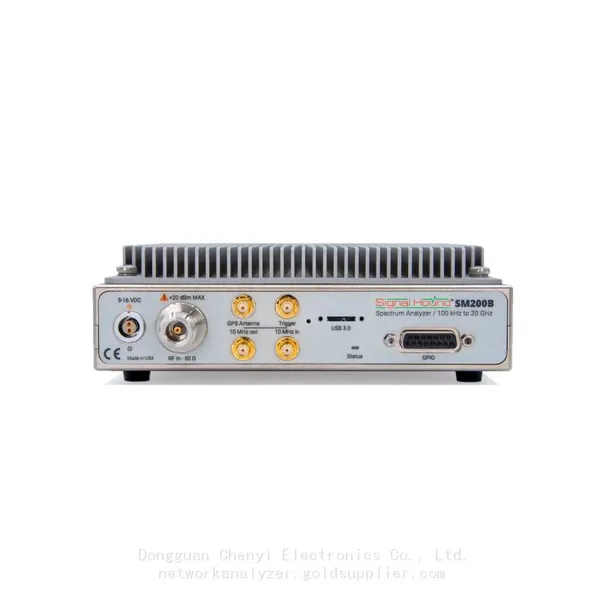
Signal Hound SM200B 100 KHz to 20 GHz Real-time Spectrum Analyzer Monitoring ReceiversNegotiableMOQ: 1 Unit
-
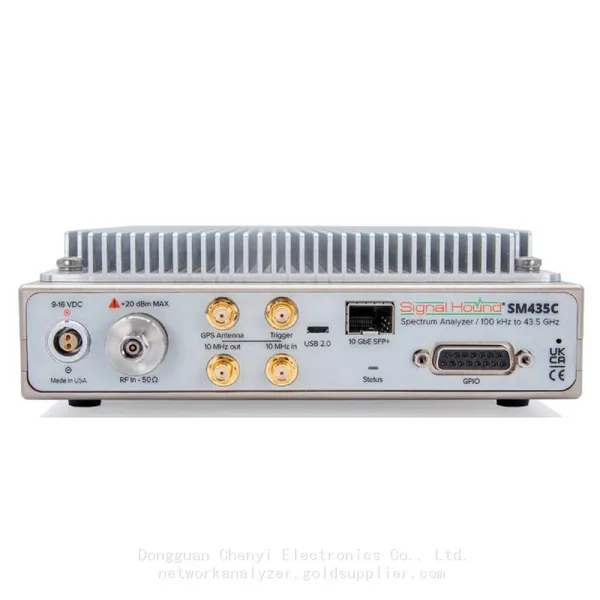
Signal Hound SM435C 100 KHz to 43.5GHz Real-time Spectrum Analyzer With 10GbE Monitoring ReceiversNegotiableMOQ: 1 Unit
-
Signal Hound SM435B 100 KHz to 43.5GHz Real-time Spectrum Analyzer Monitoring ReceiversNegotiableMOQ: 1 Unit
-
Signal Hound PN400 Phase Noise and VCO Test System 100 KHz to 43.5 GHzNegotiableMOQ: 1 Unit
-
Keysight E4980A Precision LCR Meter 20 Hz to 2 MHzNegotiableMOQ: 1 Unit
-
Keysight E4980B and E4980BL Precision LCR Meter 20 Hz to 2 MHzNegotiableMOQ: 1 Unit
-
Keysight U1733C Handheld LCR Meter 100Hz 120Hz 1kHz 10kHz 100kHzNegotiableMOQ: 1 Unit